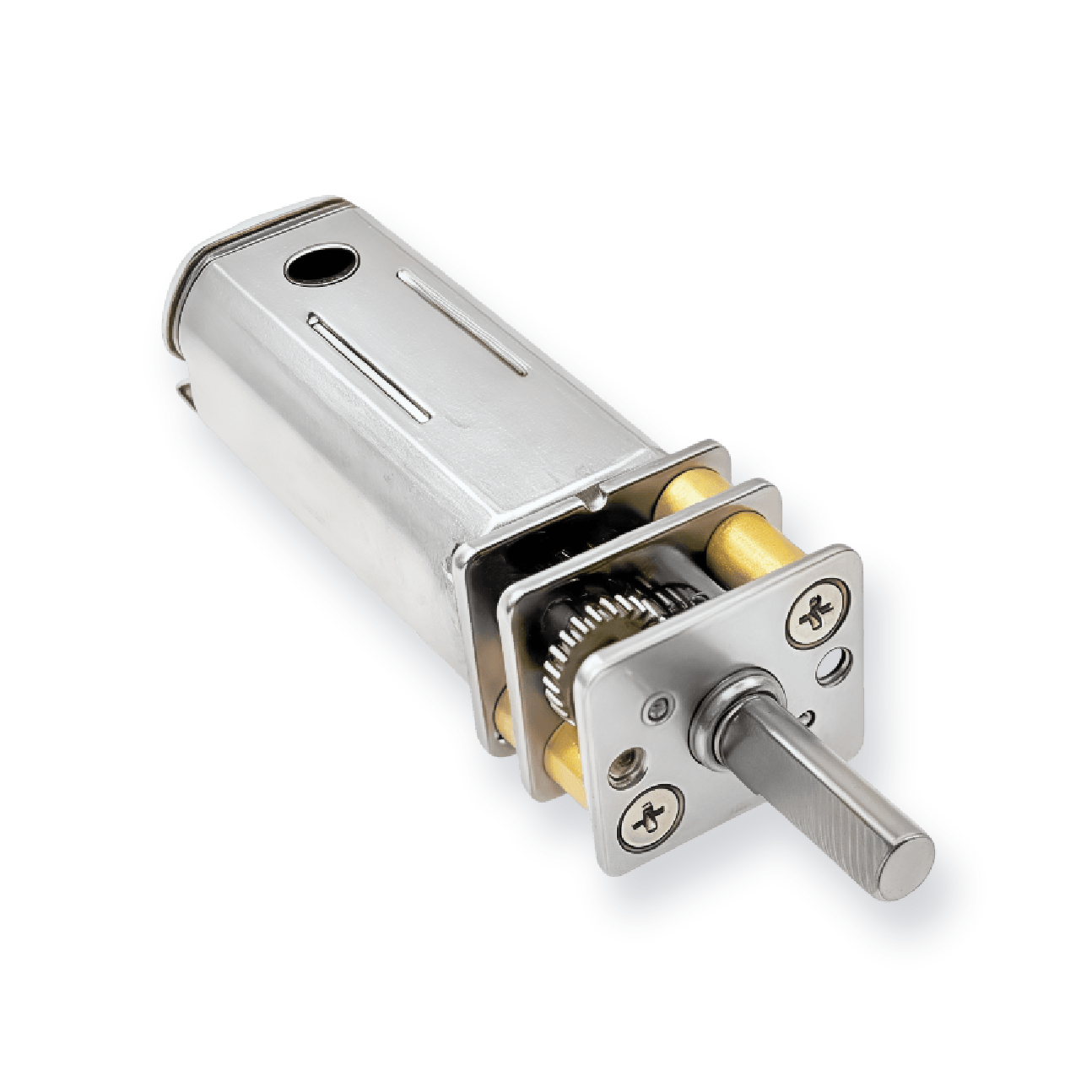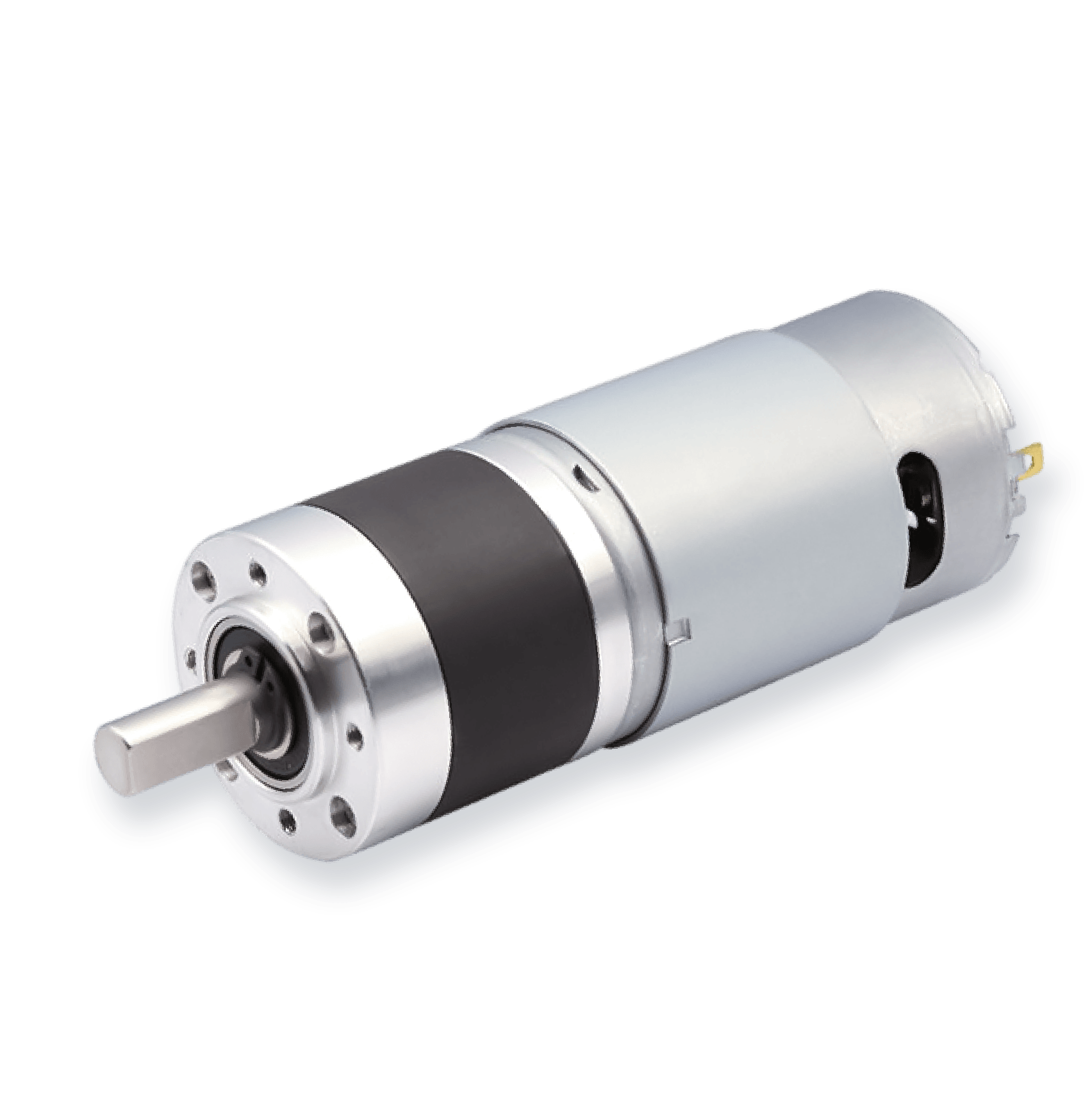
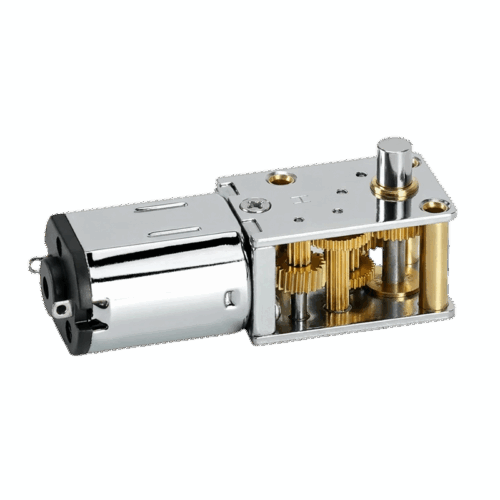
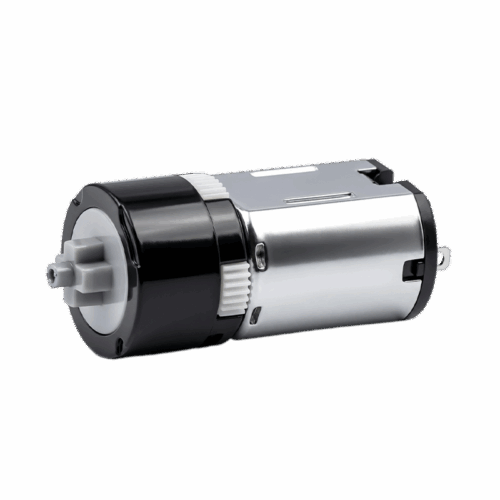


24mm Worm Gearbox & Reducer
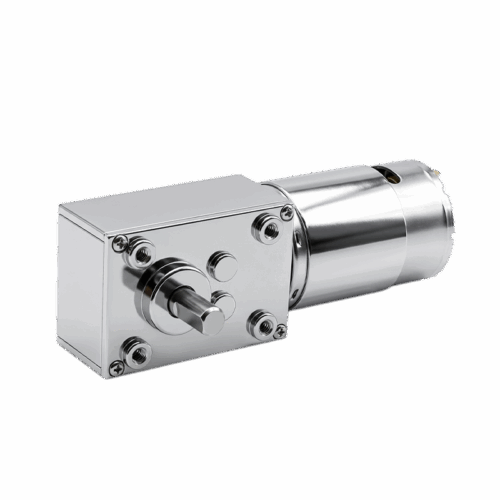
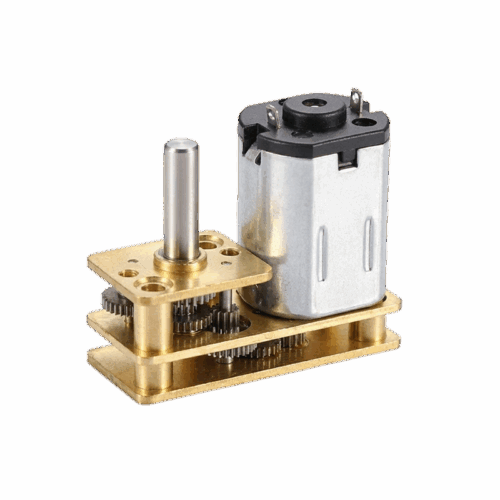
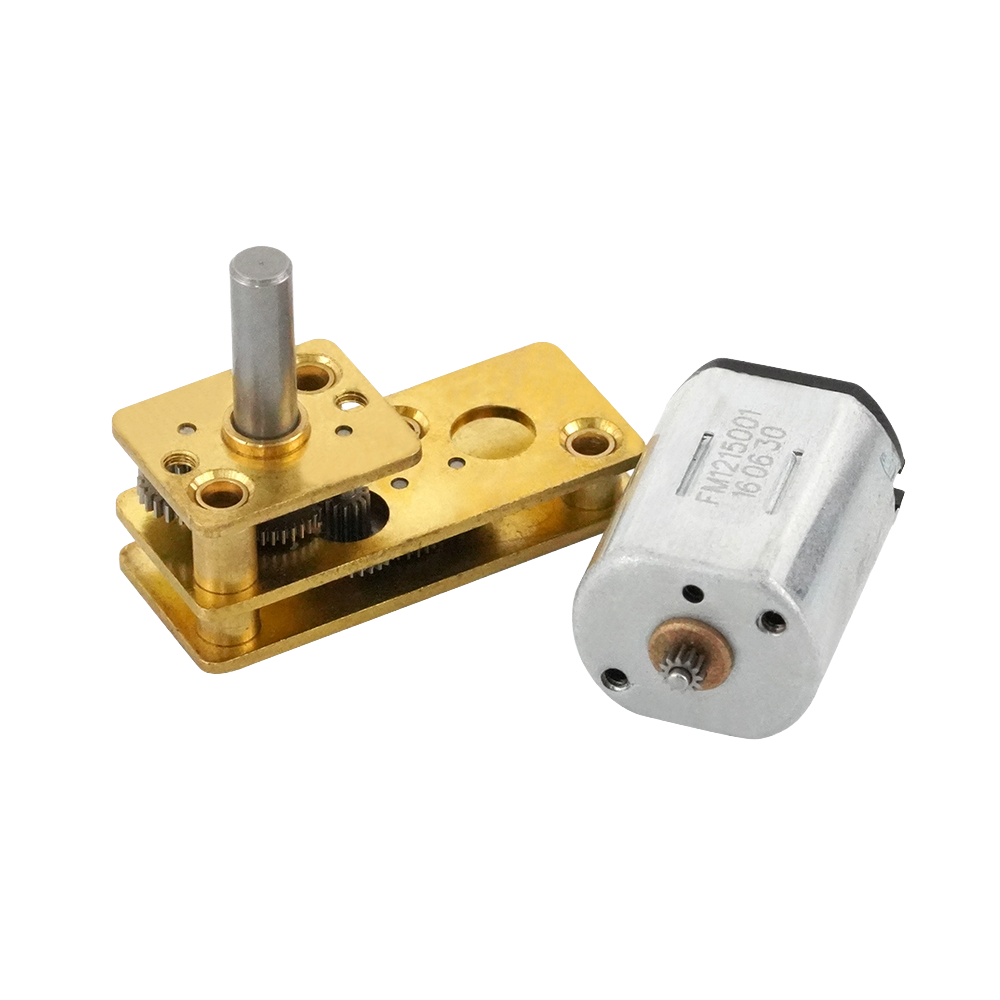
This 24mm worm gearbox is designed for compact systems that need higher structural length for mounting stability and consistent low-speed output, with customizable shafts for easier mechanical integration.



This 24mm worm gearbox is designed for compact systems that need higher structural length for mounting stability and consistent low-speed output, with customizable shafts for easier mechanical integration.


This worm gearbox uses a compact worm-drive structure to deliver high reductions in a slim, extended layout for constrained installations.
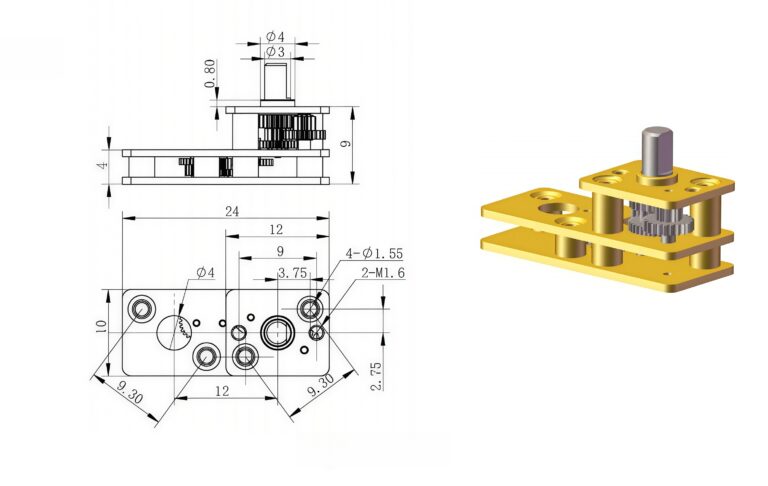
| Index | Gear Ratio | Actual Ratio | Stages | Overall Size | Output Direction | Motor Gear Teeth | Motor Gear ID (mm) | Rated Torque (g·cm) | Allowable Peak Torque (g·cm) |
| 1 | 26 | 26.418 | 4 | 24*12*9 | Same | 12 | 1 | 200 | 600 |
| 2 | 34 | 34.307 | 4 | 24*12*9 | Same | 12 | 1 | 200 | 600 |
| 3 | 50 | 49.961 | 4 | 24*12*9 | Same | 12 | 1 | 300 | 800 |
| 4 | 78 | 78.315 | 4 | 24*12*9 | Same | 12 | 1 | 300 | 800 |
| 5 | 110 | 106.226 | 6 | 24*12*9 | Same | 12 | 1 | 500 | 1000 |
| 6 | 168 | 168.609 | 6 | 24*12*9 | Same | 12 | 1 | 500 | 1000 |
| 7 | 210 | 212.438 | 6 | 24*12*9 | Same | 12 | 1 | 600 | 1200 |
| 8 | 250 | 249.034 | 6 | 24*12*9 | Same | 12 | 1 | 600 | 1200 |
| 9 | 293 | 293.475 | 6 | 24*12*9 | Same | 12 | 1 | 600 | 1200 |
| 10 | 350 | 342.291 | 6 | 24*12*9 | Same | 12 | 1 | 800 | 1600 |
| 11 | 380 | 381.41 | 6 | 24*12*9 | Same | 12 | 1 | 800 | 1600 |
| 12 | 500 | 496.64 | 6 | 24*12*9 | Same | 12 | 1 | 800 | 1600 |
| 13 | 1000 | 1000.77 | 6 | 24*12*9 | Same | 12 | 1 | 1000 | 2000 |
For additional customization or reference configurations, please feel free to contact us.



The 24mm length format helps when you need more mounting area or spacing control without increasing the overall height of the transmission module.

Ratios from 26 to 1000 support controlled motion outputs where speed must be reduced while maintaining practical torque margin.

Same-direction output helps keep linkage routing simple and predictable across the ratio set in long-body assemblies.

Use rated torque for continuous sizing and treat allowable peak torque as short-duration headroom for start-up and brief load spikes.






Higher ratios are typically selected to increase torque margin while reducing output speed.

English

Japanese

Korean
Tell us about your project or application, and our team will get back to you with technical support, product recommendations, or a customized motor solution.