12mm Diameter N30 Micro Brushed DC Motor

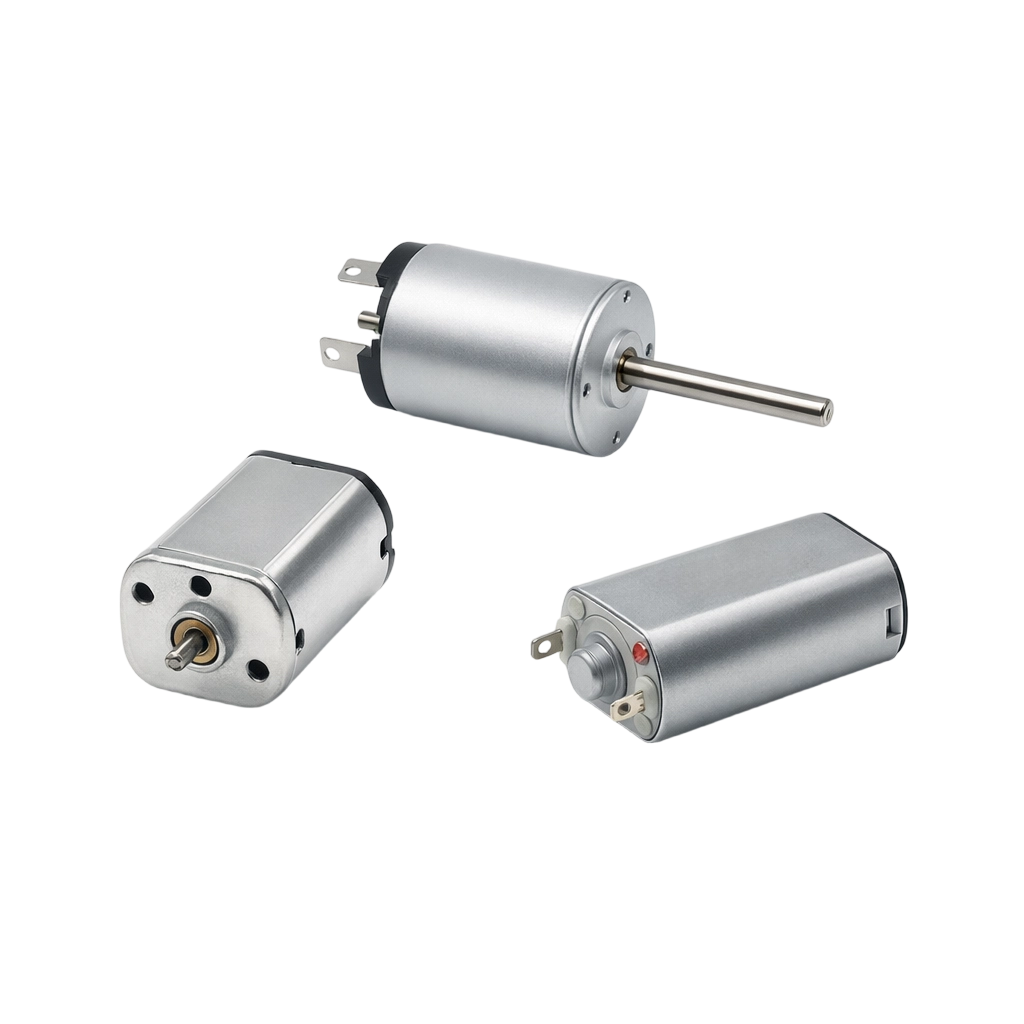
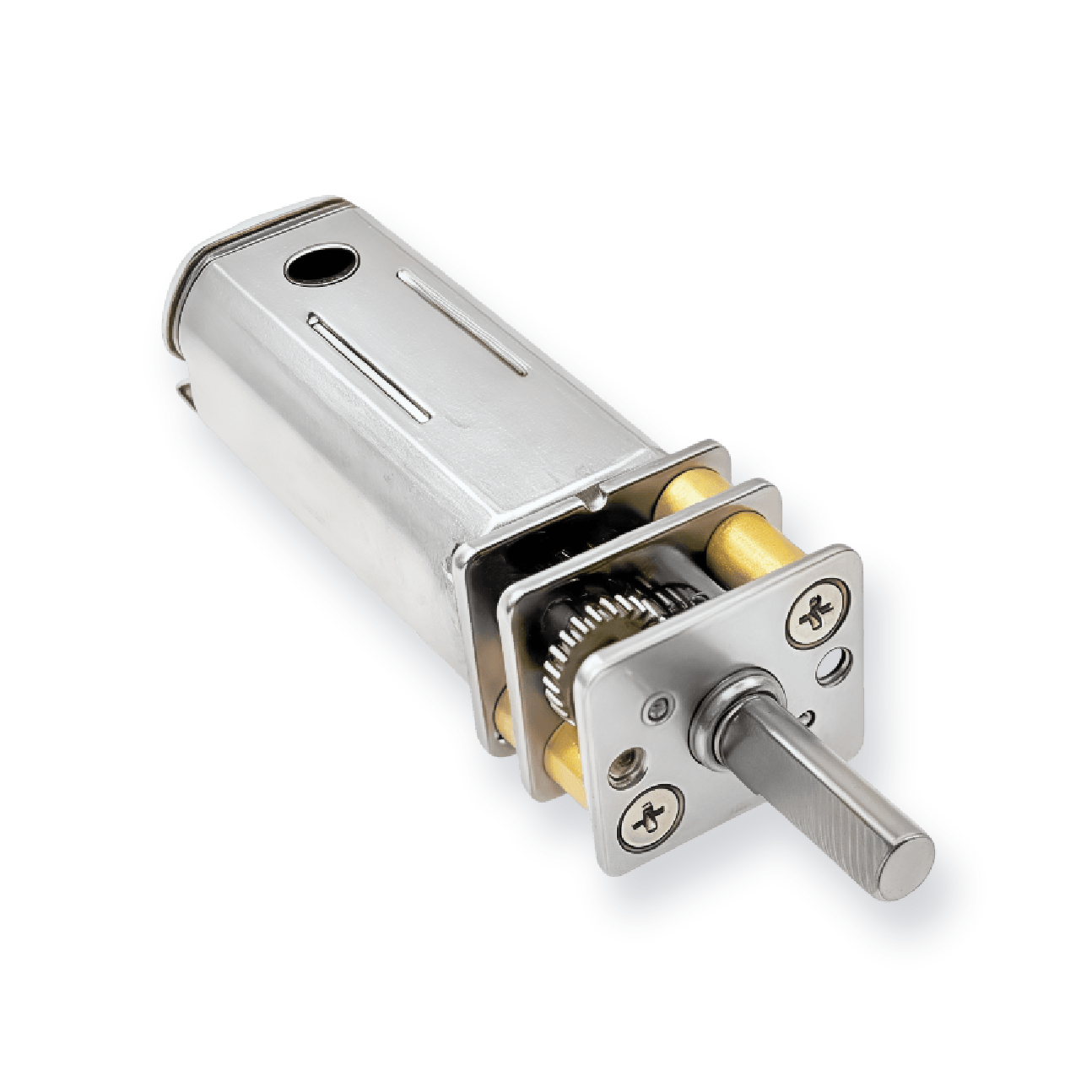
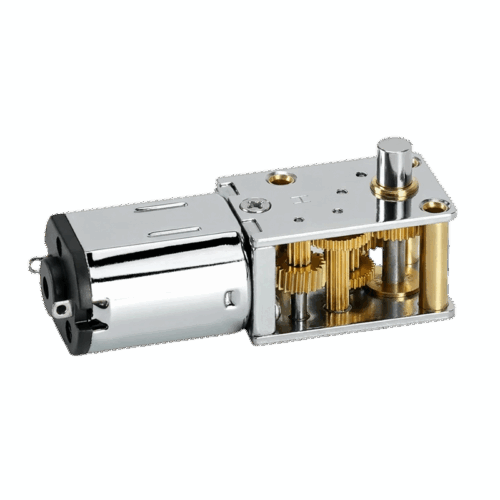
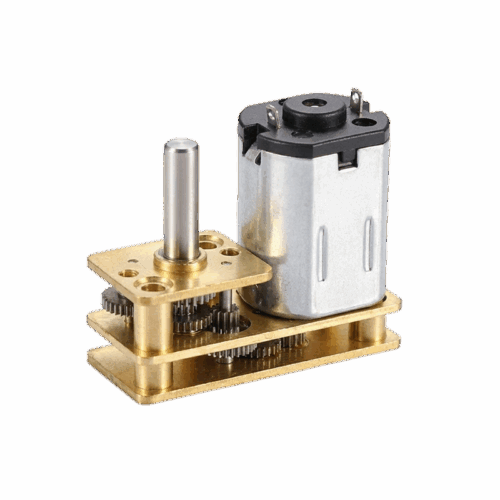
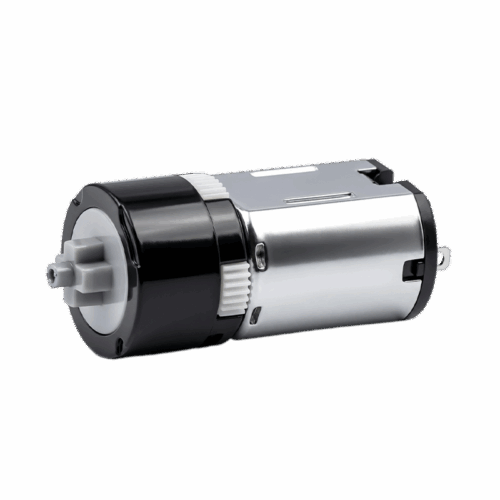
This 12mm N30 brushed DC motor is designed for 3–24V systems where you need a compact Φ12×10×L20 envelope and a clear 3V performance point for speed, torque, and current planning.

Get a Quote
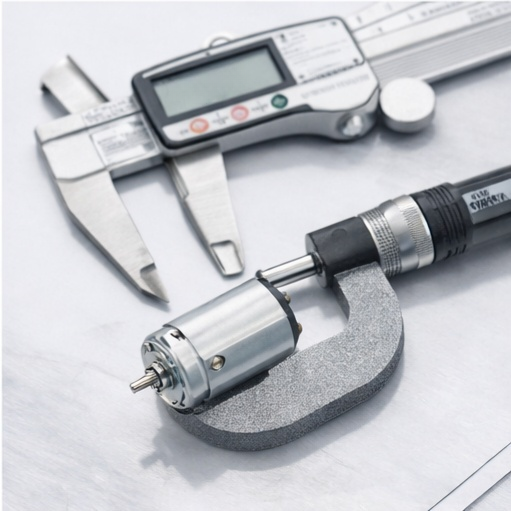
  • 12mm Diameter N30 Micro Brushed DC Motor Featured Image
Specs

Key Features

This model is an N30 brushed DC motor platform defined by its compact rectangular body and a low-voltage baseline, making selection straightforward when size and current budget matter more than gearbox reduction.
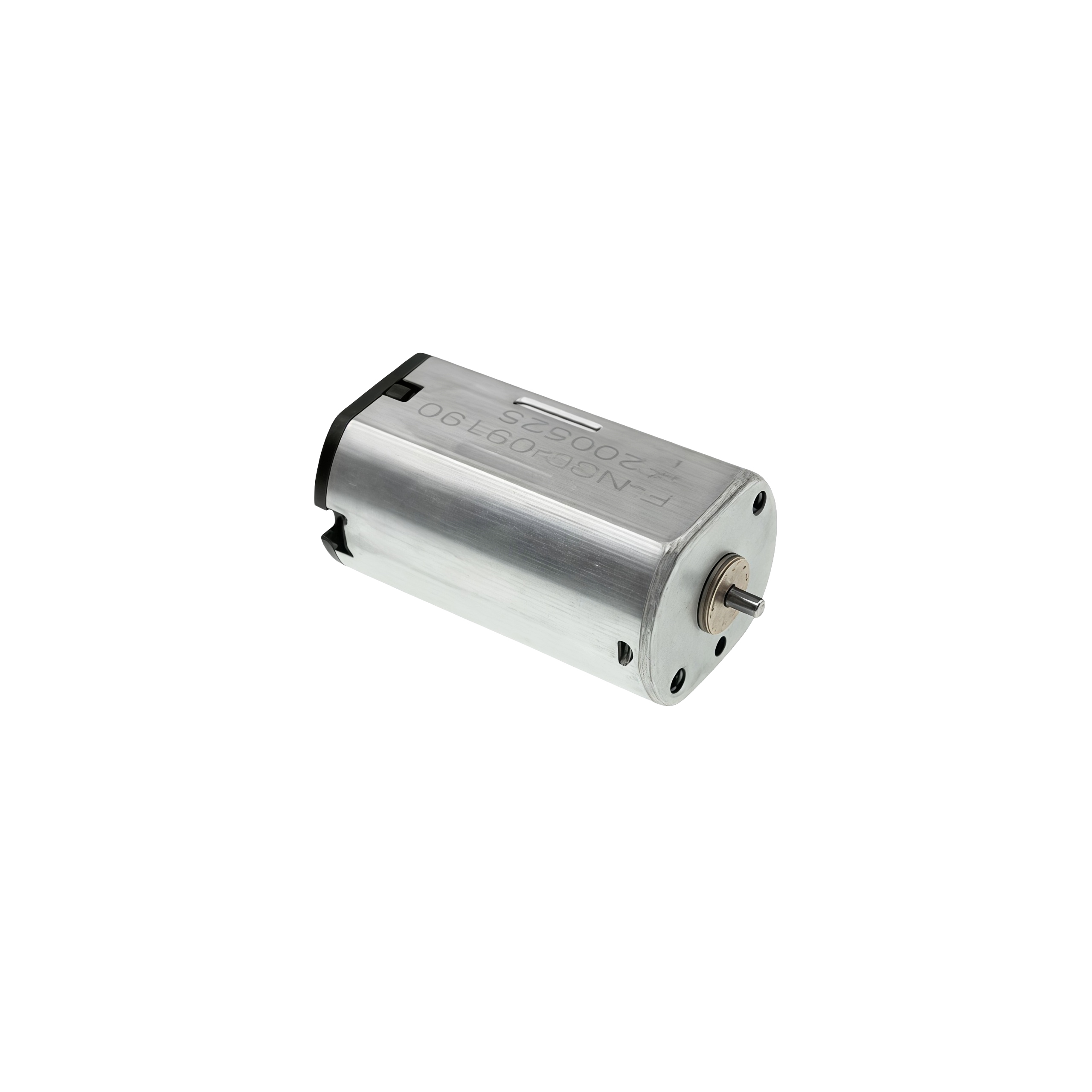
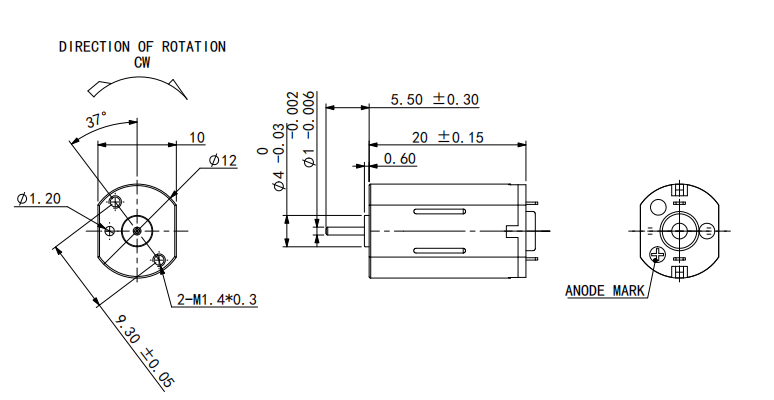
  • Φ12×10×L20 envelope supports tight assemblies that need a small brushed DC motor form factor
  • 3–24V applied range fits low-voltage system architectures while performance is anchored at 3V
  • No-load speed is listed as 3000 r/min, giving a direct free-run speed reference
  • Rated speed is listed as 1700 r/min, providing a working-speed target under load
  • Rated torque and stall torque values define normal load sizing vs overload boundary conditions
technical Specs

Motors Specifications

Motor Model Rated voltage No-load speed No-load current Rated speed Rated torque Rated current Stall torque
  VDC r/min mA r/min g.cm mA g.cm
SLW-N30 3 3000 25 1700 2.625 60 5

For additional customization or reference configurations, please feel free to contact us.

Why Choose us

SLW Motor Highlights

  • Compact N30 Form Factor for Tight Assemblies

    The Φ12×10×L20 body helps when your mechanism has strict space limits and needs a simple brushed DC drive.
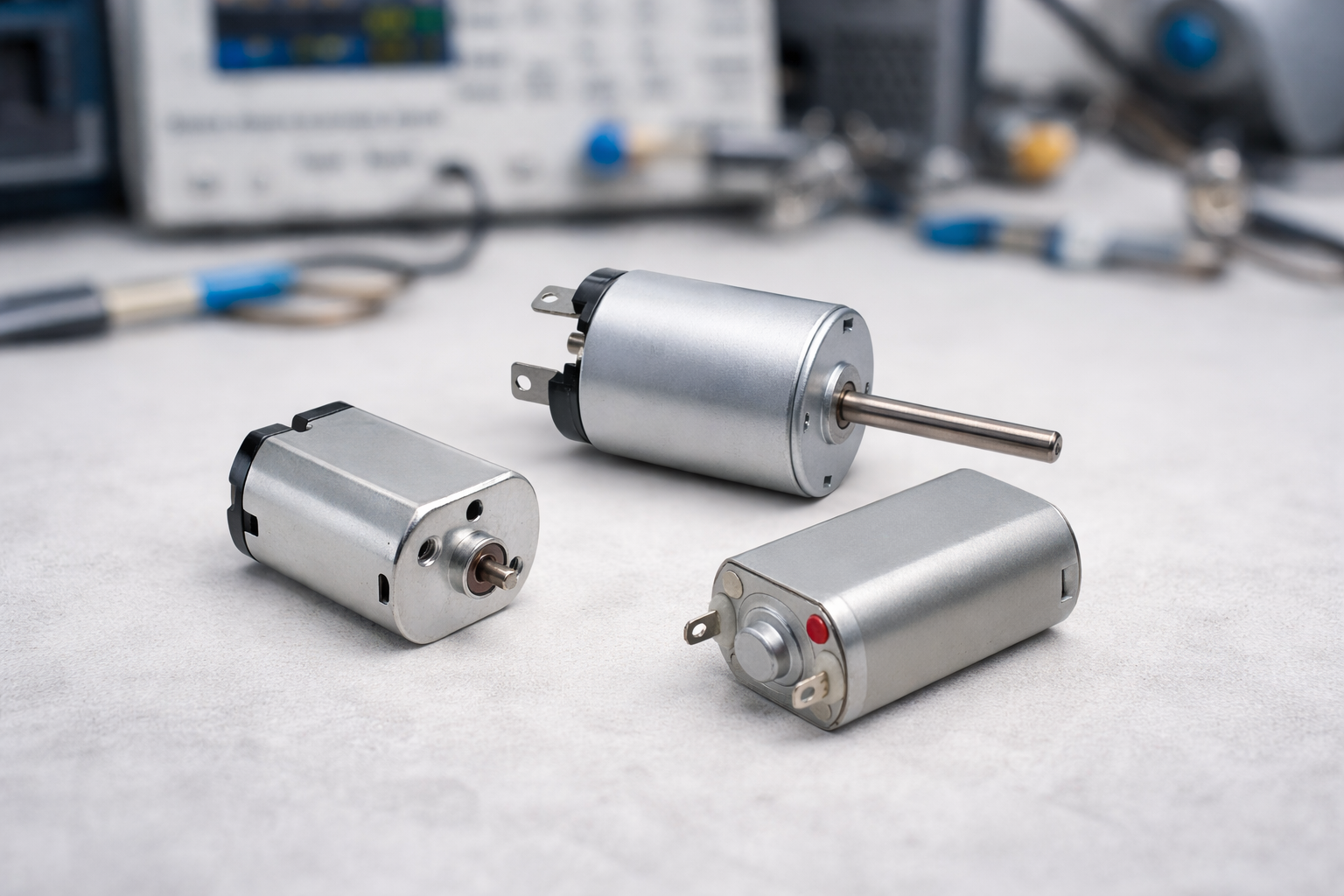
  • Low-Voltage Baseline at 3V

    A defined 3V data point makes it easier to plan battery-powered or regulated low-voltage designs without guessing speed behavior.
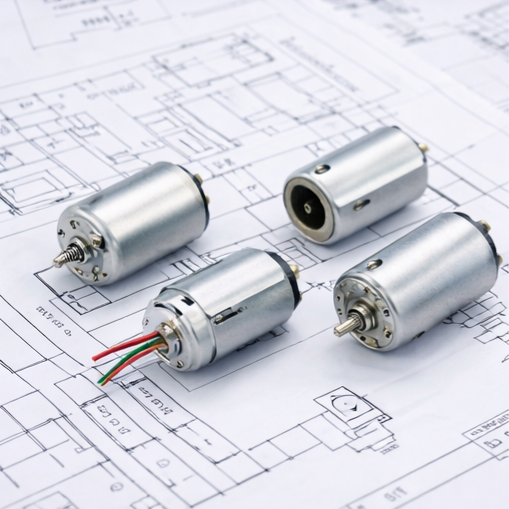
  • Clear Speed Drop From No-Load to Rated

    The table shows 3000 r/min no-load versus 1700 r/min rated speed, which helps estimate how the motor behaves once real load is applied.
  • Torque Boundary for Overload Events

    Rated torque (2.625 g.cm) supports working-load sizing, while stall torque (5 g.cm) defines the boundary for jams and hard stops.

Custom

Beyond the Standard: Performance Customized

  • 01
    3V Operating Point Fit for Your Supply Rails
    We confirm your real minimum and nominal voltage first, then align the motor so it does not run permanently under-voltage or over-voltage.
  • 02
    Speed Target Lock-In Using Rated Speed
    We map your target RPM to the rated-speed line first, because no-load speed typically overstates real working output.
  • 03
    Current Budget Definition for Driver and Wiring
    We use the rated current value to define normal electrical load so driver choice and wiring stay stable under duty cycle.
  • 04
    Stall-Event Protection Strategy
    We define jam handling around stall torque so brief stalls do not create repeated overheating or premature brush wear.
  • 05
    Variant Planning Across 3–24V Systems
    If you plan multiple SKUs, we anchor the mechanical platform to N30 size and differentiate variants primarily by operating voltage and control method.
  • 3V Operating Point Fit for Your Supply Rails
  • Speed Target Lock-In Using Rated Speed
  • Current Budget Definition for Driver and Wiring
  • Stall-Event Protection Strategy
  • Variant Planning Across 3–24V Systems

Custom Now

Related

Explore Our Motor

View All Products

FAQ

Frequently Asked Questions

The following questions focus on voltage fit, speed targets, and current budgeting to help you confirm N30 suitability quickly.

How do I choose this motor quickly?
Match your supply voltage first, use rated speed to check your target RPM under load, then confirm rated current fits your driver limit.
Why is rated speed lower than no-load speed?
Rated speed reflects the motor under load, while no-load speed is measured with minimal mechanical load.
What does stall torque mean for my design?
It defines the overload boundary during jams or hard stops, which drives protection logic and mechanical stop design.
What should I share so you can confirm suitability faster?
Share your supply voltage, target RPM, load torque estimate, duty cycle, and any current-limit constraints in the driver.
Is it suitable for repeat production?
Yes. The N30 form factor is easy to standardize, and you can tune system behavior mainly through voltage and control settings.
Get Started

Accelerate Your Project with Precision Motors