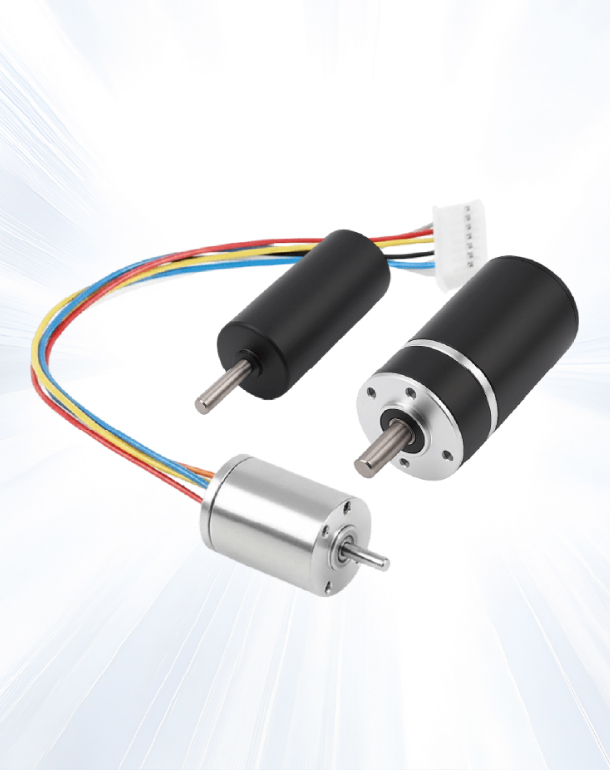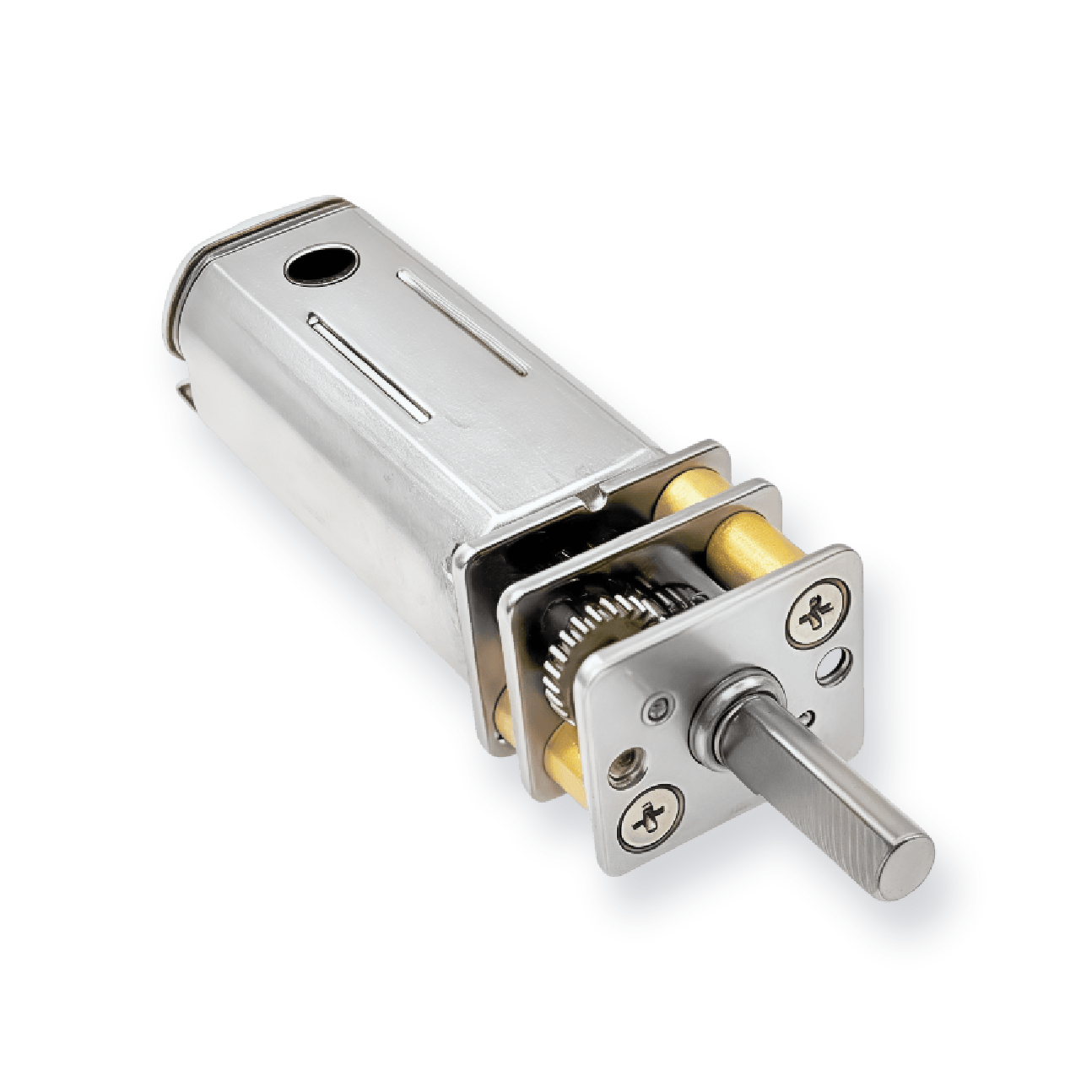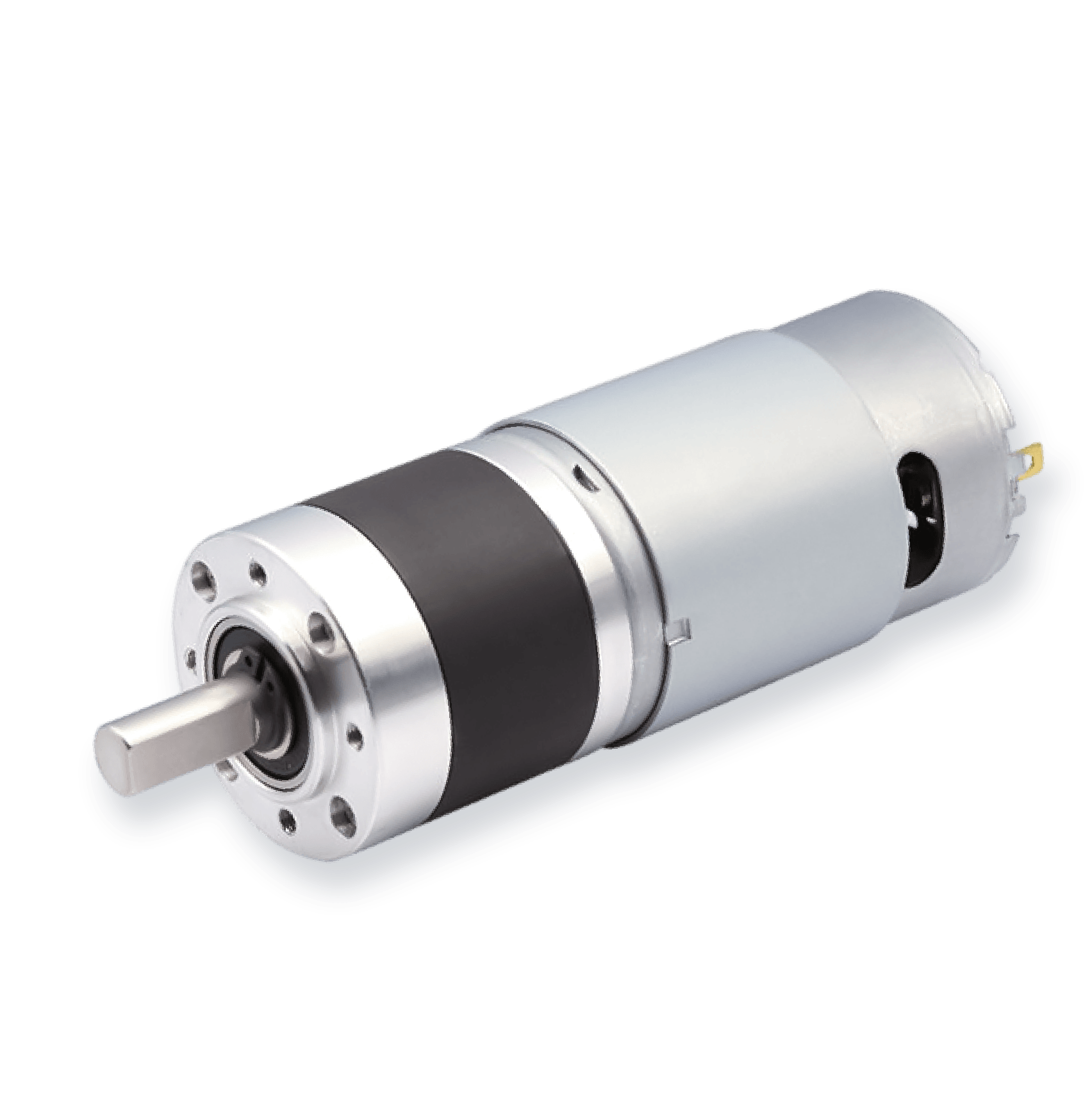
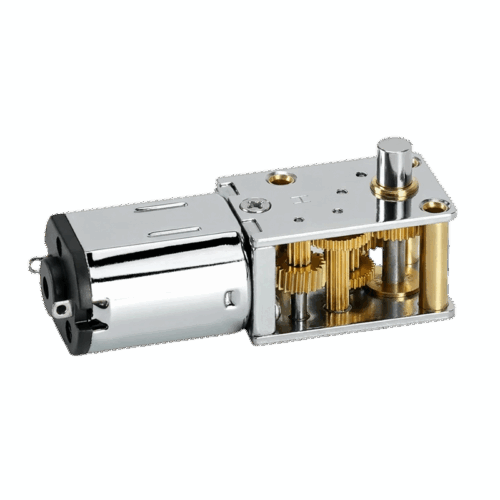
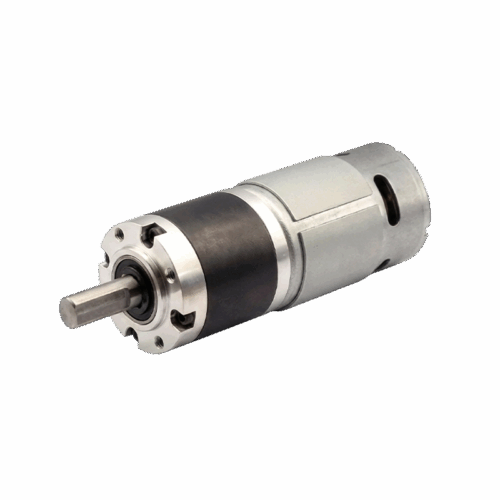
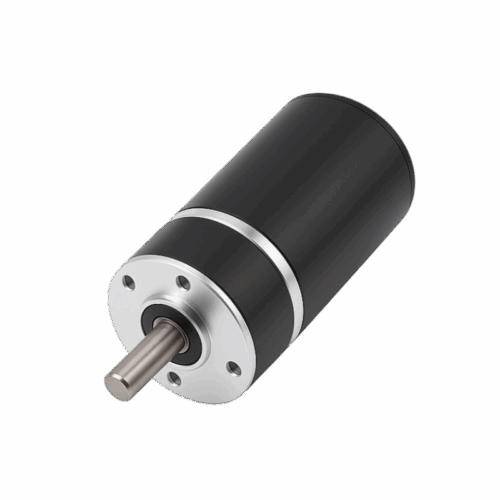
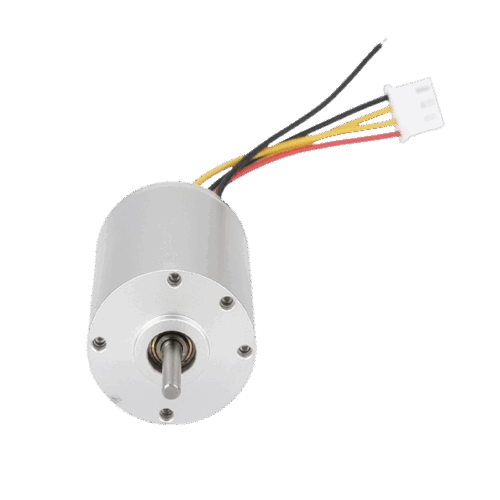
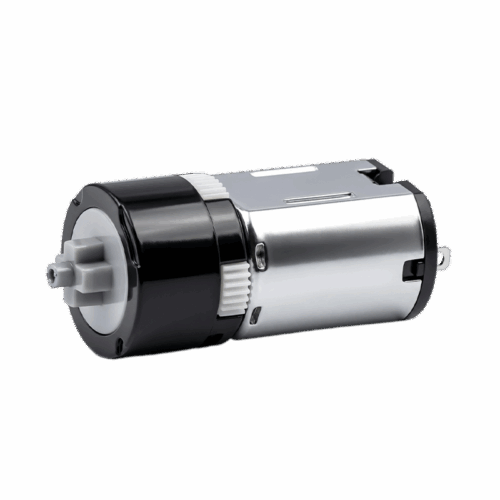
42mm Planetary Gearbox & Reducer

This 42mm planetary gearbox is built for compact drives that need higher torque capacity with stage-based length options, covering ratios from 3.7:1 up to 720:1 with a customizable output shaft for integration.

Get a Quote
  • 42mm Planetary Gearbox & Reducer Featured Image
Specs

Key Features

This 42mm planetary gearbox uses machining/sintering structure options and a clear stage-to-length mapping, so ratio selection stays predictable in both torque and packaging.
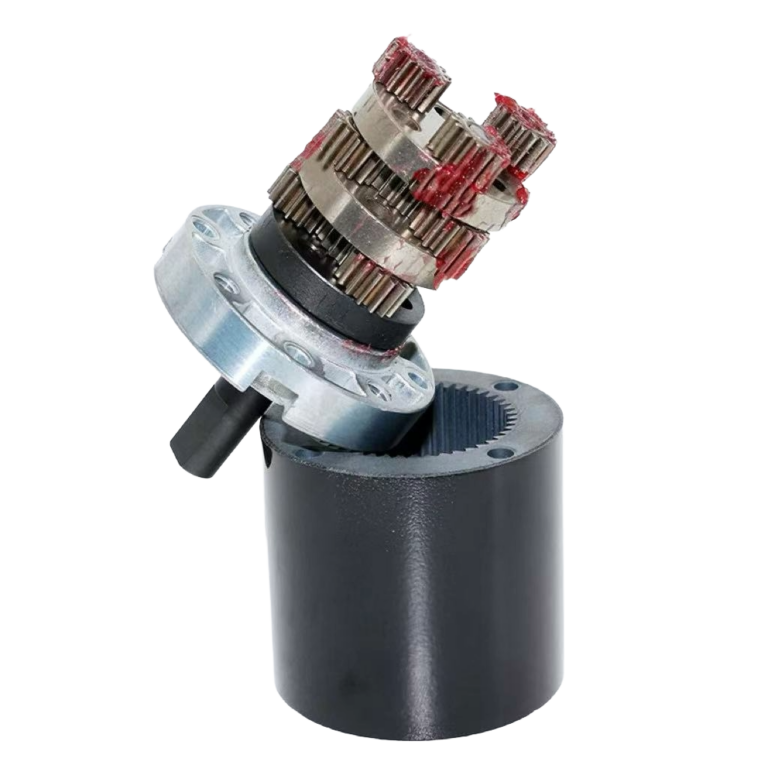
  • 1–4 stage configurations with fixed length steps to control axial envelope
  • Ratio set organized by stage, from 3.7:1 and 5.18:1 up to 720:1
  • 42mm diameter chosen for rigidity and higher torque transmission margin
  • Stage selection keeps the same mounting interface while scaling reduction level
  • Customizable output shaft interface to match couplers, hubs, and load connection
technical Specs

Motors Specifications

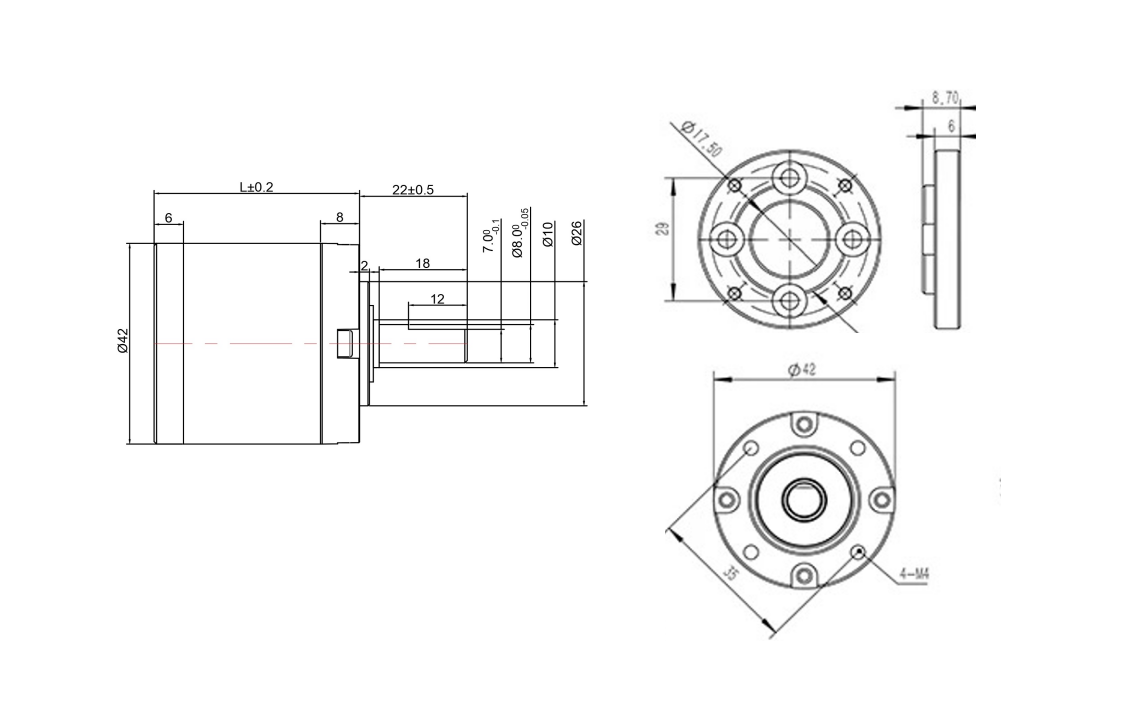
Stages Length (mm) Gear Ratios
1 31.2 3.7:1, 5.18:1
2 42 13.7:1, 19.2:1, 26.8:1
3 53.8 51:1, 71:1, 100:1, 139:1
4 64.1 188:1, 262:1, 368:1, 514:1, 720:1

For additional customization or reference configurations, please feel free to contact us.

Why Choose us

SLW Motor Highlights

  • Stage-first selection keeps packaging predictable

    GP42 is organized by stage and length, not by a long mixed list. If your axial space is capped, you can choose the stage first
    31.2mm for 1-stage, 42.0mm for 2-stage, 53.8mm for 3-stage, 64.1mm for 4-stage.

  • Low ratios for speed retention, mid ratios for balance

    3.7:1 and 5.18:1 are used when you still need output speed and only want moderate torque increase.
    13.7:1, 19.2:1, and 26.8:1 are typical “balance ratios” when you need clear torque gain but don’t want to move into very low-speed output.

  • High ratios for low-speed stability and torque margin

    51:1 to 139:1 targets controlled motion and steadier output behavior.
    188:1 to 720:1 is selected when low-speed output and torque margin dominate the requirement, and length increase to 64.1mm is acceptable.

  • 42mm diameter for higher-load rigidity

    Compared with smaller diameters, 42mm is selected when the gearbox body and mounting interface need higher rigidity, especially in compact structures with heavier load or tighter alignment tolerance.

Custom

Beyond the Standard: Performance Customized

  • 01
    Intelligent Wiring & Lead Arrangement
    Plan lead routing around mounting faces and coupler clearances to ensure wiring never competes with the compact gearbox envelope, maintaining a clean and efficient assembly.
  • 02
    Precision Output Shaft Interface
    Define output shaft ends tailored to your coupler style, reducing adapter stacking and enhancing anti-slip performance—especially critical in high-ratio setups reaching up to 720:1.
  • 03
    Optimized Installation Orientation
    Share your mounting and load directions so stage selection aligns with real axial and radial loads, not just target gear ratios, ensuring stable, reliable operation.
  • 04
    Control System Alignment
    Higher gear ratios amplify torque and reduce speed; align acceleration and braking profiles in your controller to minimize unnecessary peak torque events and protect your system.
  • 05
    Application-Driven Adaptation
    Provide duty cycle, load inertia, and target output speed so stage choice matches real working conditions, avoiding default selection of the highest ratio and maximizing performance.
  • Intelligent Wiring & Lead Arrangement
  • Precision Output Shaft Interface
  • Optimized Installation Orientation
  • Control System Alignment
  • Application-Driven Adaptation

Custom Now

FAQ

Frequently Asked Questions

Higher stage counts are typically selected to reach higher ratios while keeping the same 42mm diameter and a predictable length step for packaging.

If I can fit 31.2mm, should I always choose 3.7:1 or 5.18:1 first?
Yes when speed retention is important and you only need a modest torque increase. If you already know the load needs a clear torque step-up, moving to 2-stage ratios is usually more direct.
How do I choose between 13.7:1, 19.2:1, and 26.8:1 in the 42.0mm length?
13.7:1 keeps more output speed, 19.2:1 is a middle balance, and 26.8:1 is selected when torque margin matters more than speed within the same length.
When would I pick 100:1 instead of 139:1 at 53.8mm?
Choose 100:1 when you need controlled motion but still want slightly higher output speed. Choose 139:1 when you want more torque margin and steadier low-speed behavior.
How do I decide among 368:1, 514:1, and 720:1 at 64.1mm?
368:1 is often the “high reduction but still practical speed” option. 514:1 moves further toward low-speed control. 720:1 is typically selected when low-speed output and torque margin are the primary goal and the system can accept reduced output speed.
Why does GP42 present ratios by stage instead of a single long ratio list?
Because the stage count directly determines gearbox length. This mapping makes it easier to control the axial envelope while selecting a ratio class.
Get Started

Accelerate Your Project with Precision Motors