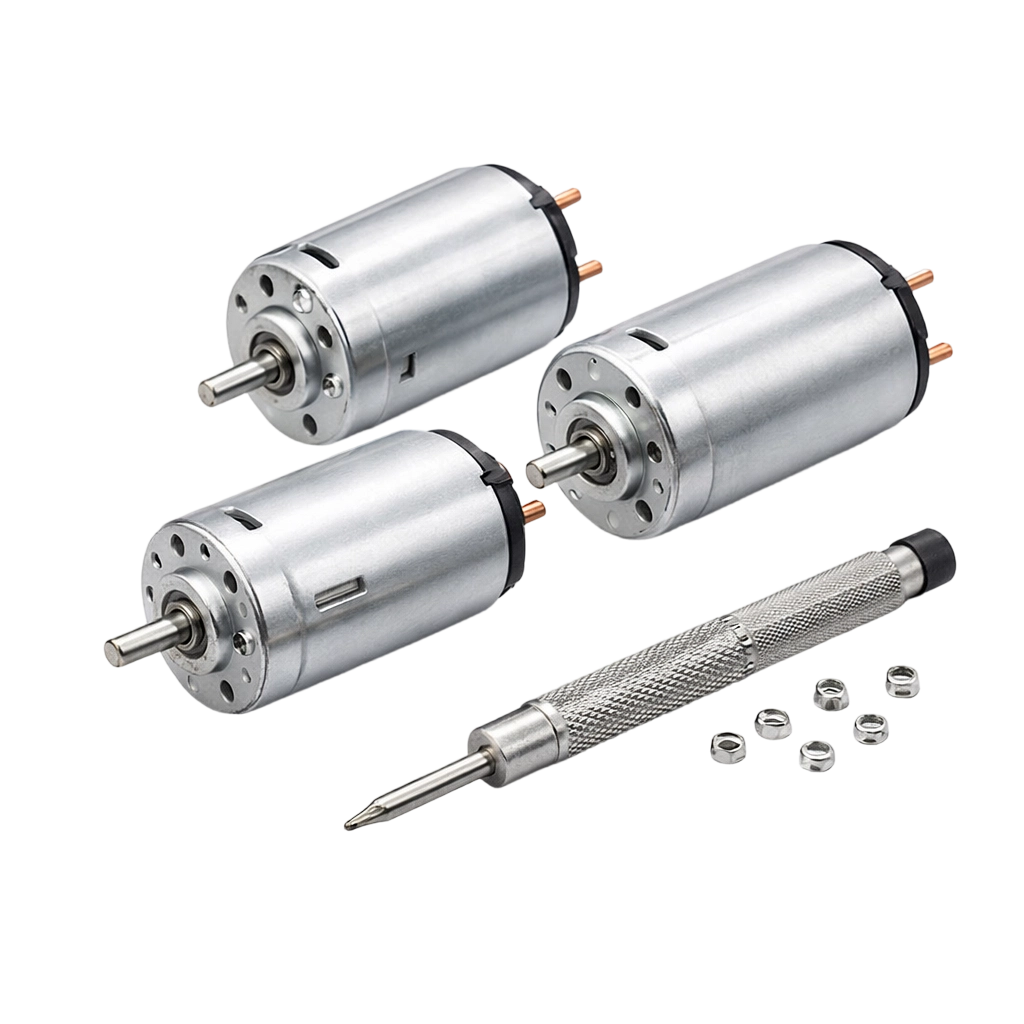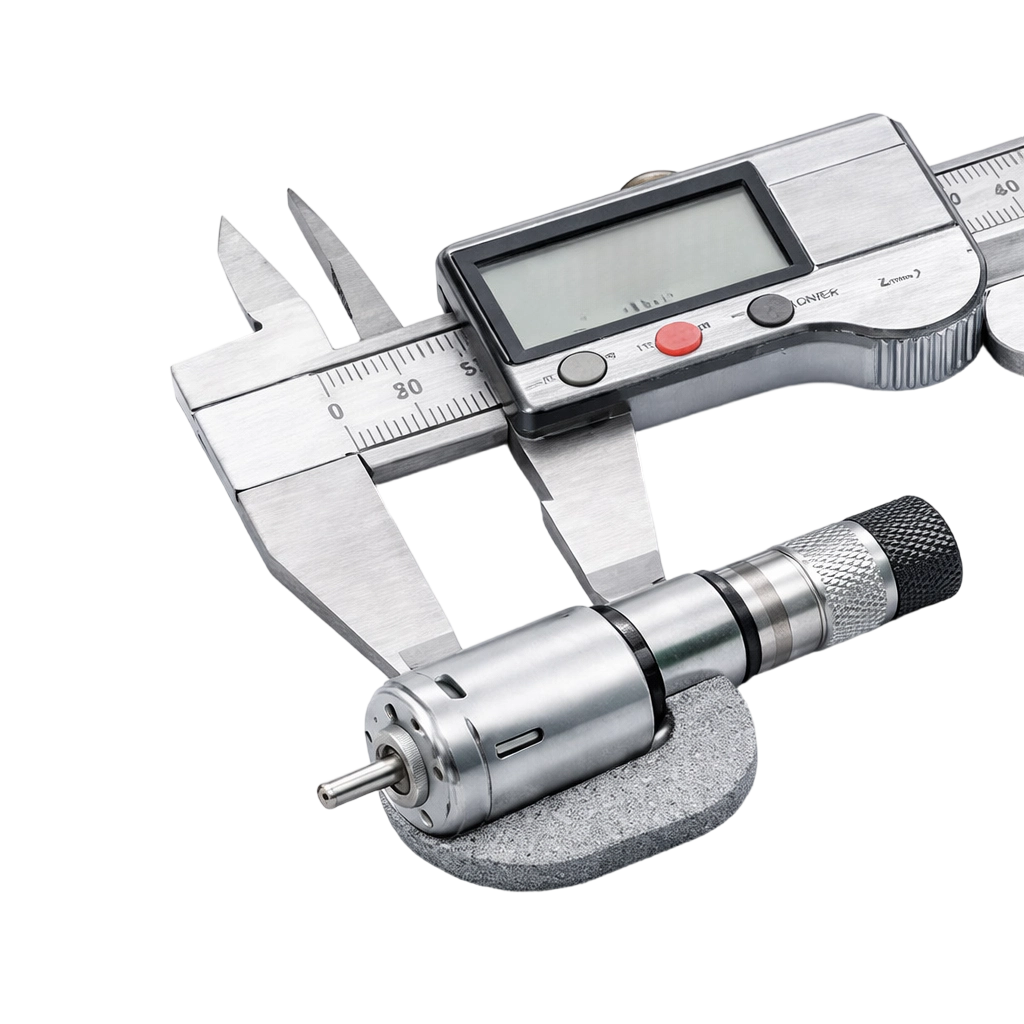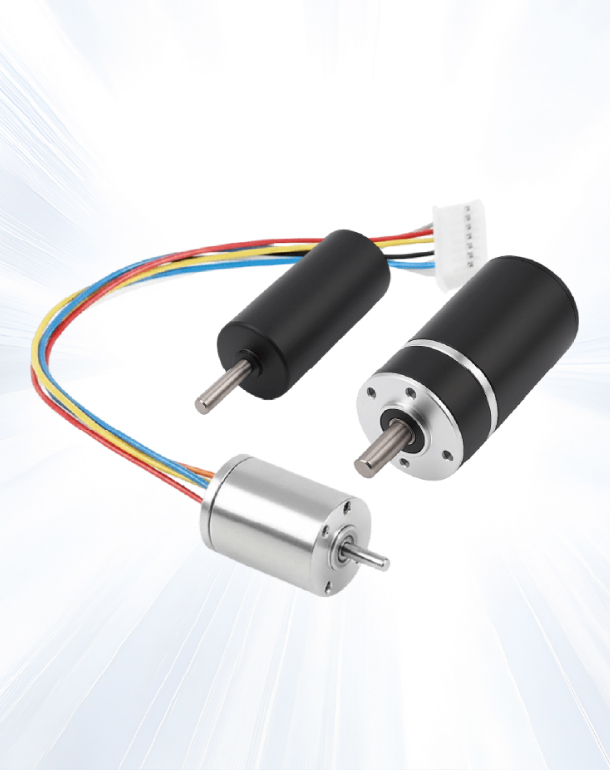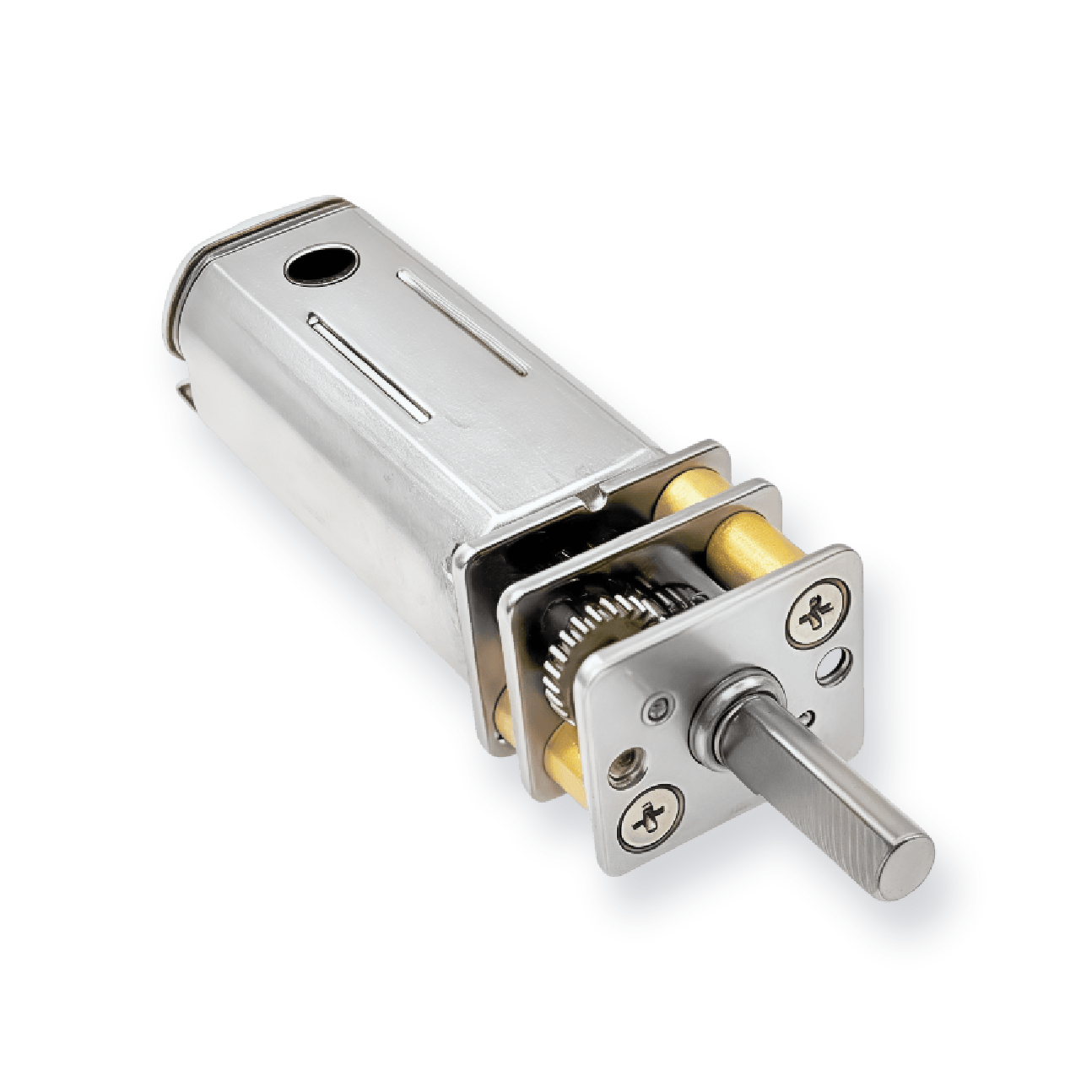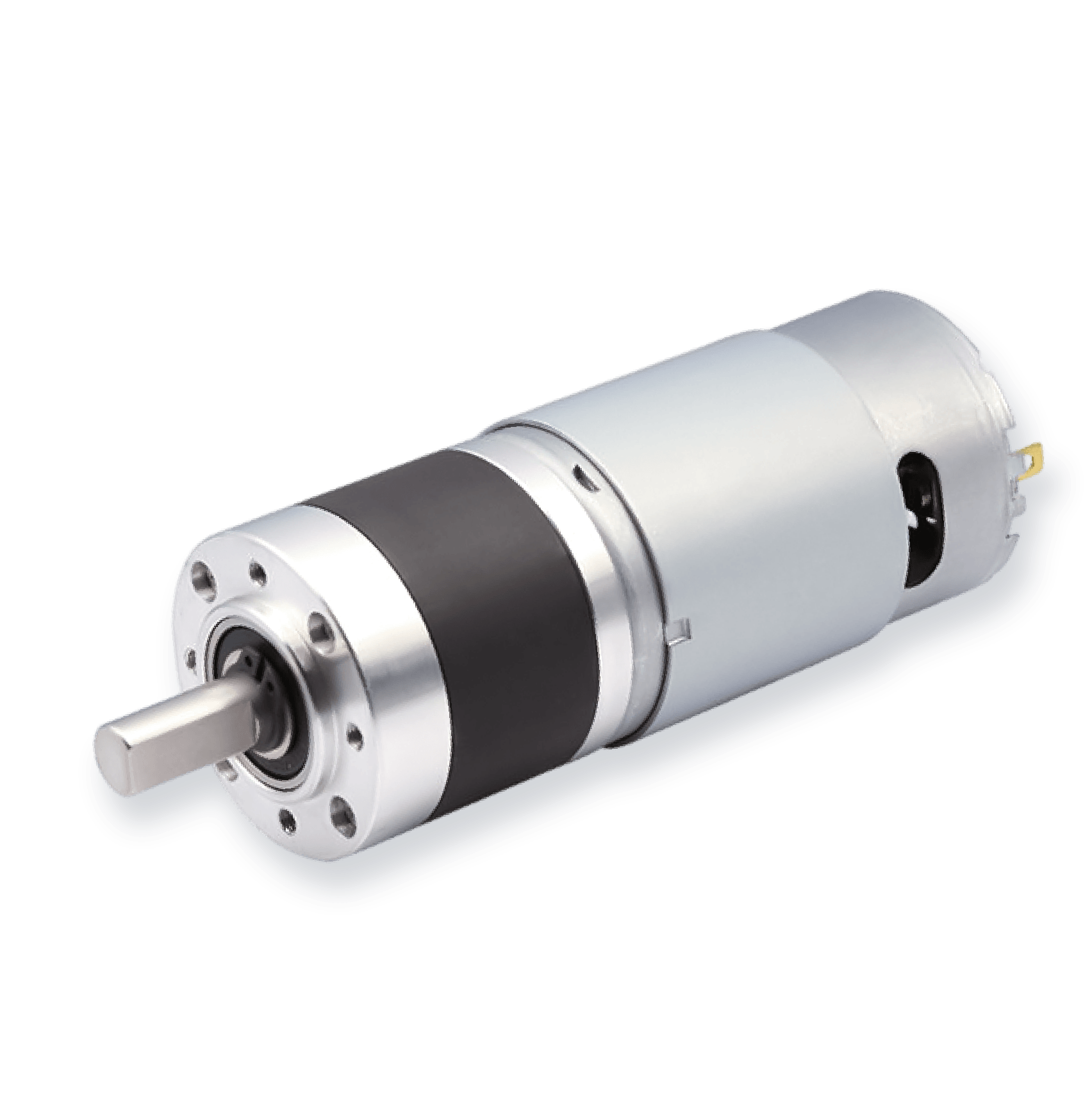
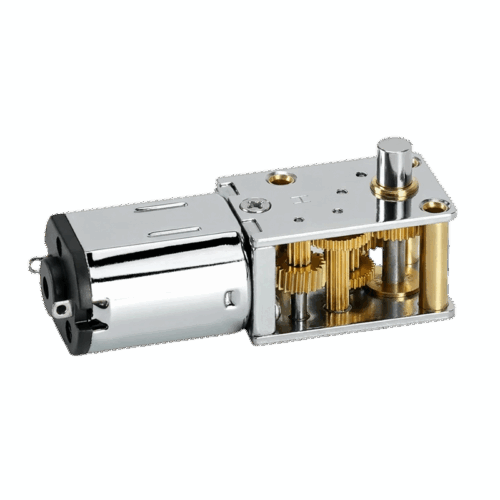
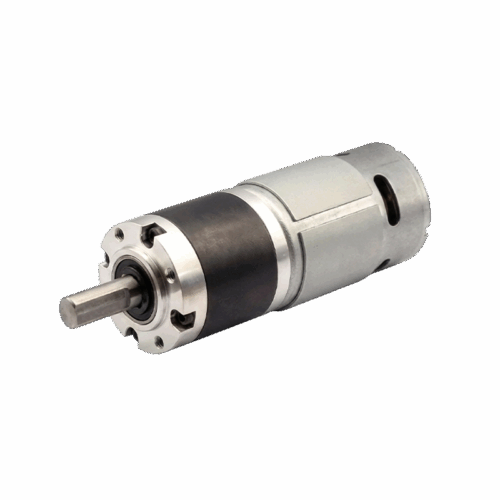
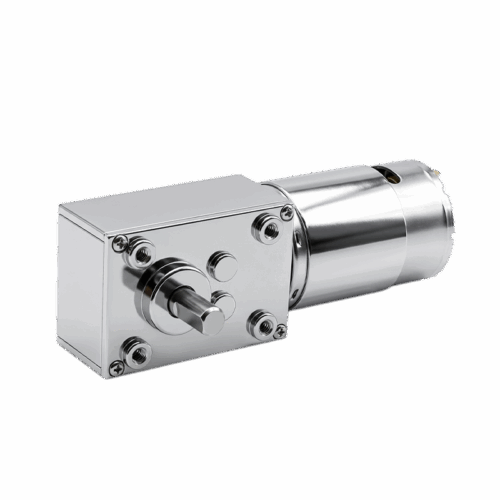
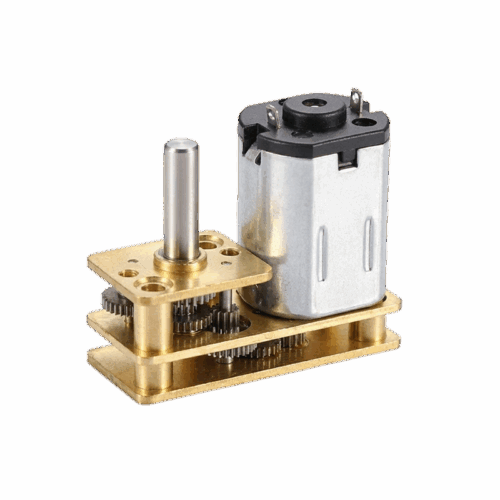
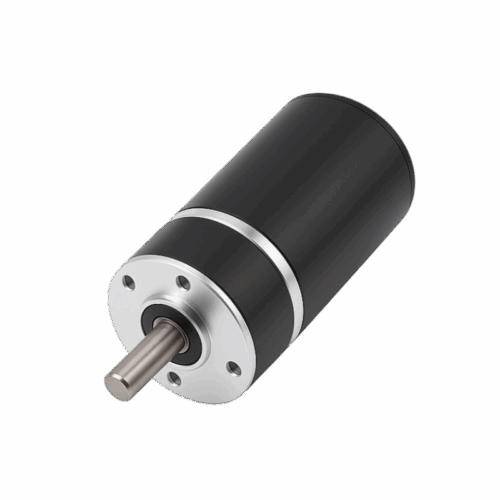
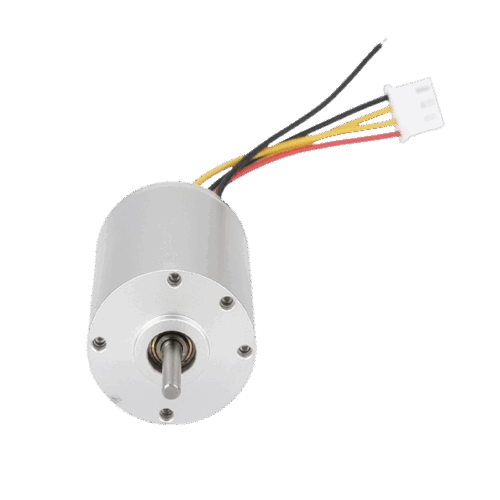
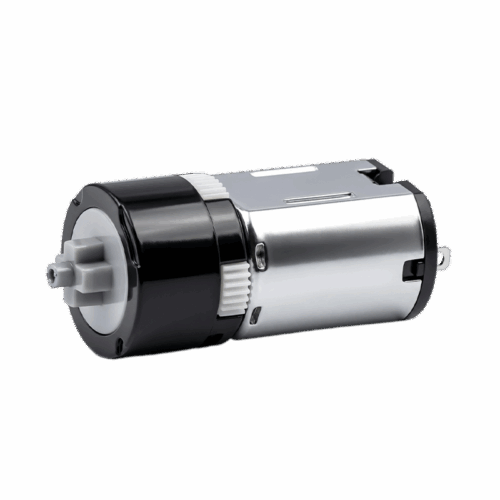
28mm Diameter 395 Brushed DC Motor

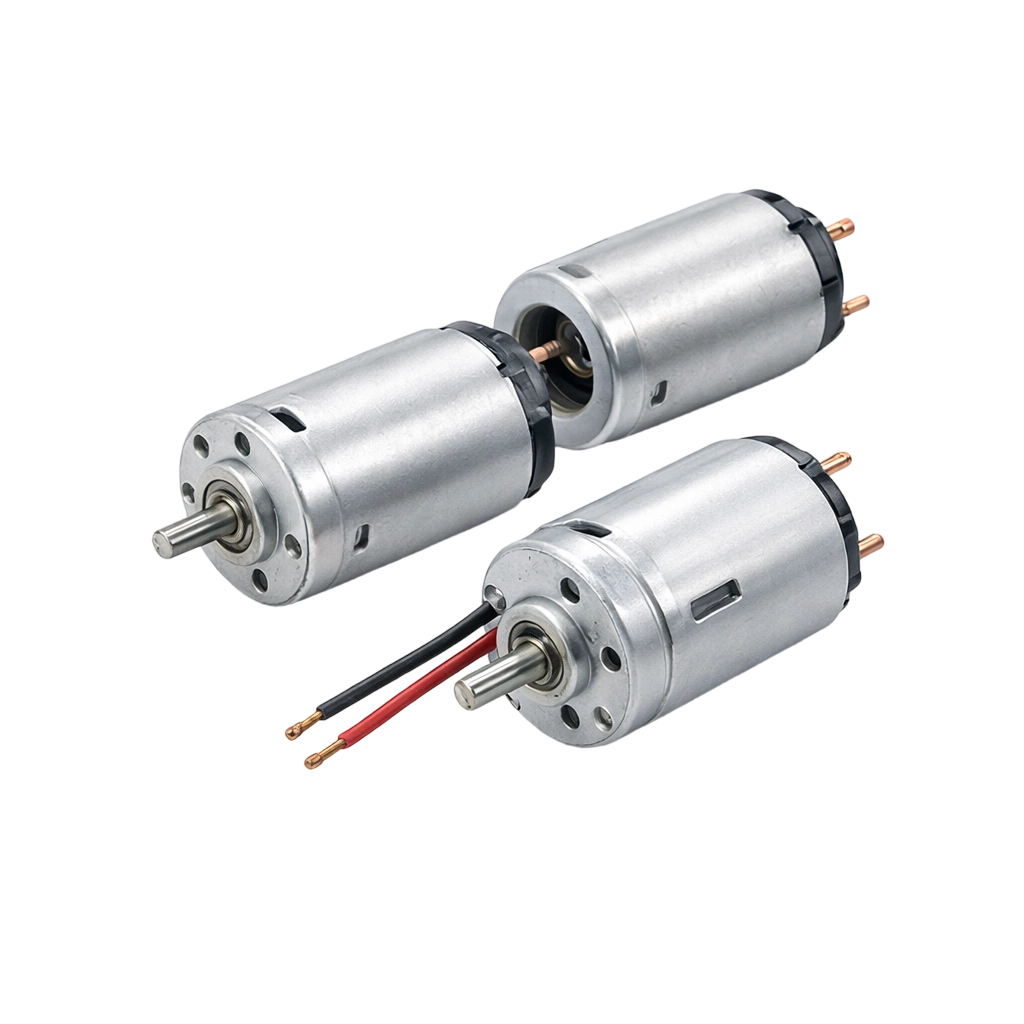
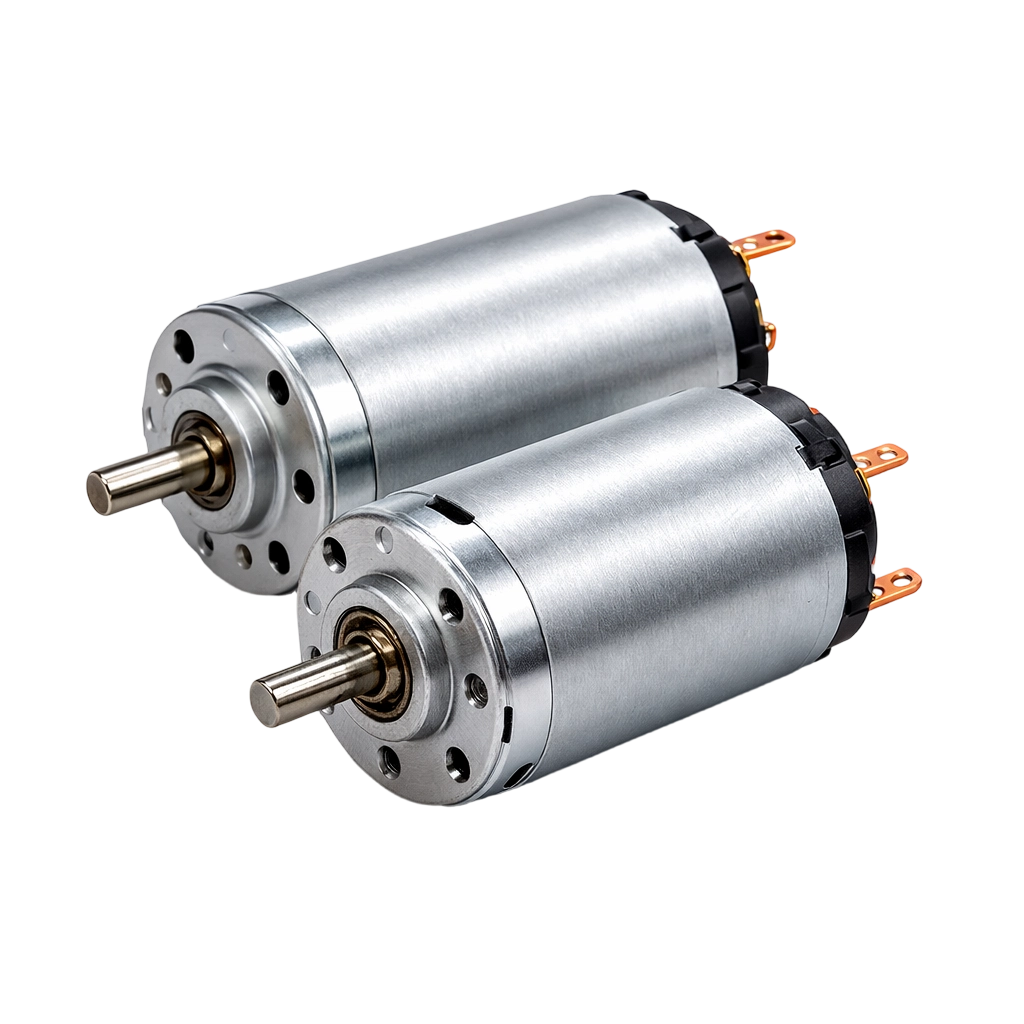
This 395 brushed DC motor targets compact high-load drives where you need strong burst torque and stable mid-speed output in a longer 27.7×46.5mm envelope across 3V–24V systems.

Get a Quote
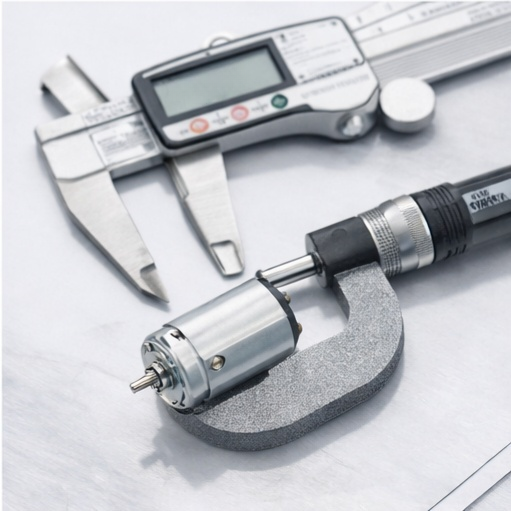
  • 28mm Diameter 395 Brushed DC Motor Featured Image
Specs

Key Features

This model emphasizes higher torque capability in a compact diameter, suitable for mechanisms that demand stronger push force, higher inertia starts, or heavier friction loads than shorter can motors.
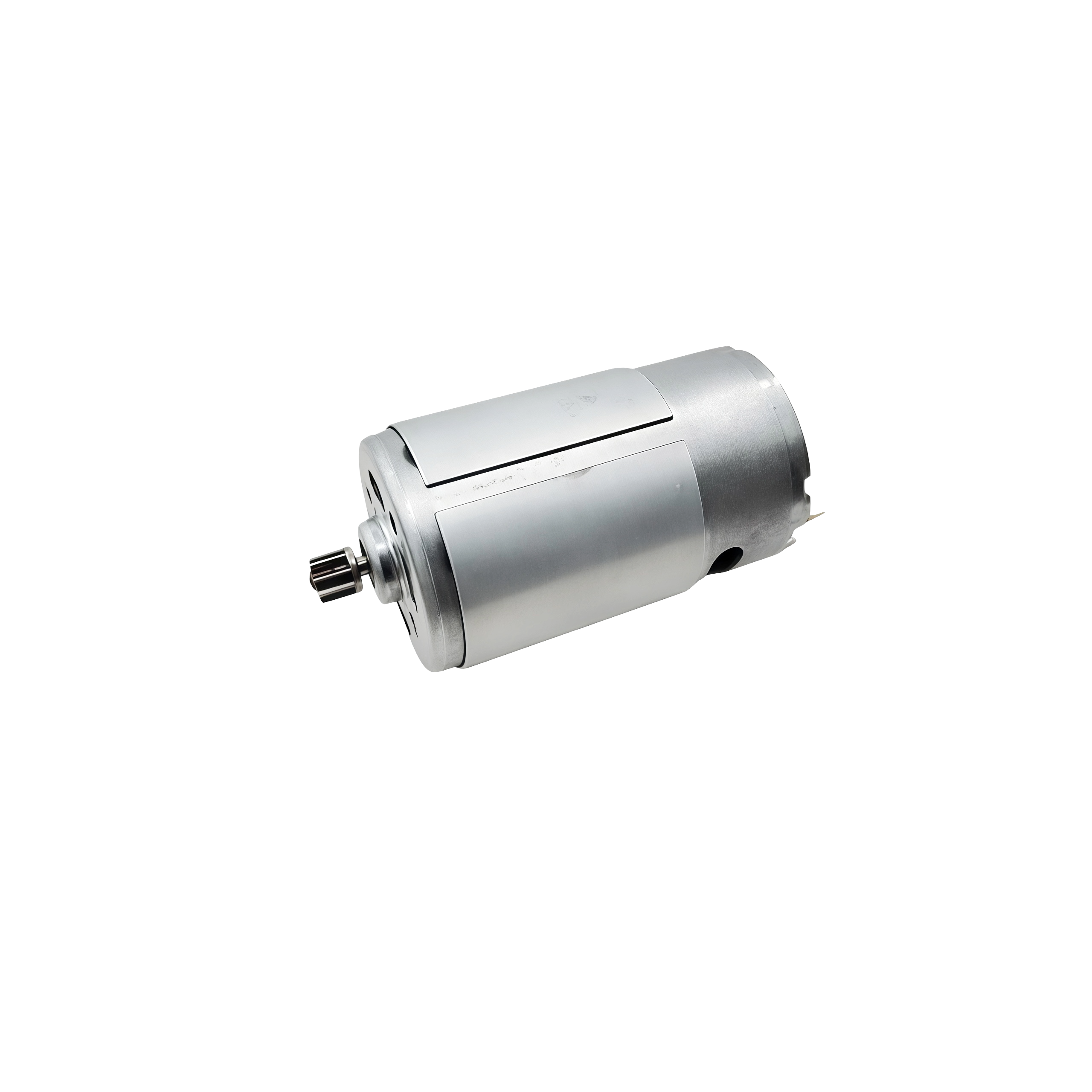
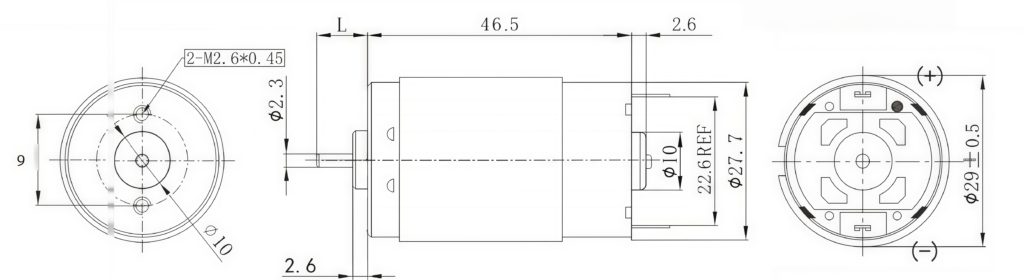
  • 395 motor format supports higher torque output with a longer body for stronger electromagnetic and thermal margin
  • 12V and 24V configurations give two clear performance tiers for different system architectures
  • Max-efficiency torque values support continuous load sizing where stability matters
  • Max-output torque values provide a reference for short burst push, acceleration, or overcoming startup friction
  • Stall torque defines overload boundary conditions for protection strategy and fault handling
technical Specs

Motors Specifications

Model No Load Max Efficiency Max Output Stall
Voltage (V) Current (A) Speed (rpm) Current (A) Speed (rpm) Torque (g.cm) Current (A) Speed (rpm) Torque (g.cm) Current (A) Torque (g.cm)
SLW-R395-24100 12   0.137 9426 0.825 8082 84.6    2.551 4713 296.6 4.965 593.3
SLW-R395-18120 24  0.06  6296  0.407     5483 123.9 1.402 3148 479.5 2.744 959

For additional customization or reference configurations, please feel free to contact us.

Why Choose us

SLW Motor Highlights

  • Longer Body for Higher Torque and Better Heat Handling

    The 46.5mm length supports stronger output potential and better thermal margin than shorter motors of similar diameter, helpful for heavier loads and longer run times.
  • Two Voltage Tiers With Distinct Load Behavior

    The 12V and 24V versions provide different speed and torque characteristics, supporting system-level design choices without changing motor class.
  • Continuous Sizing From Efficiency Torque

    Max-efficiency torque is the more realistic reference for continuous load sizing, helping you avoid operating too close to stall during normal use.
  • Burst Capability and Fault Boundary From Output and Stall

    Max-output torque supports short push events, while stall torque defines the upper boundary for jams, hard starts, and protection settings.

Custom

Beyond the Standard: Performance Customized

  • 01
    Inertia Start and Friction Peak Mapping
    We map your startup inertia and friction peaks to the torque curve references so the motor can start reliably without repeated near-stall events.
  • 02
    Continuous Torque Targeting Around Efficiency Point
    We align your continuous load to the max-efficiency torque region to reduce heating and improve stability during long cycles.
  • 03
    Burst Push Strategy for Short High-Resistance Events
    For brief high-resistance events, we use the max-output point to plan how long the motor can push without exceeding thermal or driver limits.
  • 04
    Driver Rating and Protection Threshold Planning
    We plan current limits and protection behavior using the stall boundary so jams and hard starts do not damage the driver or wiring.
  • 05
    Voltage Tier Selection for System Architecture
    We choose between the 12V and 24V variants based on your supply rail, wiring losses, and the speed/torque balance your mechanism needs.
  • Inertia Start and Friction Peak Mapping
  • Continuous Torque Targeting Around Efficiency Point
  • Burst Push Strategy for Short High-Resistance Events
  • Driver Rating and Protection Threshold Planning
  • Voltage Tier Selection for System Architecture

Custom Now

Related

Explore Our Motor

View All Products

FAQ

Frequently Asked Questions

If you share your available space and the driven load type, we can help narrow the most suitable configuration quickly.

When should I choose a 395 motor instead of a 370 motor?
Choose 395 when your load is heavier, the mechanism has higher inertia, or you need stronger burst torque and better thermal margin in a compact diameter.
What should I use for continuous operation sizing?
Use the max-efficiency torque as your continuous sizing reference, then verify speed and current match your duty profile.
When is max output torque useful?
Use it for short bursts such as overcoming startup friction, brief pressure spikes, or quick acceleration events.
Why is stall torque listed?
Stall torque defines the overload boundary for jam conditions and helps set current limits and protection thresholds.
What do you need to confirm the right model quickly?
Share your voltage, load type, target speed, duty cycle, and whether hard starts or jams can happen.
Get Started

Accelerate Your Project with Precision Motors