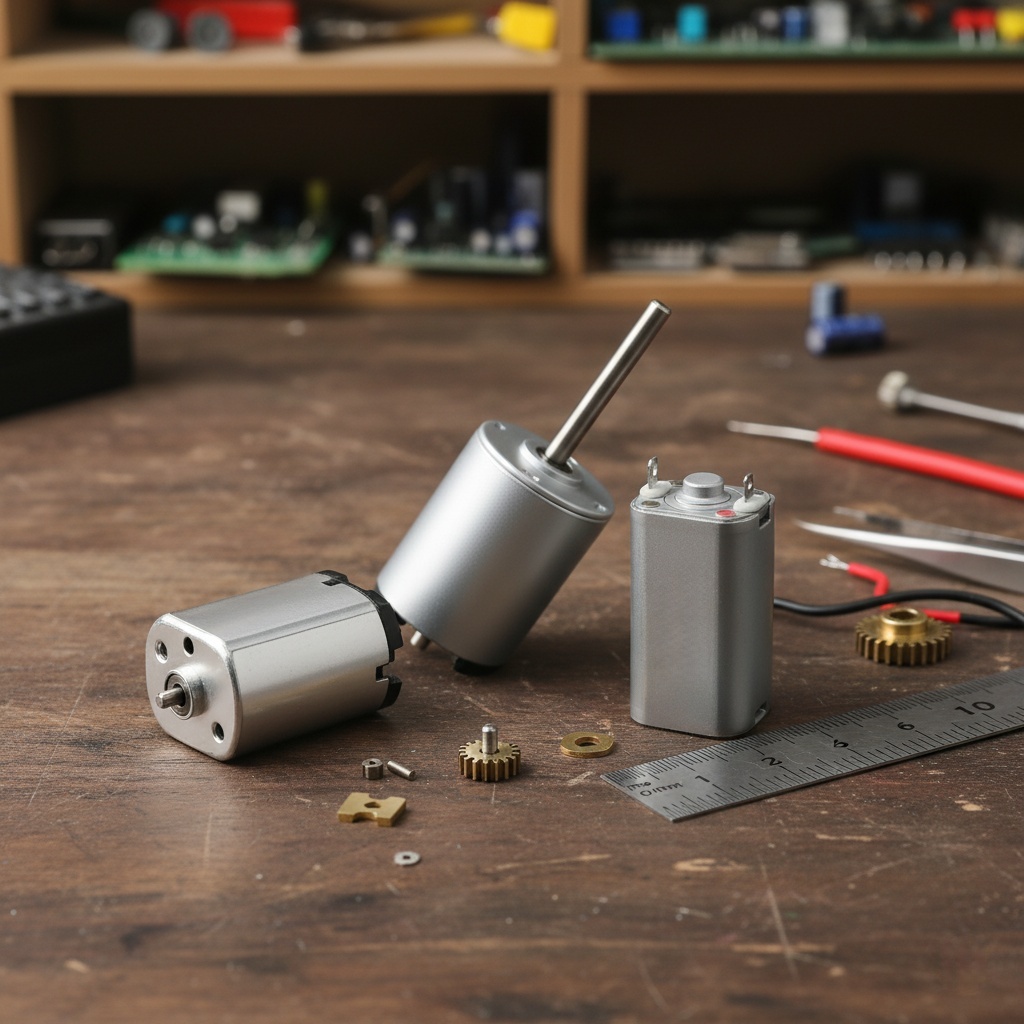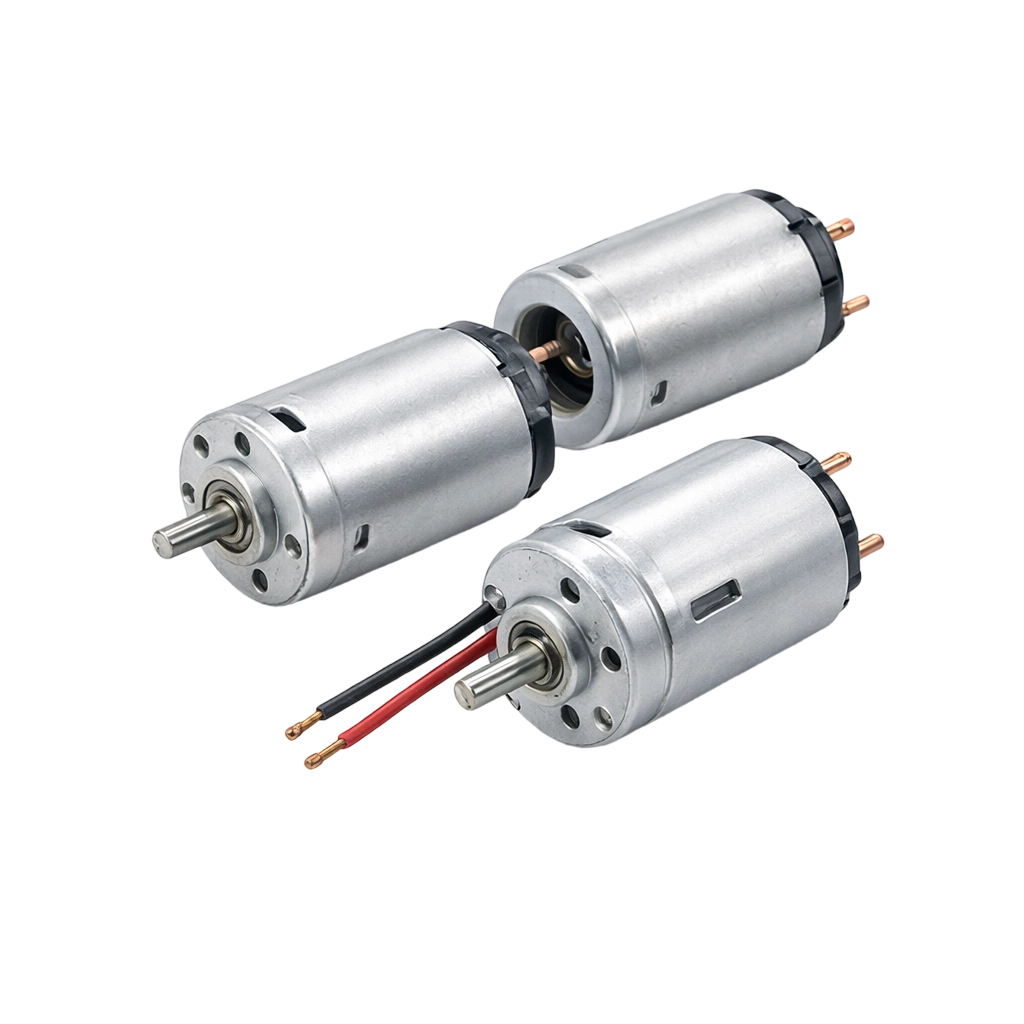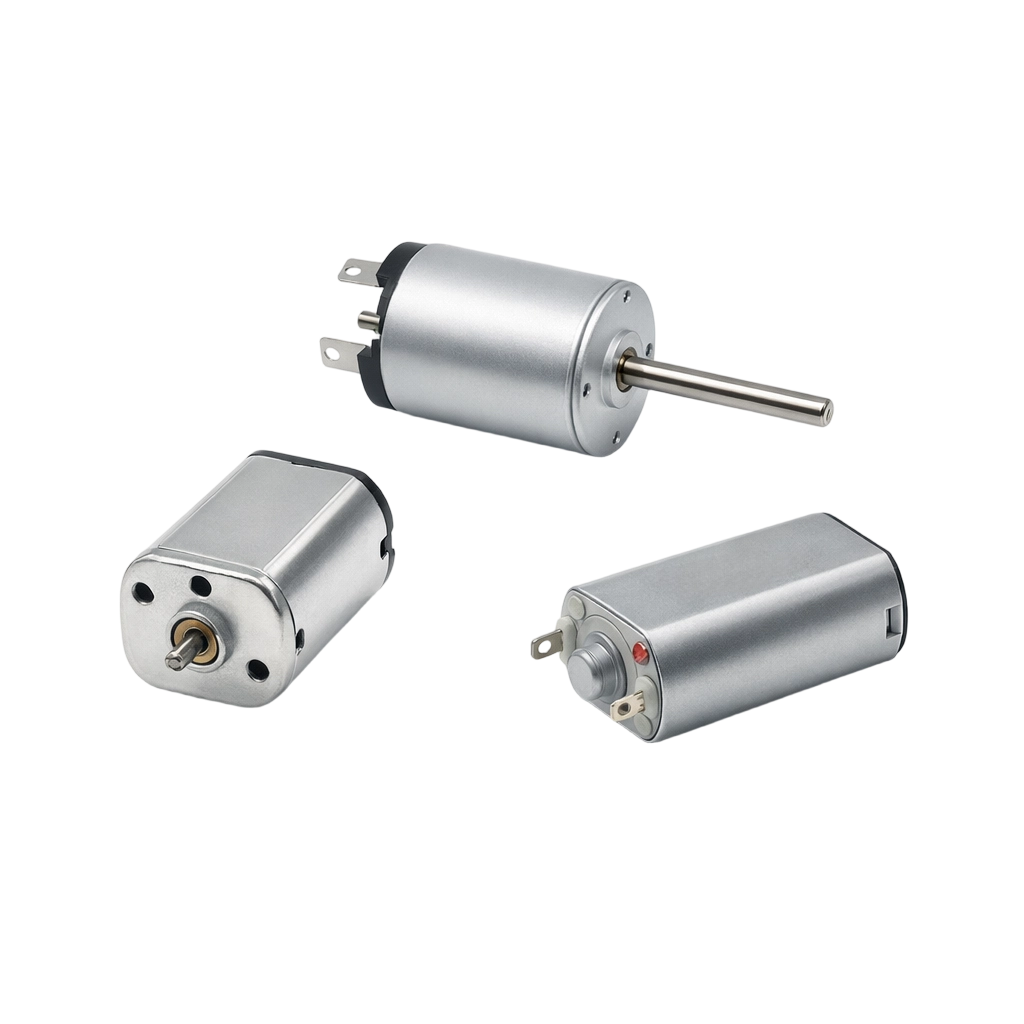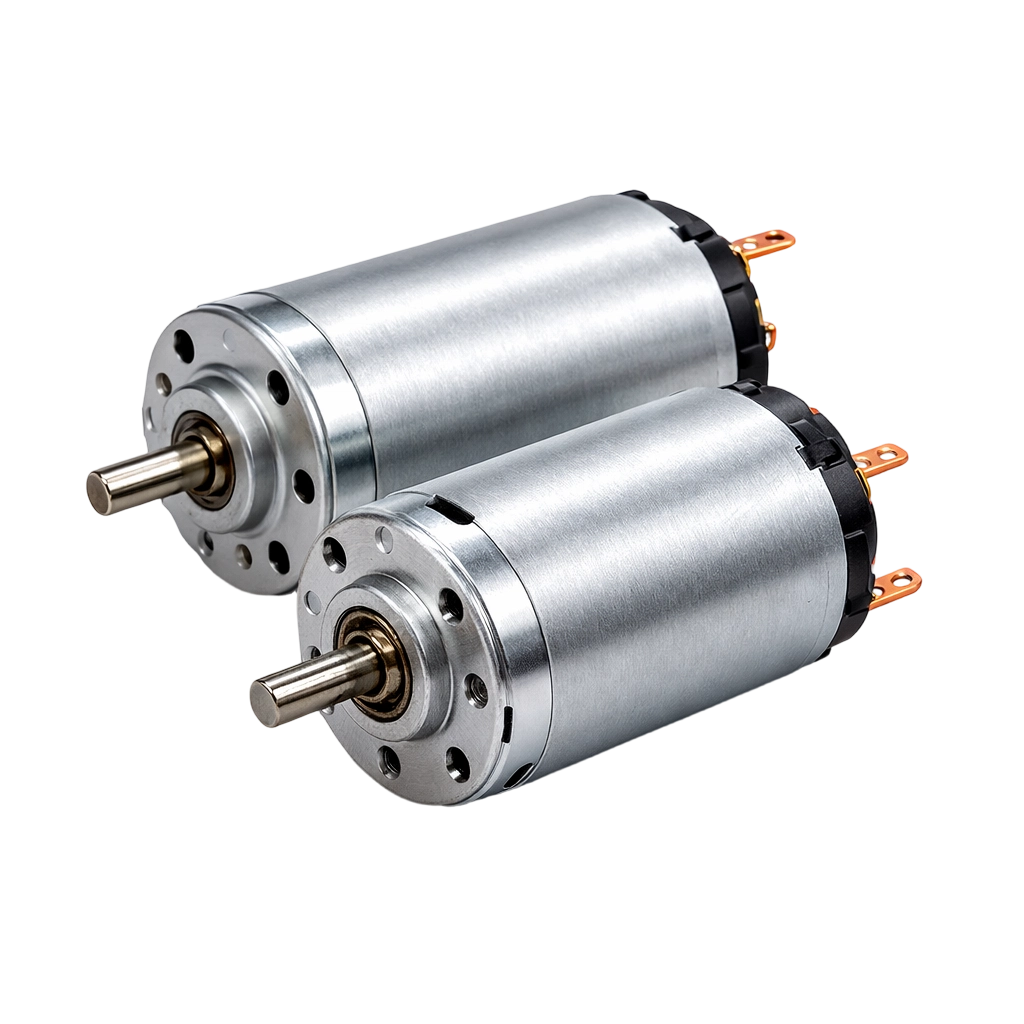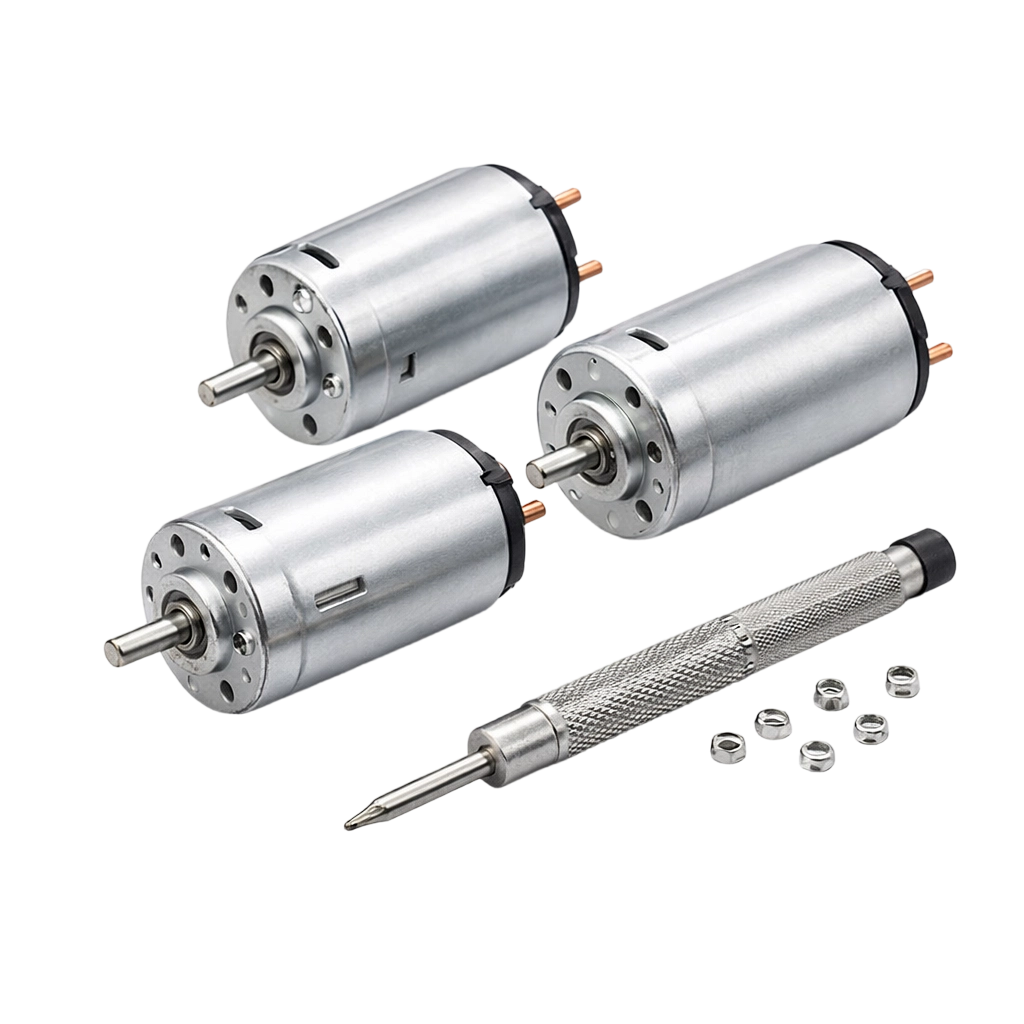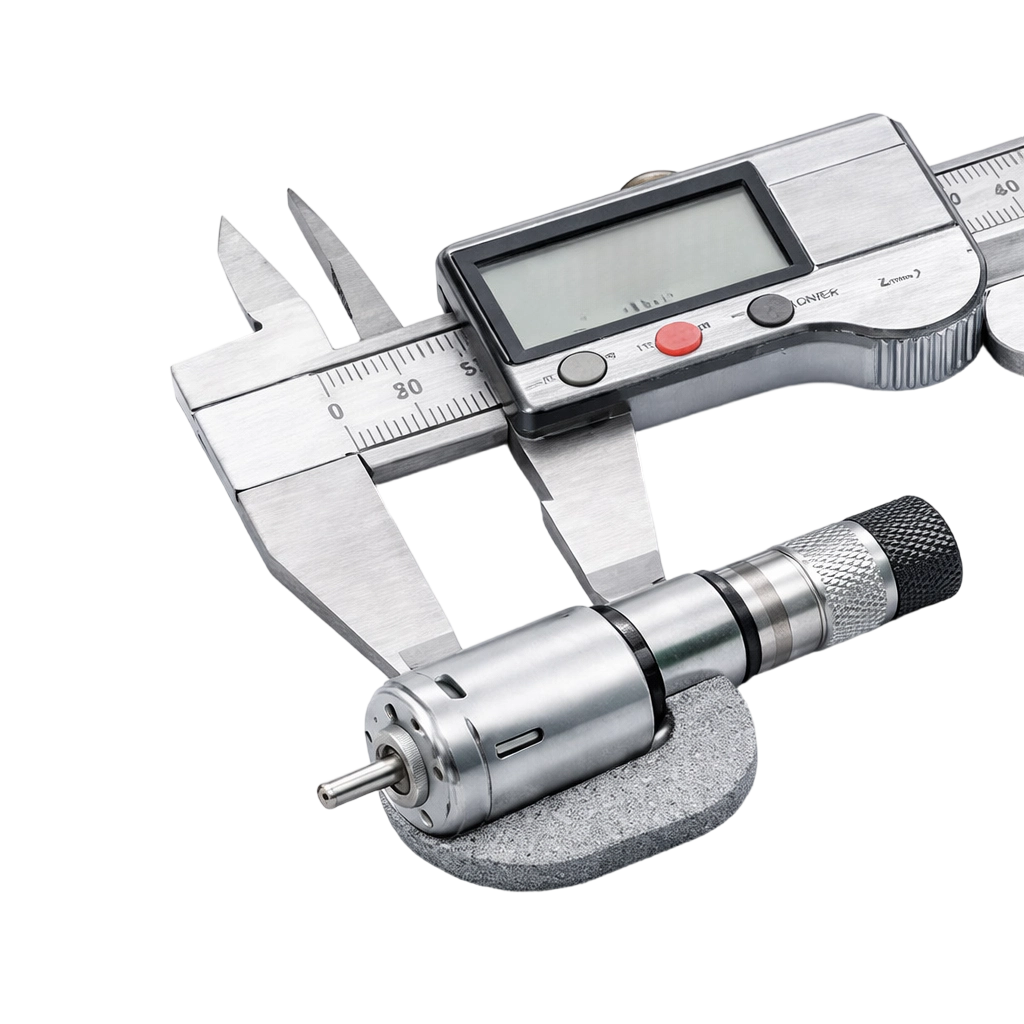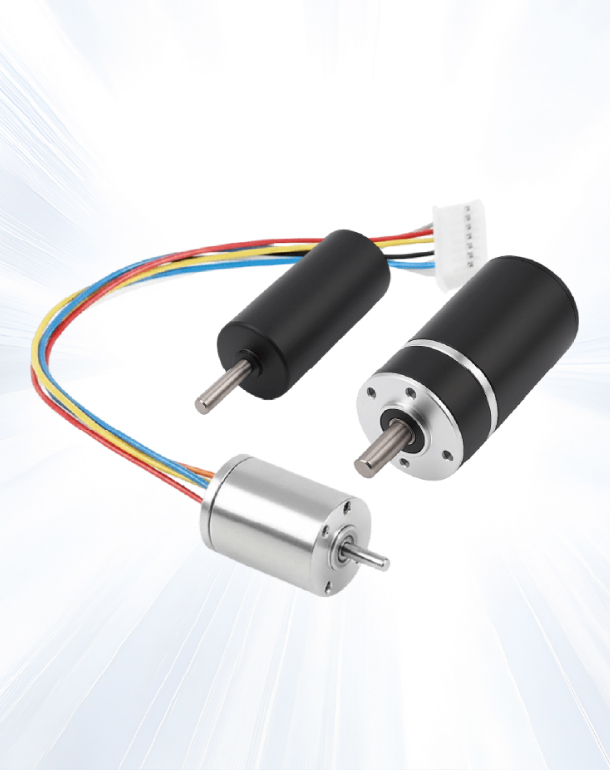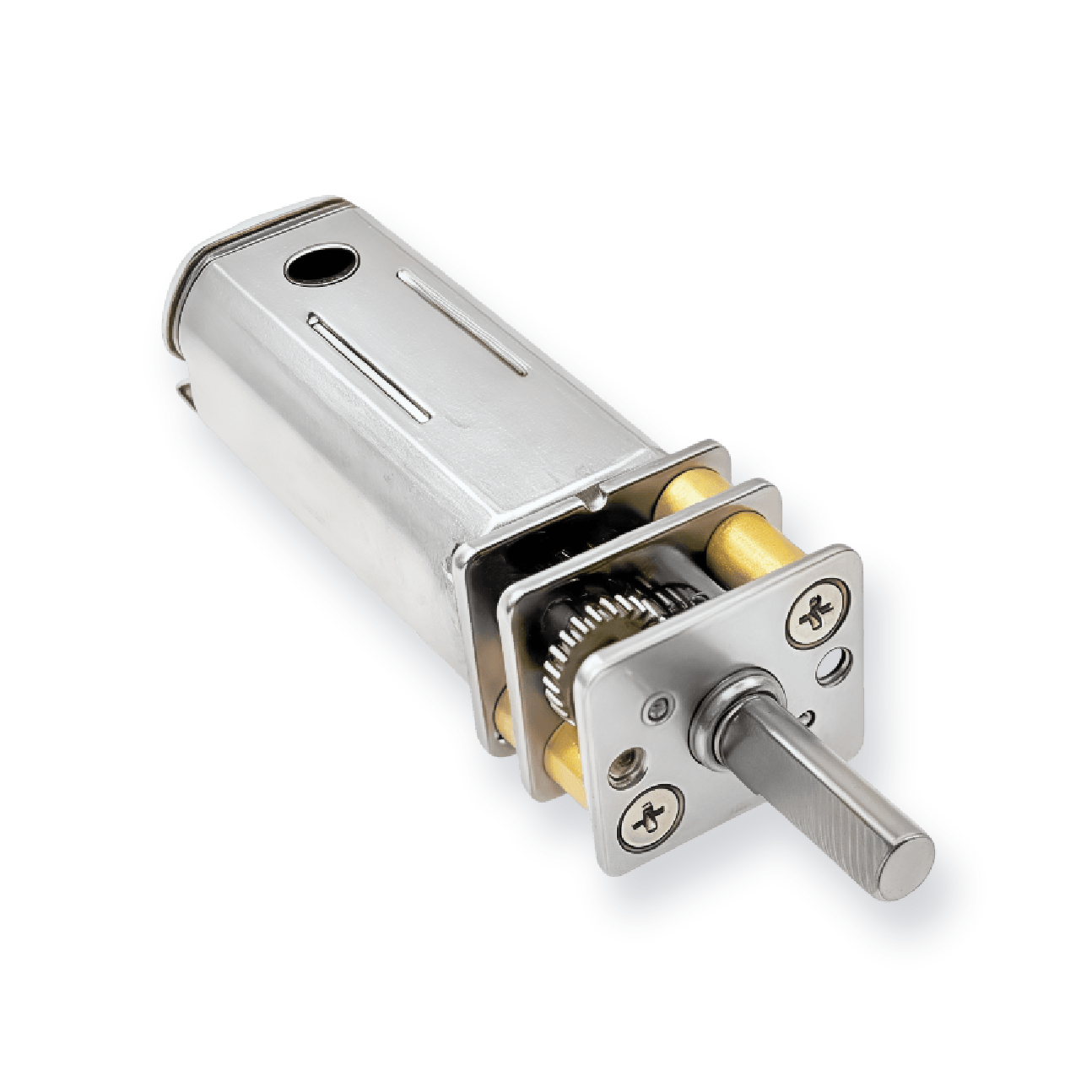
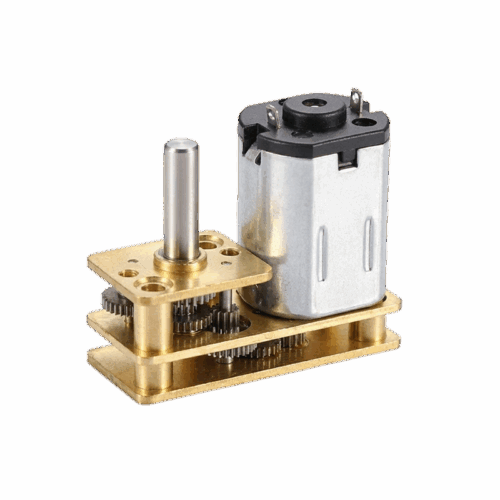
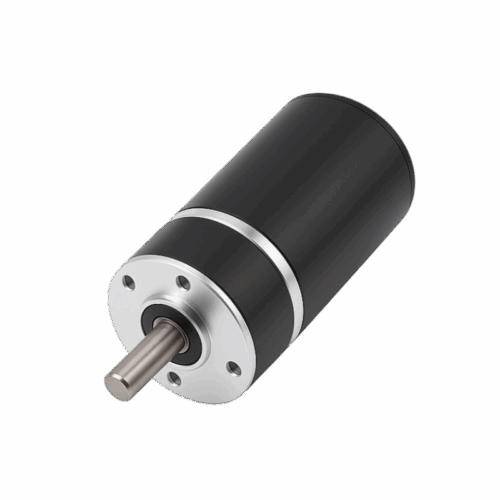
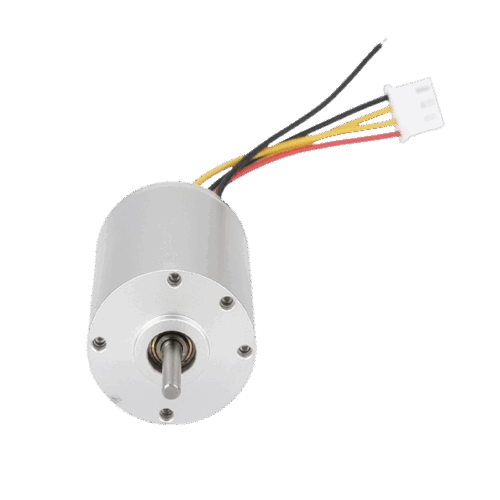
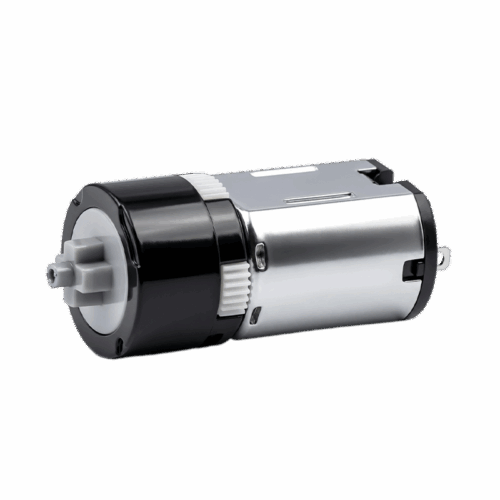
20mm Diameter 180 Micro Brushed DC Motor

This 180 micro brushed DC motor delivers a larger torque envelope than 030/N20 classes, designed for compact drives that need stronger push capability and stable output under load.

Get a Quote
  • 20mm Diameter 180 Micro Brushed DC Motor Featured Image
Specs

Key Features

This model is positioned as a higher-torque micro brushed motor, suitable when smaller formats cannot provide enough force margin and you need clear efficiency and output reference points.
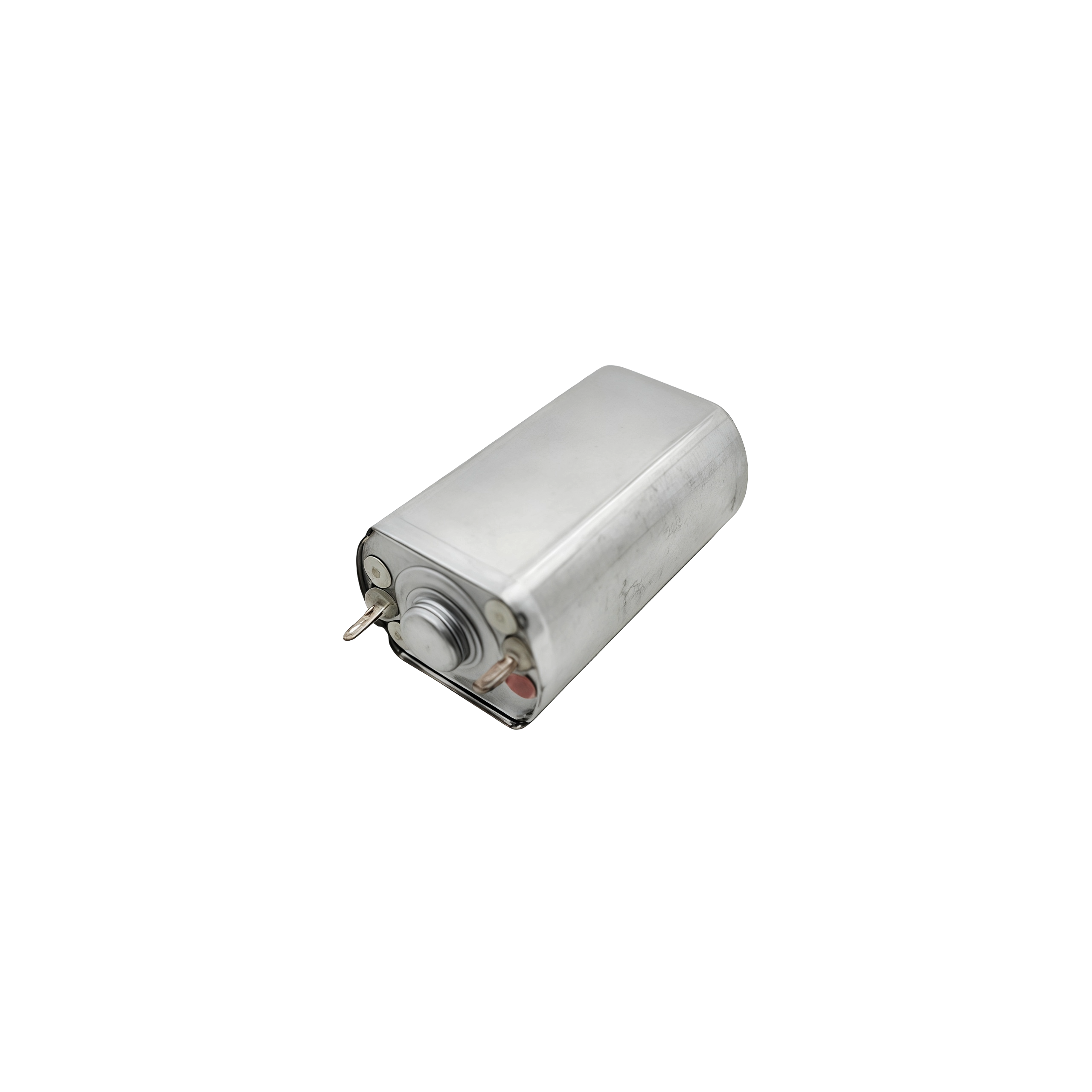
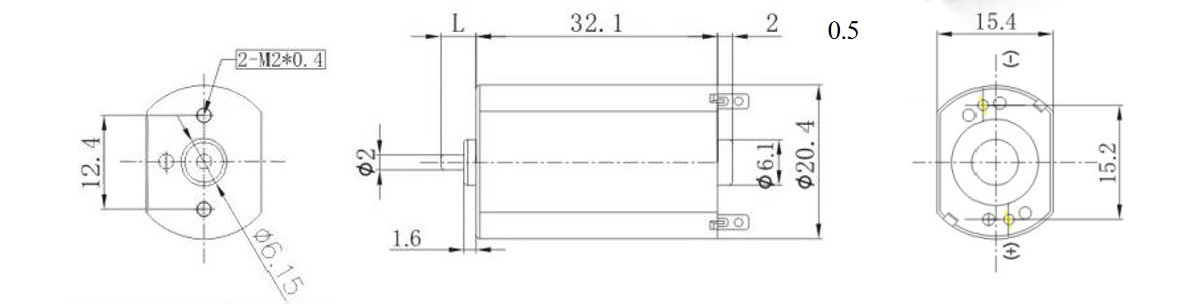
  • 180 motor format supports higher torque output for compact actuators and small drivetrains
  • Two model variants provide distinct performance tiers for different voltage and output demands
  • Max-efficiency and max-output points help you choose between continuous running and burst push behavior
  • Stall current and stall torque define overload boundaries for driver protection planning
  • Larger body envelope supports stronger mechanical output while remaining compact for integrated products
technical Specs

Motors Specifications

Model Voltage (V) No Load Max Efficiency Max Output Stall
Current (A) Speed (rpm) Current (A) Speed (rpm) Torque (g.cm) Current (A) Speed (rpm) Torque (g.cm) Current (A) Torque (g.cm)
SLW-FF180-17140 6 0.074 7074 0.358 5869 22.5 0.909 3537 65.9 1.744 131.8
SLW-FF180-11310 24 0.047 11562 0.252 9759 36.7 0.706 5781 117.8 1.365 235.6

For additional customization or reference configurations, please feel free to contact us.

Why Choose us

SLW Motor Highlights

  • Stronger Push Margin Than Smaller Micro Motors

    Compared with N20/030 classes, the 180 format is positioned for higher torque demand where friction, load mass, or intermittent resistance is higher.
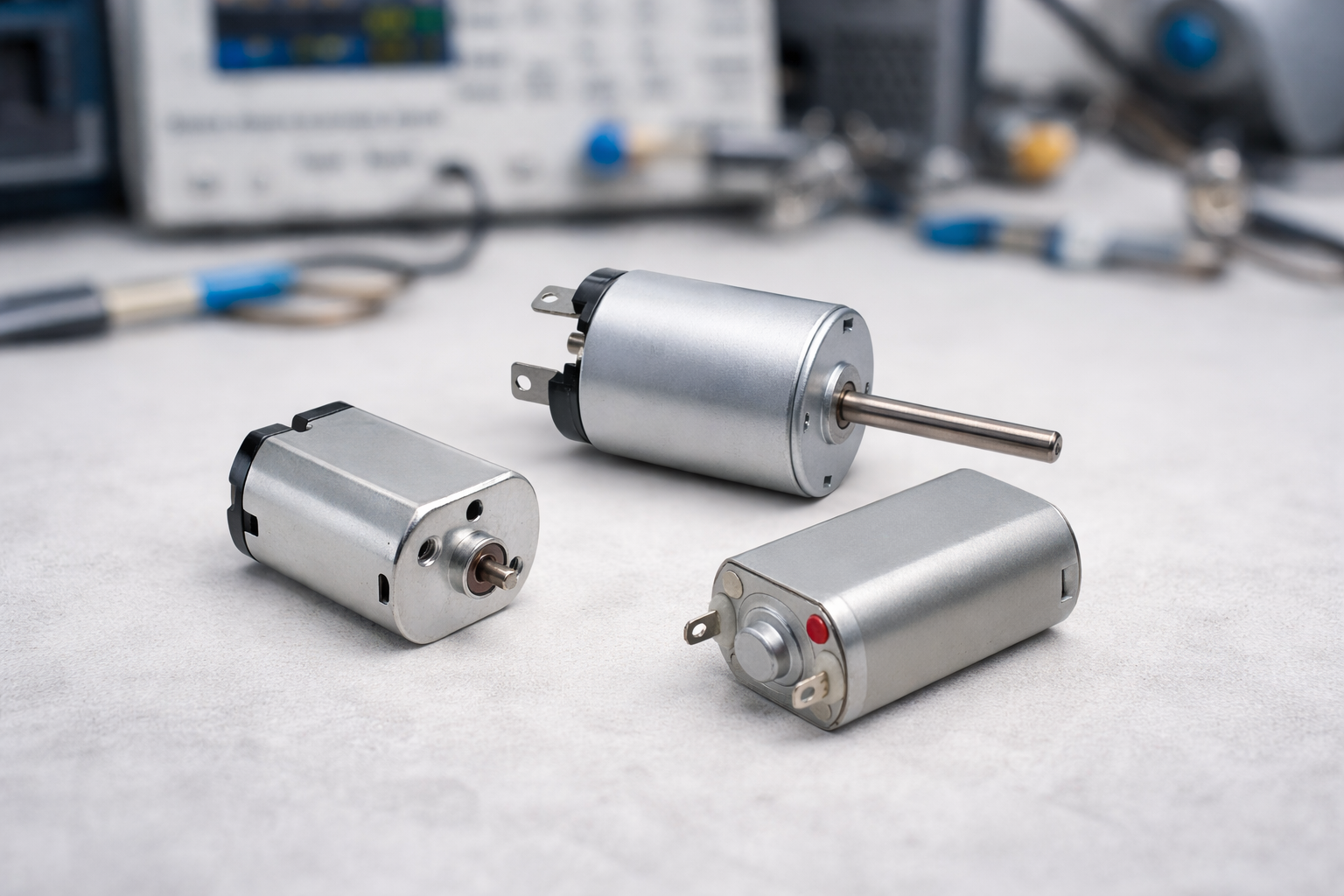
  • Selection by Real Operating Points, Not Only No-Load

    Max-efficiency and max-output points give you two realistic sizing references: one for continuous running stability and one for short burst capability.
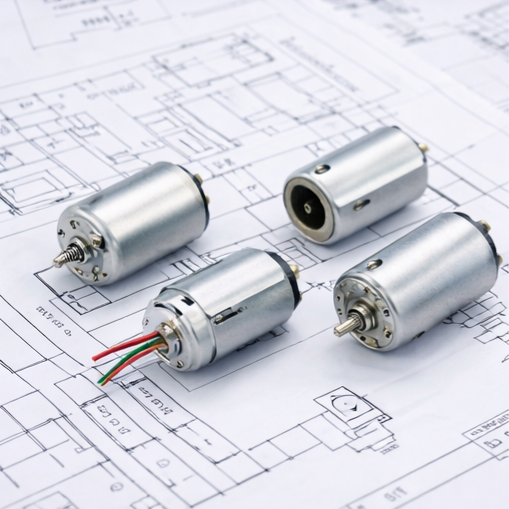
  • Protection Planning for Compact Drivers

    Stall current defines the electrical worst case. This is critical when your product uses small drivers, thin harnesses, or battery packs with voltage sag.
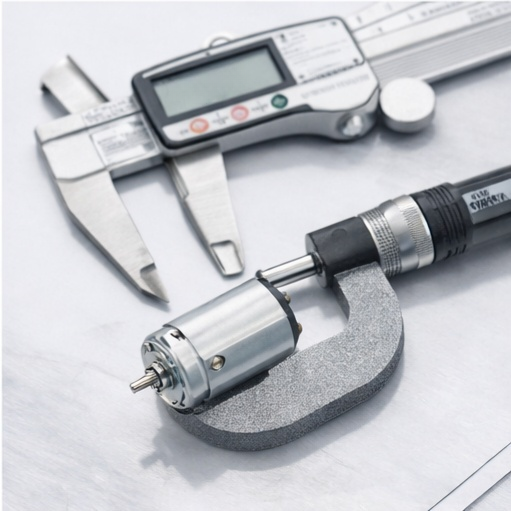
  • Two Performance Tiers for Platform Design

    The two model options allow tiered product design where the mechanical footprint can remain similar while performance changes.

Custom

Beyond the Standard: Performance Customized

  • 01
    Continuous vs Burst Behavior Definition
    We determine whether your mechanism needs continuous torque stability or burst push capability, then size around max-efficiency or max-output points accordingly.
  • 02
    Mechanical Load Mapping for Higher Torque Outputs
    We map your friction peaks and load inertia to torque requirements so the motor does not operate near stall during normal use.
  • 03
    Battery and Wiring Loss Planning Under Load
    We evaluate voltage drop under peak draw so real output matches expectation, especially in compact wiring layouts.
  • 04
    Driver Limit and Jam Response Strategy
    We use stall current to set current limits and jam response behavior to protect the driver and reduce overheating risk.
  • 05
    Speed Band Translation Into Mechanism Output
    We translate the listed speed points into your mechanism’s travel rate or rotation target so you avoid overspeed or unnecessary reduction stages.
  • Continuous vs Burst Behavior Definition
  • Mechanical Load Mapping for Higher Torque Outputs
  • Battery and Wiring Loss Planning Under Load
  • Driver Limit and Jam Response Strategy
  • Speed Band Translation Into Mechanism Output

Custom Now

FAQ

Frequently Asked Questions

If you share your available space and the driven load type, we can help narrow the most suitable configuration quickly.

When should I choose a 180 motor instead of N20 or 030?
Choose 180 when your mechanism needs higher torque margin or must push through higher friction than smaller formats can reliably handle.
What's the difference between max efficiency and max output points?
Max efficiency is a stable point for continuous running. Max output reflects a stronger short-burst capability with higher electrical load.
Why is stall current important for integration?
It defines the worst-case electrical draw during jams or hard starts and is essential for driver selection and protection settings.
Can this motor run continuously?
Yes, if sized around the max-efficiency operating region and your duty cycle allows thermal margin in the enclosure.
What do you need to confirm the right model quickly?
Share your supply voltage, load type, target speed, and duty cycle.
Get Started

Accelerate Your Project with Precision Motors