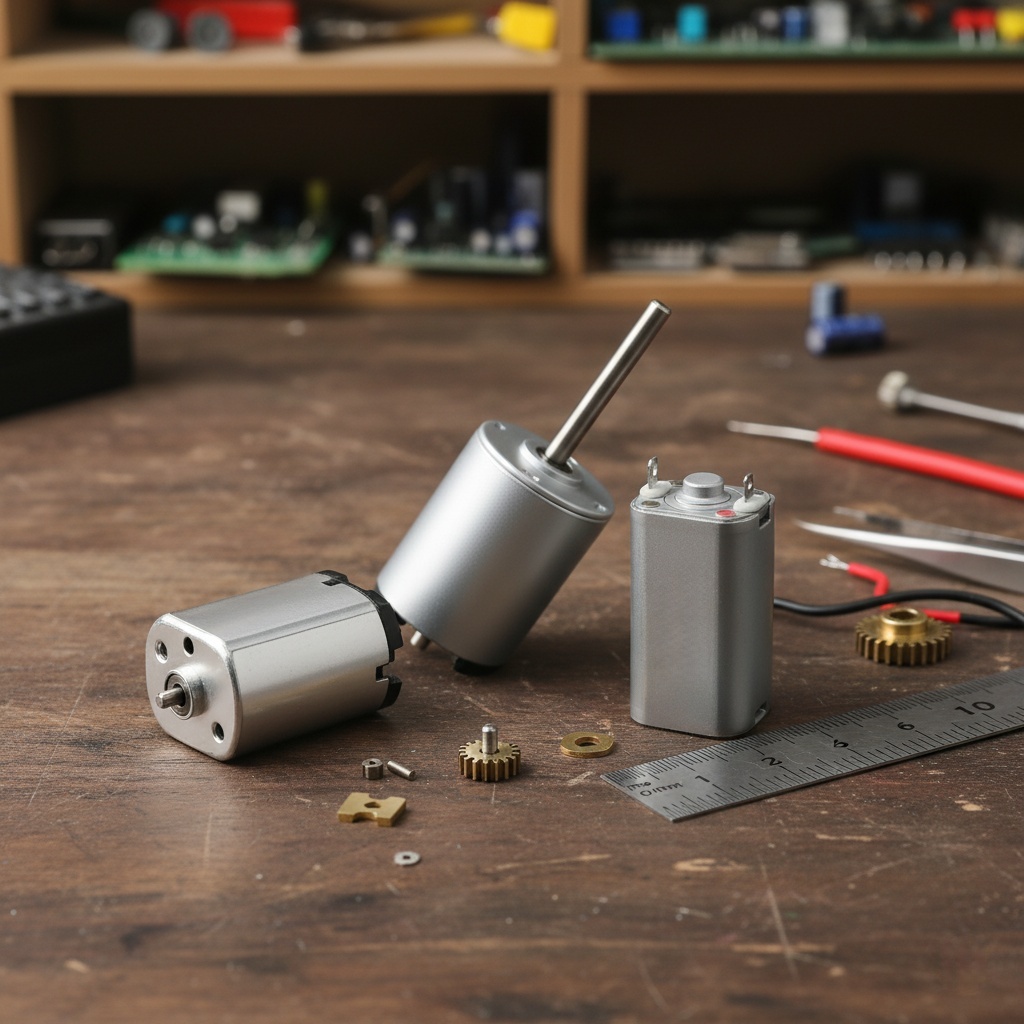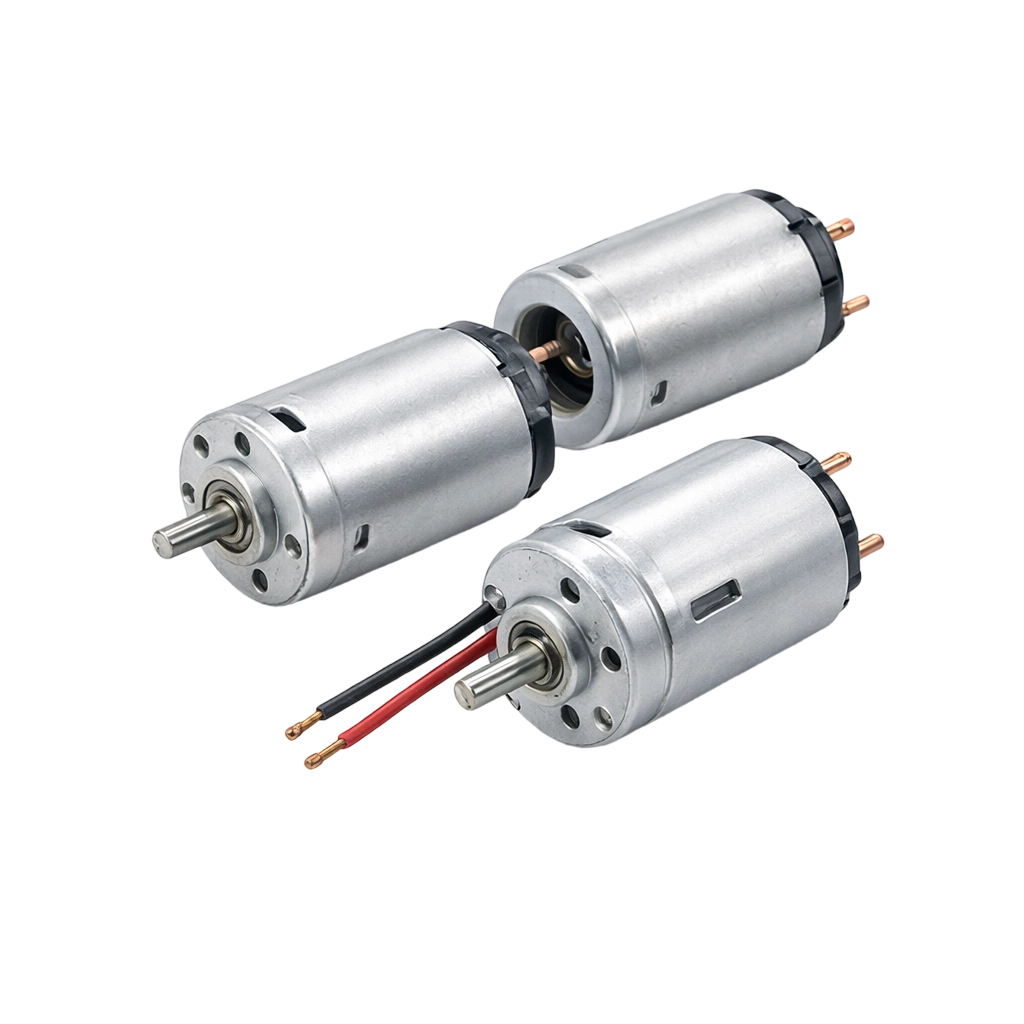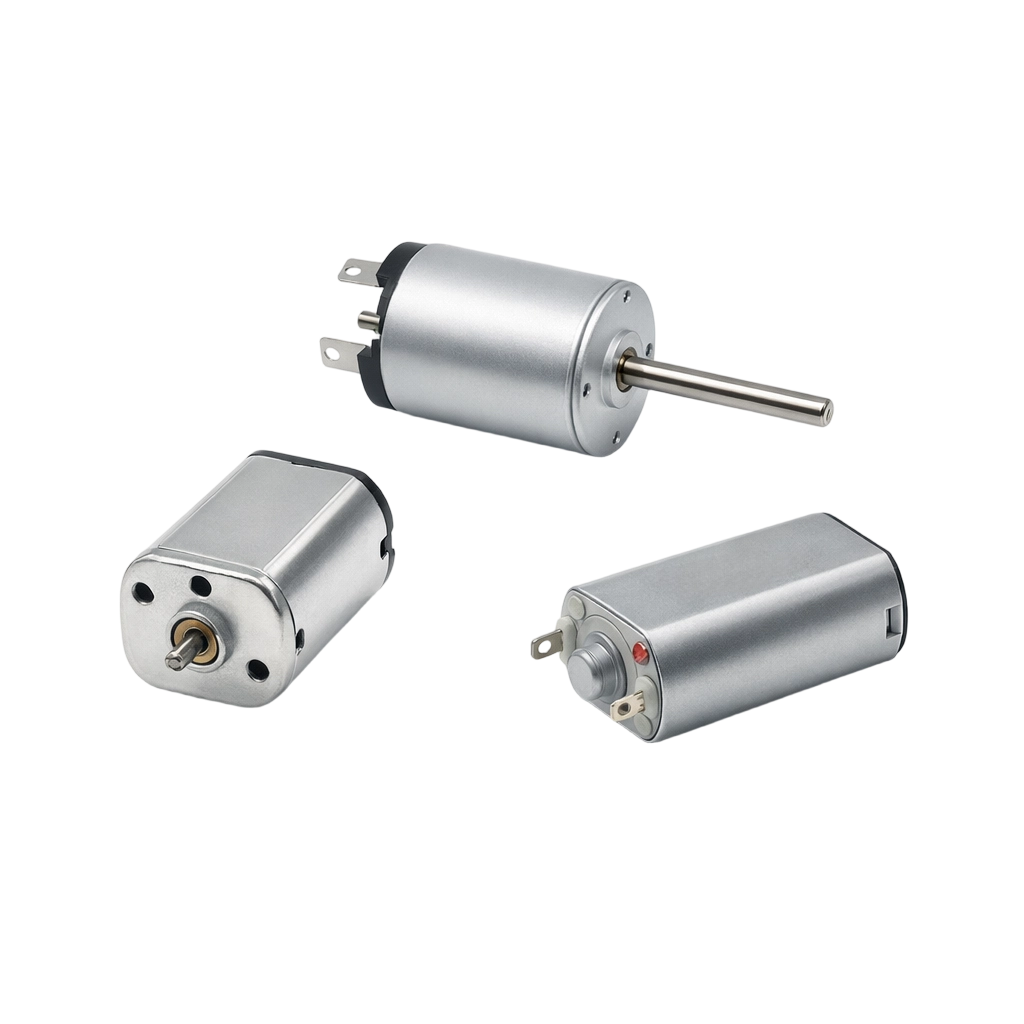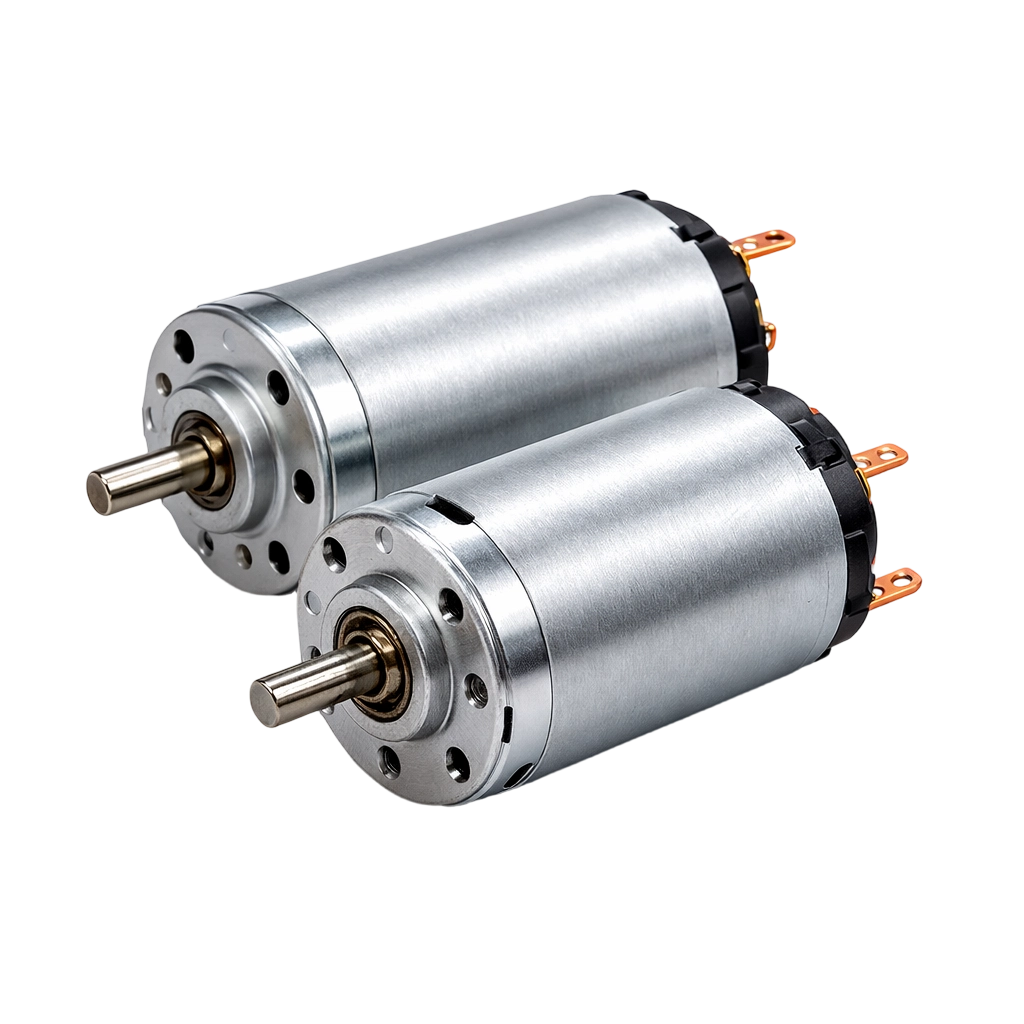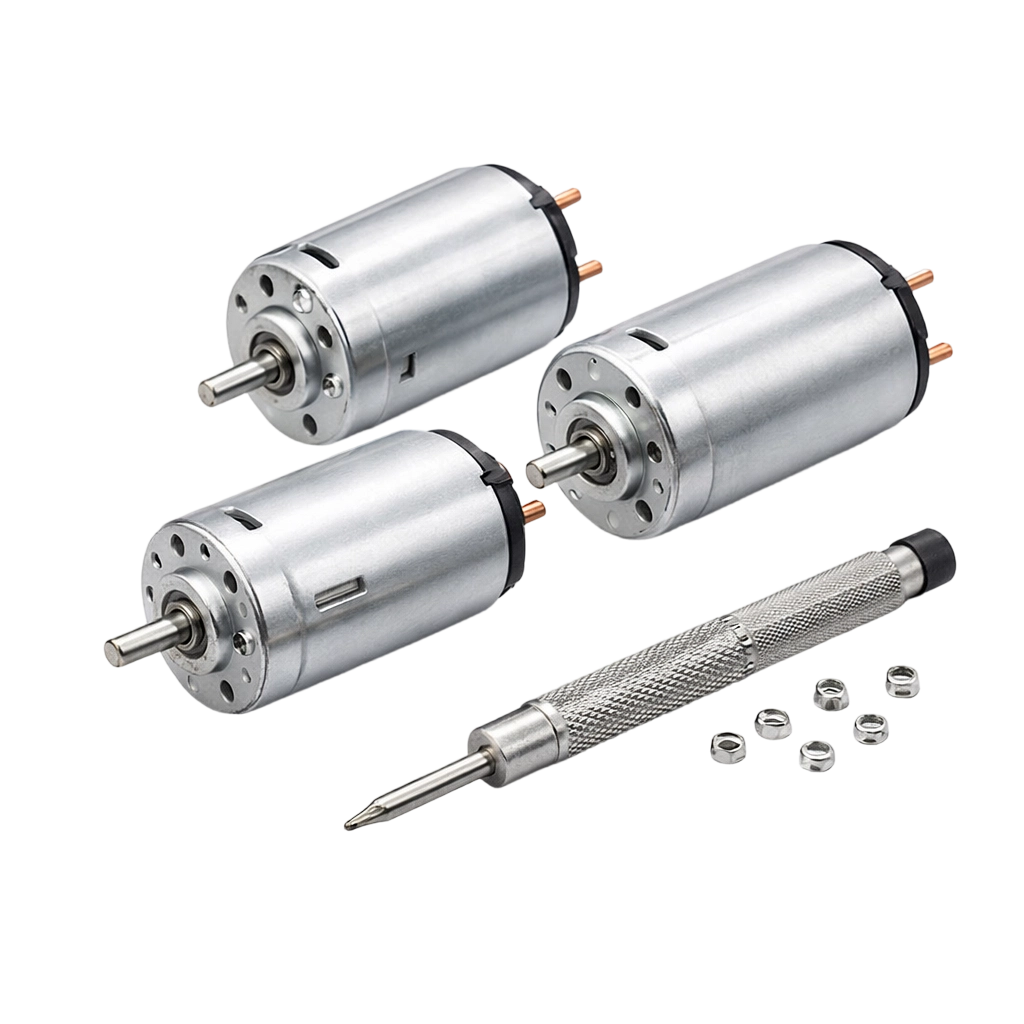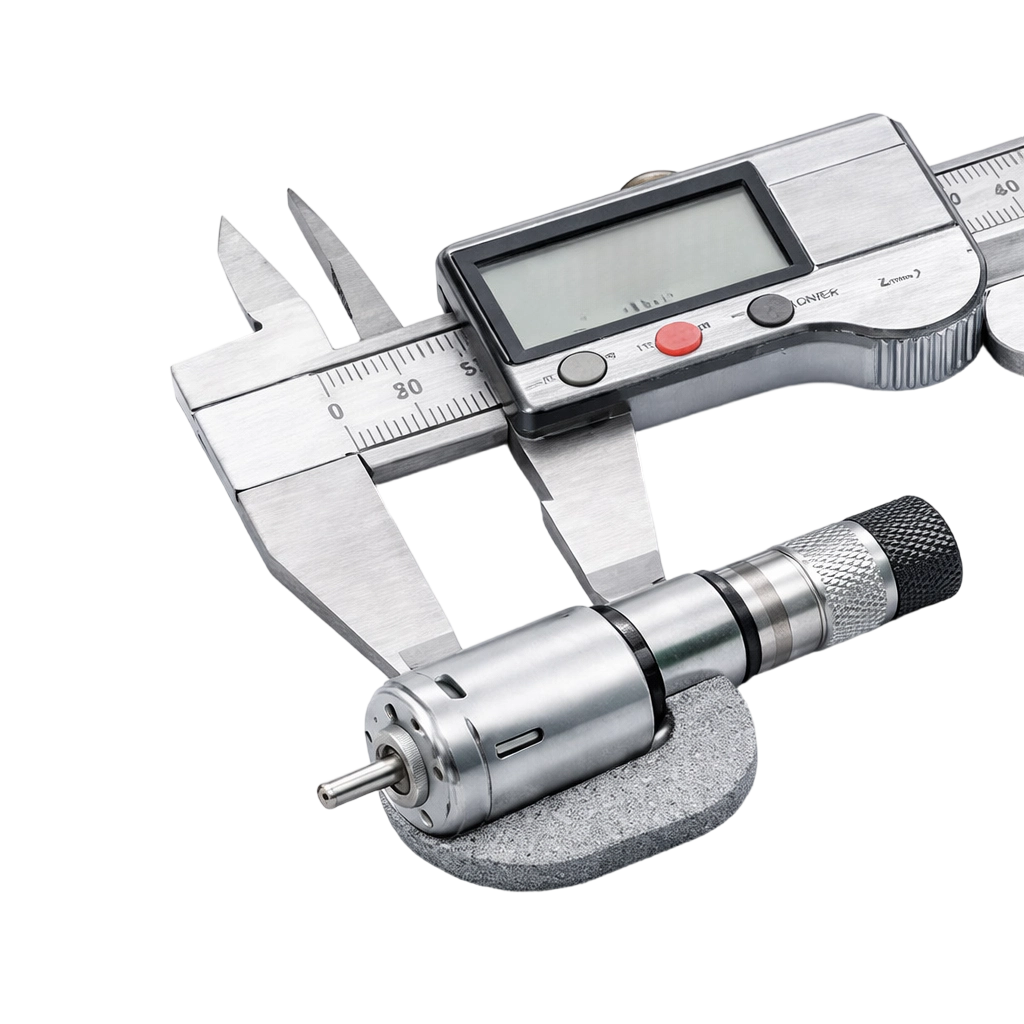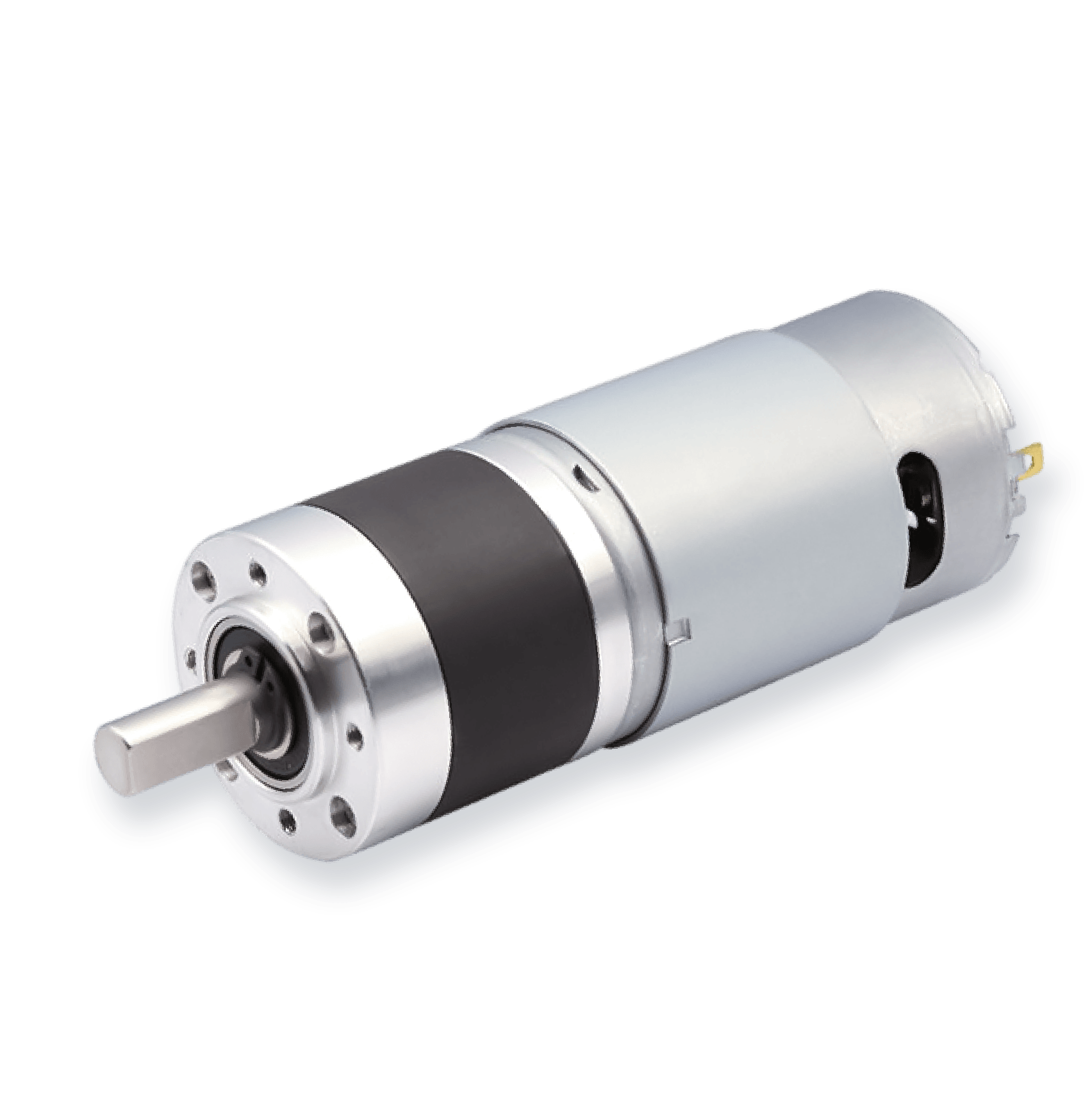
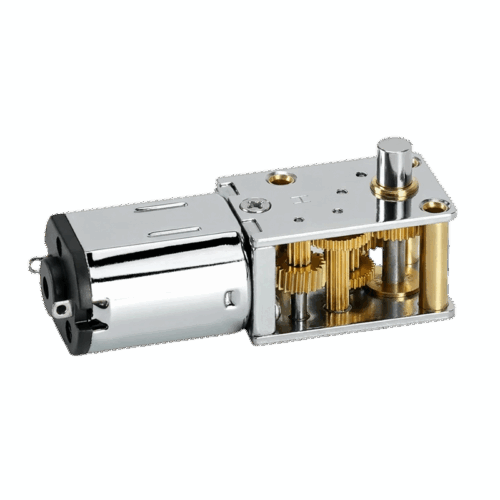
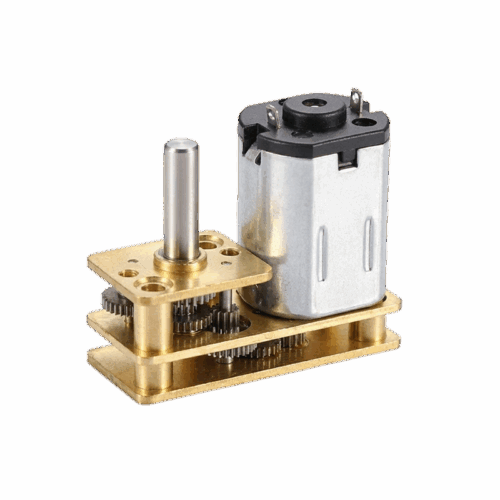
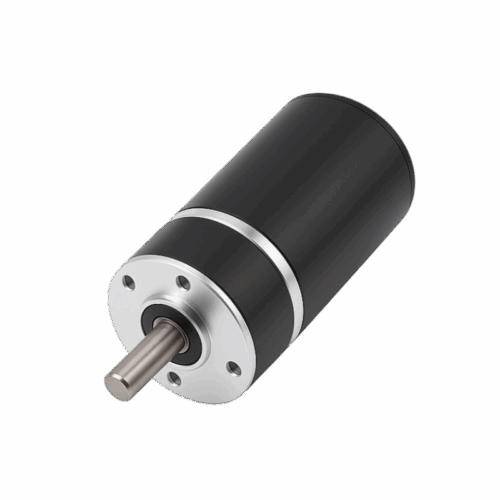
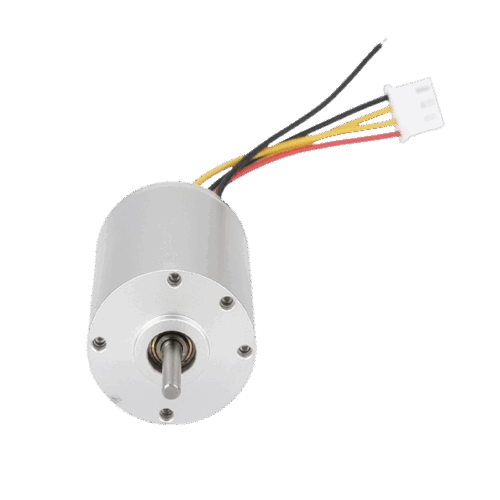
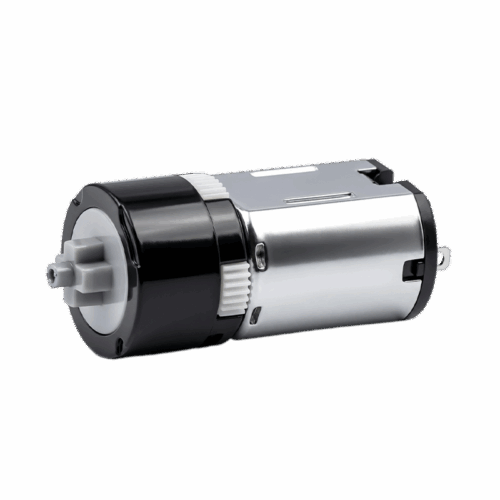
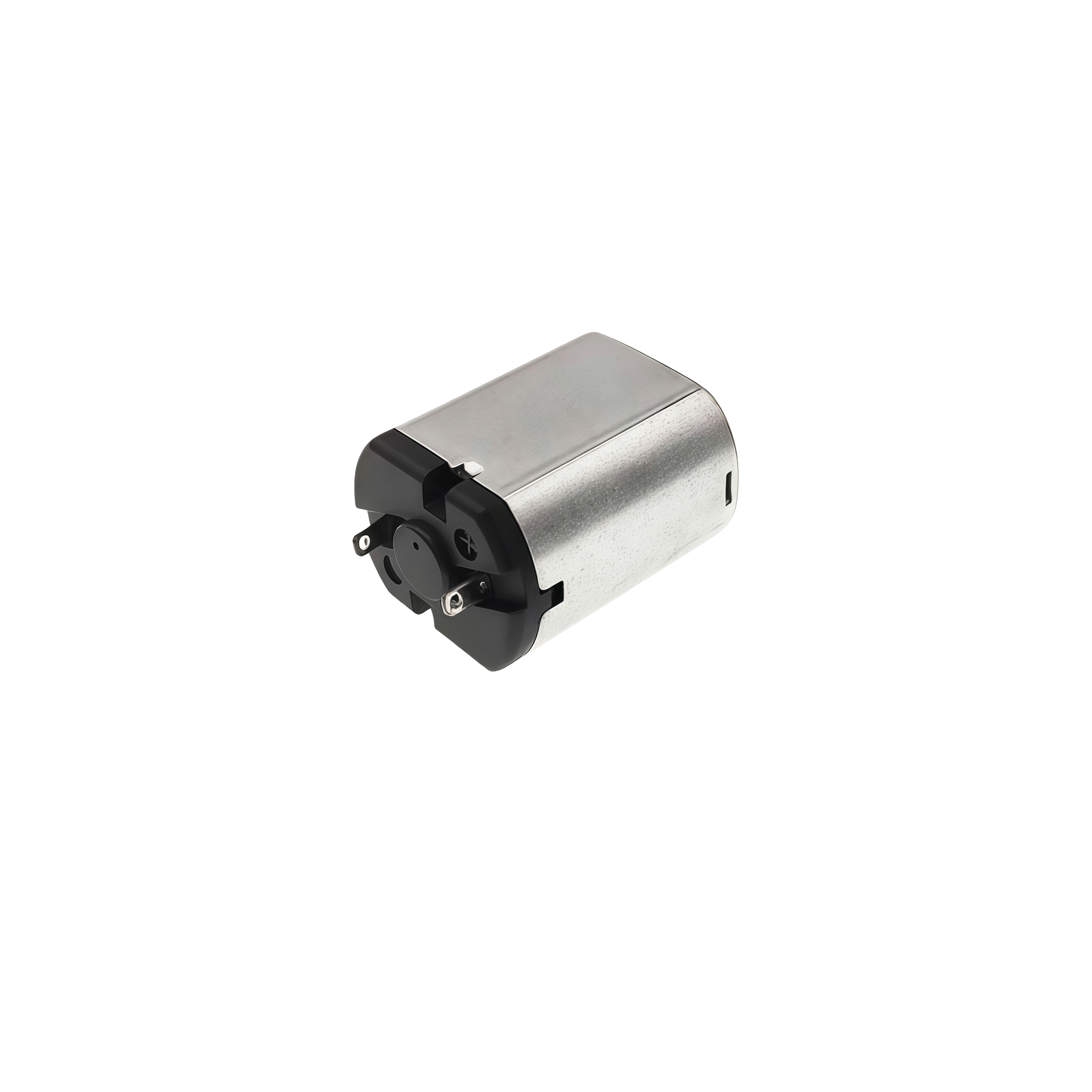
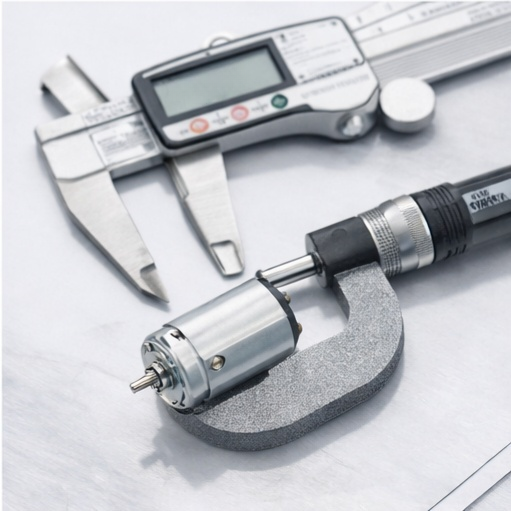
16mm Diameter 030 Micro Brushed DC Motor

This 030 micro brushed DC motor is built for compact 3V–6V devices that need higher RPM and stronger burst output than N20-class drives, while keeping a short body envelope for tight assemblies.

Get a Quote
  • 16mm Diameter 030 Micro Brushed DC Motor Featured Image
Specs

Key Features

This model targets higher-speed micro drive in low-voltage systems, with performance points that make it easier to select for either efficient continuous running or short burst output.
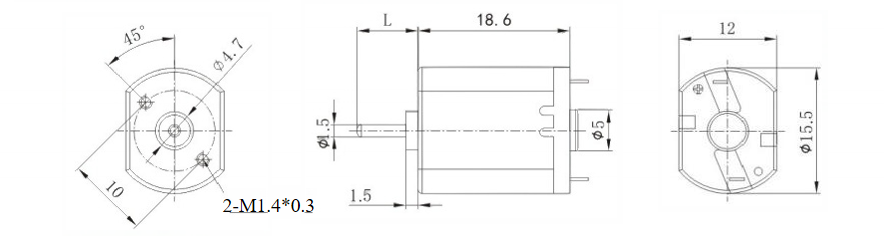
  • 030 motor format supports higher RPM and stronger burst capability within a compact body
  • 3V–6V operating range fits small battery systems and low-voltage controllers
  • Two voltage configurations provide distinct speed and output levels for different product tiers
  • Max-efficiency and max-output points help separate continuous duty sizing from burst performance needs
  • Stall current reference supports driver protection and jam-event planning in small electronics
technical Specs

Motors Specifications

Model No Load Max Efficiency Max Output Stall
Voltage (V) Current (A) Speed (rpm) Current (A) Speed (rpm) Torque (g.cm) Current (A) Speed (rpm) Torque (g.cm) Current (A) Torque (g.cm)
SLW-FF030-09210 3 0.04 5769 0.113 4251 3.4 0.178 2884 6.5 0.316 13.01
SLW-FF030-1495 4.5 0.152 20216 0.571 15965 8.1 1.148 10108 19.3 2.144 38.5

For additional customization or reference configurations, please feel free to contact us.

Why Choose us

SLW Motor Highlights

  • Higher RPM Class for Fast Micro Mechanisms

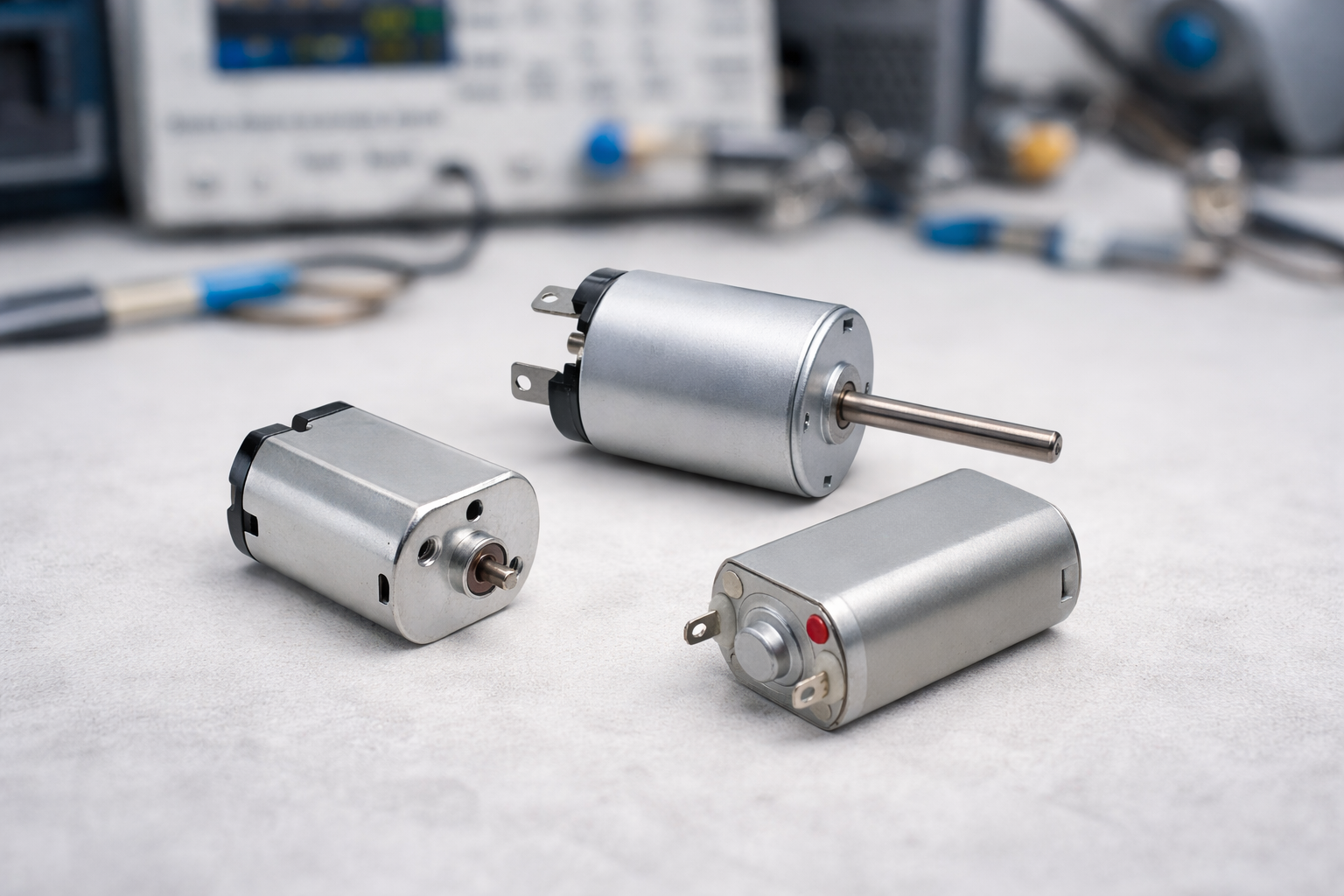
    The 030 format can reach significantly higher speed levels, making it suitable for mechanisms that must respond quickly or drive small rotating elements.
  • Clear Split Between Efficient Running and Burst Output

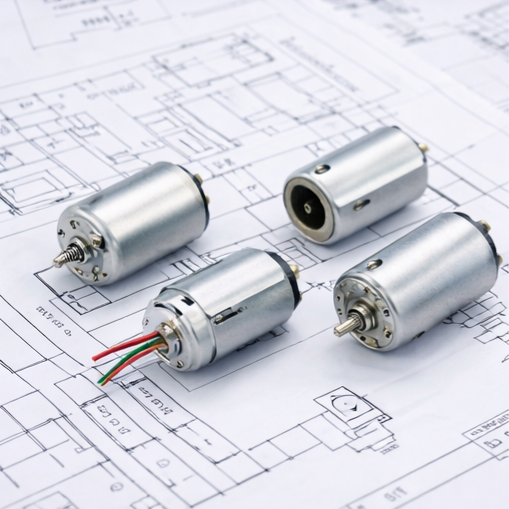
    The table provides both max-efficiency and max-output points, which helps you choose whether the motor should run continuously in an efficient zone or deliver short push bursts.
  • Low-Voltage Compatibility With Real Driver Boundaries

    Stall current defines the upper boundary for protection settings—critical for small boards, thin wiring, and battery packs.
  • Two Voltage Options for Tiered Product Design

    The 3.0V and 4.5V options give you two distinct performance tiers while keeping a similar motor format.

Custom

Beyond the Standard: Performance Customized

  • 01
    Selection by Duty Pattern: Efficient Run vs Burst Push
    We map your duty cycle to either the max-efficiency region or the max-output region so the motor matches how your product actually operates.
  • 02
    Battery Drop and Wiring Loss Review for Low Voltage
    We check real voltage at the motor under load so performance does not collapse due to thin wires, small connectors, or battery sag.
  • 03
    Driver Protection Setup Using Stall Current Boundary
    We set a practical current limit strategy so startup spikes and jams do not overstress the driver, MOSFET, or battery.
  • 04
    Speed-to-Mechanism Translation for Noise and Wear
    We translate motor RPM into your mechanism target and confirm whether you need additional reduction or damping to reduce noise and wear.
  • 05
    Thermal Margin Planning in Short Enclosures
    We evaluate heat buildup in compact housings so long bursts or repeated cycles stay within thermal margin.
  • Selection by Duty Pattern: Efficient Run vs Burst Push
  • Battery Drop and Wiring Loss Review for Low Voltage
  • Driver Protection Setup Using Stall Current Boundary
  • Speed-to-Mechanism Translation for Noise and Wear
  • Thermal Margin Planning in Short Enclosures

Custom Now

FAQ

Frequently Asked Questions

If you share your available space and the driven load type, we can help narrow the most suitable configuration quickly.

How is an 030 motor different from an N20 motor?
An 030 format typically targets higher speed and stronger output potential, which suits faster mechanisms and higher burst loads within compact size.
What does “max efficiency” tell me for selection?
It indicates a stable operating point for continuous running where the motor delivers power efficiently.
When should I use the “max output” point?
Use it when your mechanism needs short bursts of higher torque, such as quick acceleration or pushing through brief resistance.
Why is stall current important on low-voltage products?
It defines the worst-case electrical load during jams or hard starts, which is essential for protecting small drivers and batteries.
What should I share to confirm the right configuration?
Share your supply voltage, target speed, load type, and duty cycle.
Get Started

Accelerate Your Project with Precision Motors