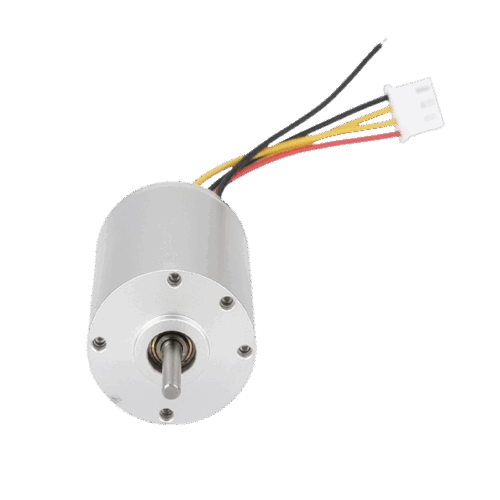
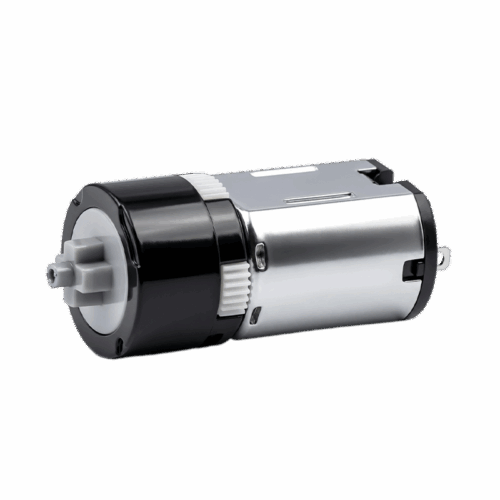
36mm Planetary Gearbox & Reducer

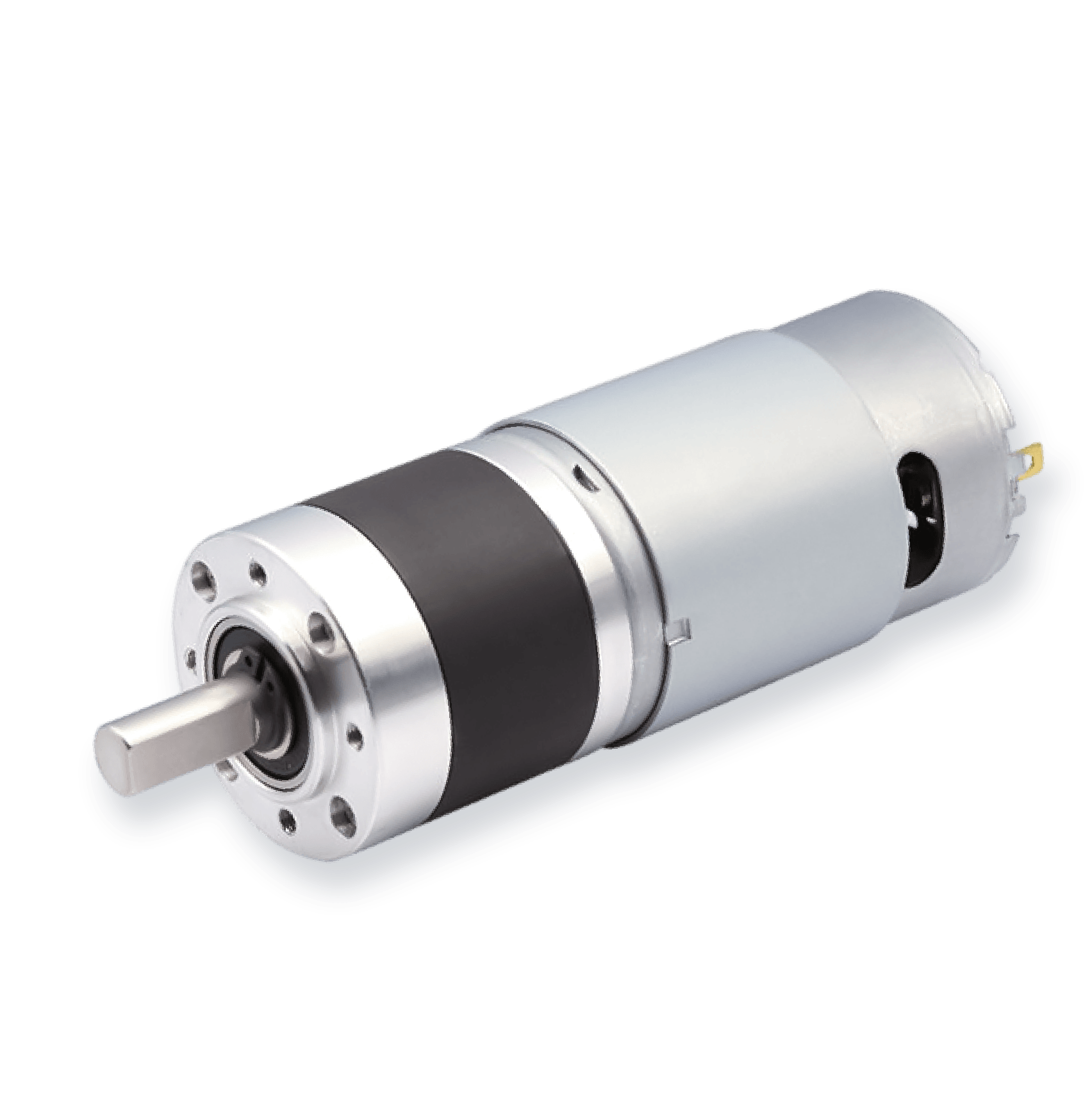
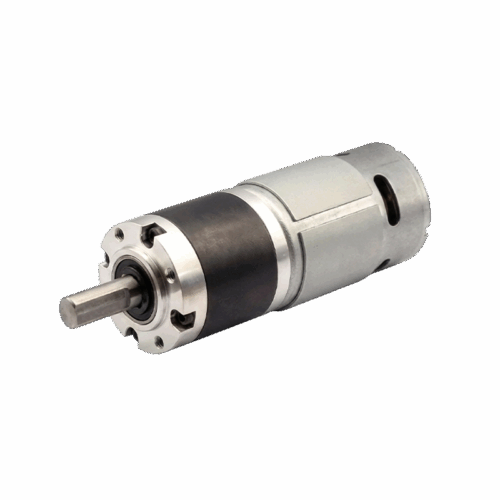
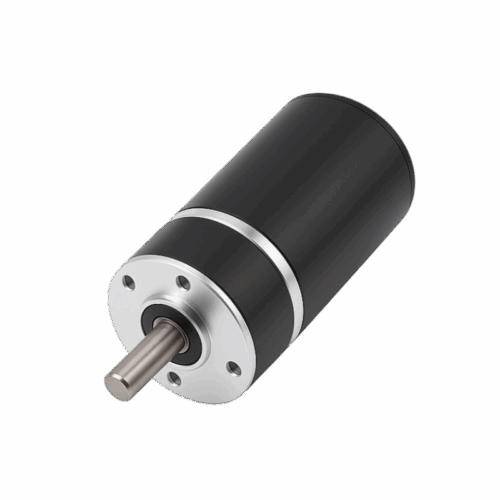
This 36mm planetary gearbox is designed for compact drive systems that require higher torque capacity and a broader reduction span, with multiple length options and a customizable output shaft for stable integration.

Get a Quote
  • 36mm Planetary Gearbox & Reducer Featured Image
Specs

Key Features

This planetary gearbox supports stability-focused torque transmission with machining/sintering process options and stage-based length selection.
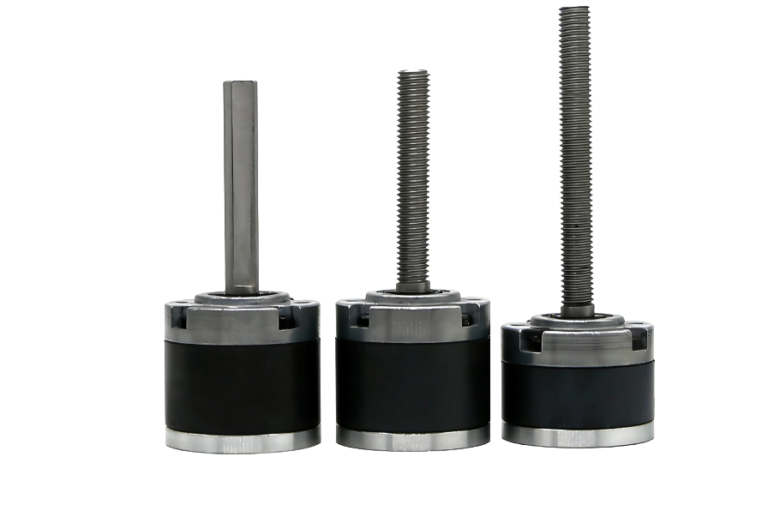
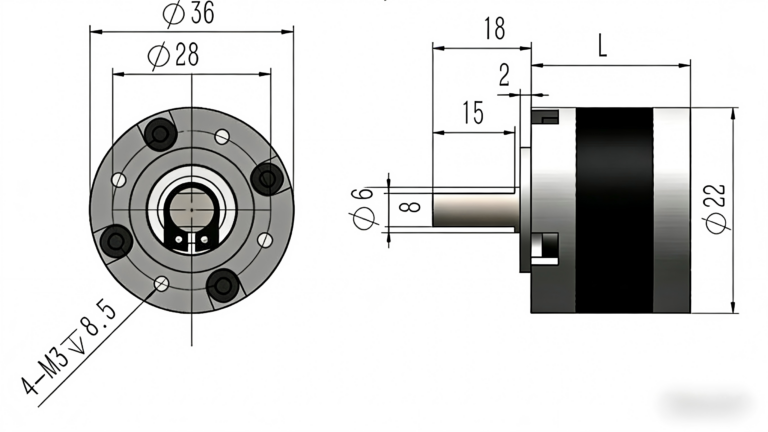
  • Gear ratio coverage from 4 to 721 for wide speed-to-torque matching
  • 1–4 stage configurations with defined length options for packaging control
  • Larger 36mm diameter improves rigidity and torque handling for heavier loads
  • Machining/sintering process options to balance cost and performance targets
  • Customizable output shaft interface to simplify coupling and assembly
technical Specs

Motors Specifications

Stages Length (mm) Gear Ratios
1 26.6 3.7:1, 5.18:1
2 32.6 14:1, 29:1, 27:1
3 38.7 50:1, 71:1, 100:1, 139:1
4 44.8 189:1, 263:1, 369:1, 516:1, 721:1

For additional customization or reference configurations, please feel free to contact us.

Why Choose us

SLW Motor Highlights

  • 36mm diameter for higher torque stability

    The larger housing improves rigidity and supports higher torque transmission, making it suitable for compact mechanisms with heavier loads.

  • Stage-based length options for packaging control

    Each stage class has a defined length, so you can select ratio range and torque margin while keeping the overall envelope predictable.

  • Balanced selection from moderate to ultra-high reduction

    Lower stages support faster response and shorter builds, while higher stages prioritize torque margin and steadier low-speed output.

  • Custom shaft interface for repeatable coupling

    Defining the output shaft geometry early helps reduce adapter stacking and improves assembly repeatability under higher torque demand.

Custom

Beyond the Standard: Performance Customized

  • 01
    Smart Wiring & Lead Management
    Customize lead routing to navigate mounting faces and coupler clearance, ensuring clean, efficient assembly—even in the tightest enclosures.
  • 02
    Customized Output Shaft Interface
    Match shaft end designs precisely to your coupling method to maintain excellent anti-slip characteristics and consistent positioning accuracy, even under rated torque up to 3000 g·cm.
  • 03
    Optimized Installation Orientation
    Share your mounting direction and axial/radial load conditions so the selected gear stage configuration—ranging from compact 26.6mm single-stage to 44.8mm four-stage—delivers dependable, stable performance in real-world operation.
  • 04
    Control System Harmonization
    Fine-tune controller behavior with the gearbox reduction level to minimize unnecessary peak torque spikes during acceleration and braking, protecting your system.
  • 05
    Application-Specific Adaptation
    Provide detailed load inertia, duty cycle, and positioning data to achieve an ideal balance between torque margin and response through optimized ratio and stage selection.
  • Smart Wiring & Lead Management
  • Customized Output Shaft Interface
  • Optimized Installation Orientation
  • Control System Harmonization
  • Application-Specific Adaptation

Custom Now

FAQ

Frequently Asked Questions

Higher stage counts are typically selected to reach higher ratios while controlling the gearbox length in compact assemblies.

How do I choose the gearbox stage level?
Choose 1–2 stages when you need shorter length and faster response. Choose 3–4 stages when you need higher reduction and torque margin.
Which ratios are best for moderate reduction needs?
Ratios such as 14:1, 27:1, and 29:1 are commonly selected when you need a balance between speed reduction and torque increase.
When should I select ratios above 189:1?
Higher ratios are typically selected for low-speed output where torque margin and steadier motion are priorities.
What is the advantage of using a 36mm gearbox diameter?
A larger diameter is typically selected to improve rigidity and torque capacity when the application load is higher.
What do you need to define a custom output shaft?
Your coupling method, assembly process, and any slip or positioning constraints.
Get Started

Accelerate Your Project with Precision Motors