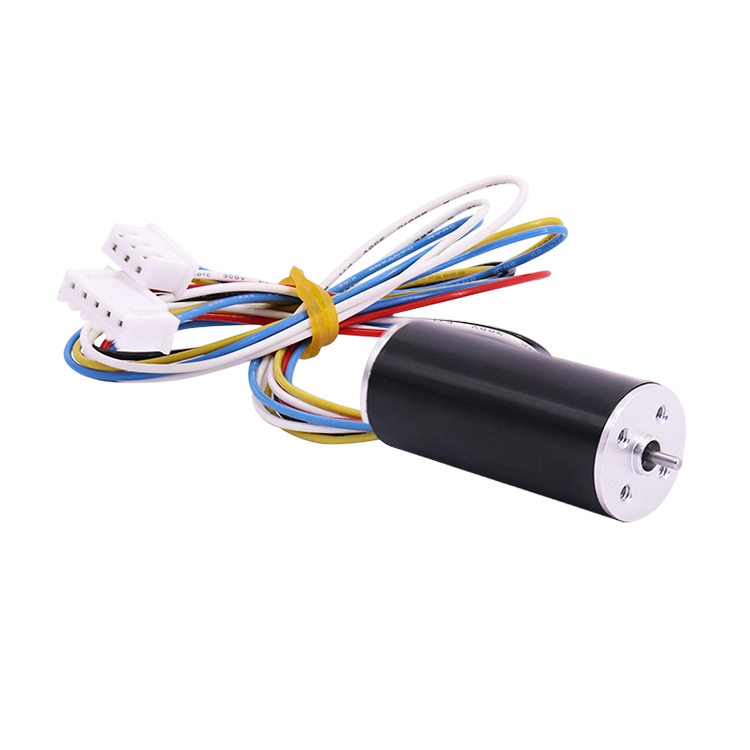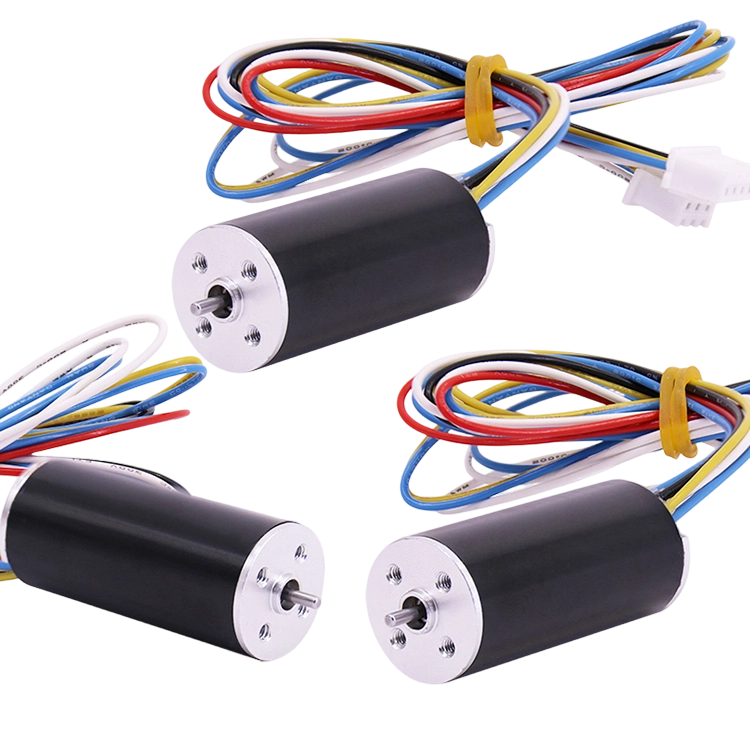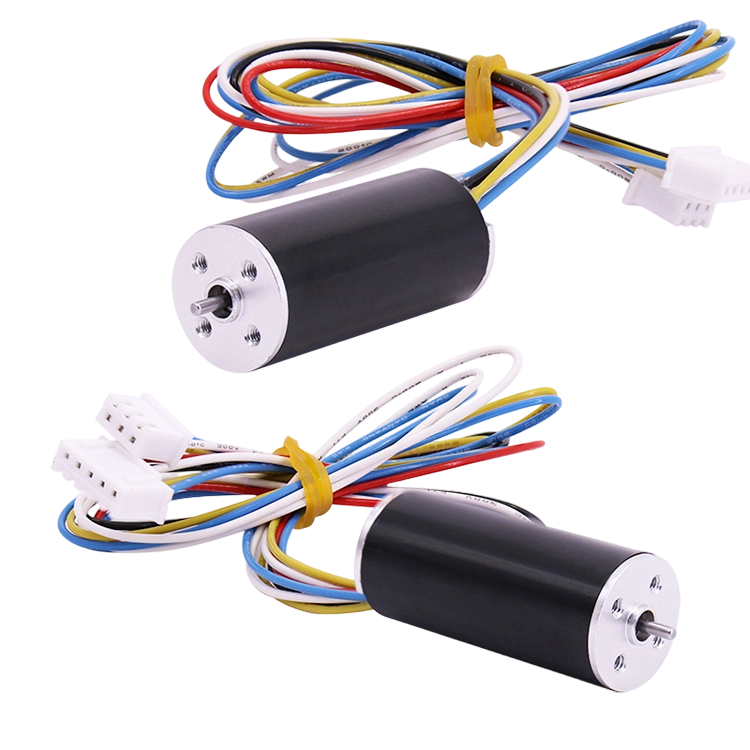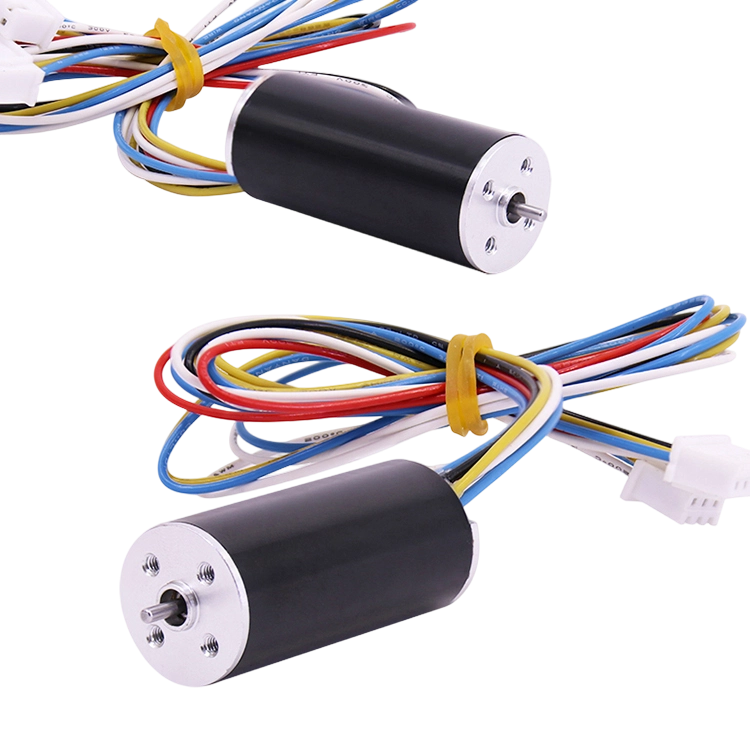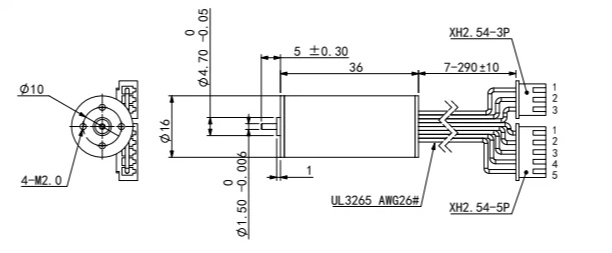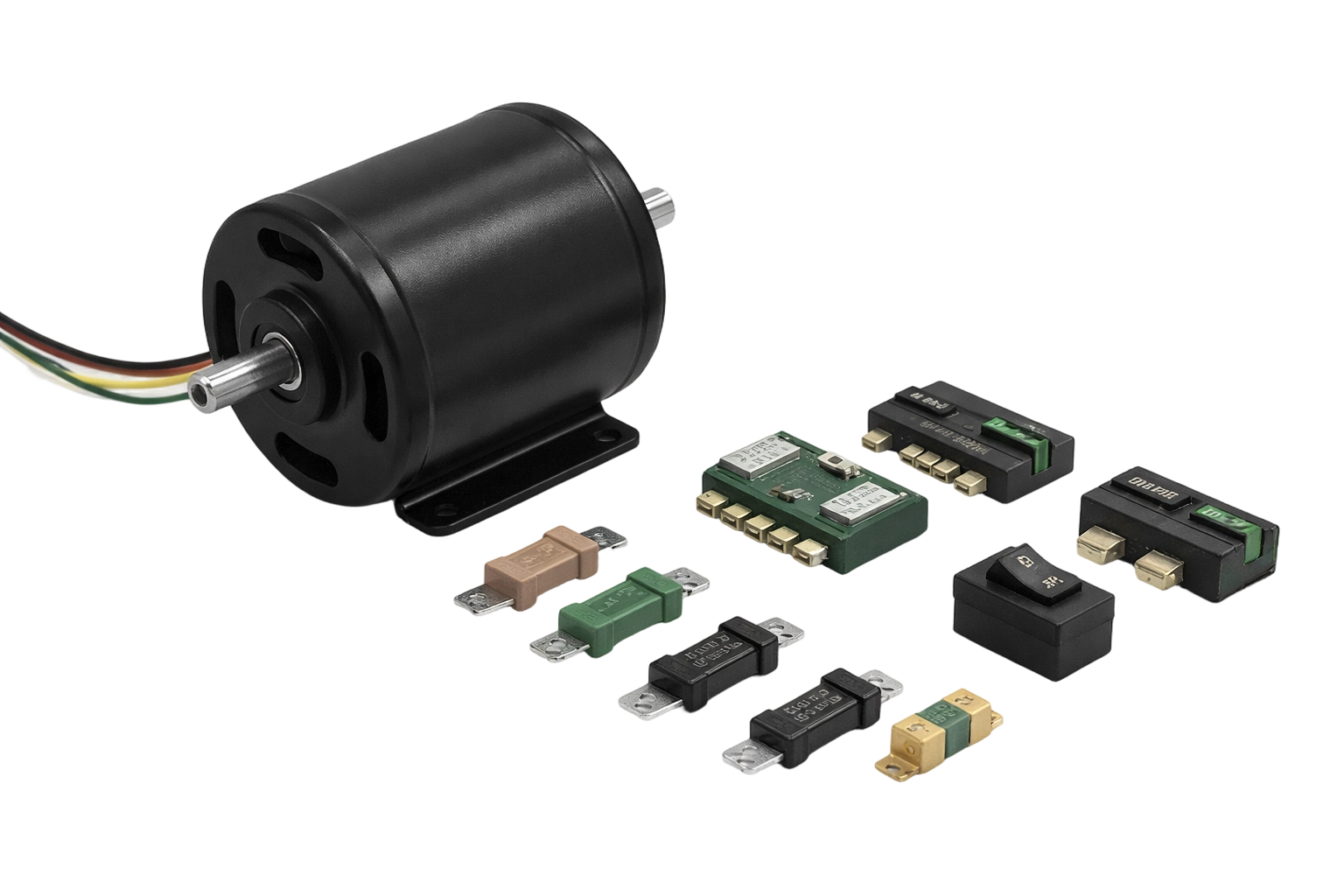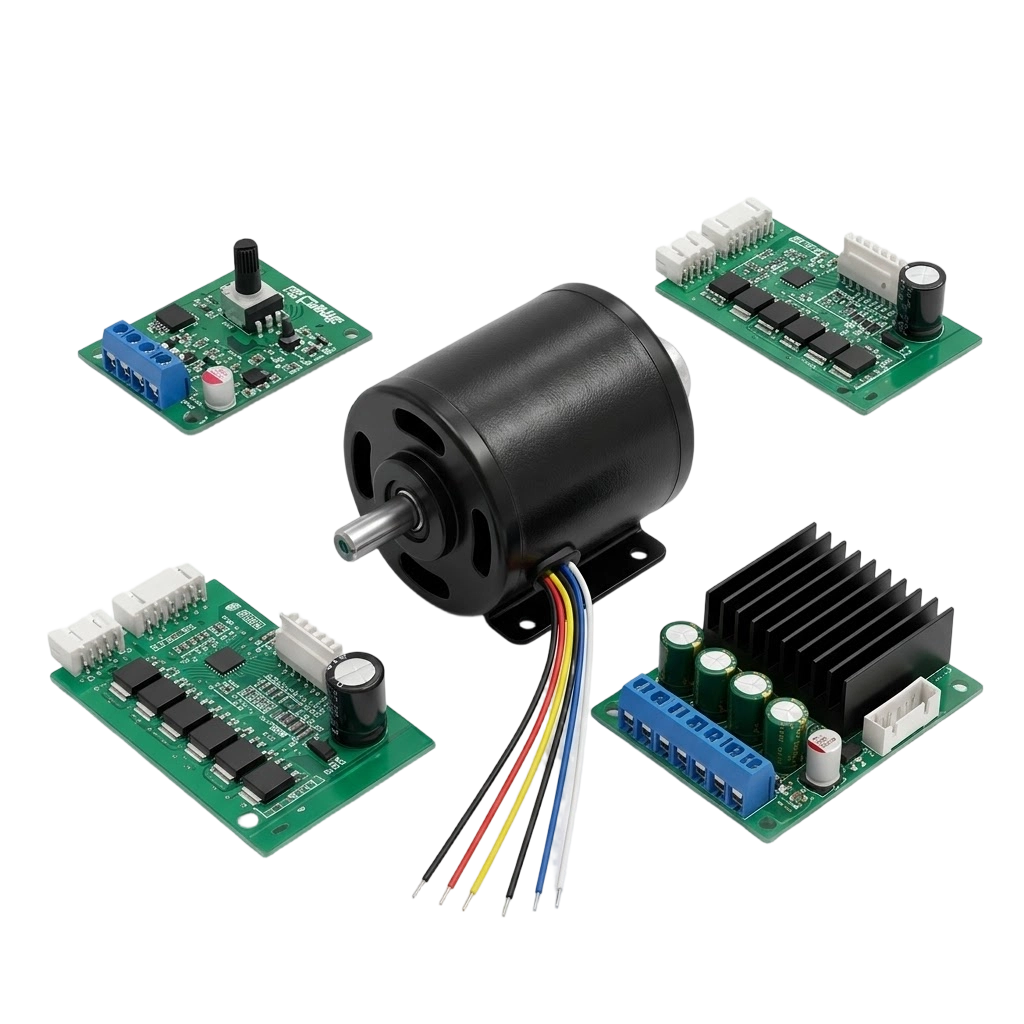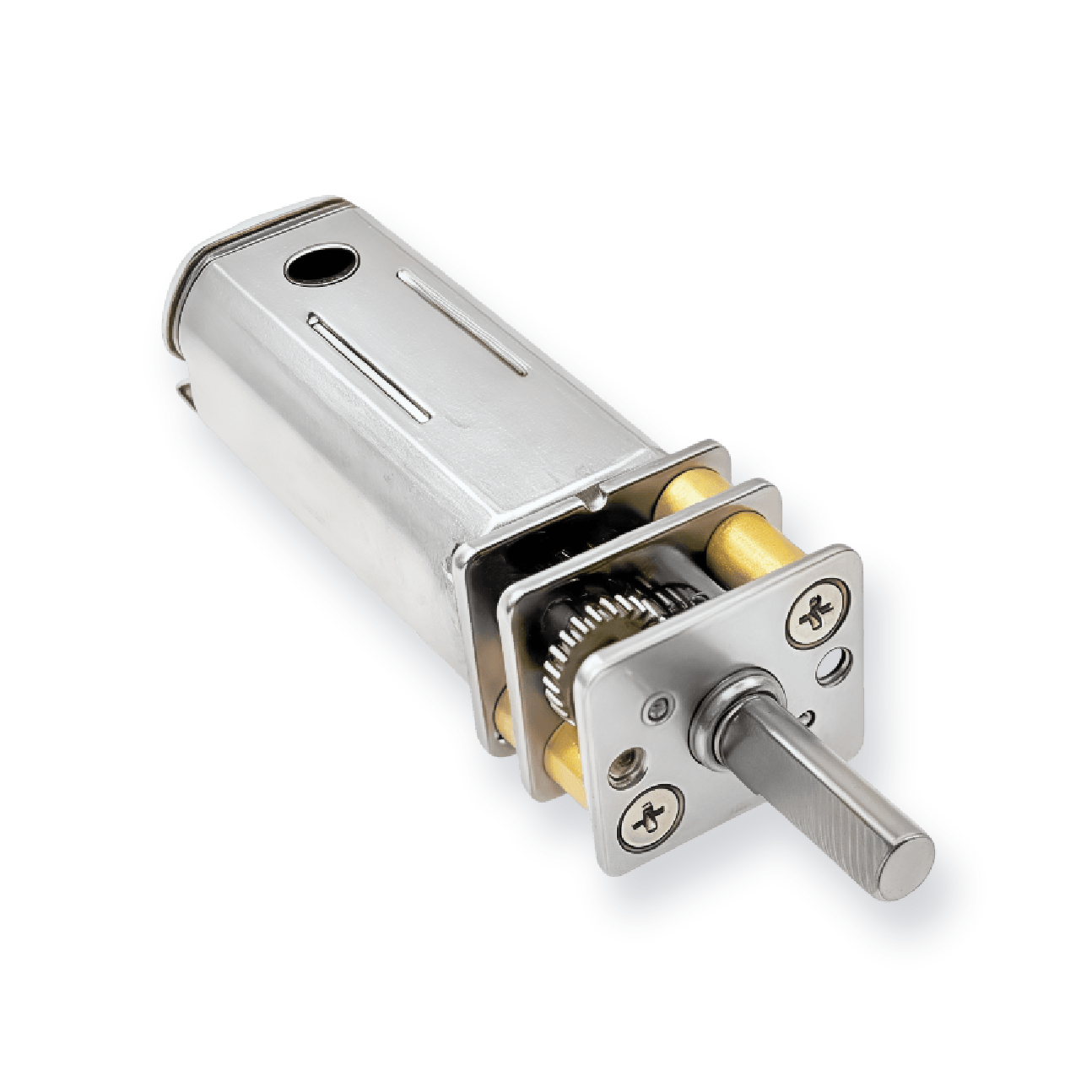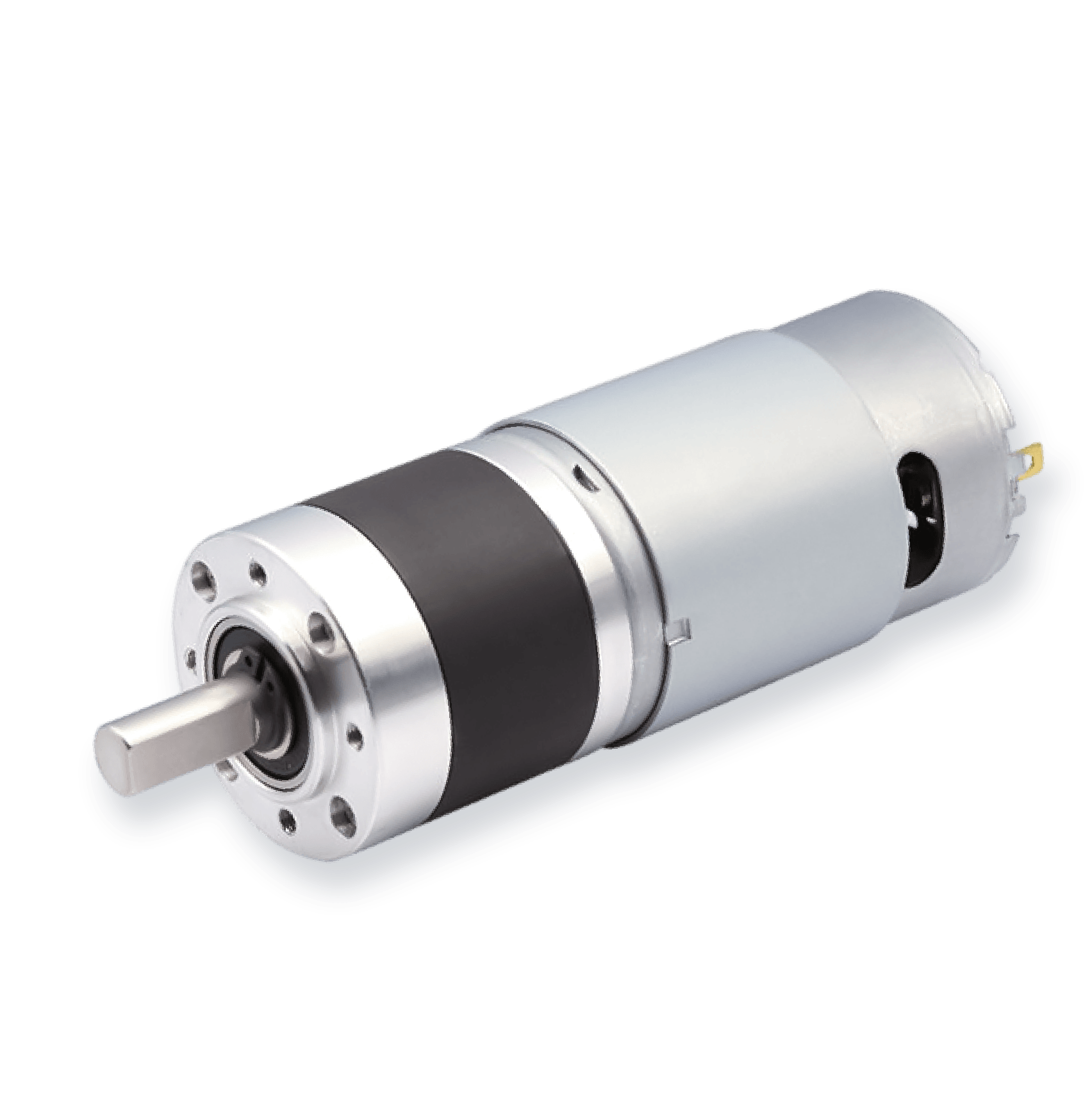
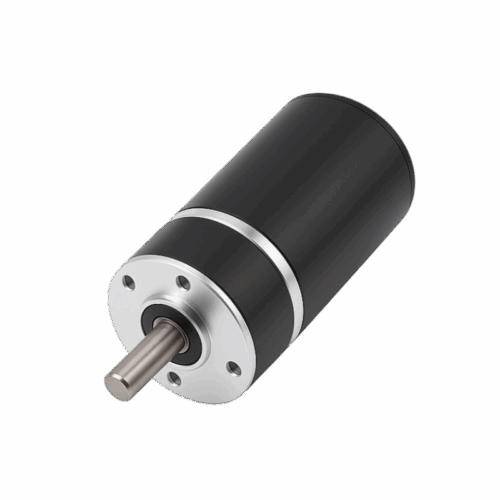
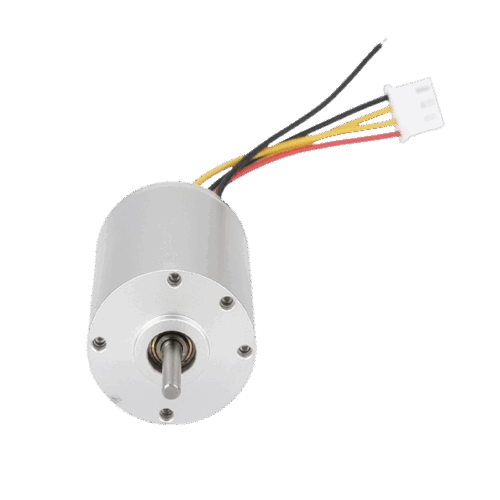
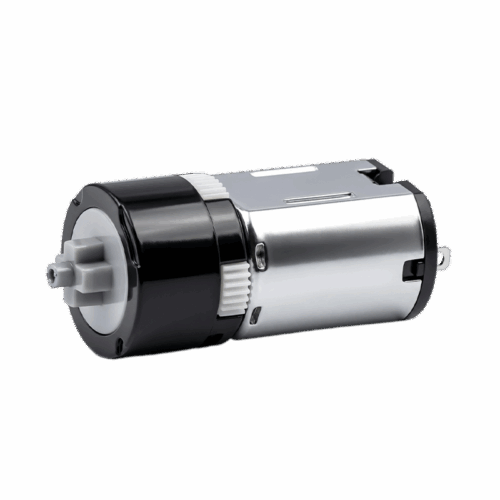
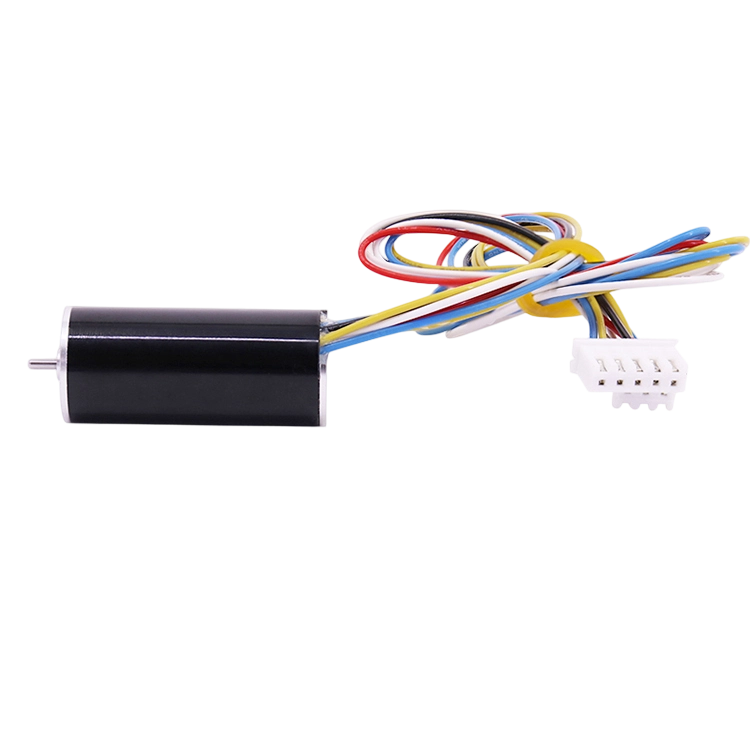
16mm Diameter 1636 DC Brushless Coreless Motor

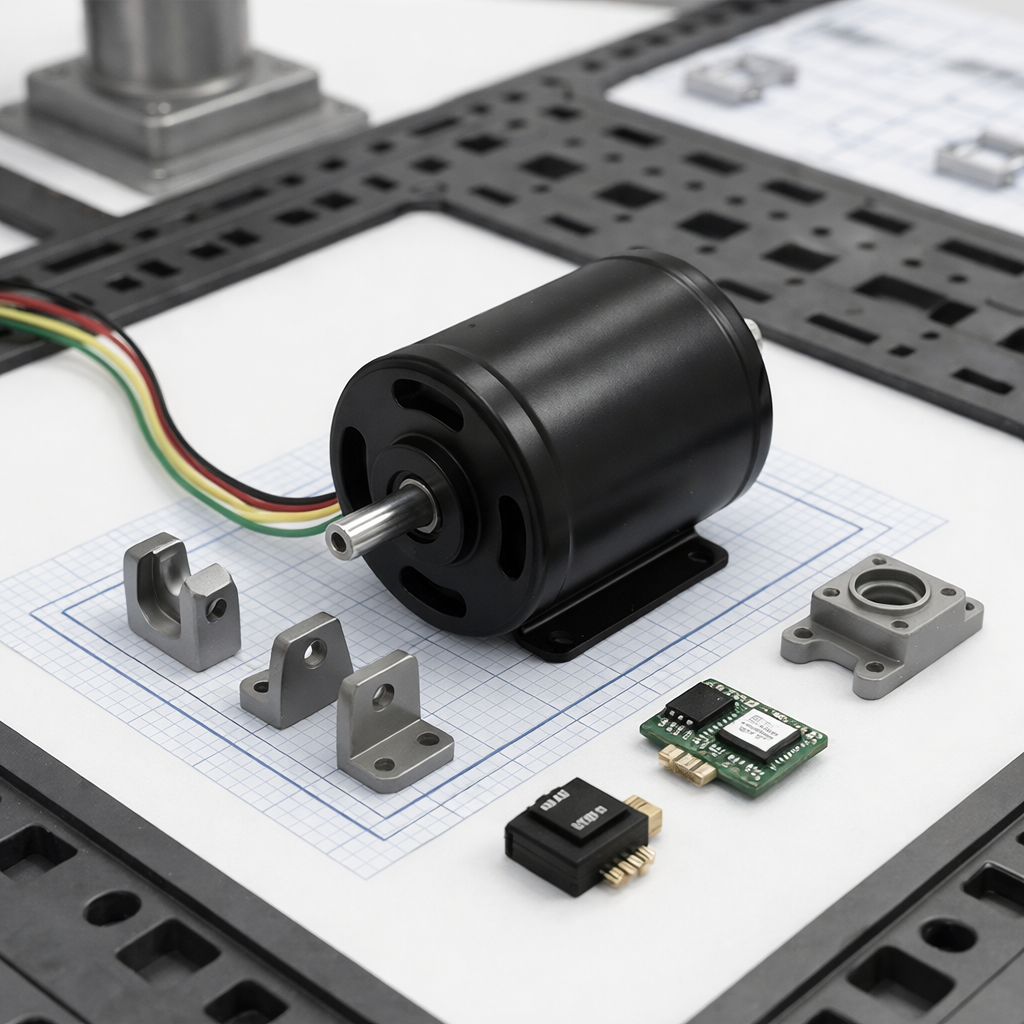
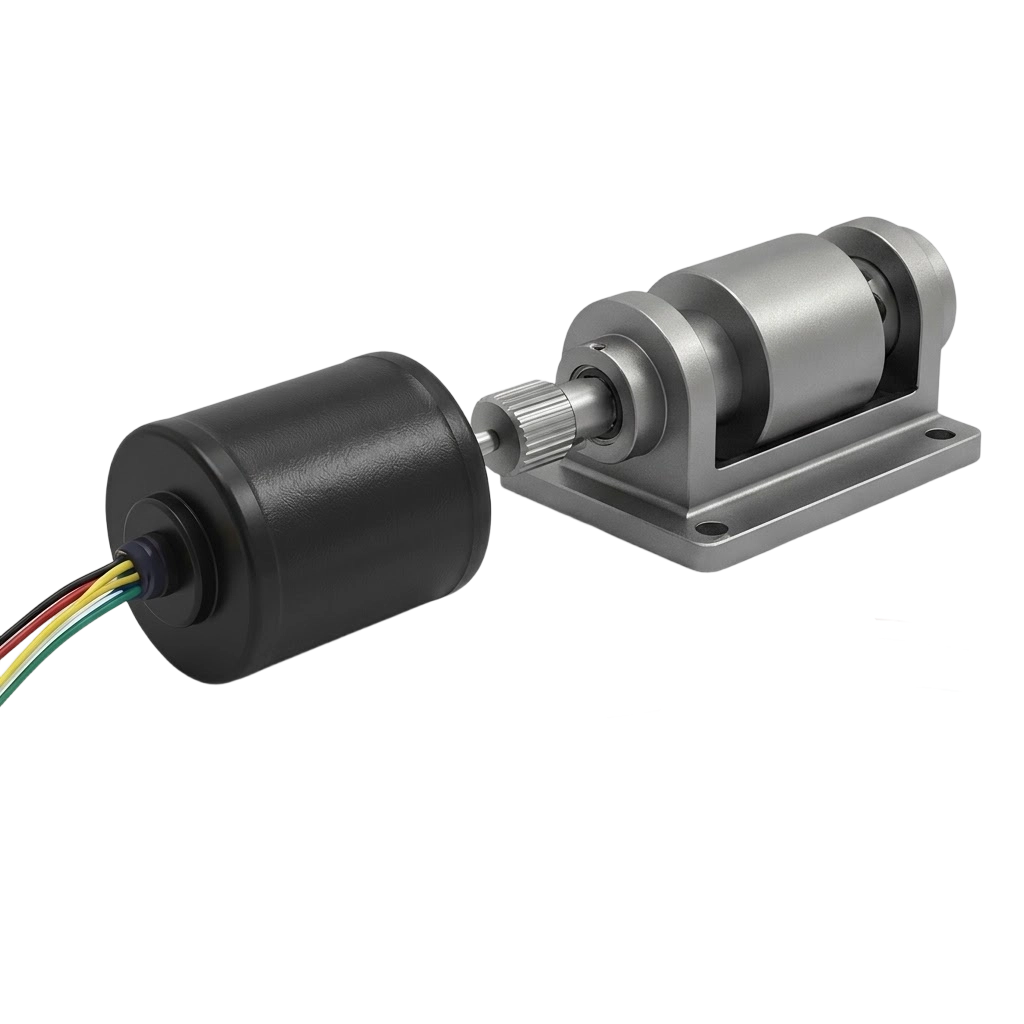
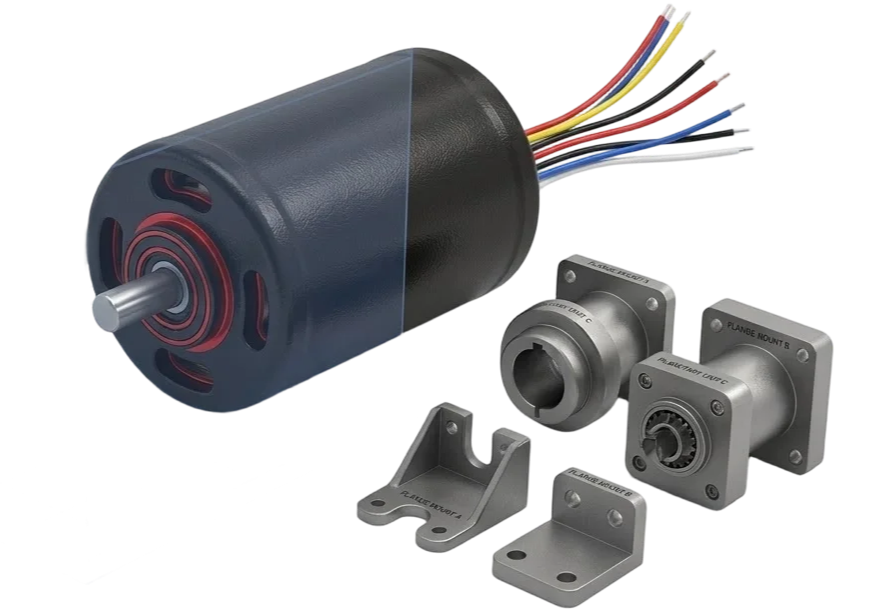
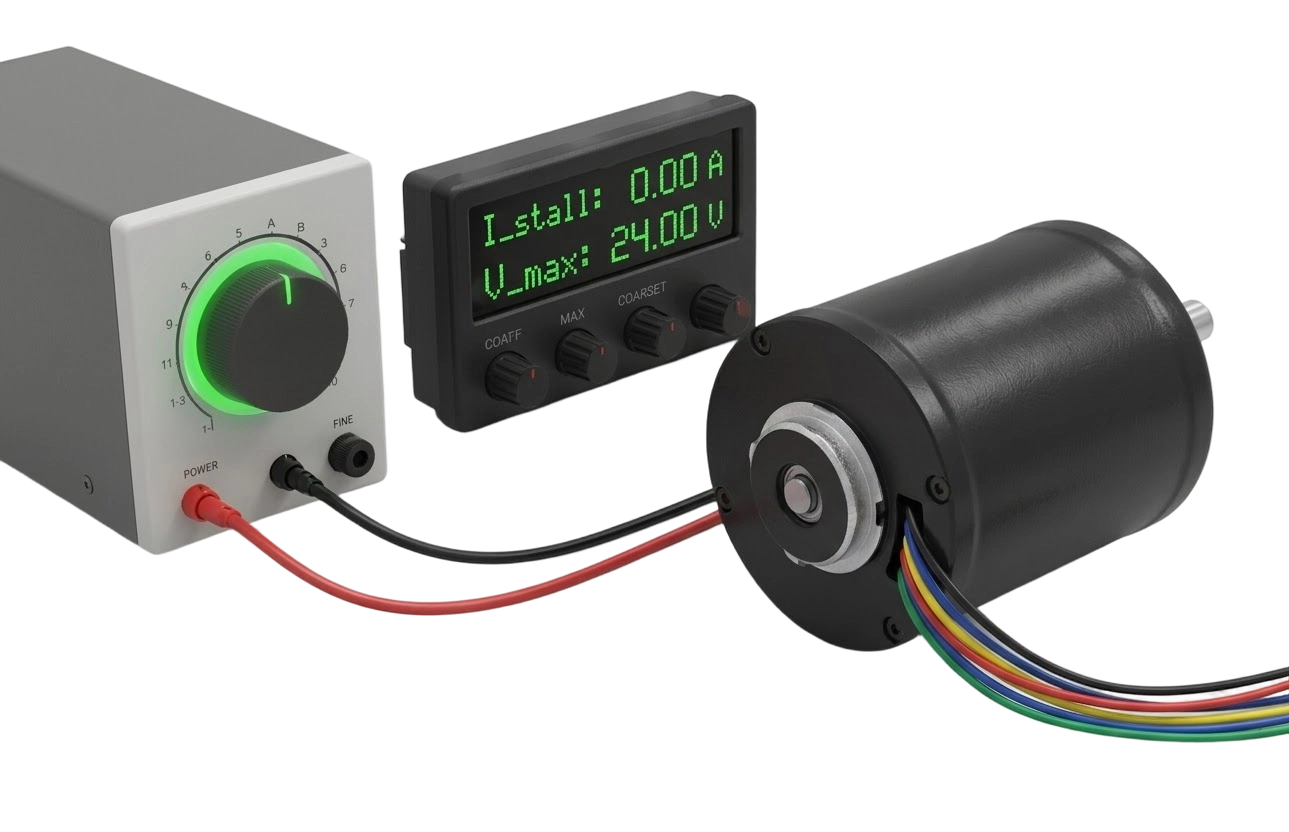
This 16mm brushless coreless DC motor is built for 3–24V systems where you choose between 12V and 24V windings to hit a high-speed window around 10k rpm while keeping torque and current behavior predictable.

Get a Quote
  • 16mm Diameter 1636 DC Brushless Coreless Motor Featured Image
Specs

Key Features

This model is a BLDC coreless motor platform defined by its winding options (12V / 24V) and its high-speed operating window, making selection straightforward when your design cares more about speed response and current limits than gearbox reduction.

  • 3V–24V applied range supports low-voltage, battery, and regulated DC architectures
  • Two winding variants (BL1636-002 at 12V / BL1636-005 at 24V) let you match supply voltage without forcing driver rework
  • Rated speed stays near the 10,000 r/min class (10,000 / 10,100), supporting high-speed mechanisms that need consistent output speed
  • Rated torque is listed as 32.6 g.cm for both windings, keeping torque planning stable while voltage changes
  • Stall behavior separates the variants clearly (stall current 2.10A at 12V vs 1.00A at 24V), which directly affects driver protection and wiring margin
technical Specs

Motors Specifications

Motor Model Rated voltage No-load No-load Rated speed Rated torque Rated current Stall torque Stall current
VDC r/min mA r/min g.cm mA g.cm A
BL1636-002 12 12000 70 10000 32.6 390 205 2.1
BL1636-005 24 12000 40 10100 32.6 180 215 1

For additional customization or reference configurations, please feel free to contact us.

Why Choose us

SLW Motor Highlights

  • High-Speed Output Window for Mechanism Design

    Both windings target a rated-speed window near 10k r/min, which helps when the mechanism depends on speed response more than low-speed torque multiplication.

  • Winding Choice Defines Driver and Protection Strategy

    The 12V and 24V variants separate most clearly at stall current (2.10A vs 1.00A). That difference directly drives current limit settings, wiring gauge, and thermal protection logic.

  • Torque Planning Stays Stable Across Voltage Options

    Rated torque is listed as 32.6 g.cm for both variants, so you can keep the same mechanical torque assumption while choosing the winding that matches your supply.

  • No-Load Current Signals Efficiency and Heat Behavior

    No-load current differs by winding (70 mA vs 40 mA), which helps you estimate baseline loss and temperature rise when the mechanism runs lightly loaded.

Custom

Beyond the Standard: Performance Customized

  • 01
    Winding Selection to Match Your Supply Rails
    We confirm whether your system is 12V-class or 24V-class first, then align the winding so you do not rely on heavy duty-cycle PWM to “force-fit” the motor.
  • 02
    Stall-Current Limit Strategy Before Torque Assumptions
    We define your stall protection method first, because 2.10A vs 1.00A changes driver choice, current-limit behavior, and fault recovery strategy.
  • 03
    Speed Target Lock-In Around the 10k r/min Class
    We map your required operating speed to the rated-speed column first so the motor runs near its intended efficiency zone instead of living near stall or overspeed.
  • 04
    Thermal Planning From No-Load and Rated Current
    We use no-load current and rated current together to estimate baseline heating and loaded heating so the motor stays stable in your duty cycle.

  • 05
    Variant Strategy for 12V and 24V Product Families
    If you plan a product line, we structure SKUs around the two winding variants so you keep the same mechanical platform while adapting to different voltage ecosystems.
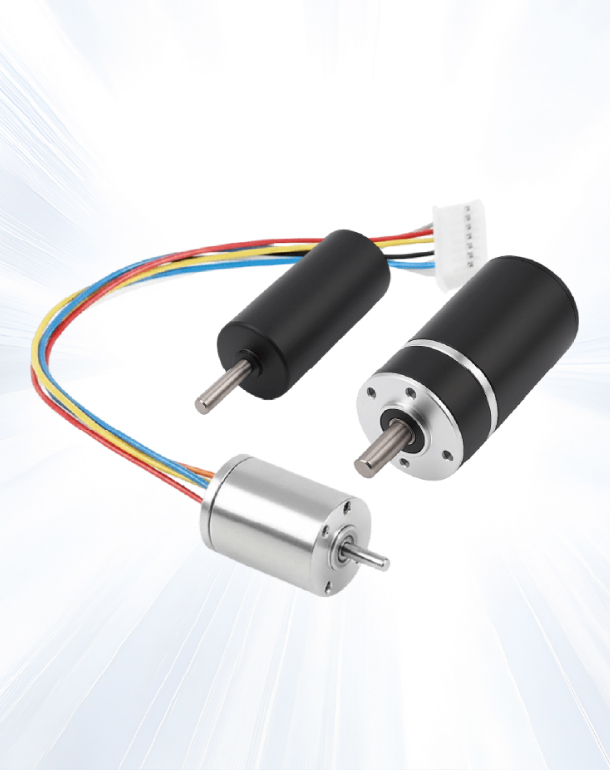
  • Winding Selection to Match Your Supply Rails
  • Stall-Current Limit Strategy Before Torque Assumptions
  • Speed Target Lock-In Around the 10k r/min Class
  • Thermal Planning From No-Load and Rated Current
  • Variant Strategy for 12V and 24V Product Families

Custom Now

Related

Explore Our Motor

View All Products

FAQ

Frequently Asked Questions

If you share your available space and the driven load type, we can help narrow the most suitable configuration quickly.

How do I choose between the 12V and 24V versions quickly?
Match your supply voltage first, then confirm stall current fits your driver and protection limits. Use rated speed as the final check.
Why do both versions show similar rated speed and rated torque?
The table keeps the working output window consistent while separating the electrical load behavior, so voltage matching becomes the main selection lever.
Which version is easier on the driver current limit?
The 24V version lists a lower stall current (1.00A), so it typically reduces peak current stress under stall events.
What should I share so you can shortlist the best option?
Share your supply voltage, target operating speed, expected load torque, duty cycle, and any current-limit constraints in the driver.
Is this suitable for repeat production across variants?
Yes. You can standardize the mechanical envelope and select 12V or 24V winding to match different system voltage families.
Get Started

Accelerate Your Project with Precision Motors