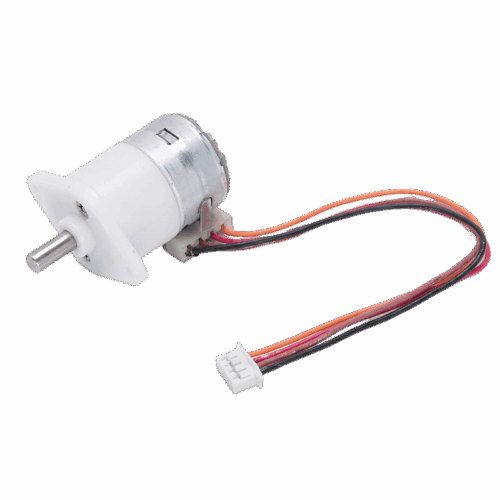
Stepper Motors

Precision stepper motors for accurate, repeatable positioning in automation, robotics, and motion-control systems.
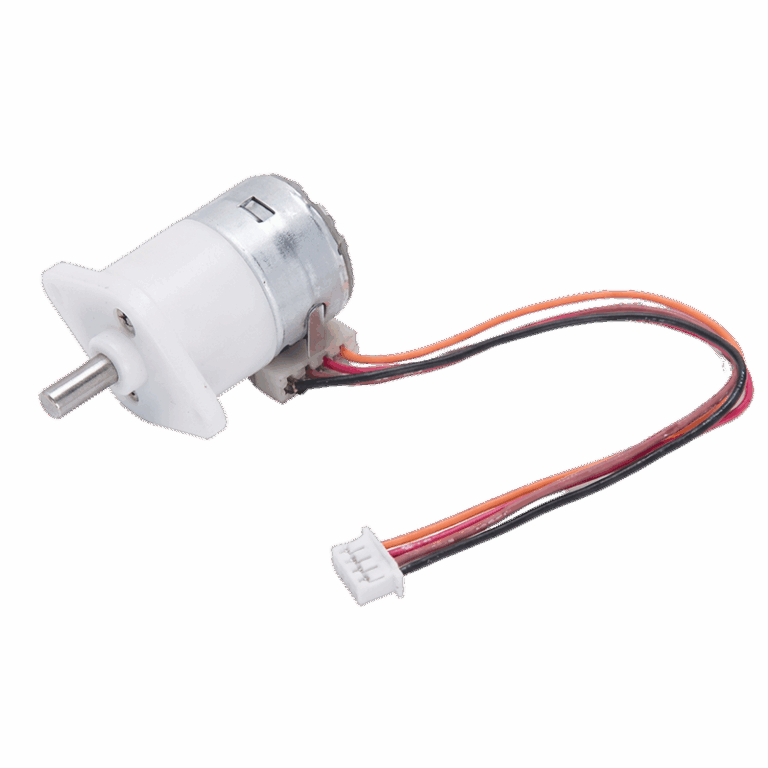
Stepper Motors Featured Image
A Closer look

What is a Stepper Motor

Definition

A stepper motor divides rotation into precise steps, allowing controlled movement without needing feedback sensors.

Key Benefits

  • High positioning accuracy
  • Stable and repeatable motion
  • Compatible with digital control systems
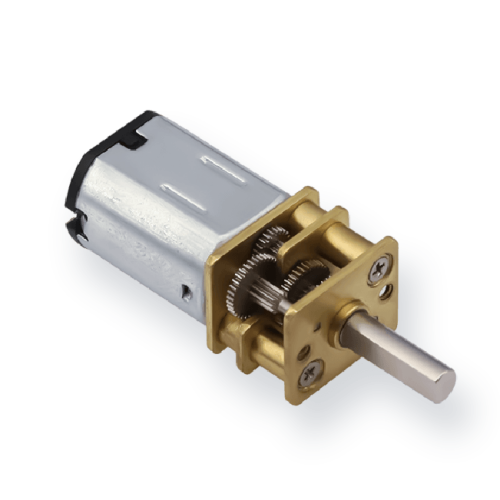
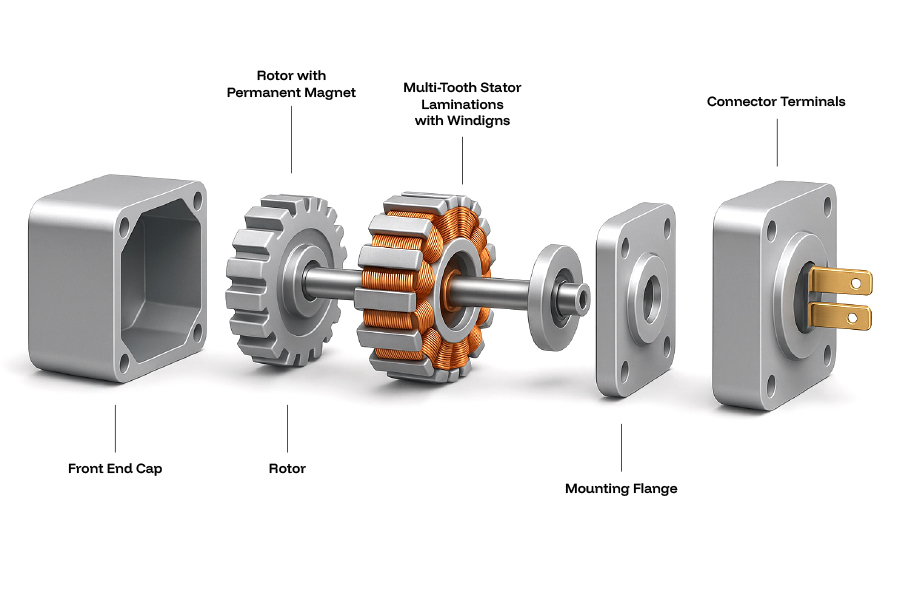
Stepper DC Motor Diagram Explosed View
Products

Explore Our Motors

Category
  • Spur Gear Motors
  • Planetary Gear Motors
  • Worm Gear Motors
  • Stepper Motors
  • Brushed DC Motors
  • Brushless DC Motors
  • Coreless DC Motors
Application
  • Robotics
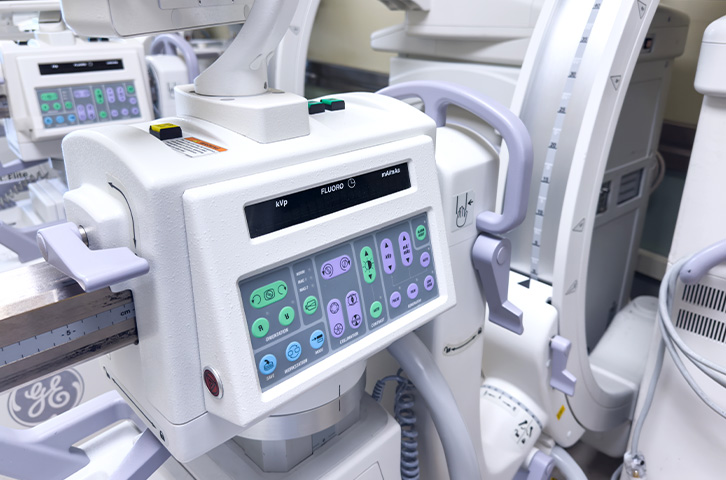
  • Medical Equipment
  • Drone / UAV
  • Precision Instrument
  • Industrial Automation
10 Item(s) Found
Sort by :

Why Choose us

Why Choose SLW Motor

  • Customisation capability

    We offer custom voltage, sizes (Ø10–22 mm), gear types, and add-ons such as encoders or Hall sensors, ensuring a perfect fit for your specific design.

  • Quality focus

    With 20 years of manufacturing experience and ISO 9001 certification, SLW Motor delivers reliable products with consistent quality and durability.

  • Relevant performance features

    Our motors feature low noise, high torque, high efficiency, and smooth operation, meeting the needs of demanding precision systems.

  • Gearbox & integration support

    SLW Motor provides complete gearbox solutions—planetary or spur—simplifying assembly and improving performance for your motor applications.

Applications

Stepper Motor Applications

Robotics and Automation

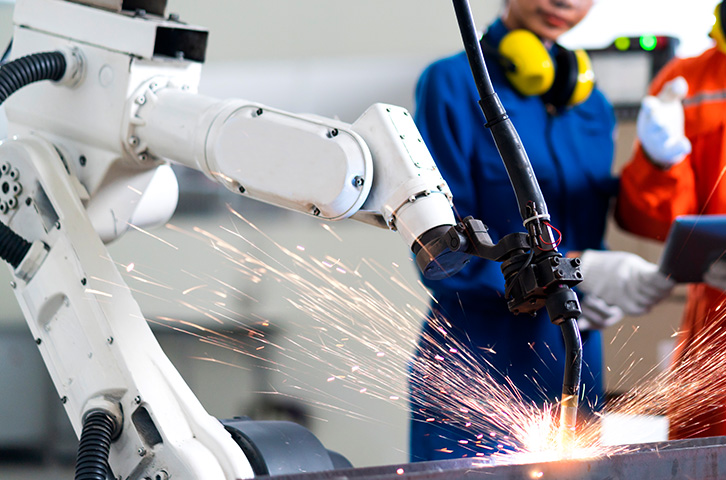
Stepper motors are widely used in robotic arms, automation modules, and motion-control platforms where precise, repeatable positioning is essential. Their step-by-step movement enables accurate path control, smooth transitions, and reliable performance without feedback sensors.

This makes them ideal for compact robotic assemblies, pick-and-place systems, and automated production equipment.

Learn More
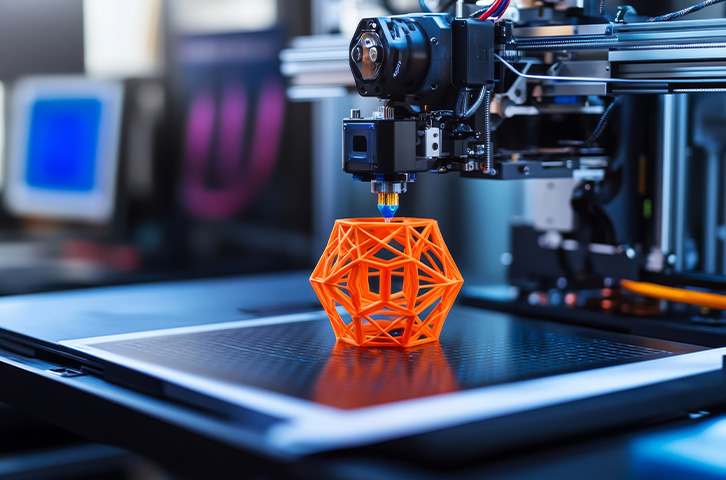
3D Printing and CNC Equipment
Medical and Laboratory Devices
Optical and Measurement Systems
FAQ

Frequently Asked Questions

Explore the essential information you need when selecting and using stepper motors.

What is a stepper motor and how does it work?
A stepper motor is a brushless motor that rotates in precise steps. Each electrical pulse moves the shaft by a fixed angle, allowing accurate positioning without feedback sensors. This makes stepper motors ideal for applications requiring repeatable, controlled motion.
What are the main types of stepper motors?
The main types are Permanent Magnet (PM), Hybrid, and Variable Reluctance stepper motors, with hybrid models being the most common due to their high torque and precision.
What are the advantages of using a stepper motor?
They offer precise, repeatable positioning, stable low-speed performance, simple digital control, long service life, and cost-effective operation.
What industries commonly use stepper motors?
Stepper motors are widely used in 3D printers, CNC machines, robotics, medical and lab devices, optical equipment, textile machinery, packaging systems, and semiconductor equipment.
What factors should I consider when selecting a stepper motor?
When choosing a stepper motor, focus on the required torque, speed range, step angle/resolution, motor size and mounting, voltage/current rating, and the operating environment to ensure reliable performance.
What is the difference between a stepper motor and a servo motor?
A stepper motor moves in fixed steps and does not require feedback for control, making it ideal for low- to medium-speed precision applications. A servo motor uses closed-loop control with sensors and is better suited for high-speed, high-torque, or dynamic load changes. Stepper motors offer a simpler and more cost-effective solution.
Do stepper motors require a driver?
Yes. Stepper motors must be paired with a compatible stepper driver to control pulse signals, direction, and speed. The driver ensures stable operation and protects the motor.
Can stepper motors operate at high speed?
Stepper motors perform best at low to medium speeds. While they can run at higher RPM, torque decreases as speed increases. For high-speed applications, a BLDC or servo motor may be more suitable.
How long is the lifespan of a stepper motor?
Stepper motors have a long mechanical lifespan because they have no brushes. With proper load, temperature management, and correct driver settings, they can operate reliably for tens of thousands of hours.
Get Started

Accelerate Your Project with Precision Motors