


Precision Gears
Precision gears deliver reliable power transmission. Tight tolerances and optimized tooth geometry cut vibration, boost efficiency, and extend service life in automation and industrial drives.



Precision gears deliver reliable power transmission. Tight tolerances and optimized tooth geometry cut vibration, boost efficiency, and extend service life in automation and industrial drives.
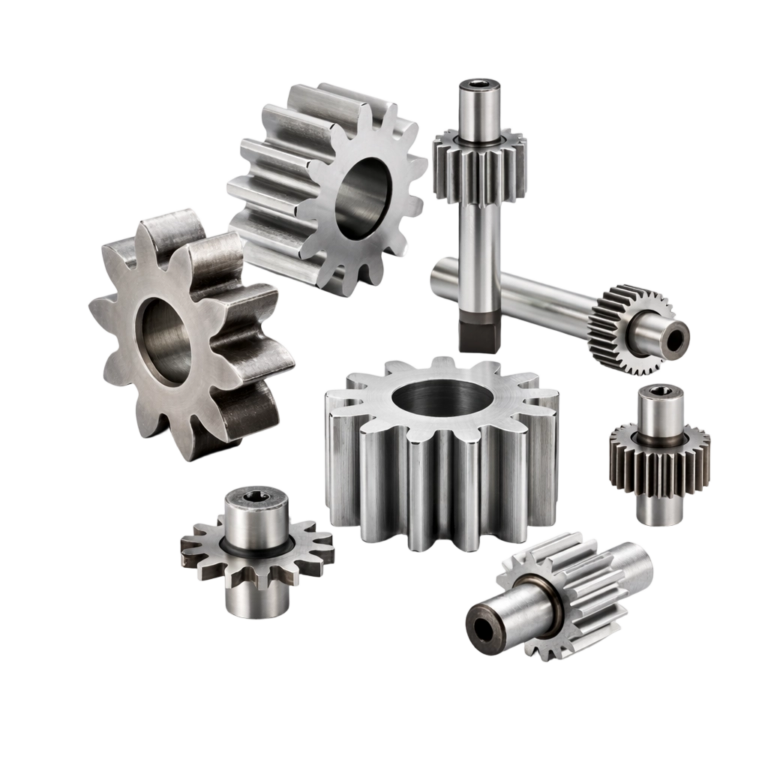
Precision gears are engineered transmission components designed for high-accuracy motion control and reliable torque transfer in industrial systems.
They are characterized by:
We manufacture precision gears from module 0.15 to 5.0, serving industrial and commercial applications worldwide.


We specialize in small to medium module precision gears ranging from module 0.15 to 5.0, suitable for:
All gears are produced according to customer drawings and functional requirements.

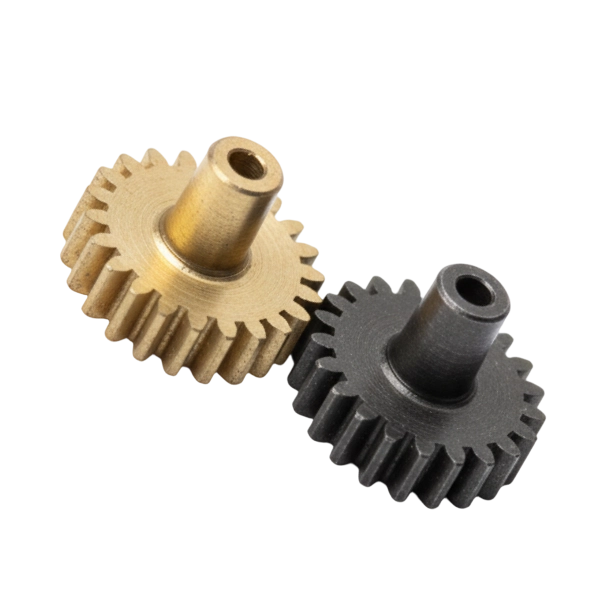
Typical Grades: C3604, H59
Characteristics: Excellent machinability, good corrosion resistance, and stable dimensional accuracy.
Applications: Commonly used for small precision gears in instruments, electronics, and light-duty transmission mechanisms.

Typical Grades: SUS416 (Y1Cr13), SUS420J2 / 420 (2Cr13, 3Cr13)
Characteristics: High strength, good wear resistance, and strong corrosion resistance.
Applications: Suitable for gears used in medical devices, food machinery, and environments requiring rust resistance.

Grades: 40Cr, 20CrMo, 42CrMo
Characteristics: High hardness after heat treatment, excellent fatigue strength, and strong load capacity.
Applications: Widely used in industrial equipment, automotive transmission systems, and heavy-duty gear mechanisms.

Characteristics: Good wear resistance and excellent vibration damping properties.
Applications: Often used in mechanical systems where stability and durability are required.

Characteristics: Lightweight, corrosion resistant, and easy to machine.
Applications: Suitable for robotics, aerospace components, and precision lightweight mechanisms.

Typical Materials: PA, POM, PEEK
Characteristics: Low friction, low noise, lightweight, and corrosion resistant.
Applications: Commonly used for gears in electronics, consumer products, and small precision mechanical systems.

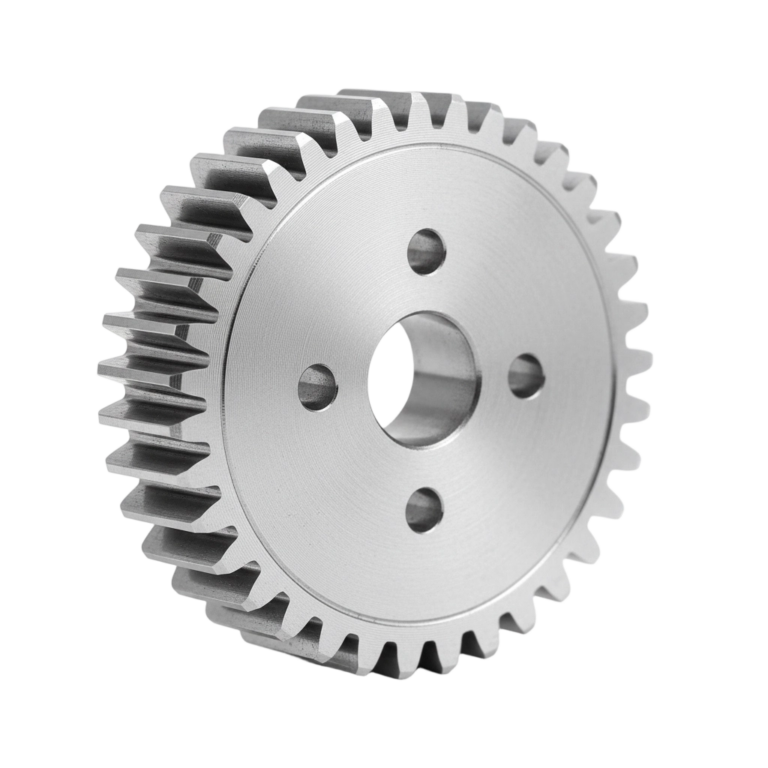
Used for accurate tooth generation across spur and helical gears, ensuring consistent geometry and repeatable production.

Suitable for cost-effective production of high-volume gears with stable structural properties.

Ideal for lightweight engineering plastic gears requiring noise reduction and corrosion resistance.

Applied for shaft integration, custom profiles, and secondary machining to meet specific dimensional requirements.

Enhances hardness and wear resistance for metal gears operating under load conditions.

Provides corrosion protection and surface durability based on environmental exposure and operating conditions.


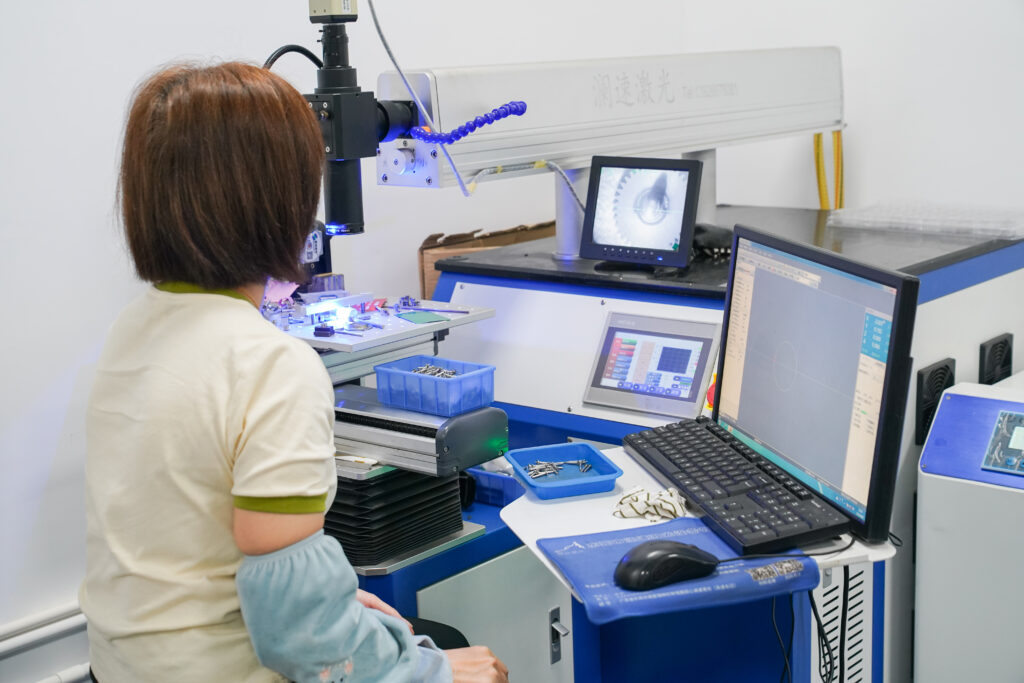
Material composition and chemical properties are verified to ensure the required hardness, strength, and toughness after heat treatment. Blanks are also inspected after turning to ensure that only qualified parts proceed to the next manufacturing process.

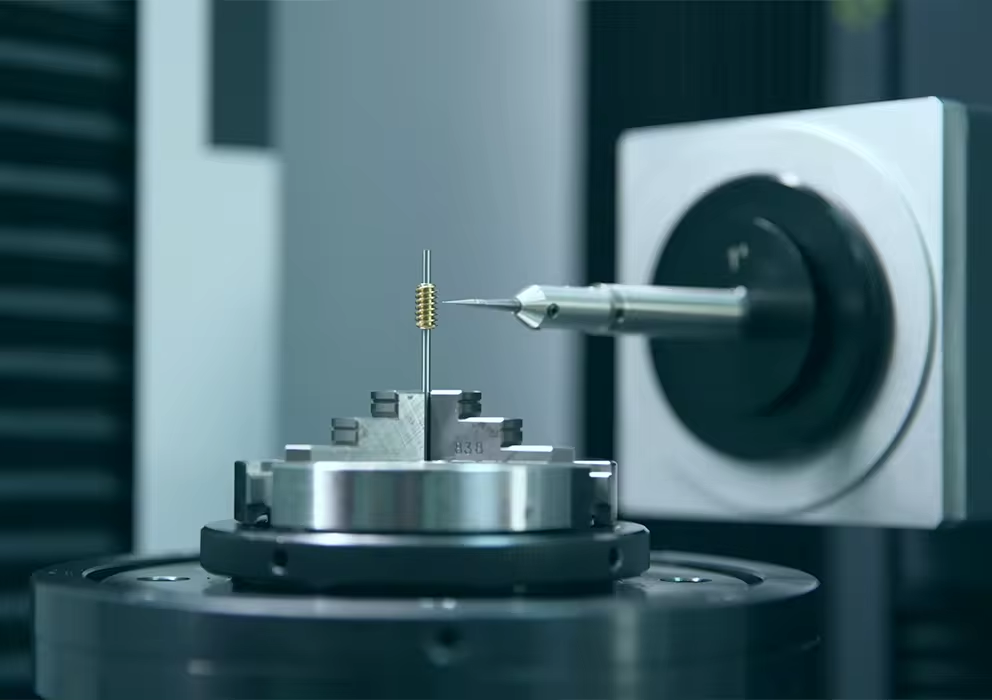
Critical dimensions such as bore diameter, outer diameter, and gear face width are verified to ensure full compliance with engineering drawings and design specifications.

Surface integrity is evaluated to reduce friction, limit wear, and support long-term operational stability.

After heat treatment, gear parameters such as runout and span measurement are rechecked to ensure deformation caused by quenching remains within acceptable tolerances.
Precision gears enable accurate, repeatable motion with reduced backlash, ideal for robotic joints, actuators, and positioning systems.
Learn More



Material and surface treatment are selected based on load, wear conditions, environment, and service life requirements.

Tooth profile, module, and helix parameters are reviewed to ensure proper meshing and efficient transmission.

Clearance is defined according to accuracy and motion requirements to maintain stable gear engagement.

Torque capacity and working loads are evaluated to confirm structural suitability under real operating conditions.
Find quick answers to the most common questions about our precision gears


English

Japanese

Korean
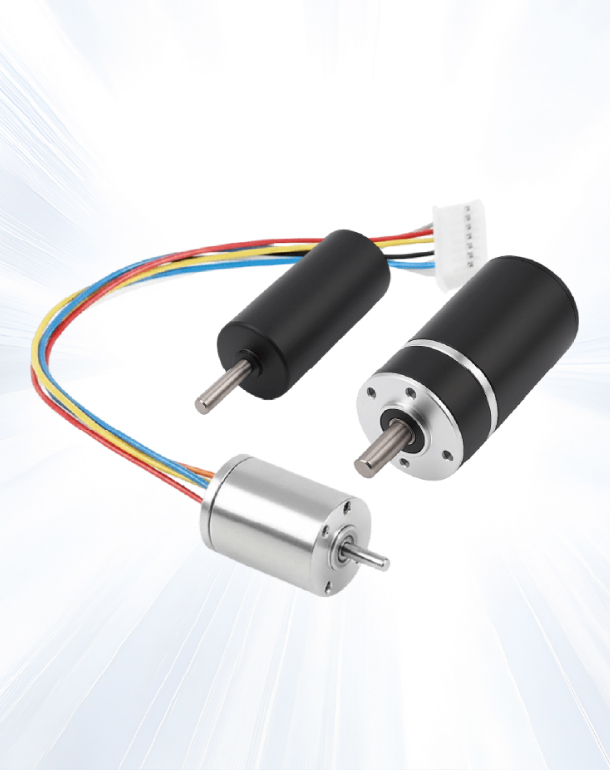
Tell us about your project or application, and our team will get back to you with technical support, product recommendations, or a customized motor solution.