What is a brushed DC motor and how does it work?
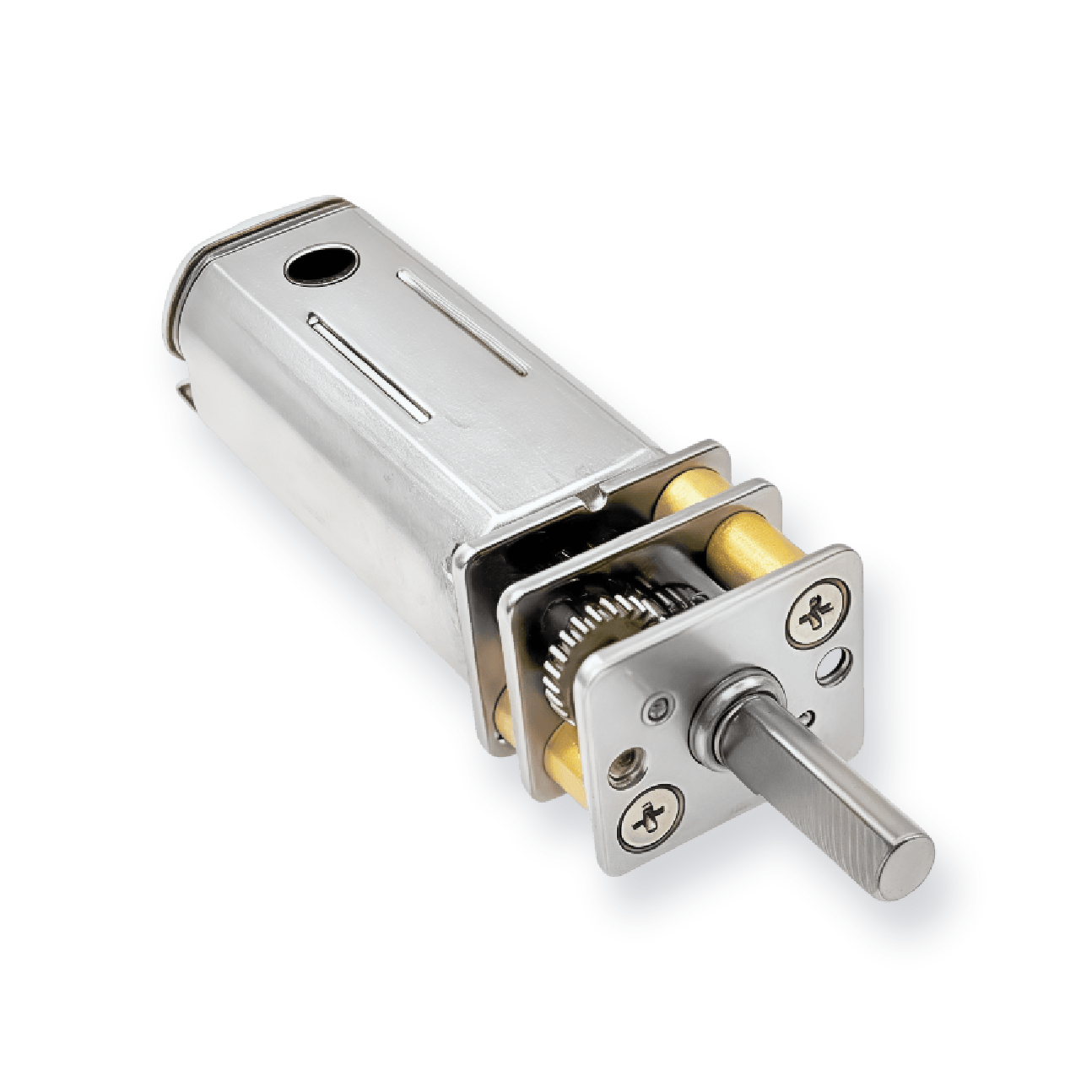
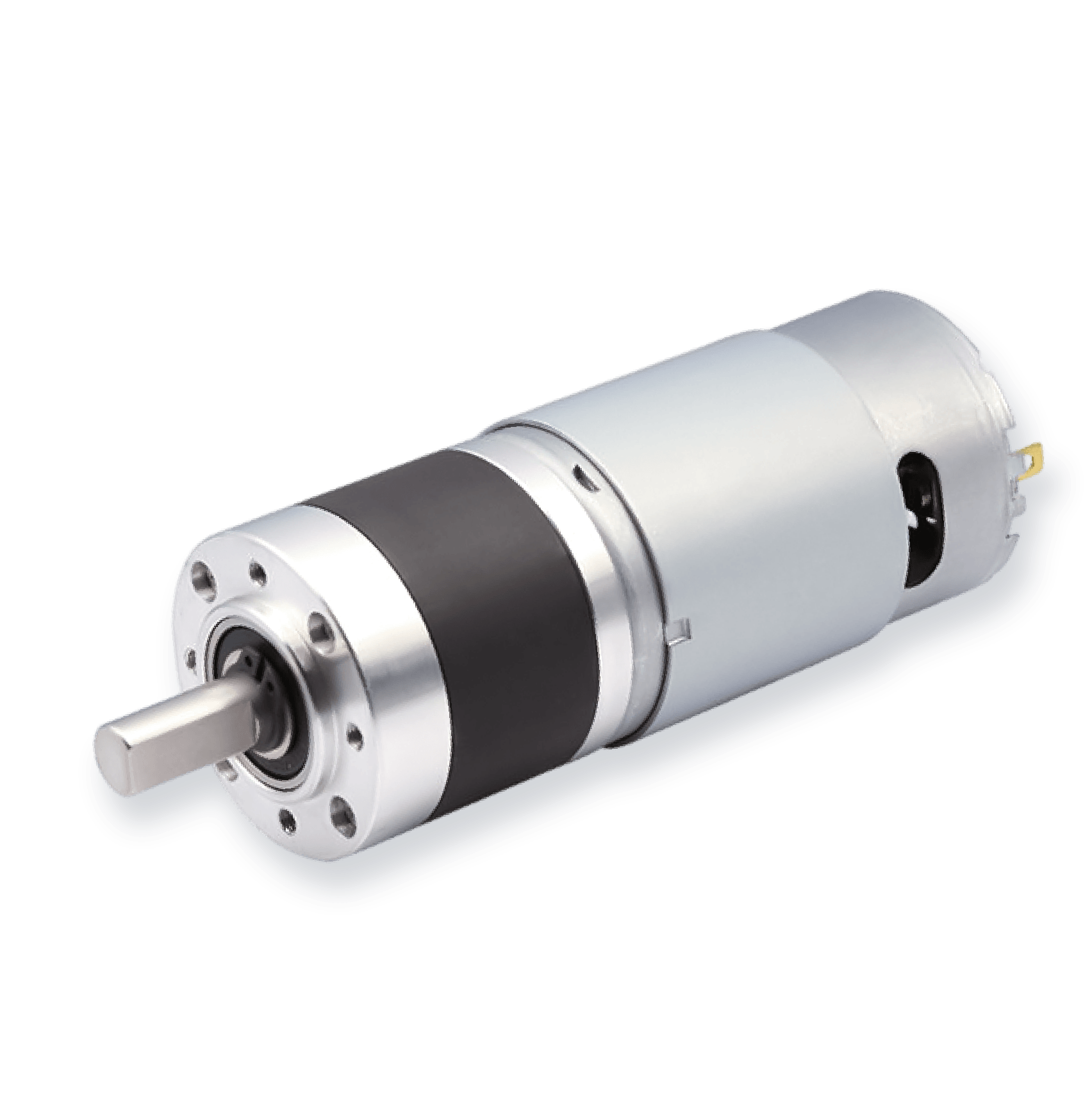
A brushed DC motor is a simple electric motor that uses carbon brushes and a commutator to deliver continuous rotation. When current flows through the windings, the magnetic field interacts with the permanent magnets, producing torque. As the motor spins, the brushes switch the electrical polarity, allowing smooth and steady rotation. Its straightforward structure makes it reliable, cost-effective, and easy to control.
What are the advantages of using brushed DC motors?
Brushed DC motors offer strong starting torque, simple speed control, and compatibility with basic drivers, making them ideal for cost-sensitive applications. Their mechanical commutation allows quick response and stable performance without complex electronics, which is why they remain widely used despite newer motor technologies.
What applications are brushed DC motors suitable for?
Brushed DC motors are commonly used in automotive systems, small household appliances, medical devices, office equipment, toys, and industrial tools. Their ability to run smoothly at low speeds and deliver predictable torque output makes them a versatile choice for both consumer and industrial products.
How long does a brushed DC motor last?
Motor lifespan depends on operating load, speed, environment, and brush quality. Under proper conditions, a brushed DC motor can run for thousands of hours before maintenance is needed. Manufacturers like us use high-grade brushes, optimized commutators, and stable windings to extend service life and ensure consistent reliability.
How do I choose the right brushed DC motor for my project?
Selecting the right brushed DC motor depends on torque requirements, speed range, voltage, size constraints, and expected duty cycle. Providing details about your application enables us to recommend or customize the most suitable motor, including adjustments to shaft type, gearbox ratios, windings, and mounting structures.
Can brushed DC motors be customized for OEM applications?
Yes, we support complete OEM customization including voltage, speed, torque, motor dimensions, gearbox configurations, shafts, connectors, and wiring. Custom designs help optimize performance, reduce noise, and ensure perfect integration into your device. Manufacturers often customize brushed motors to achieve better efficiency and longer service life.
What is the difference between brushed and brushless DC motors?
Brushed motors use mechanical brushes to switch current, while brushless motors use electronic commutation. Brushed motors are simpler, more affordable, and easier to control, making them ideal for budget-friendly or low-complexity devices. Brushless motors provide higher efficiency, longer lifespan, and quieter operation, typically used in premium or long-duty applications.
Are brushed DC motors noisy?
Brushed motors naturally generate more noise than brushless motors due to brush–commutator contact. However, with quality components, optimized windings, and proper lubrication, noise levels can be significantly reduced. For many devices, brushed motors offer an excellent balance between performance and acoustic comfort.
Can brushed DC motors run continuously for long periods?
A brushed DC motor can run continuously if correctly matched to the load and adequately cooled. Operating the motor within its rated voltage, torque, and temperature limits is essential for stable performance. For continuous-duty applications, we can design motors with enhanced cooling efficiency and low-wear brushes to maximize durability.