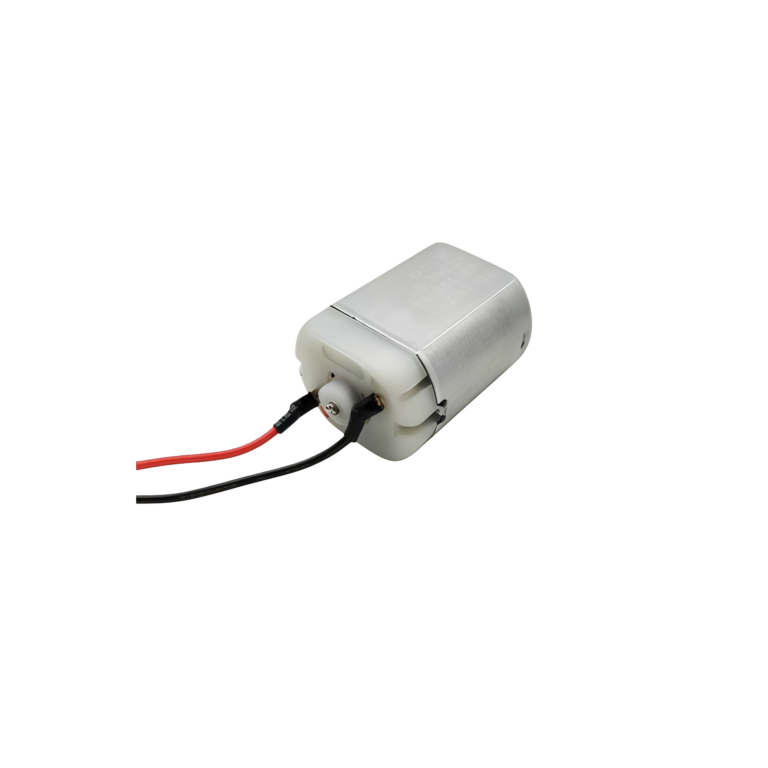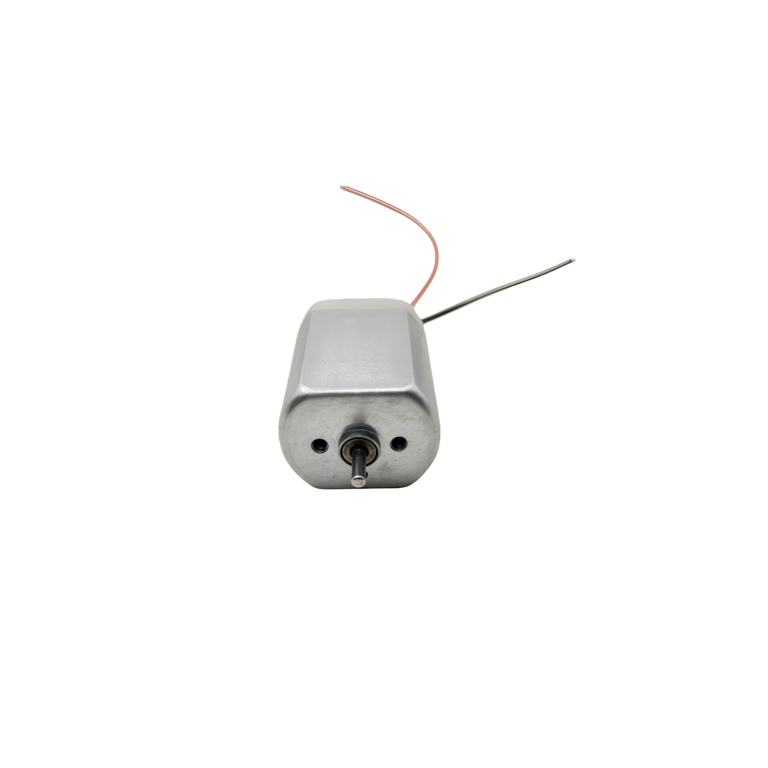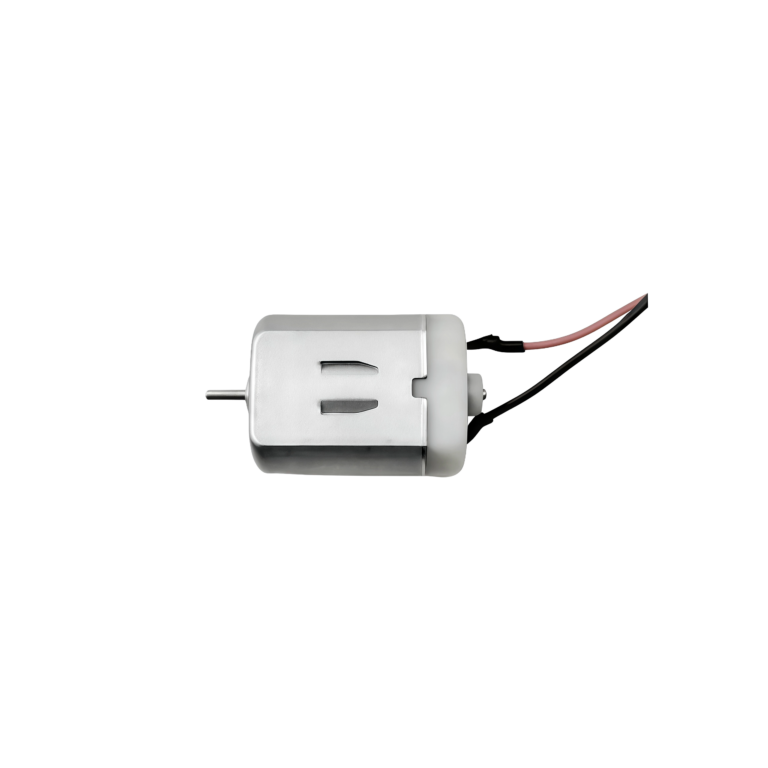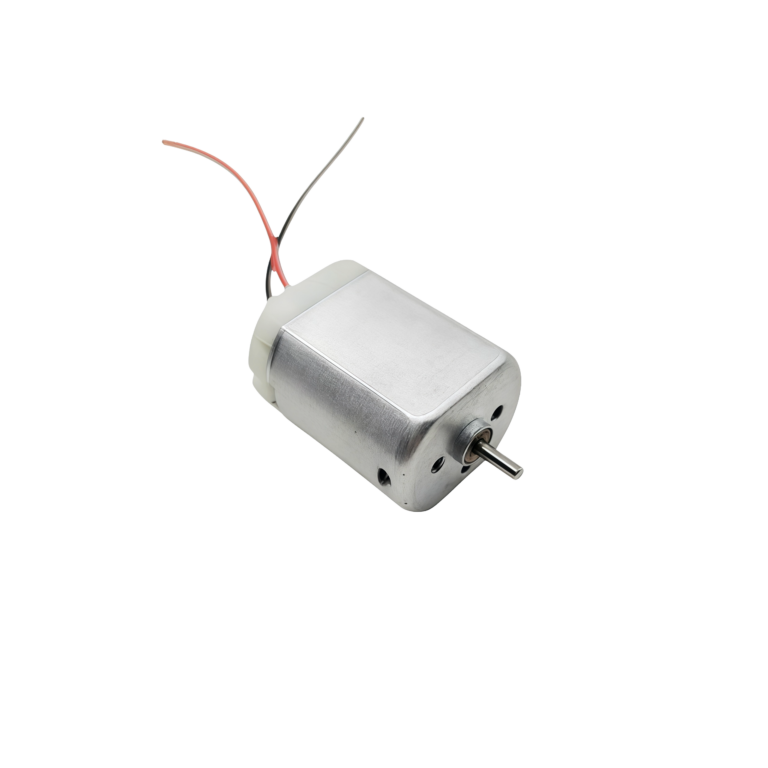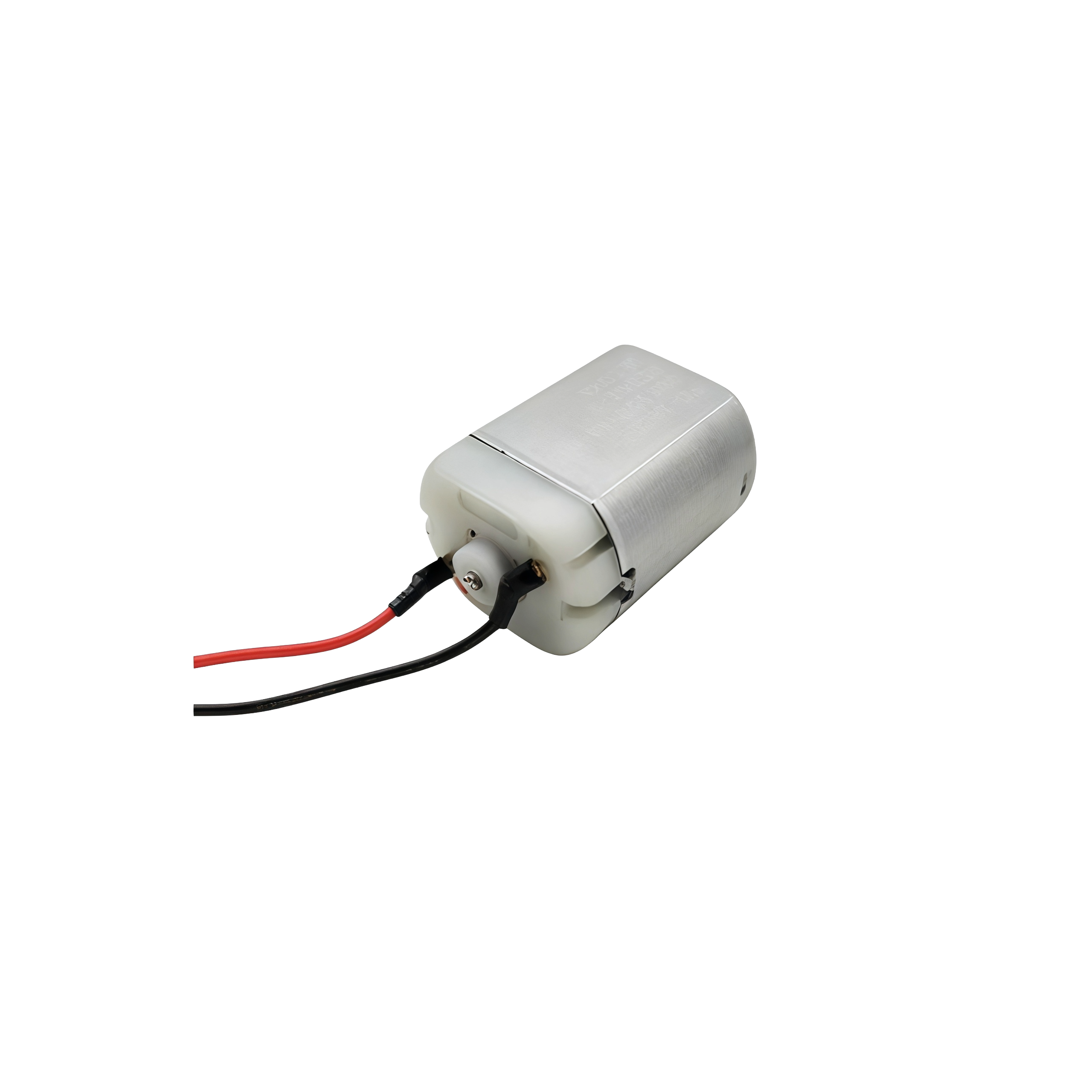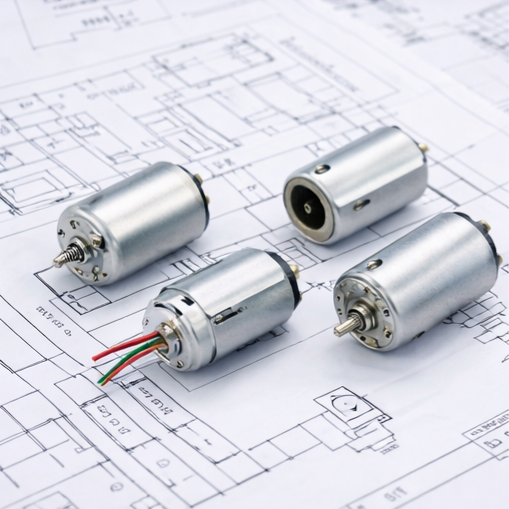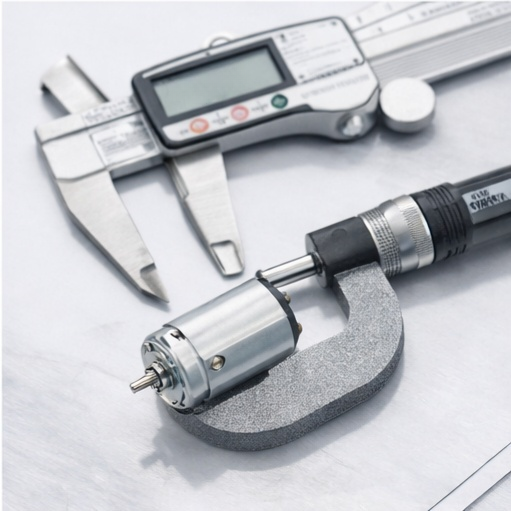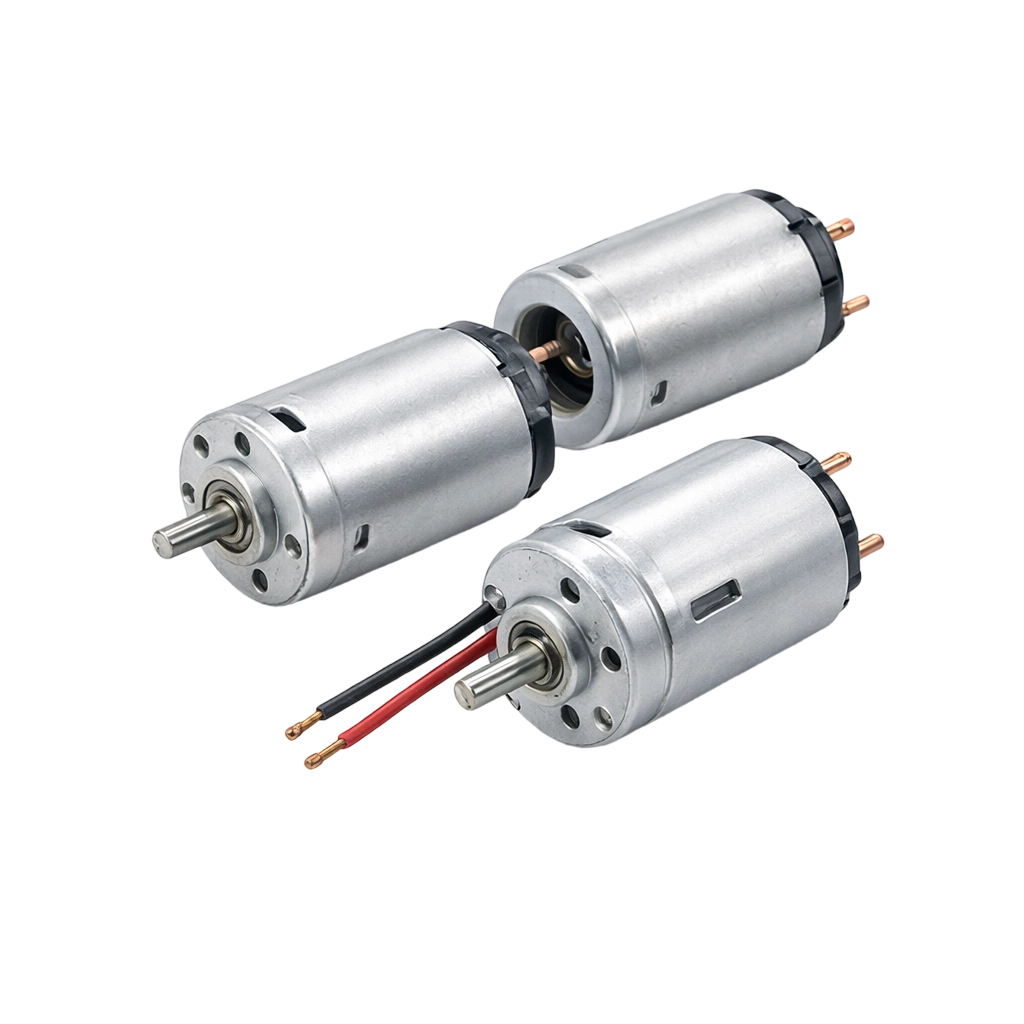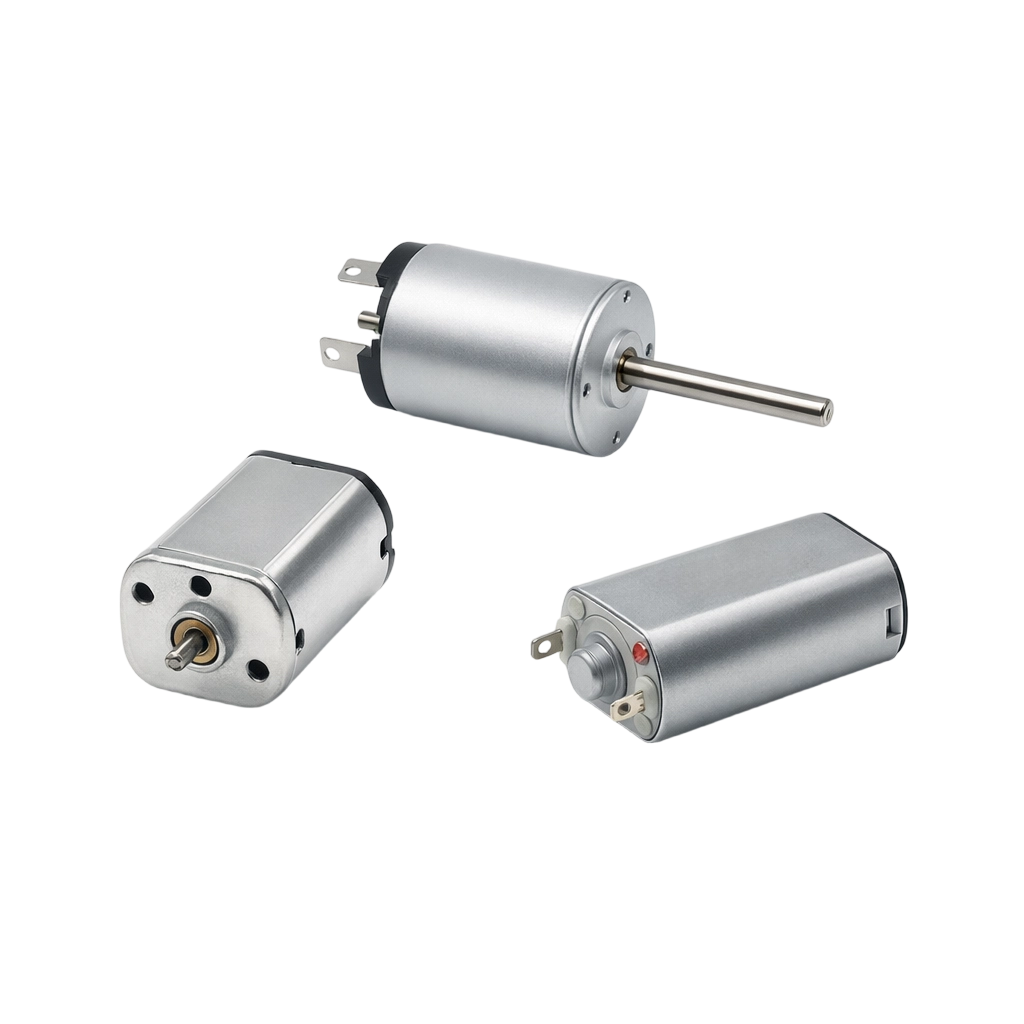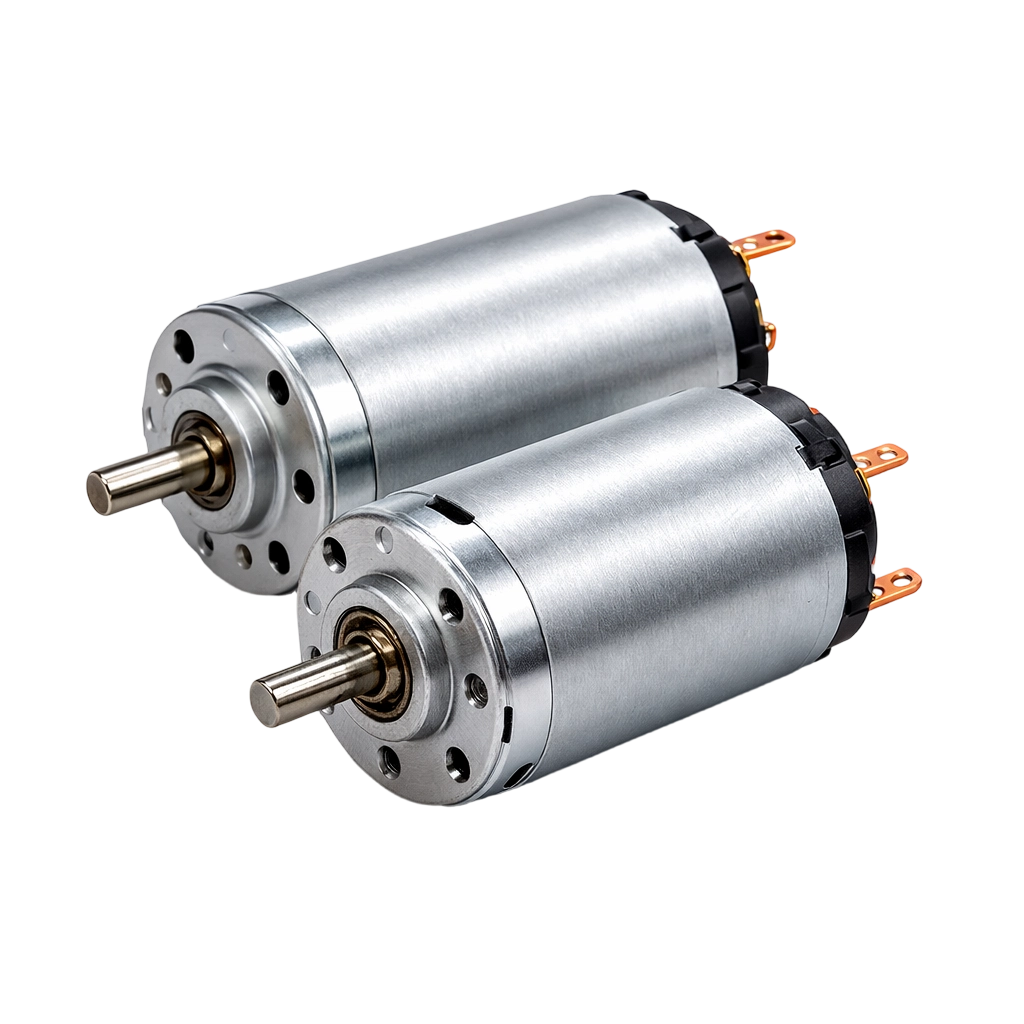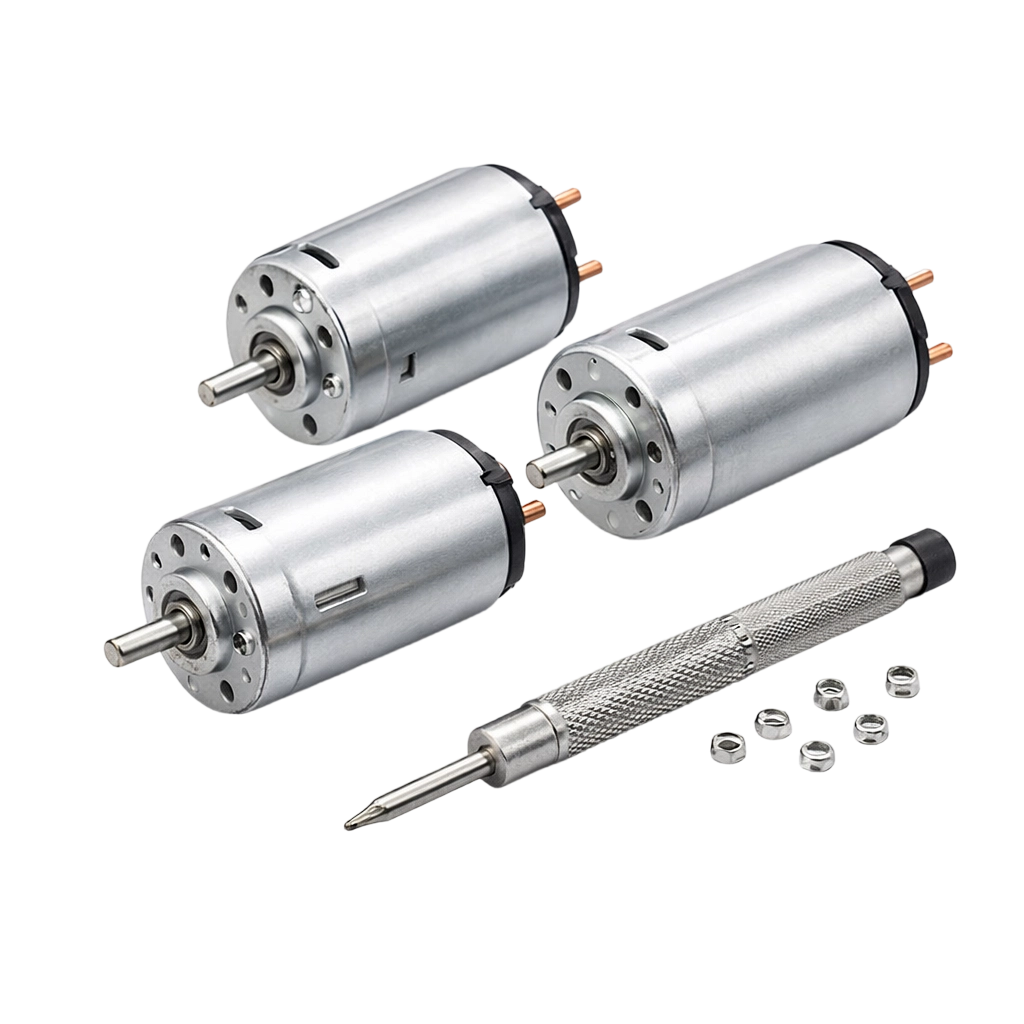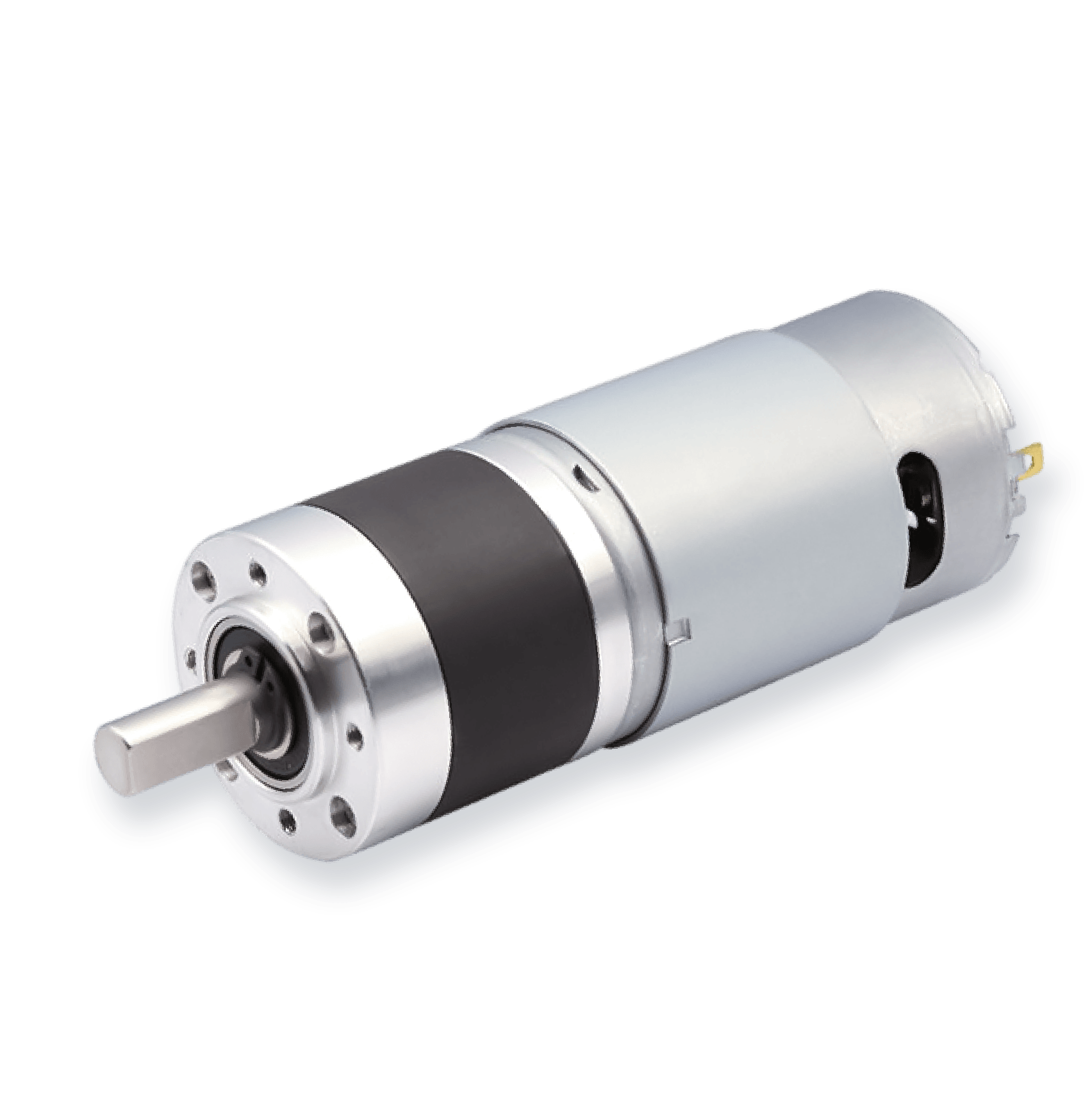
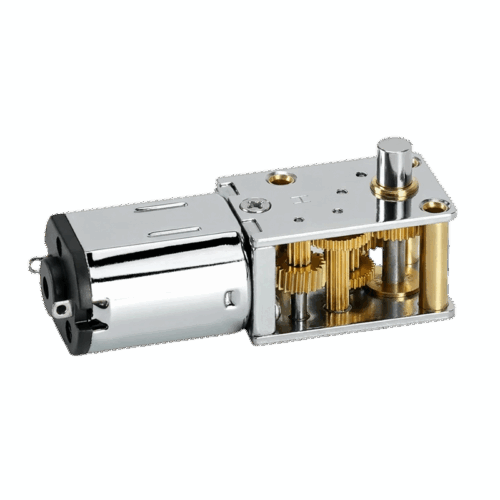
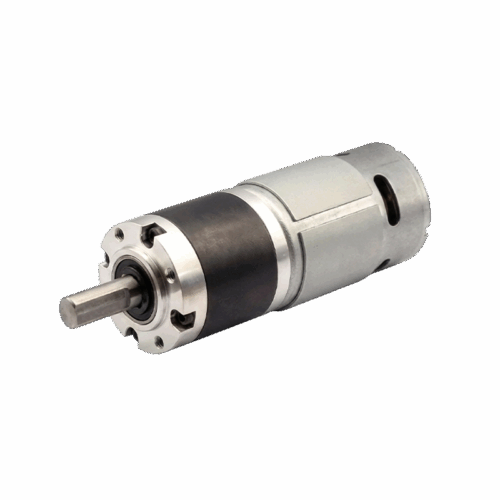
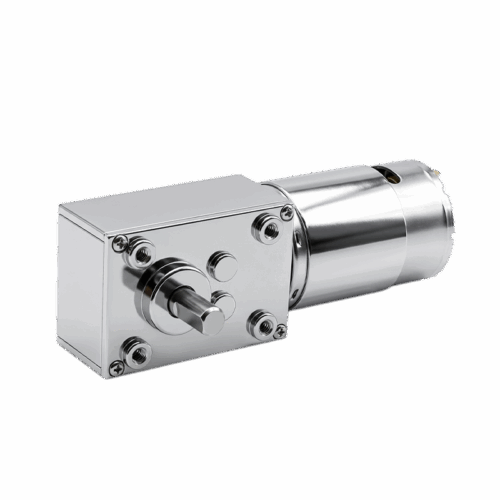
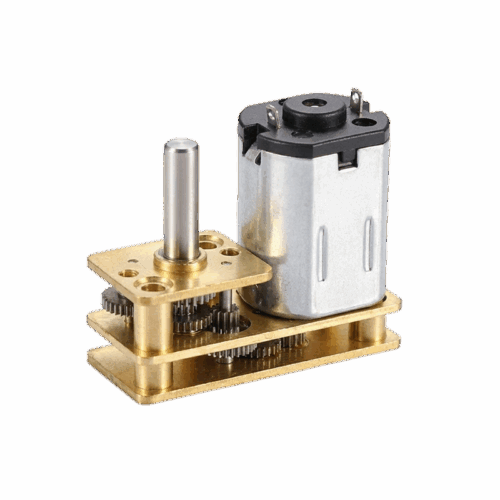
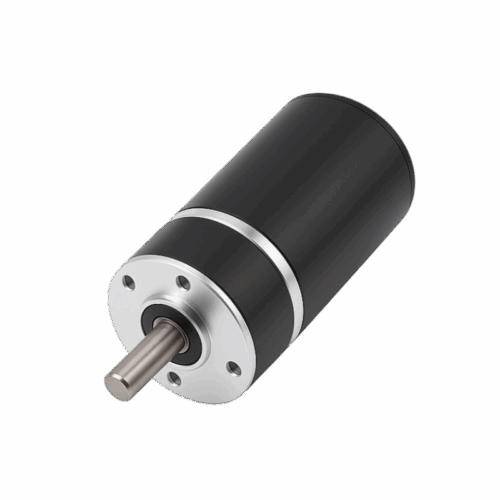
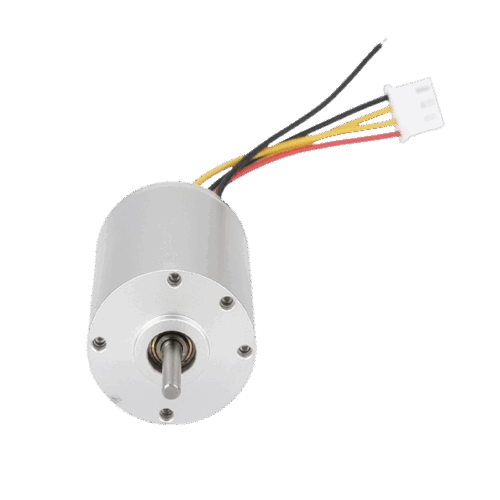
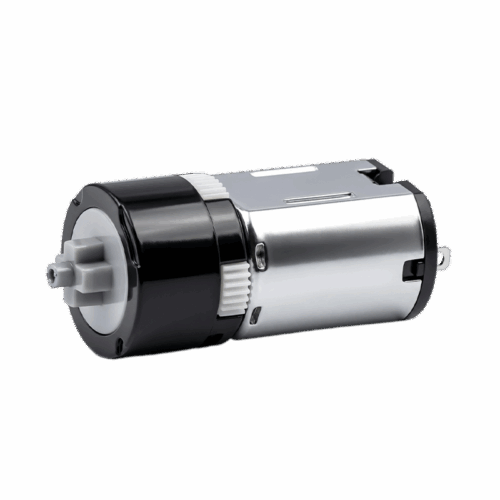
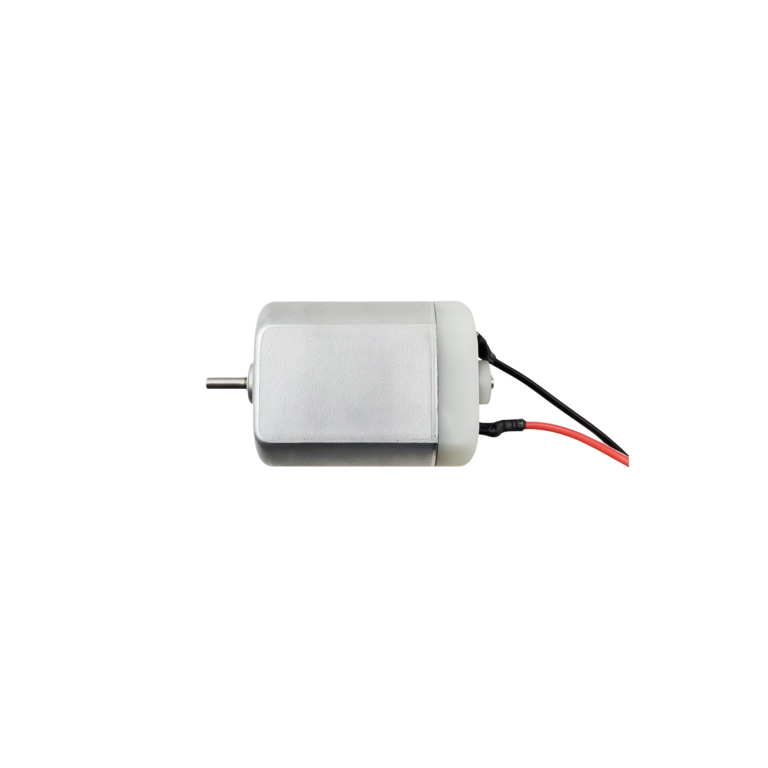
24mm Diameter 280 Micro Brushed DC Motor

This 24mm 280 brushed DC motor is designed for 3–24V systems where you anchor selection to a 24V data point, then size speed and current around a 4,000 rpm rated-speed target and a defined stall-torque boundary.

Get a Quote
  • 24mm Diameter 280 Micro Brushed DC Motor Featured Image
Specs

Key Features

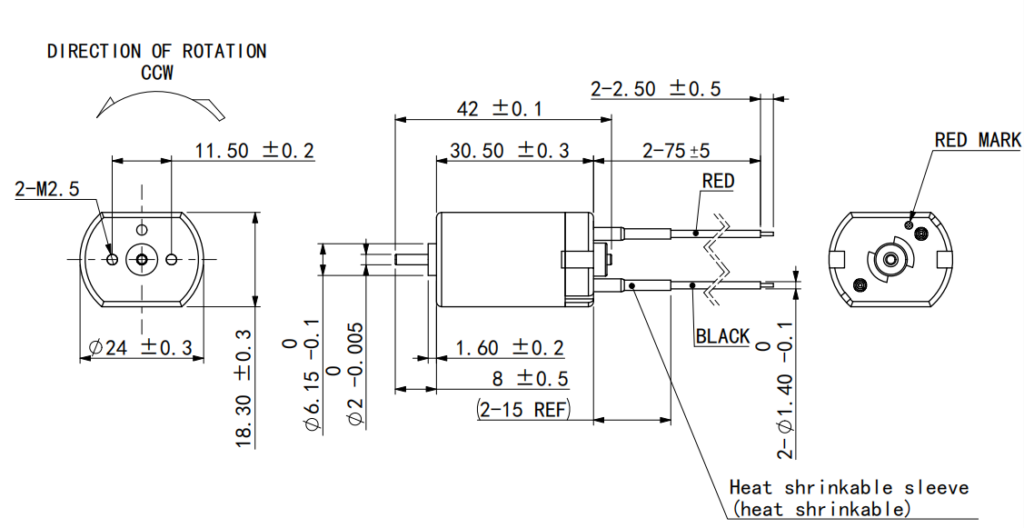
This model is a 280 brushed DC motor platform defined by a compact Φ24×L30.5 envelope and a clear 24V performance baseline, making selection straightforward when you need a mid-speed drive with explicit current and torque limits.

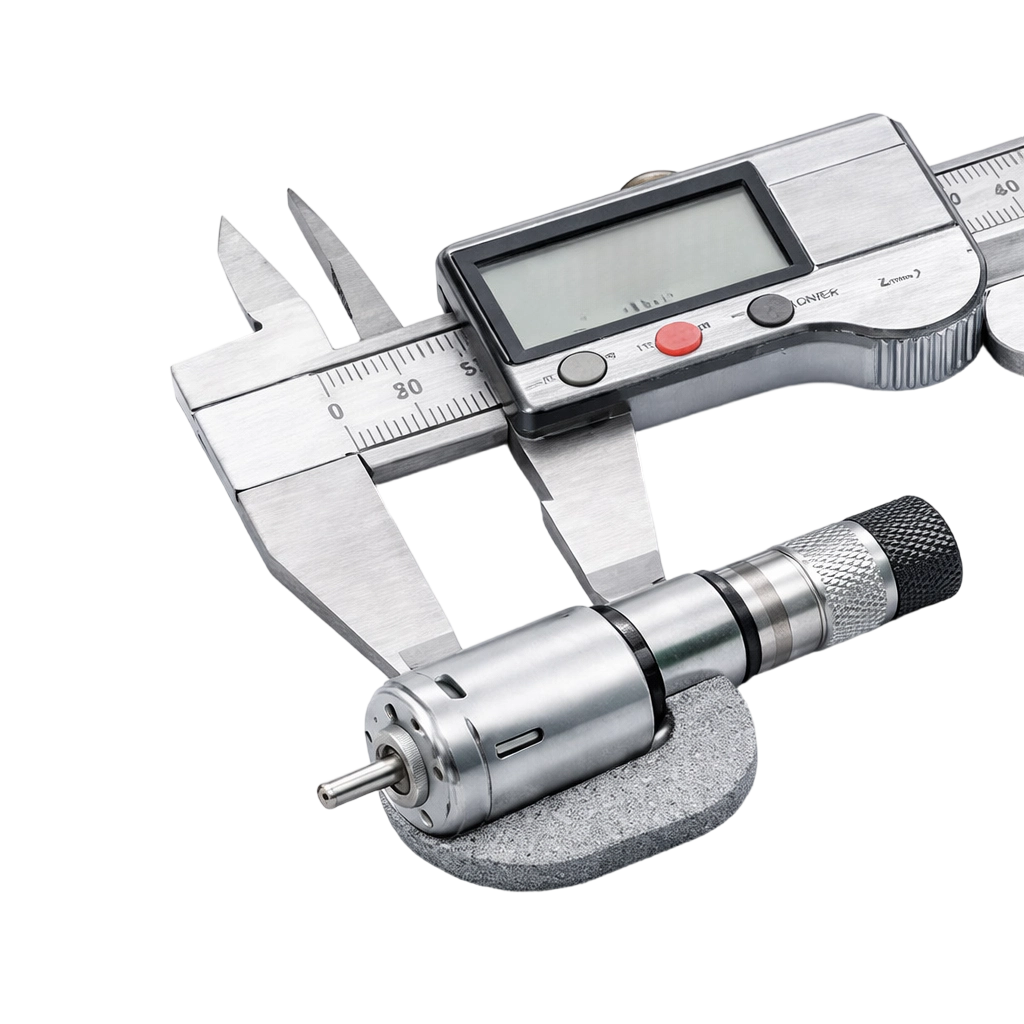
  • Φ24×L30.5 envelope supports compact assemblies that need a standard 280 motor form factor
  • 3V–24V applied range fits wide system voltage architectures while performance is anchored at 24V
  • No-load speed (6000 r/min) and rated speed (4000 r/min) provide a clear speed drop for real load planning
  • No-load current (130 mA) and rated current (200 mA) define normal electrical load budgeting
  • Stall torque (90.0 g.cm) defines the overload boundary for jam events and mechanical stop risk
technical Specs

Motors Specifications

Motor Model Rated voltage No-load speed No-load current Rated speed Rated torque Rated current Stall torque
VDC r/min mA r/min g.cm mA g.cm
SLW-280 24 6000 130 4000 40 200 90

For additional customization or reference configurations, please feel free to contact us.

Why Choose us

SLW Motor Highlights

  • 24V Baseline Makes Selection Predictable

    A defined 24V data point helps you plan speed and current without guessing how the motor behaves at nominal supply.

  • Clear Speed Drop for Load Planning

    The table shows 6000 r/min no-load versus 4000 r/min rated speed, which helps estimate working RPM once the mechanism is loaded.
  • Current Budget Anchored by Two Practical Numbers

    No-load current and rated current create a simple baseline for wiring, driver sizing, and thermal planning.

  • Stall Torque Defines Jam and Hard-Stop Risk

    Stall torque provides the boundary condition for fault events, so protection and mechanical stop design can be planned early.

Custom

Beyond the Standard: Performance Customized

  • 01
    24V Rail Fit and Control Method
    We confirm rail stability and control method first so the motor does not live in over-voltage spikes or under-voltage sag states.
  • 02
    Rated-Speed Target Lock-In at 4000 rpm
    We map your target operating RPM to the rated-speed line rather than no-load speed to avoid under-torque selection.
  • 03
    Current Budget Planning Under Duty Cycle
    We plan around the rated current for steady operation and confirm your duty cycle does not push the motor into overheating behavior.
  • 04
    Stall Torque Boundary for Protection Logic
    We define jam handling—current limit, timeout, and restart behavior—so brief stalls do not cause repeated thermal stress.
  • 05
    Variant Strategy Across 3–24V Systems
    If you plan multiple SKUs, we keep the 280 mechanical platform constant and differentiate system behavior primarily by voltage and control settings.
  • 24V Rail Fit and Control Method
  • Rated-Speed Target Lock-In at 4000 rpm
  • Current Budget Planning Under Duty Cycle
  • Stall Torque Boundary for Protection Logic
  • Variant Strategy Across 3–24V Systems

Custom Now

FAQ

Frequently Asked Questions

If you share your available space and the driven load type, we can help narrow the most suitable configuration quickly.

How do I choose this motor quickly?
Confirm your supply can provide 24V behavior, use rated speed (4000 rpm) as the working target, then verify current budgeting and stall protection strategy.
Why is rated speed lower than no-load speed?
Rated speed reflects the motor under load, while no-load speed is measured with minimal mechanical load.
What does stall torque tell me?
It defines the overload boundary during jams and hard stops, which drives protection logic and mechanical durability planning.
What should I share so you can confirm suitability faster?
Share your supply voltage, target RPM, load torque estimate, duty cycle, and any driver current-limit constraints.
Is it suitable for repeat production?
Yes. A single defined configuration with clear speed/current/torque baselines supports consistent integration.
Get Started

Accelerate Your Project with Precision Motors