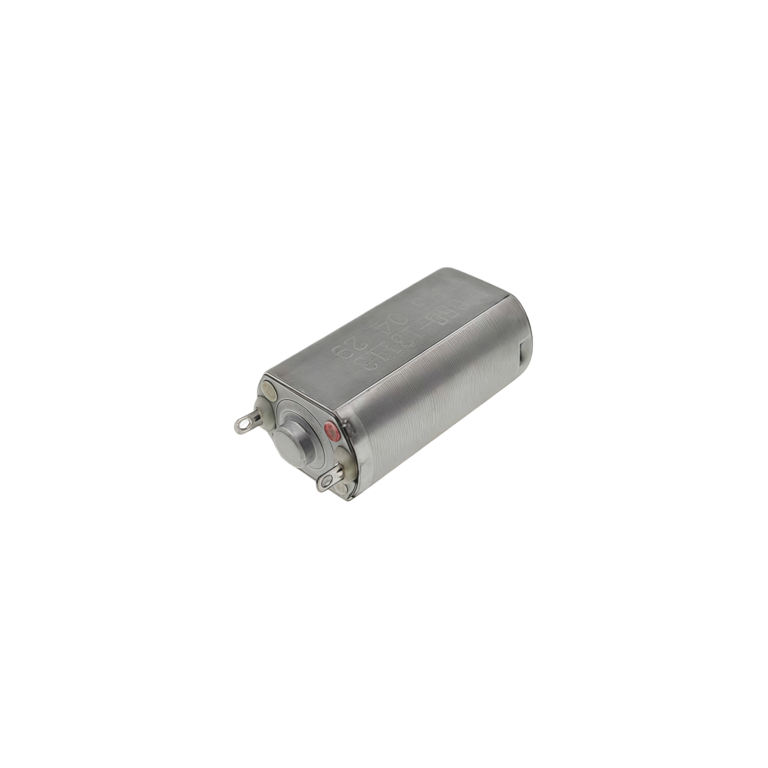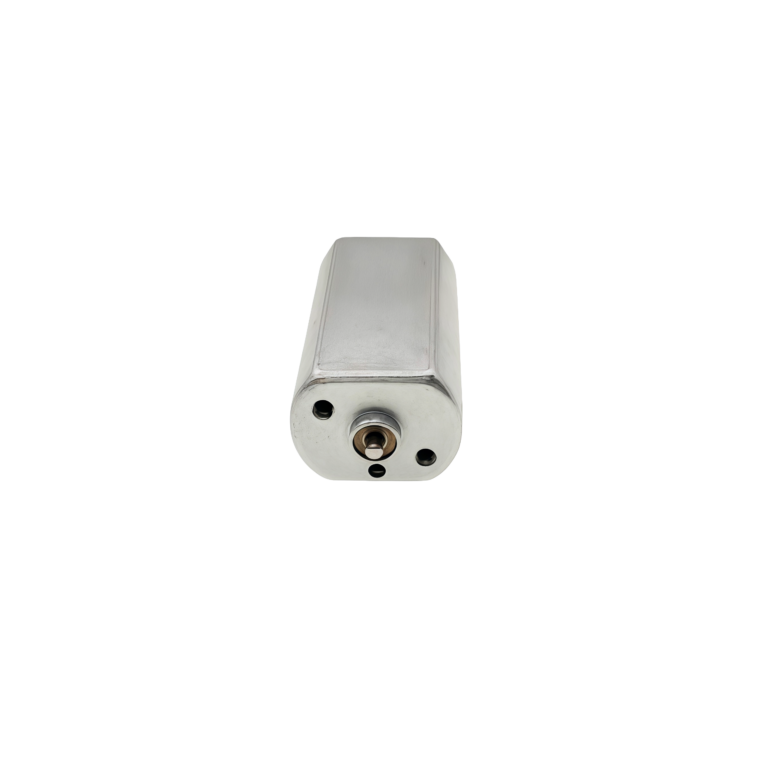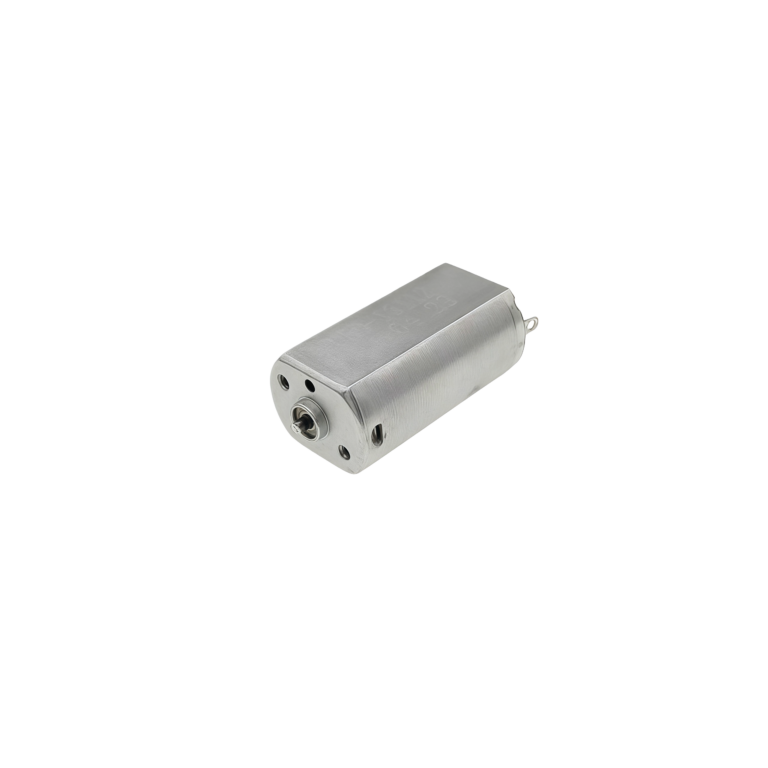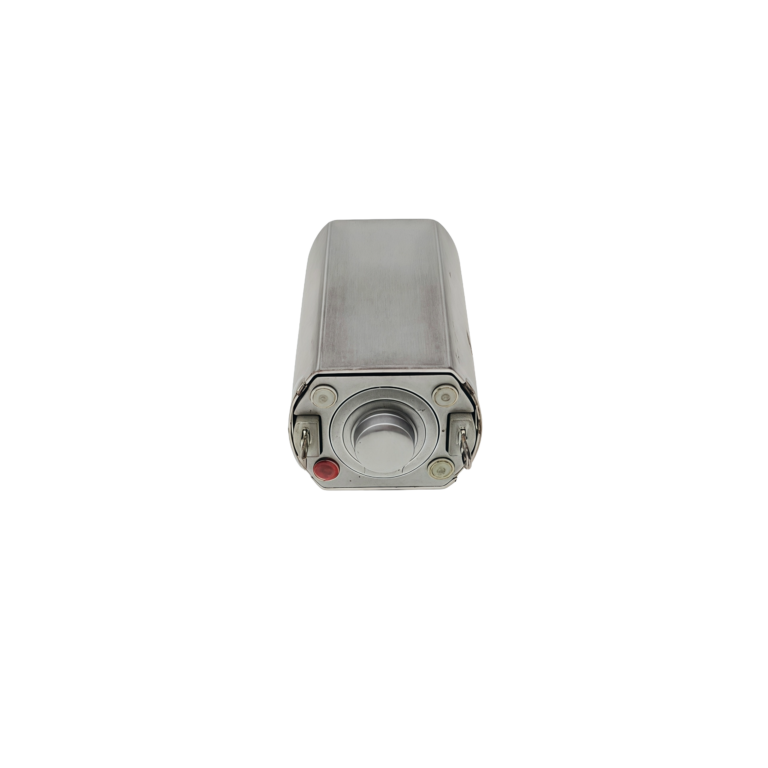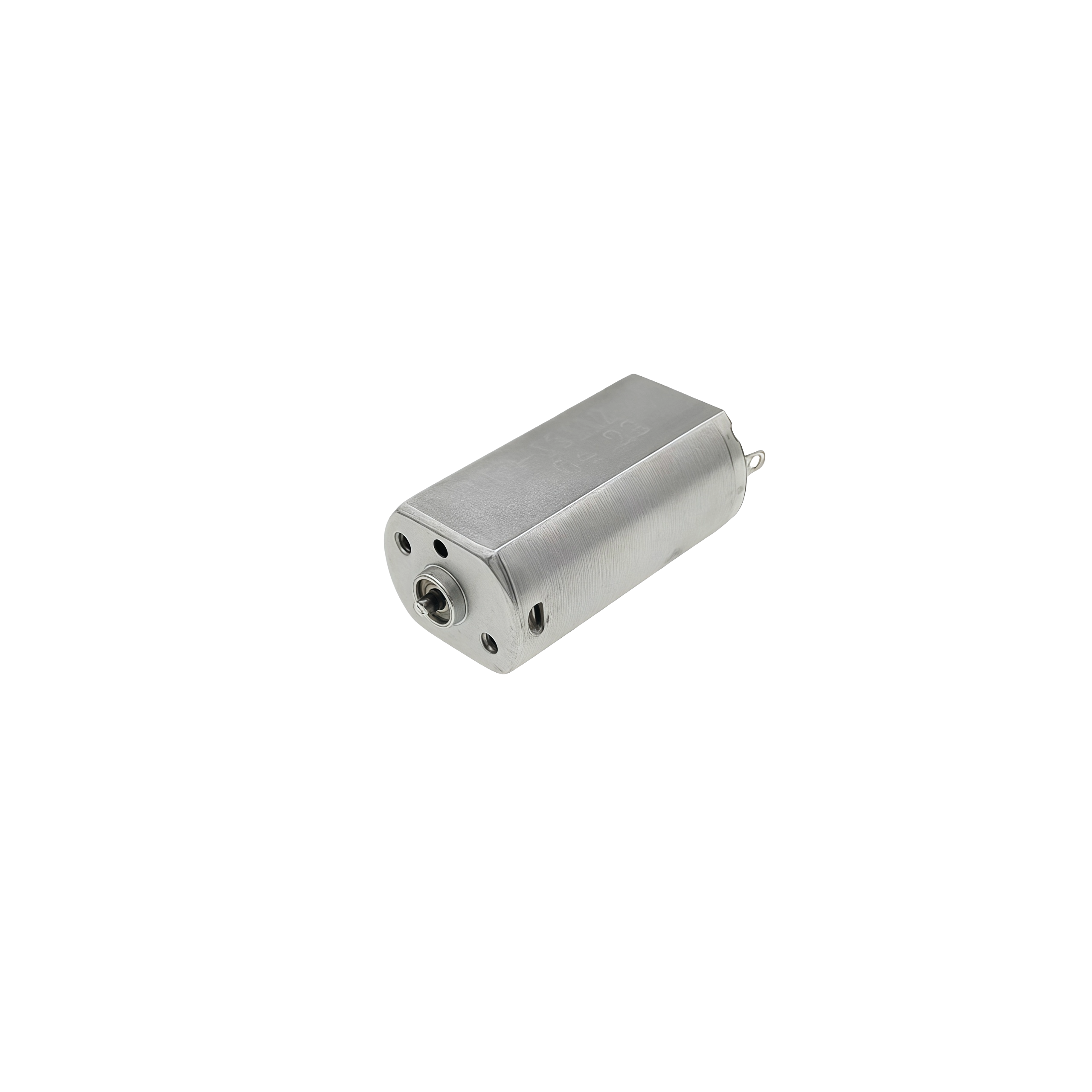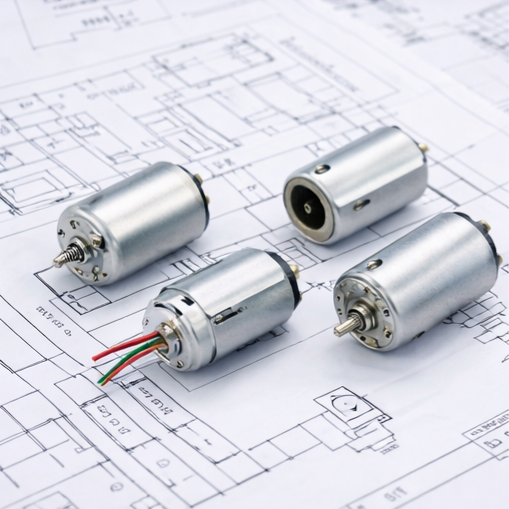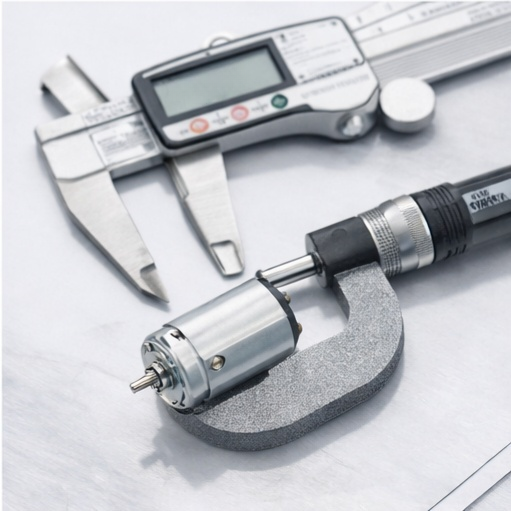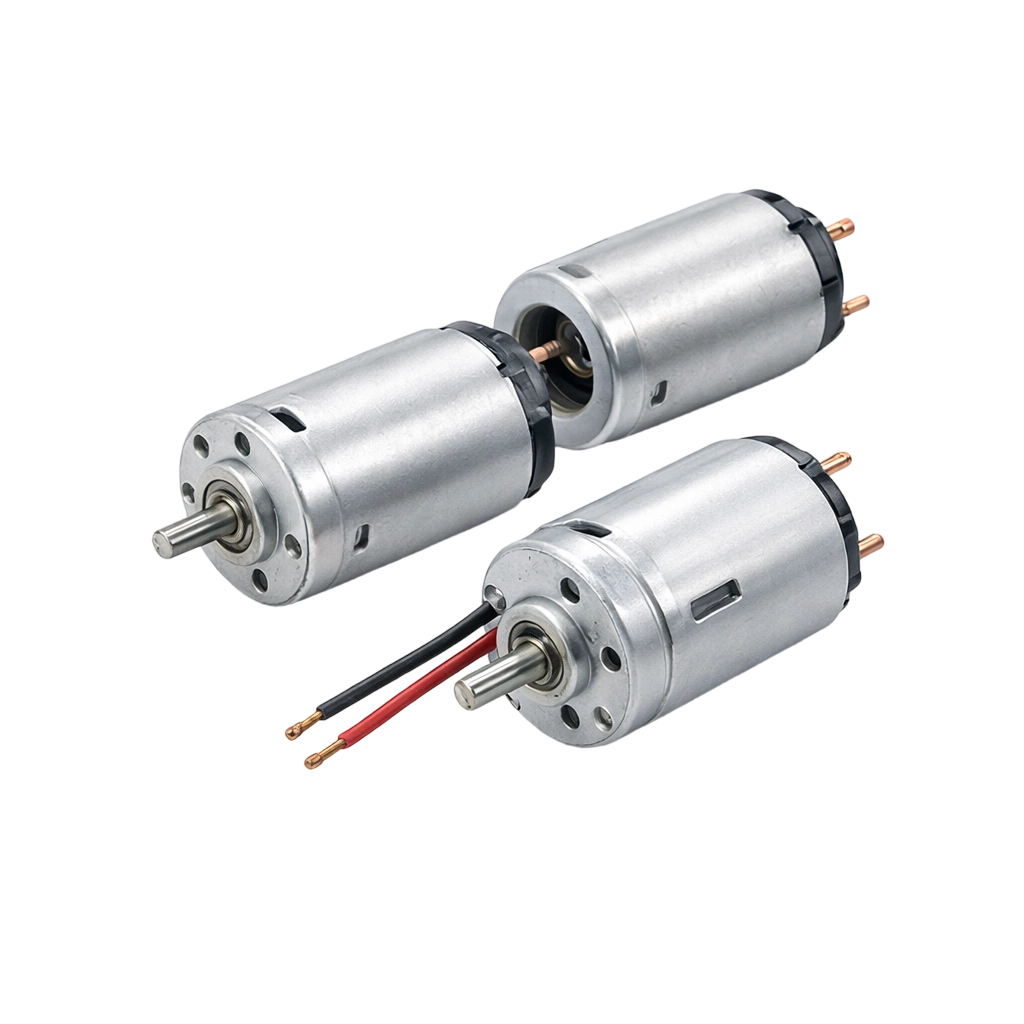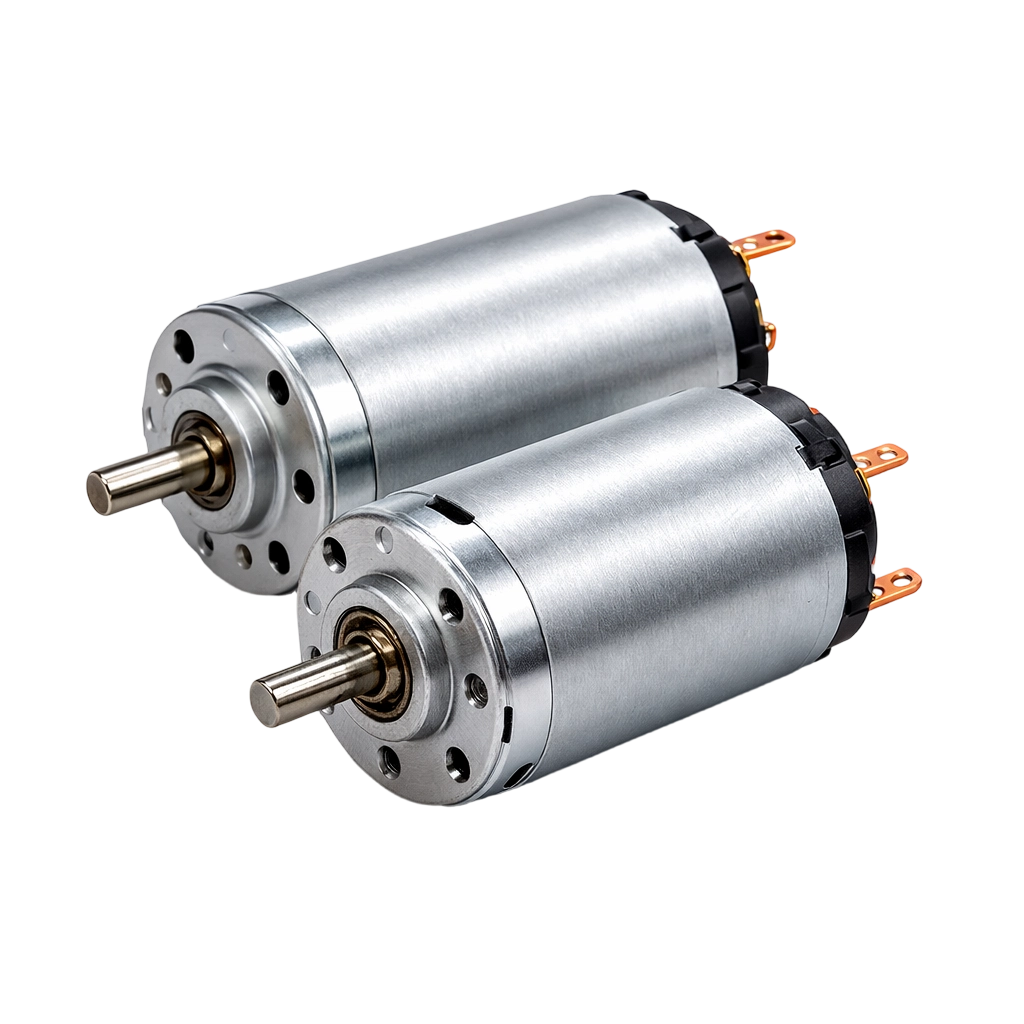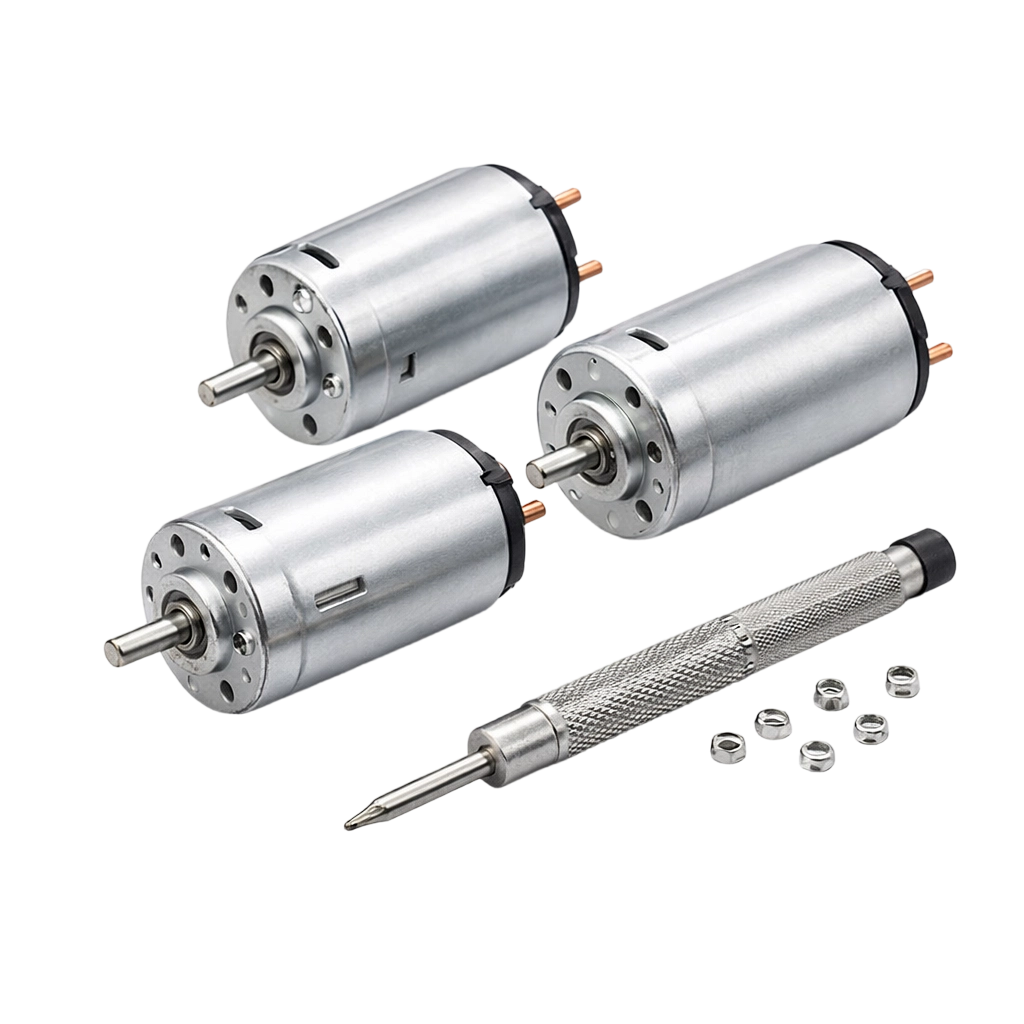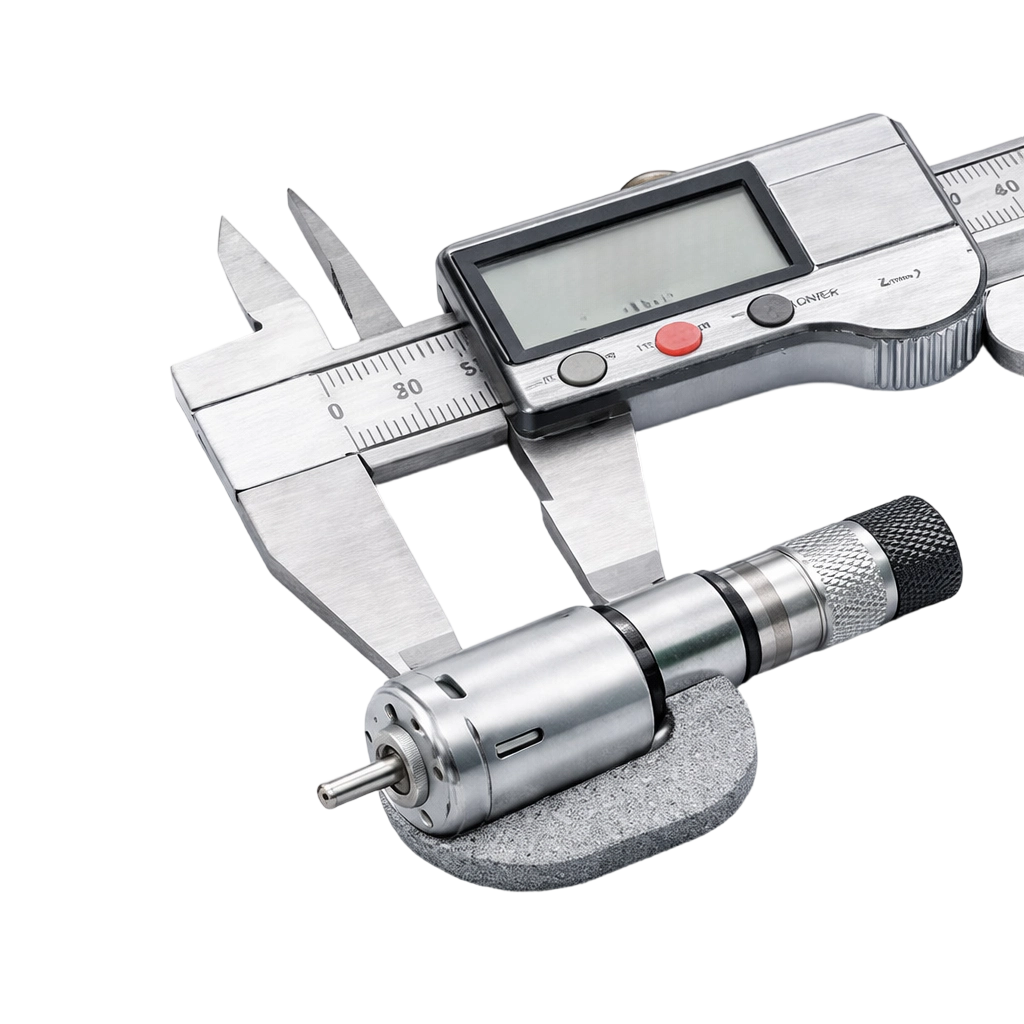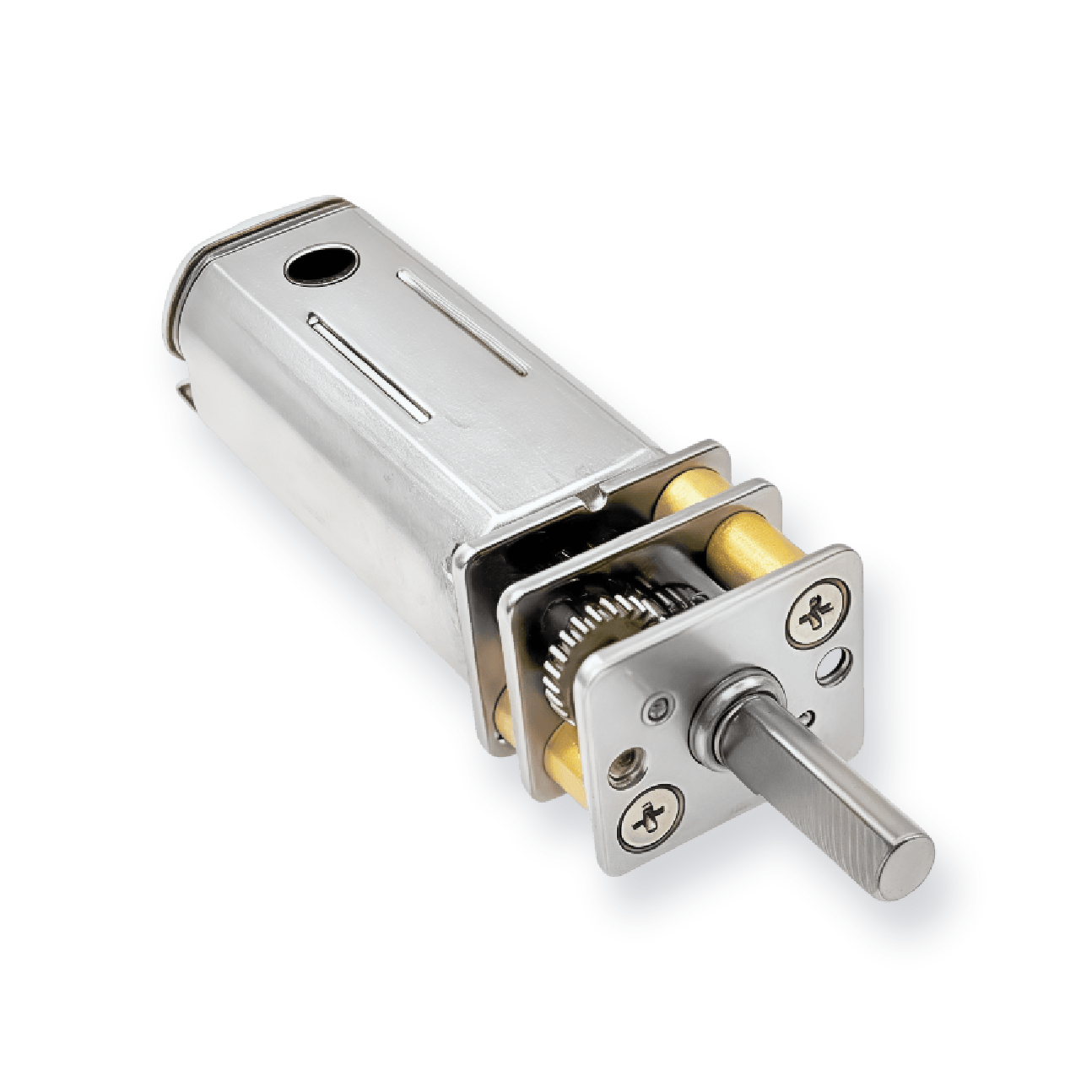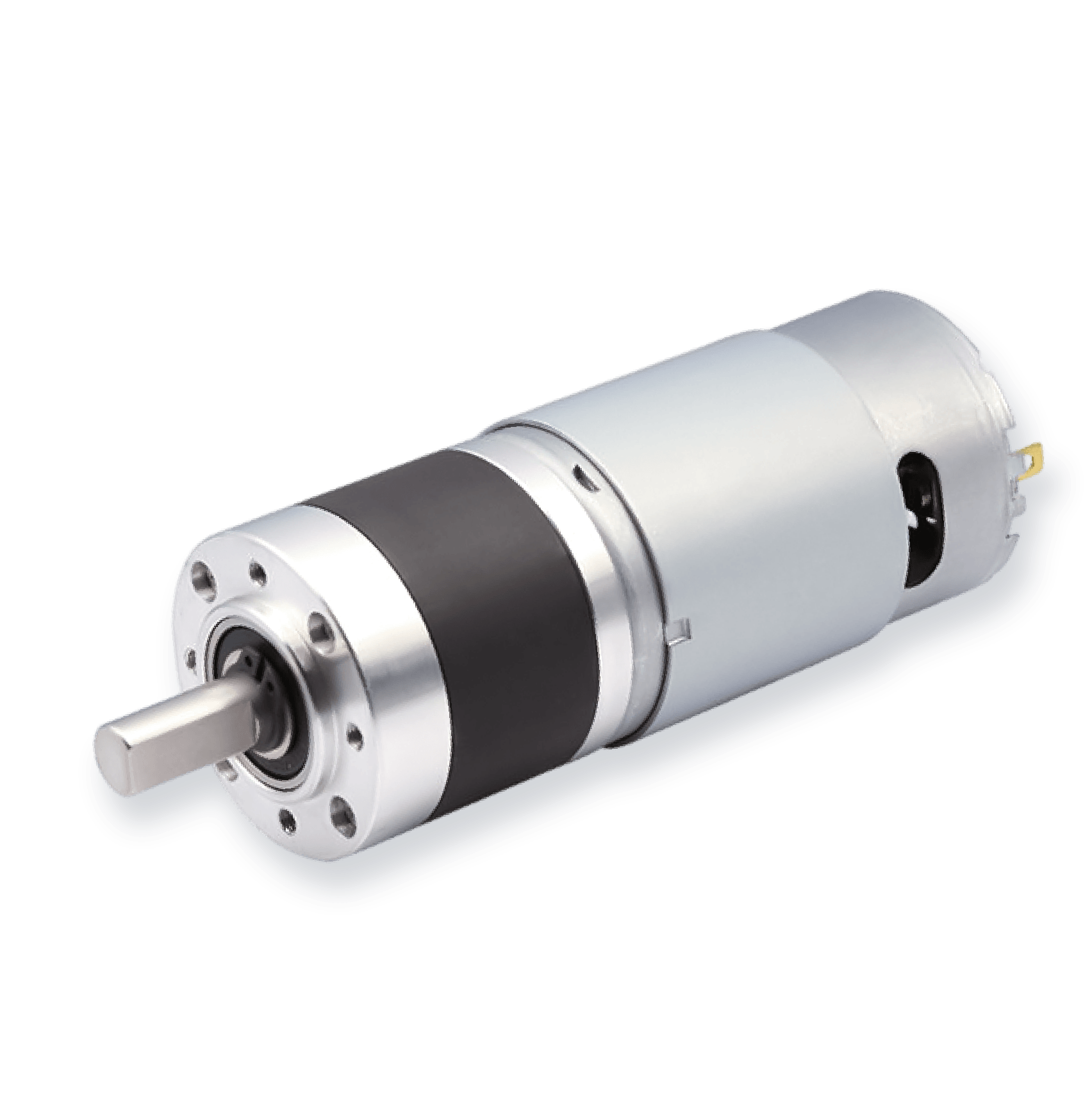
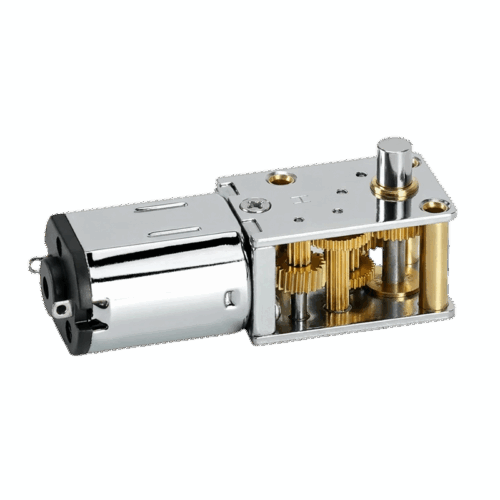
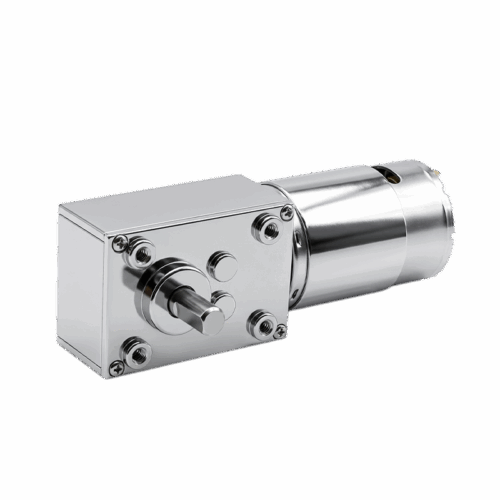
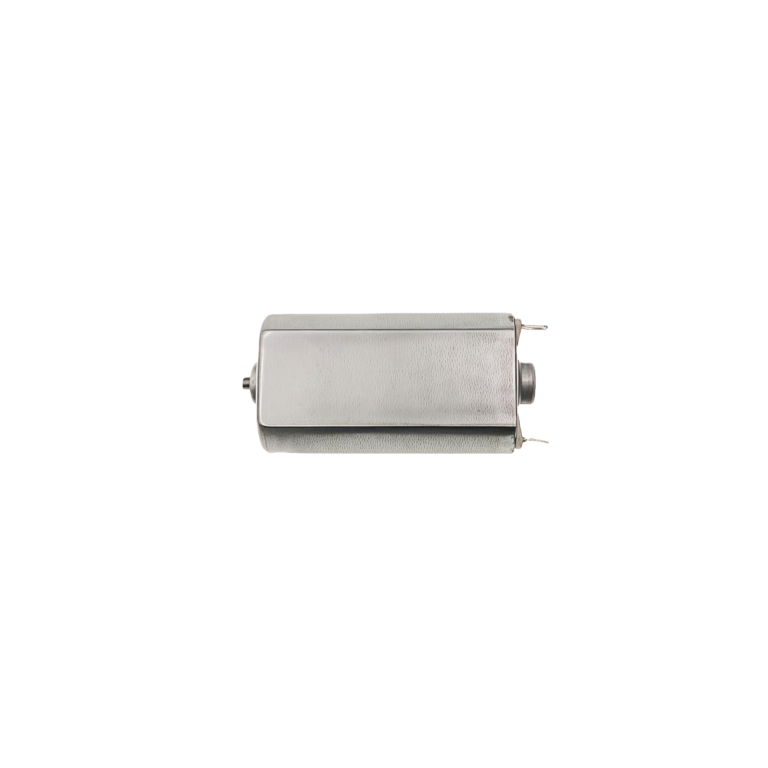
16mm Diameter 050 Micro Brushed DC Motor

This 050 brushed DC micro motor is designed for compact drives where you choose between two windings by voltage and speed class, then verify current draw and torque at no-load, max efficiency, max output, and stall points.

Get a Quote
  • 16mm Diameter 050 Micro Brushed DC Motor Featured Image
Specs

Key Features

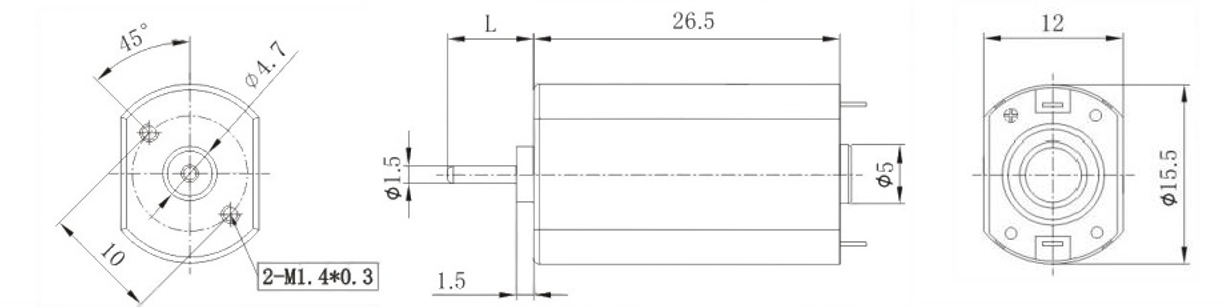
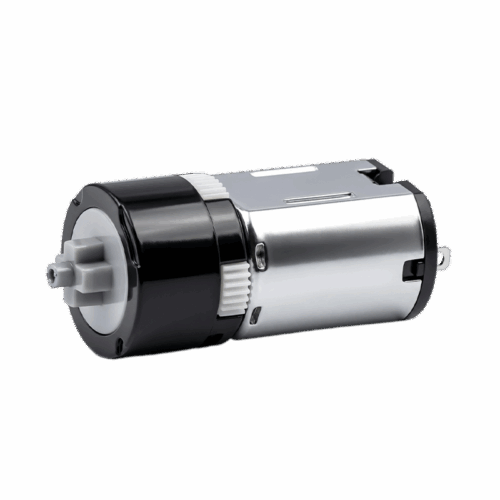
This model is a 050 brushed DC motor platform defined by its Φ15.5×12×L26.9 envelope and a full performance curve table (from no-load to stall), making selection straightforward when you must size both speed and current limits.

  • Fixed Φ15.5×12×L26.9 envelope supports compact assemblies
  • Two winding options provide different voltage and speed classes for system matching
  • Full operating-point table (No Load / Max Efficiency / Max Output / Stall) supports motor selection by real working point, not a single headline RPM
  • Stall torque and stall current define the boundary for jam events and driver protection
technical Specs

Motors Specifications

Model No Load Max Efficiency Max Output Stall
Voltage (V) Current (A) Speed (rpm) Current (A) Speed (rpm) Torque (g.cm) Current (A) Speed (rpm) Torque (g.cm) Current (A) Torque (g.cm)
SLW-FF050-1660 3 0.139 11790 0.491 9198 8 0.941 5895 18.2 1.744 36.5
SLW-FF050-11170 7 0.046 10300 0.195 8300 8.9 0.23 5321 20 0.85 46

For additional customization or reference configurations, please feel free to contact us.

Why Choose us

SLW Motor Highlights

  • Full Curve Table Lets You Select by Real Working Point

    The table shows no-load, max efficiency, max output, and stall, which helps you choose the motor around the point you actually run most of the time.

  • Winding Choice Separates Voltage and Speed Class

    The two models clearly differ at no-load voltage and speed, which helps match your supply rail and target RPM window early.

  • Stall Point Defines Protection and Hard-Stop Risk

    Stall current and stall torque set the boundary for jam events, which drives current limiting and mechanical stop design.

  • Efficiency Point Helps Current Budgeting

    Max-efficiency speed and torque help estimate the current level you can expect in steady operation versus peak output conditions.

Custom

Beyond the Standard: Performance Customized

  • 01
    Working-Point Selection Using “Max Efficiency” Columns
    We anchor selection to your steady operating zone first, then confirm the motor can reach your speed requirement without living near stall.
  • 02
    Current-Limit Strategy Before Torque Assumptions
    We lock driver and wiring limits early, then ensure your expected load does not force the motor into high-current regions.
  • 03
    Torque Margin Planning Against Stall Boundary
    We treat stall torque as a boundary condition and verify your mechanism does not hit hard stops repeatedly at high torque.
  • 04
    Voltage-Rail Fit by Winding Option
    We choose the winding that matches your actual supply so you avoid constant overdrive or undervoltage behavior.
  • 05
    SKU Strategy Using One Mechanical Envelope
    If you plan variants, we keep the Φ15.5×12×L26.9 envelope constant and differentiate output behavior mainly by winding and operating point.
  • Working-Point Selection Using “Max Efficiency” Columns
  • Current-Limit Strategy Before Torque Assumptions
  • Torque Margin Planning Against Stall Boundary
  • Voltage-Rail Fit by Winding Option
  • SKU Strategy Using One Mechanical Envelope

Custom Now

FAQ

Frequently Asked Questions

If you share your available space and the driven load type, we can help narrow the most suitable configuration quickly.

How do I choose between the two models quickly?
Match your supply voltage first, then use the speed values at max efficiency to see which winding lands closer to your steady operating RPM.
Which columns should I use for normal operation planning?
Use the max efficiency columns to estimate steady current and torque, then use stall only as a boundary for fault events.

Why does stall matter if I avoid stalling in normal use?
Stall defines what happens during jams and hard stops, which drives driver current limiting and mechanical durability.
What should I share so you can shortlist the right option?
Share your supply voltage, target RPM, load torque estimate, duty cycle, and whether the mechanism can jam or hit hard stops.

Is it suitable for repeat production across variants?
Yes. You can standardize the mechanical envelope and select the winding that best matches each voltage/speed class.
Get Started

Accelerate Your Project with Precision Motors