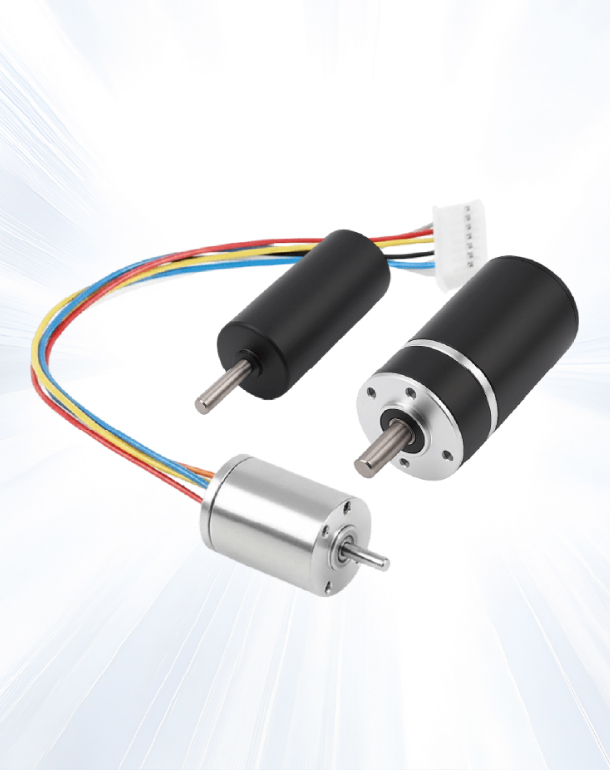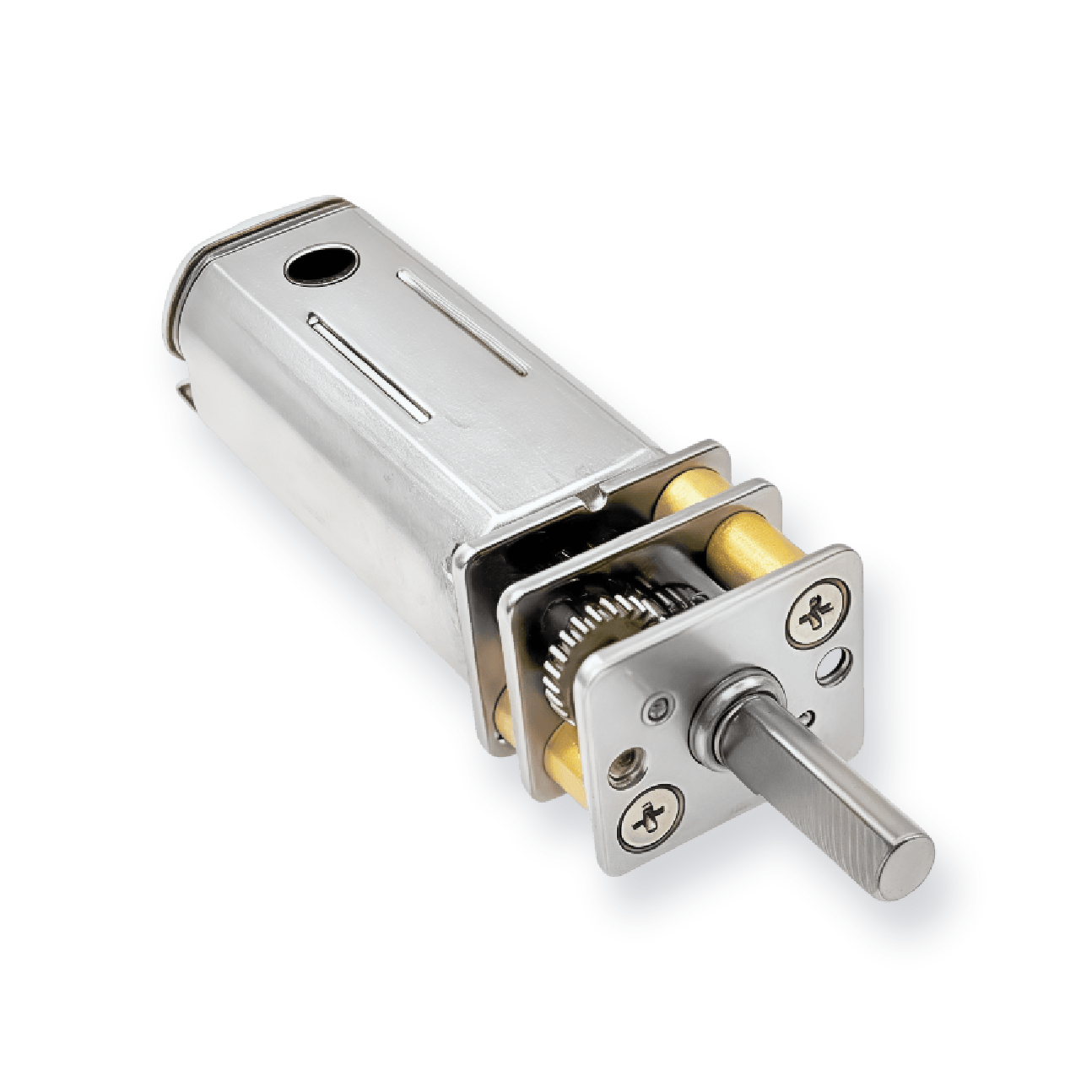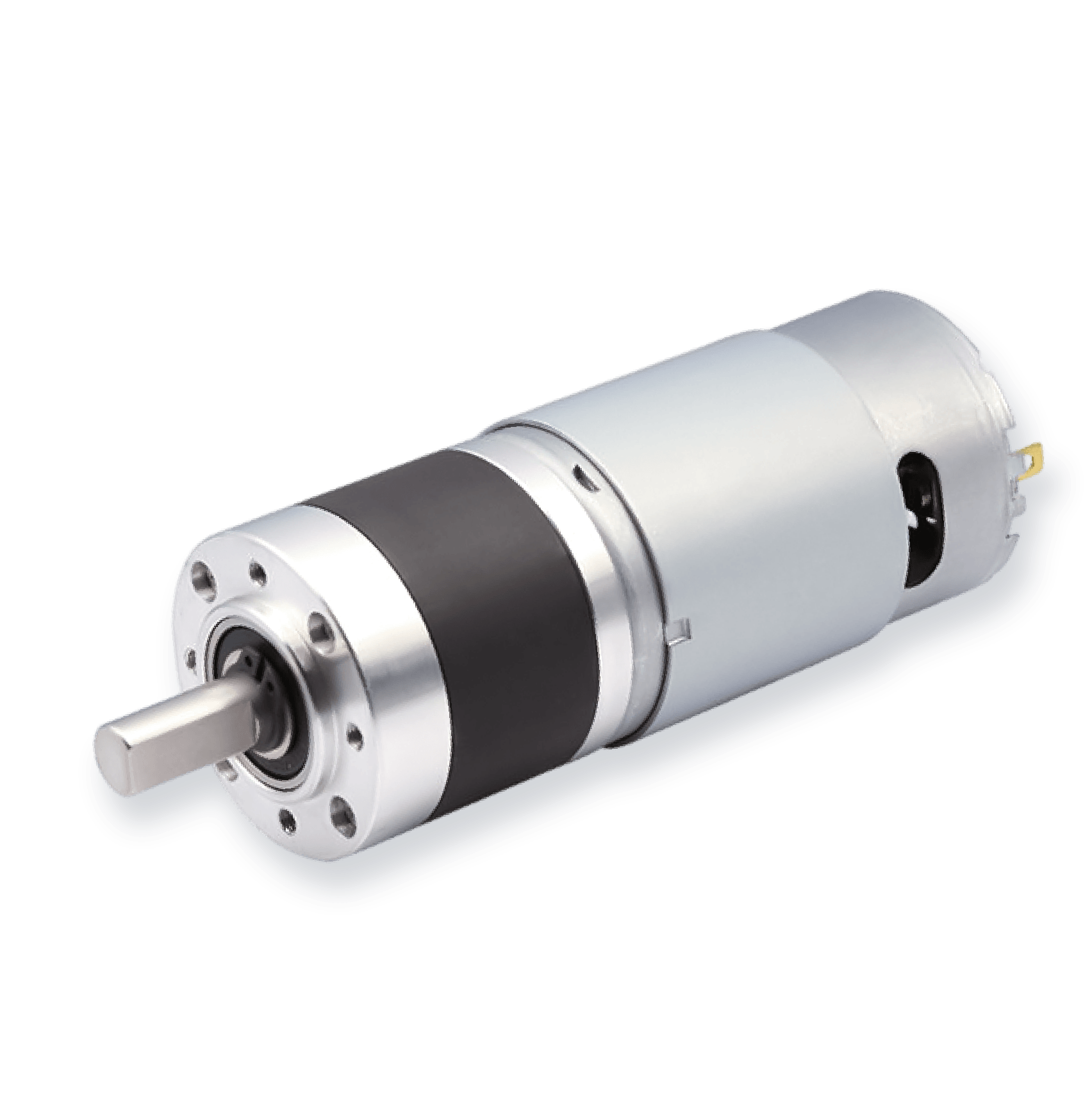
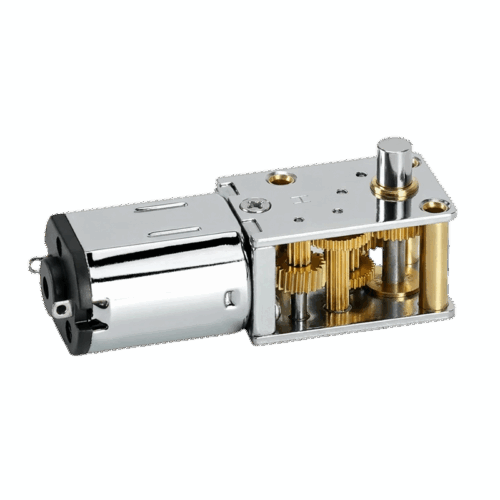
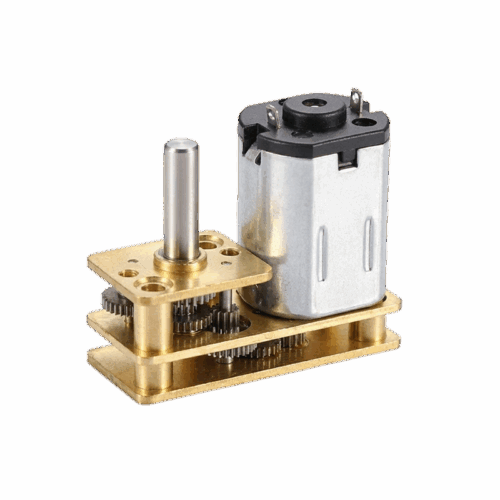
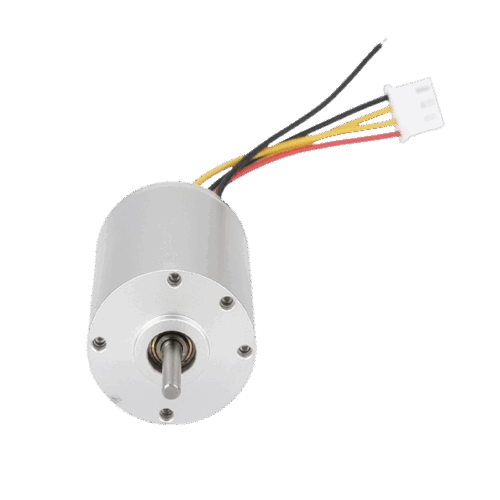
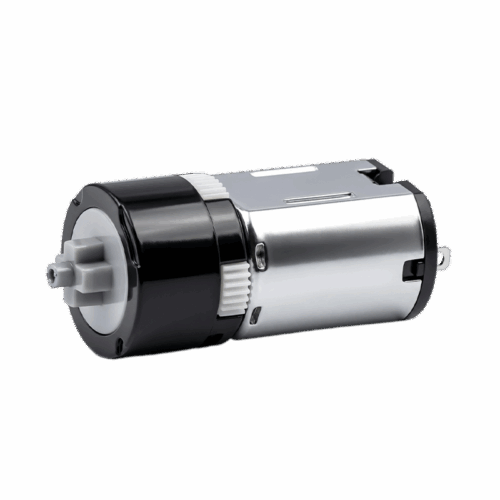
10mm Spur Gearbox & Reducer

This 10mm spur gearbox supports compact drive mechanisms that need stable speed reduction and a straightforward mounting layout, with multiple ratio options and a customizable output shaft for easier integration.

Get a Quote
  • 10mm Spur Gearbox & Reducer Featured Image
Specs

Key Features

This spur gearbox uses a gear-hobbing structure to deliver practical reduction choices within a small envelope for compact transmission layouts.
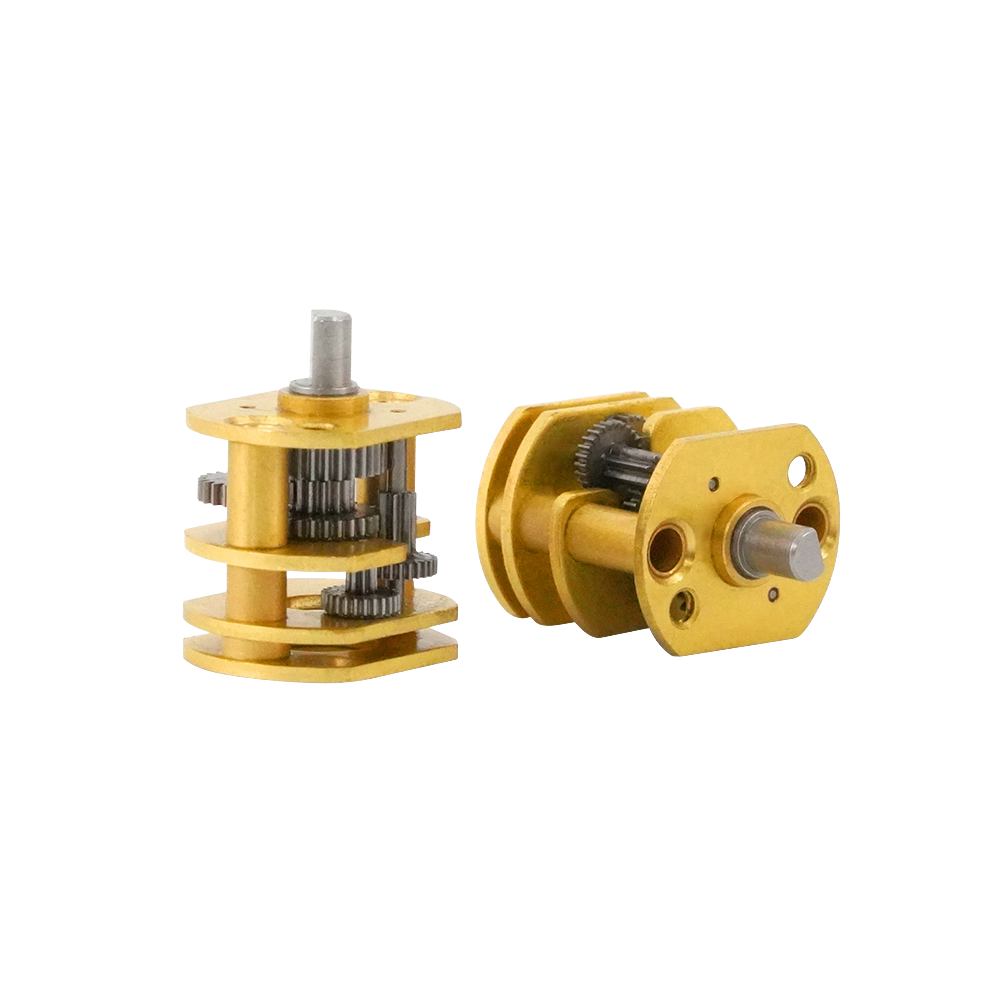
  • Gear ratio coverage from 20 to 250 for common speed-to-torque targets
  • Multiple stage options to support different reduction needs within the same size family
  • Output direction options (same or reverse) to match linkage and routing constraints
  • Rated torque levels provided by ratio class to guide continuous-load selection
  • Customizable output shaft interface to reduce adapters and simplify assembly
technical Specs

Motors Specifications

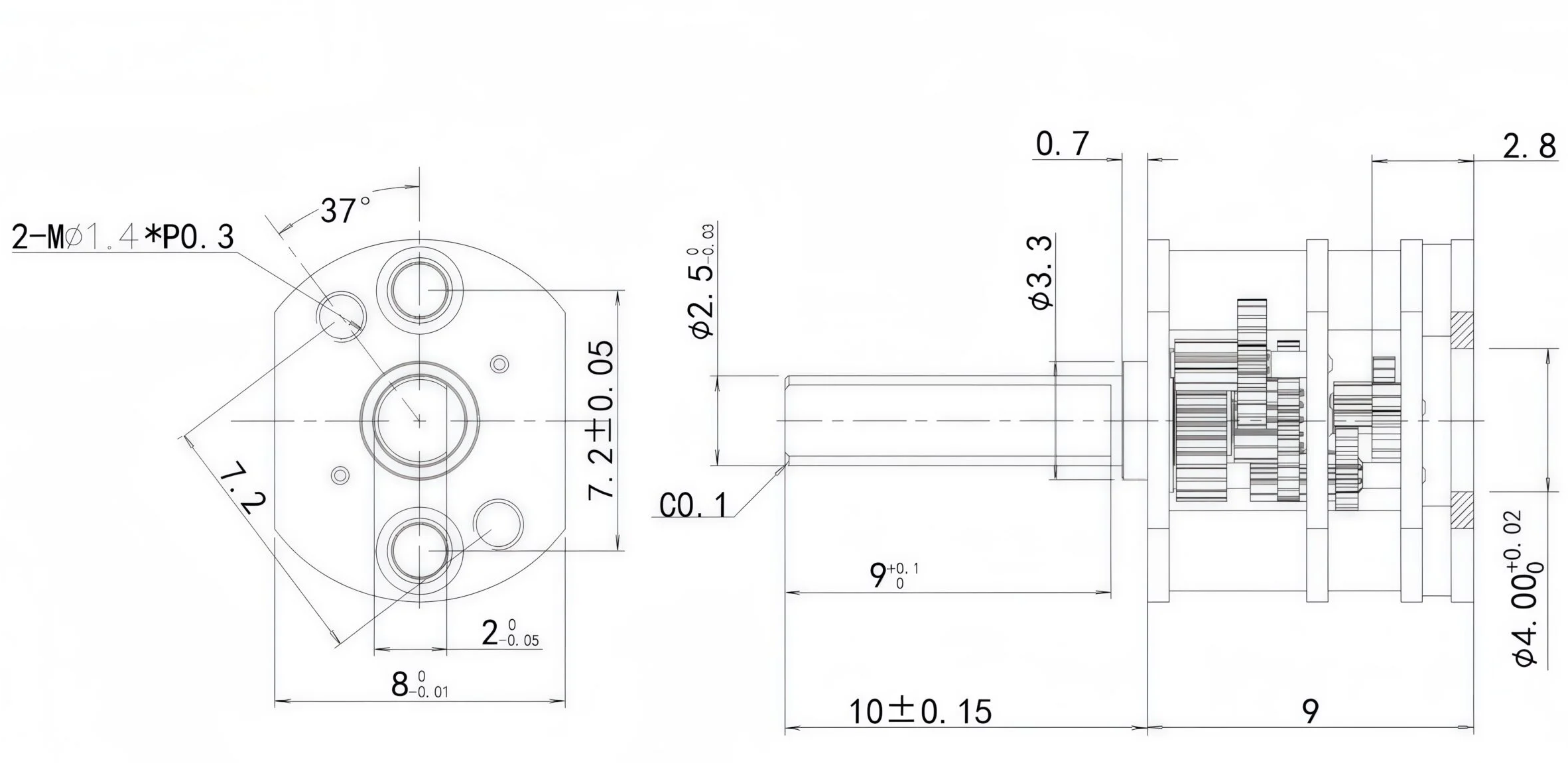
Index Gear Ratio Actual Ratio Stages Overall Size Output Direction Motor Gear Teeth Motor Gear ID (mm) Rated Torque (g·cm) Allowable Peak Torque (g·cm)
1 20 20.371 3 Φ10×8×6 Reverse 14 1 100 300
2 50 49.955 4 Φ10×8×9 Same 17 1 150 500
3 100 98.637 5 Φ10×8×9 Reverse 12 1 200 600
4 150 152.308 5 Φ10×8×9 Reverse 15 1 200 600
5 183 183.333 5 Φ10×8×9 Reverse 15 1 250 600
6 250 248.51 5 Φ10×8×9 Reverse 14 1 300 600

For additional customization or reference configurations, please feel free to contact us.

Why Choose us

SLW Motor Highlights

  • Ratio classes that map to real layouts

    The 20/50/100/150/183/250 options make it easier to land on a workable output speed without redesigning the gearbox footprint.

  • Direction selection reduces layout compromises

    Choosing same or reverse output helps you keep linkage routing clean when space forces a specific transmission direction.

  • Rated vs peak torque for selection safety

    Use rated torque for continuous sizing, and treat allowable peak torque as a short-duration window for start-up and brief obstruction events.

  • Short vs long length as a packaging decision

    Pick L6 when axial space is tight, and use L9 when you want more stability margin in the installed drivetrain.

Custom

Beyond the Standard: Performance Customized

  • 01
    Wiring & Lead Arrangement
    Lead exit direction and routing can be arranged to stay clear of the gearbox mounting face and your enclosure assembly path.
  • 02
    Output Shaft Interface
    Shaft end and coupling method can be matched to your driven-side connection to improve anti-slip performance and assembly repeatability.
  • 03
    Installation Orientation
    Mounting orientation can be aligned with your layout constraints so the output direction and coupling remain practical in the final mechanism.
  • 04
    Control System Matching
    If your system frequently starts/stops or reverses, matching the control behavior to load characteristics helps keep peak events brief and consistent.
  • 05
    Application-Level Adaptation
    Share the driven load type and failure mode (inertia-heavy, friction-heavy, intermittent jam). We’ll recommend the ratio and interface combination that integrates cleanly.
  • Wiring & Lead Arrangement
  • Output Shaft Interface
  • Installation Orientation
  • Control System Matching
  • Application-Level Adaptation

Custom Now

FAQ

Frequently Asked Questions

A higher ratio is typically selected when you need more torque margin at lower output speed.

Which ratio should I start with for selection?
Start from the output speed you need, then choose the nearest ratio class that keeps stall events short under your real load.
What is the difference between rated torque and allowable peak torque?
Rated torque is for continuous operation planning. Allowable peak torque is for brief transients like start-up or momentary obstruction, not sustained loading.
Can I choose same-direction or reverse output?
Yes. Output direction can be selected to match your mechanism layout and reduce the need for additional transmission elements.
How do I decide between the two length options (L6 vs L9)?
Choose L6 when space is tight and the load is well-supported. Choose L9 when you want more stability margin in the drivetrain layout.
What do you need to define a custom output shaft?
Tell us your coupling method and assembly method, plus any slip or positioning constraints.
Get Started

Accelerate Your Project with Precision Motors