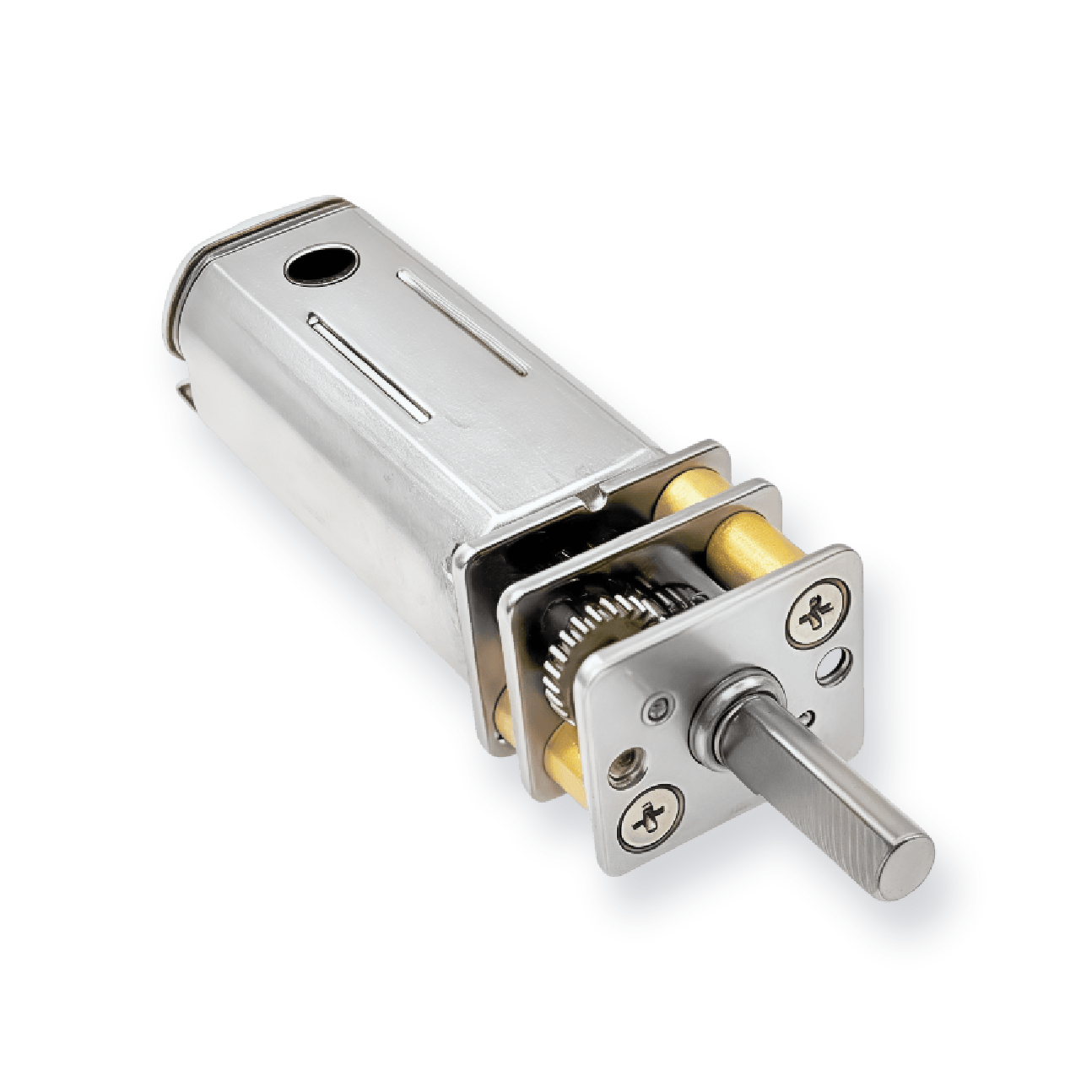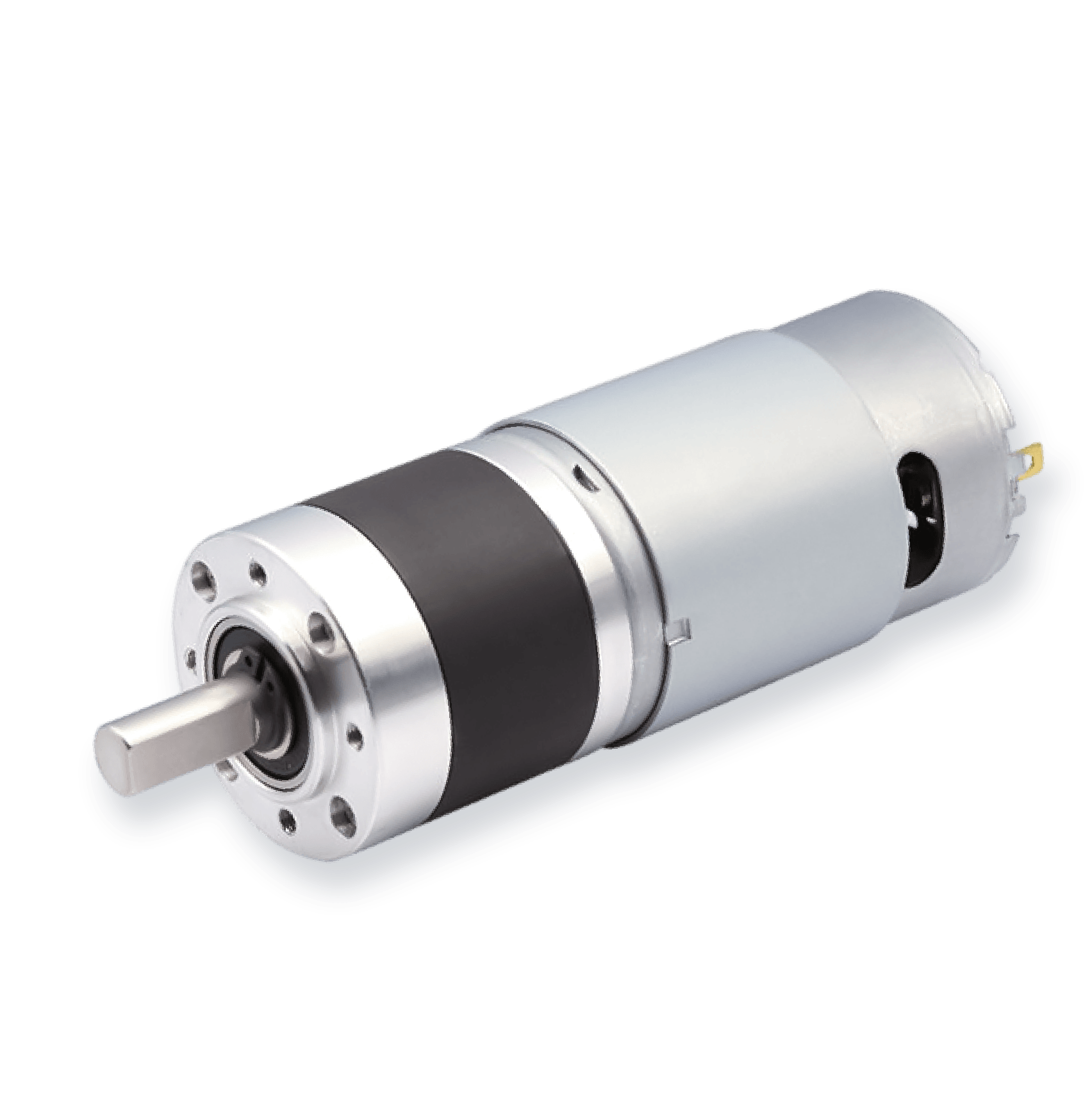
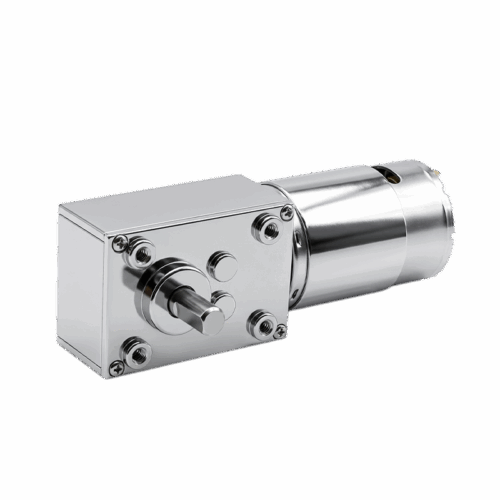
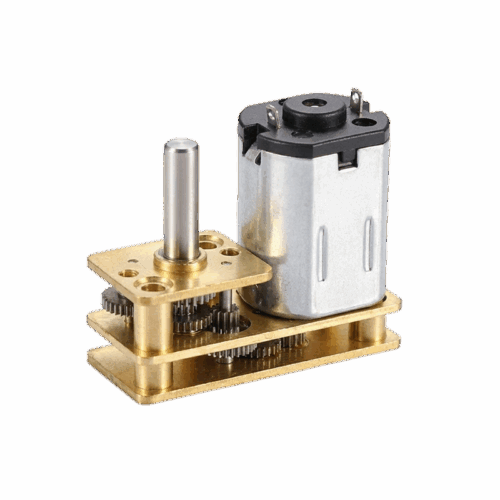
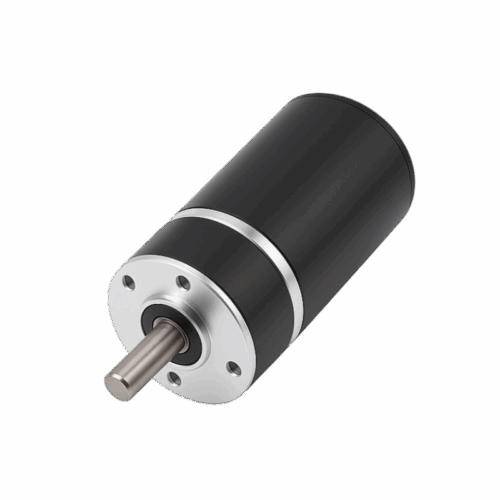
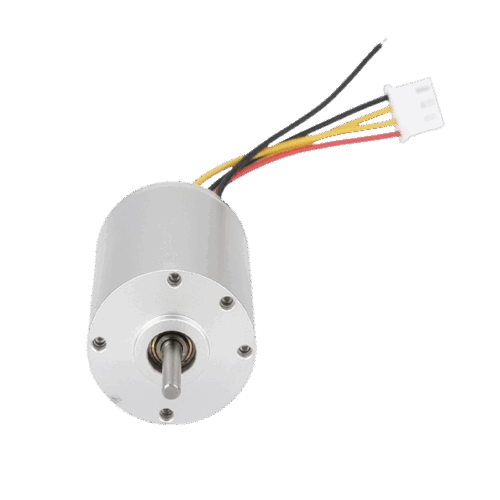
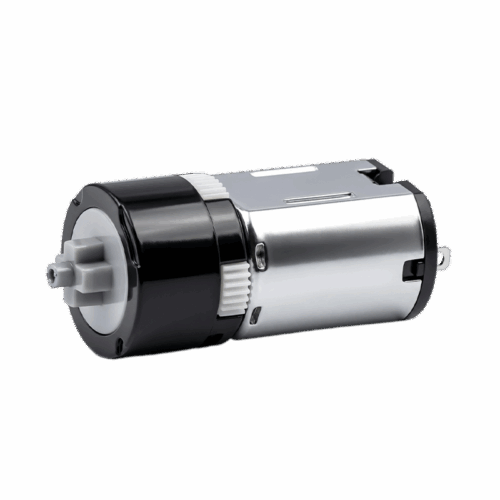


22mm Planetary Gearbox & Reducer
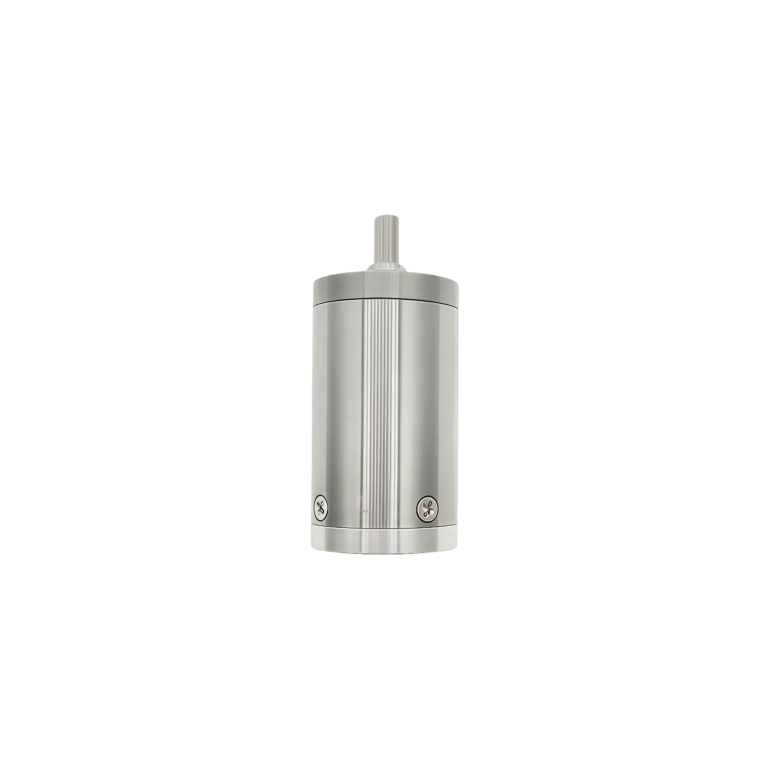
This 22mm planetary gearbox is built for compact drive systems that need high torque density across a wide ratio range, with precision-machined structure and a customizable output shaft for cleaner integration.



This 22mm planetary gearbox is built for compact drive systems that need high torque density across a wide ratio range, with precision-machined structure and a customizable output shaft for cleaner integration.


This planetary gearbox uses a precision machining structure to support higher torque capability and stable transmission behavior across multiple stage options.
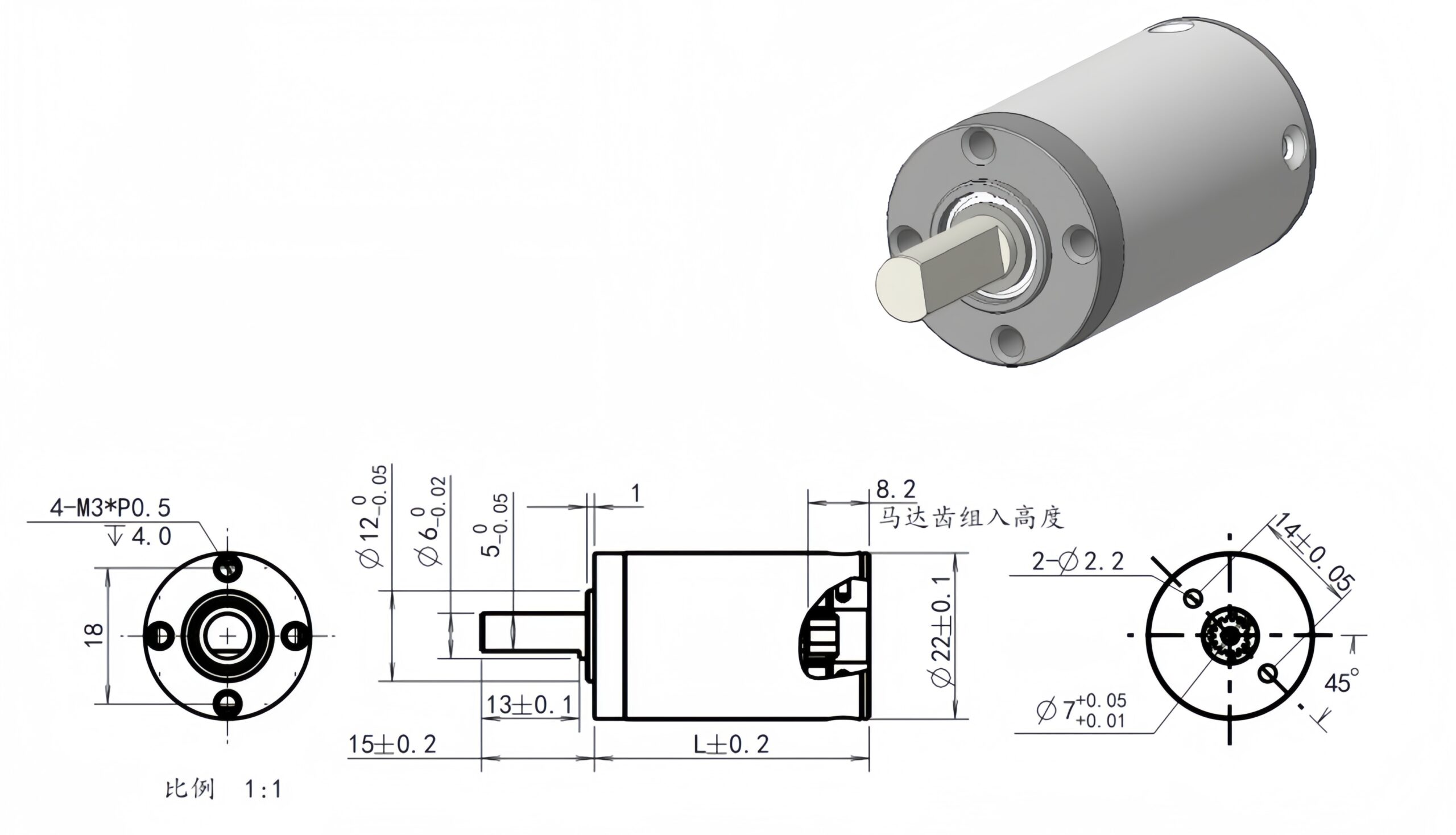
| Index | Gear Ratio | Actual Ratio | Stages | Length (mm) | Efficiency (%) | Motor Gear Teeth | Motor Gear ID (mm) | Rated Torque (g·cm) | Allowable Peak Torque (g·cm) |
| 1 | 5 | 5 | 1 | 20 | 80 | 15 | 1000 | 3000 | |
| 2 | 15 | 15 | 2 | 25.5 | 70 | 15 | 2000 | 5000 | |
| 3 | 18 | 18 | 12 | ||||||
| 4 | 25 | 25 | 15 | ||||||
| 5 | 30 | 30 | 12 | ||||||
| 6 | 45 | 45 | 3 | 31 | 60 | 15 | 3000 | 6000 | |
| 7 | 54 | 54 | 12 | ||||||
| 8 | 90 | 90 | 12 | ||||||
| 9 | 108 | 108 | 12 | ||||||
| 10 | 125 | 125 | 15 | Φ1.5 | |||||
| 11 | 150 | 150 | 12 | ||||||
| 12 | 180 | 180 | 12 | ||||||
| 13 | 225 | 225 | 15 | ||||||
| 14 | 324 | 324 | 12 | ||||||
| 15 | 375 | 375 | 15 | ||||||
| 16 | 450 | 450 | 12 | ||||||
| 17 | 625 | 526 | 4 | 36.5 | 50 | 15 | 4000 | 10000 | |
| 18 | 648 | 648 | 12 | ||||||
| 19 | 750 | 750 | 12 | ||||||
| 20 | 900 | 900 | 12 | ||||||
| 21 | 1080 | 1080 | 12 |
For additional customization or reference configurations, please feel free to contact us.



Move from 1-stage to 4-stage configurations to increase rated torque capacity, while keeping a compact 22mm gearbox diameter for tight builds.
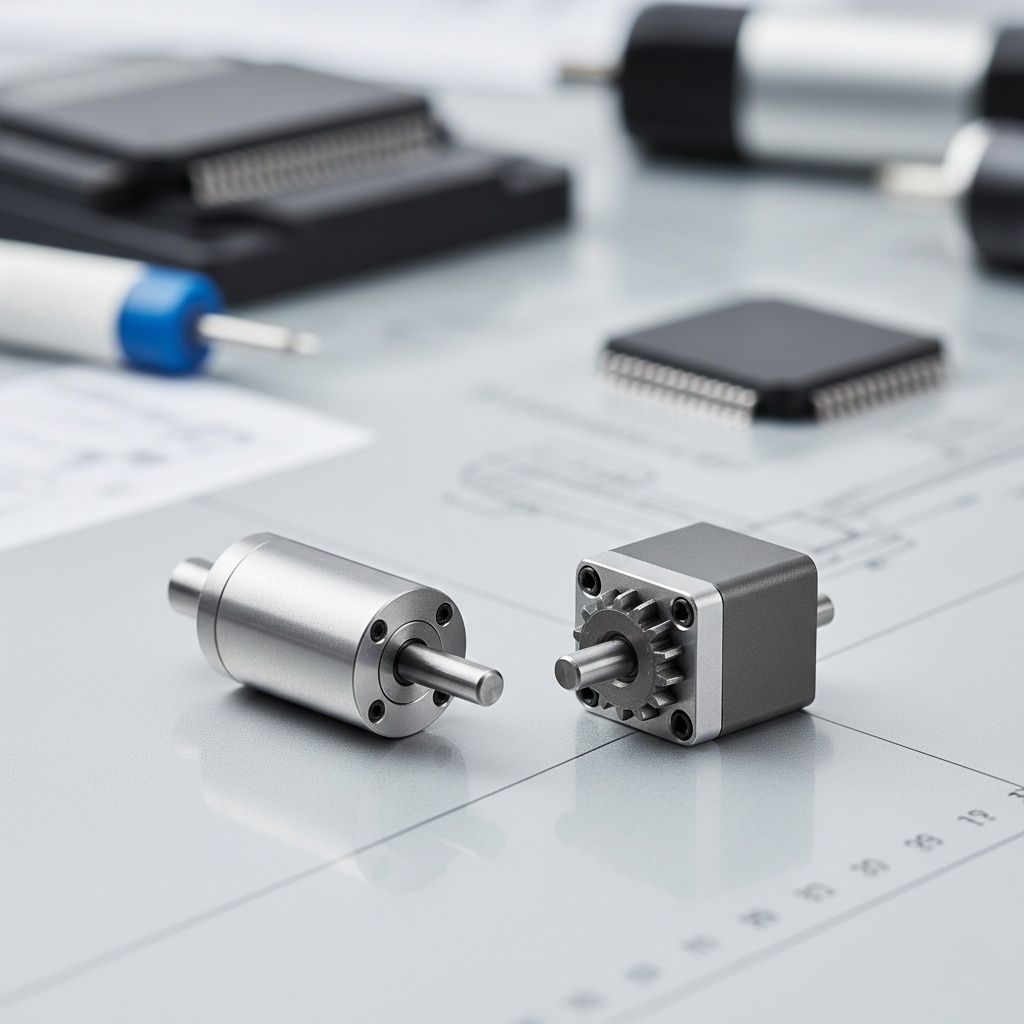
Higher stage counts expand ratio range but reduce efficiency, so ratio selection should follow duty cycle needs rather than targeting maximum reduction by default.

With ratios from 5 to 1080, you can keep the same gearbox footprint and adjust output speed and torque based on different mechanisms or load profiles.
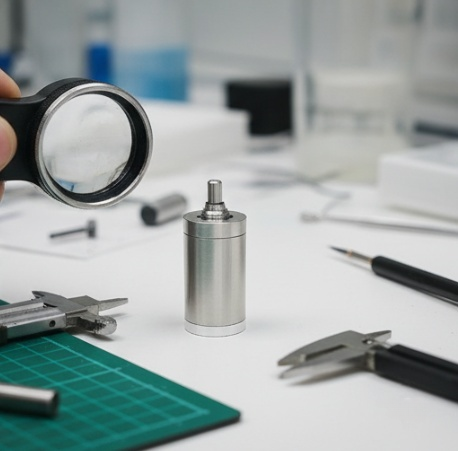
As torque increases at higher reductions, defining the shaft end and coupling method early helps reduce slip risk and assembly variability.


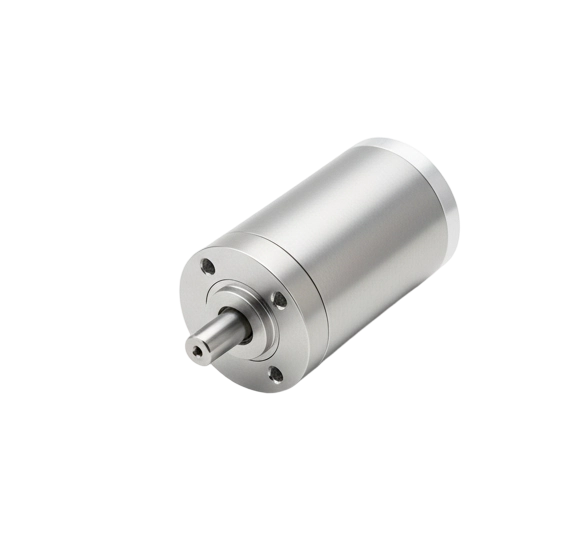
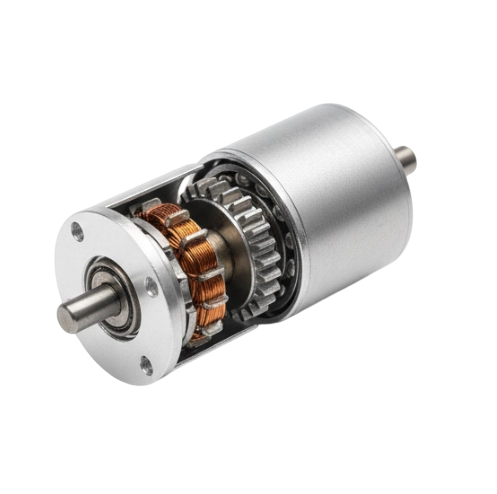
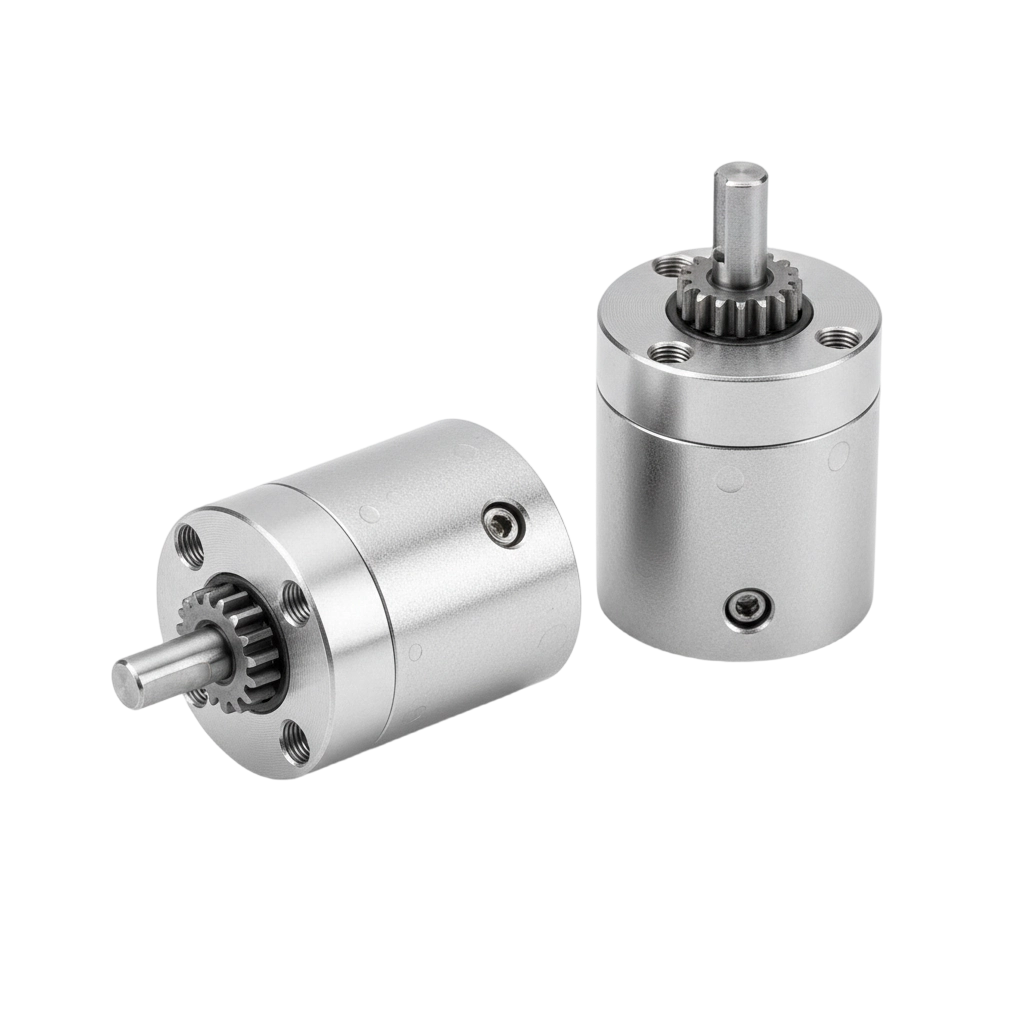
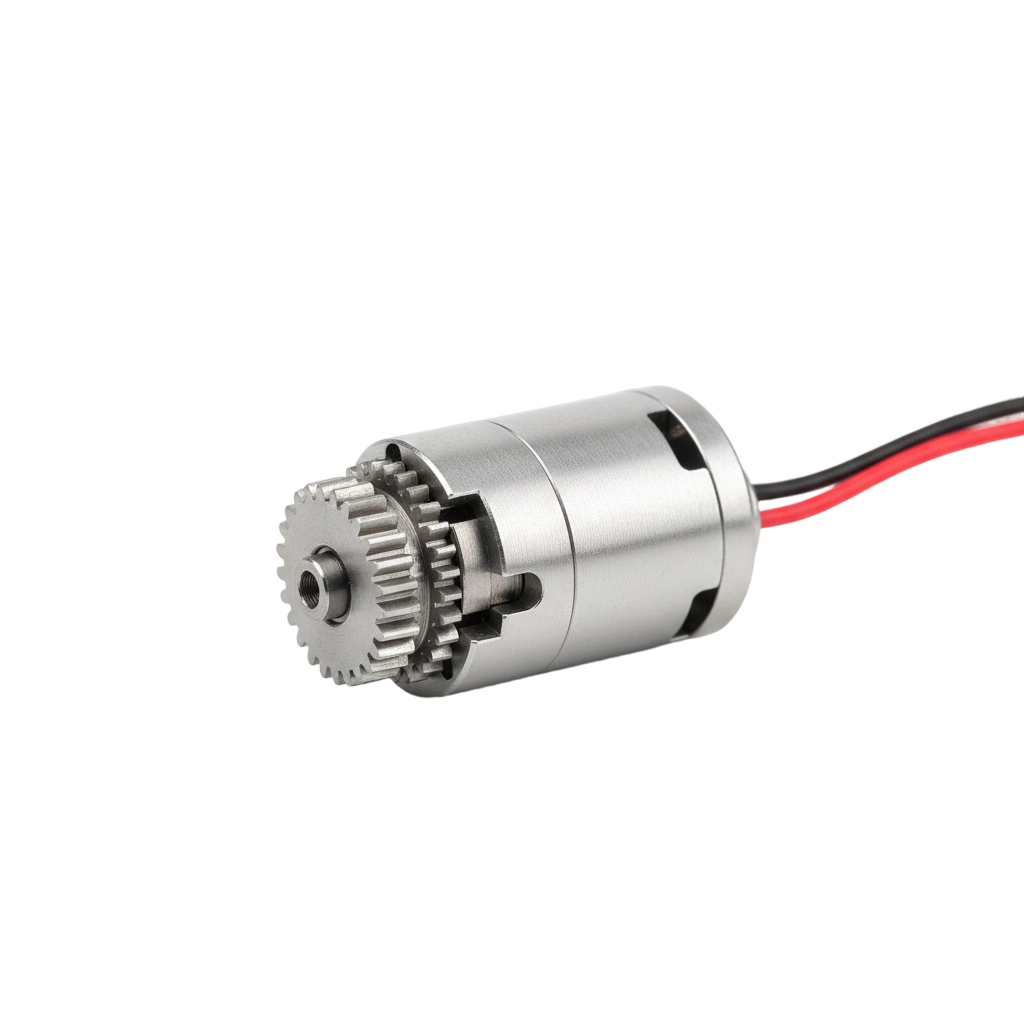
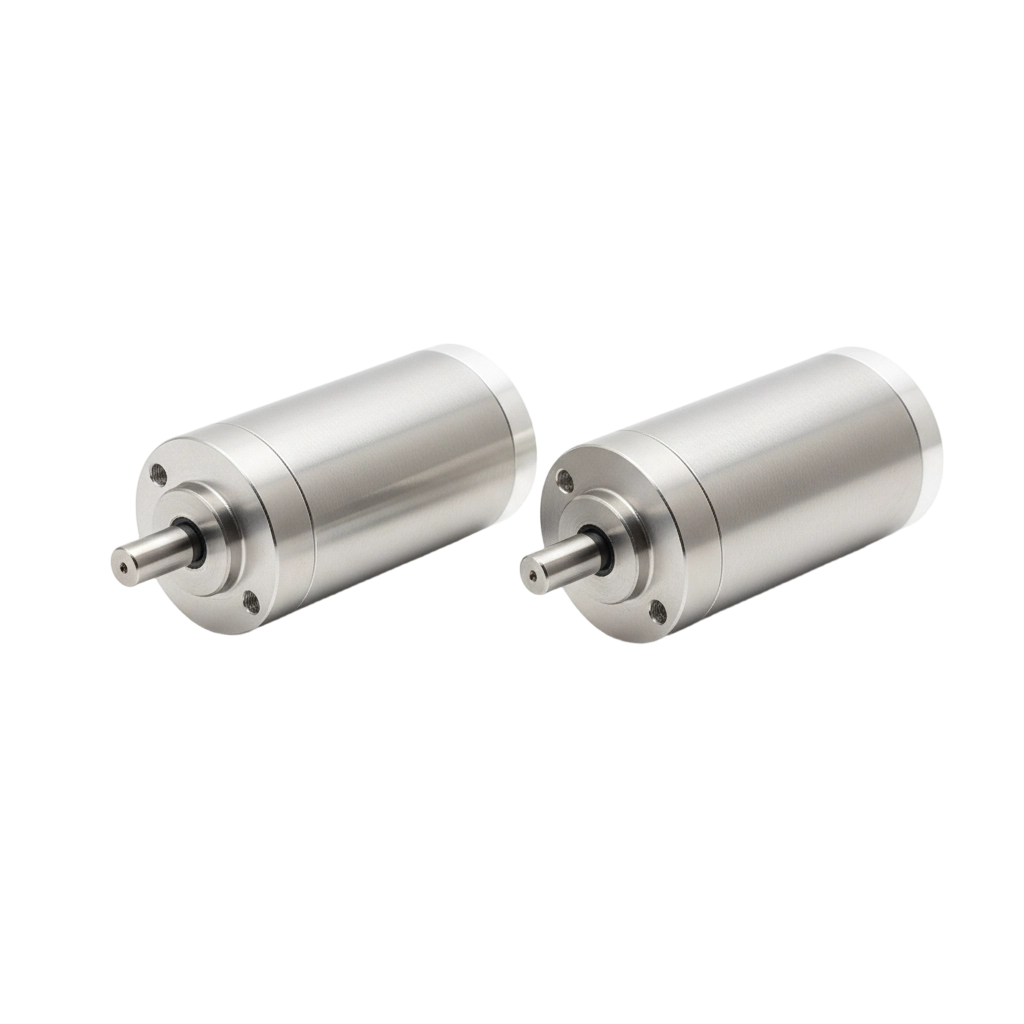






Higher stage counts are typically selected to reach higher ratios and torque margin within the same gearbox diameter.

English

Japanese

Korean
Tell us about your project or application, and our team will get back to you with technical support, product recommendations, or a customized motor solution.