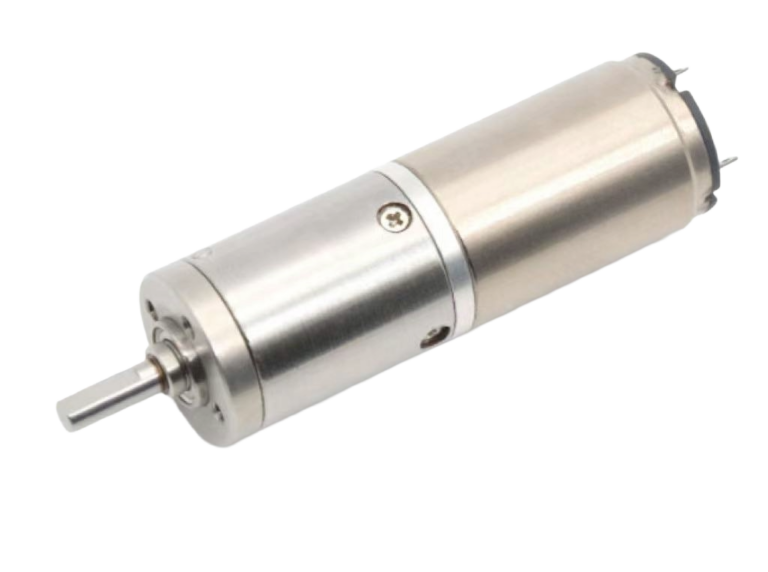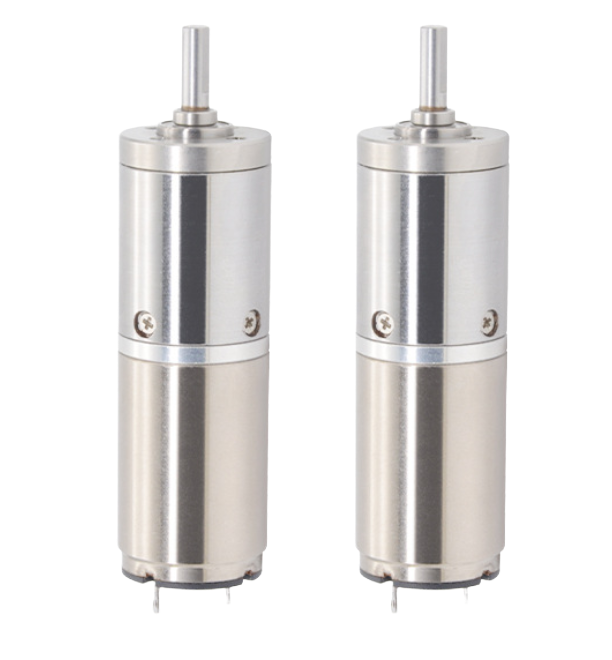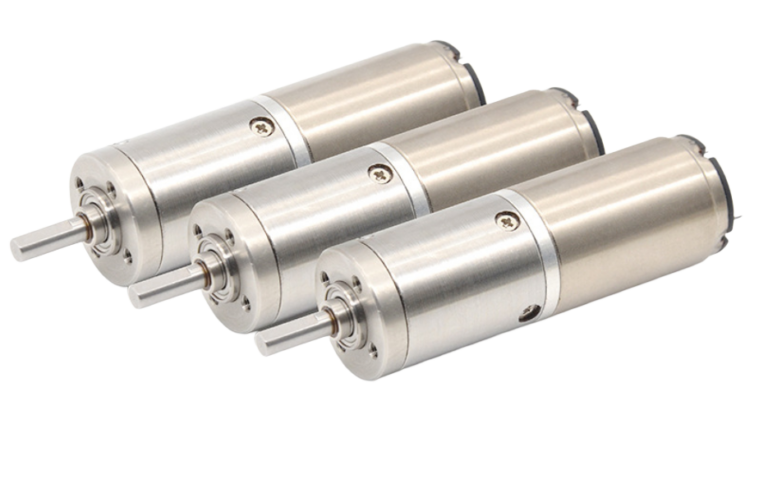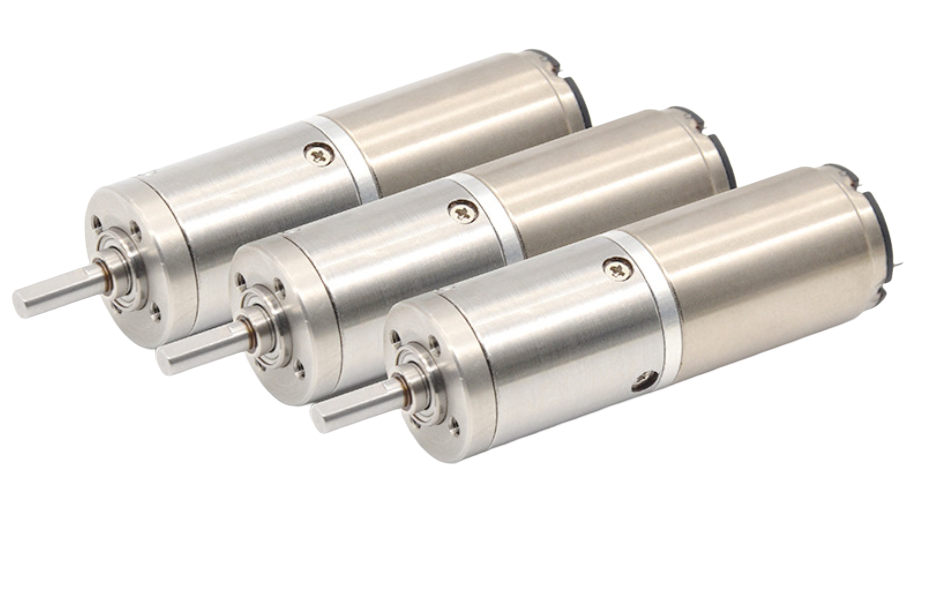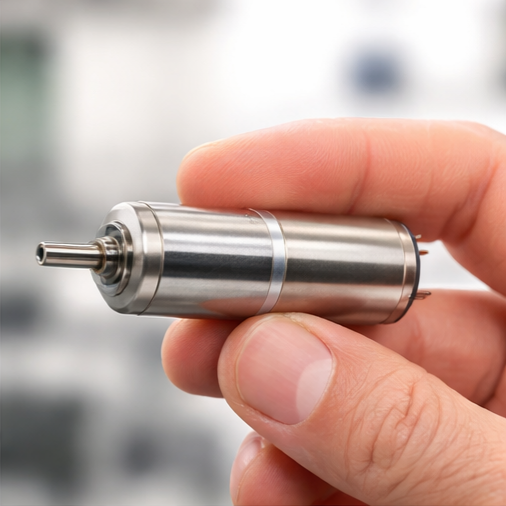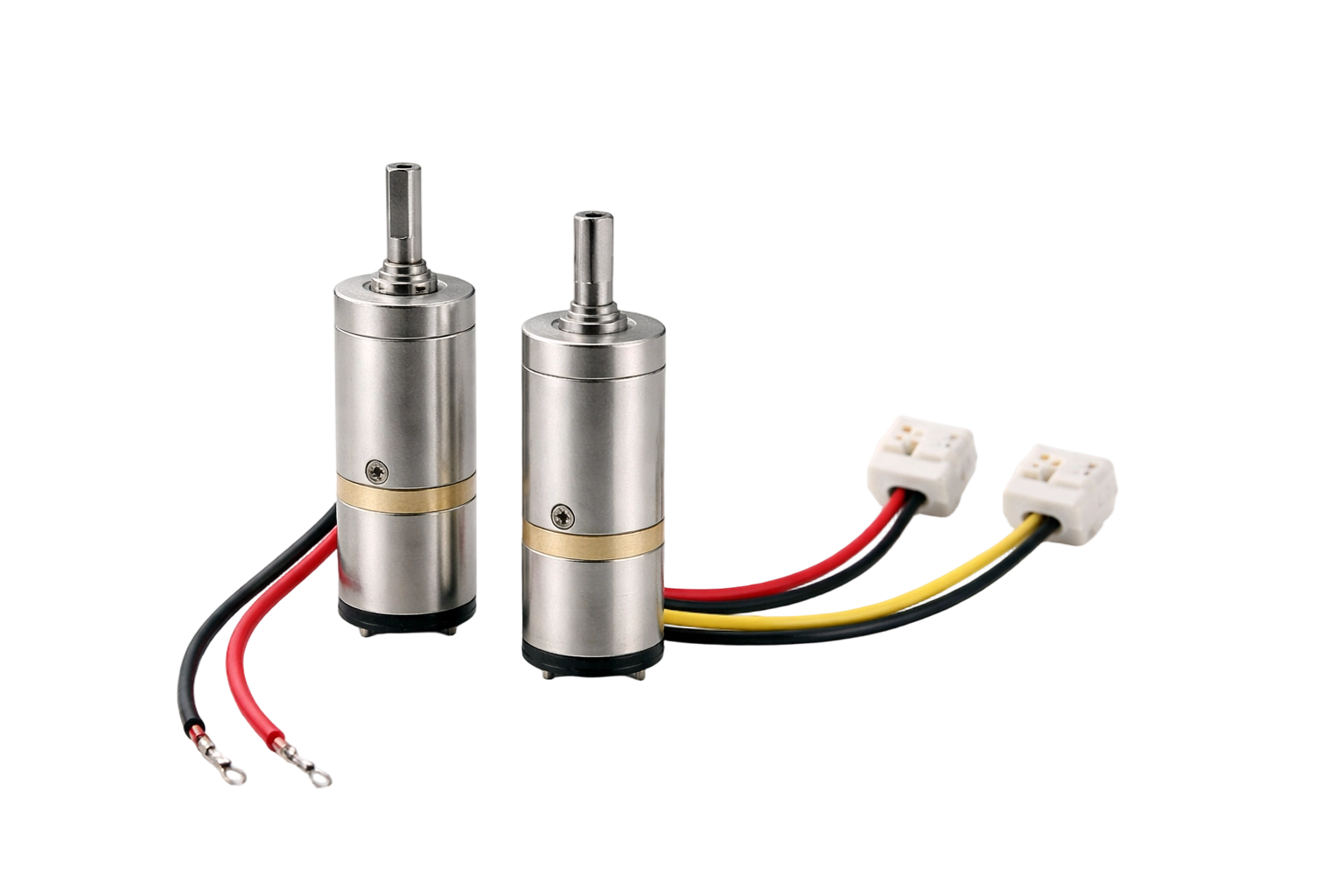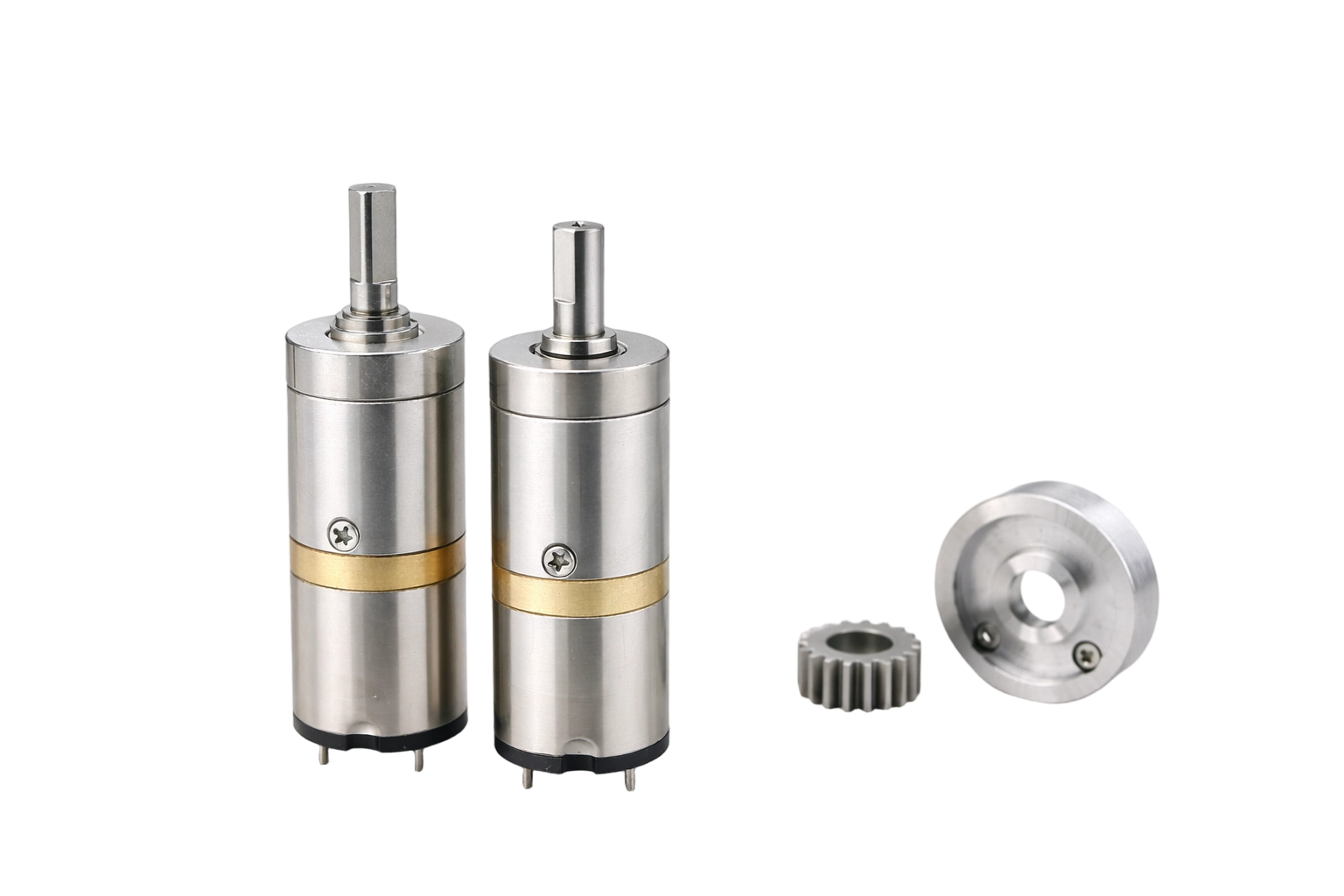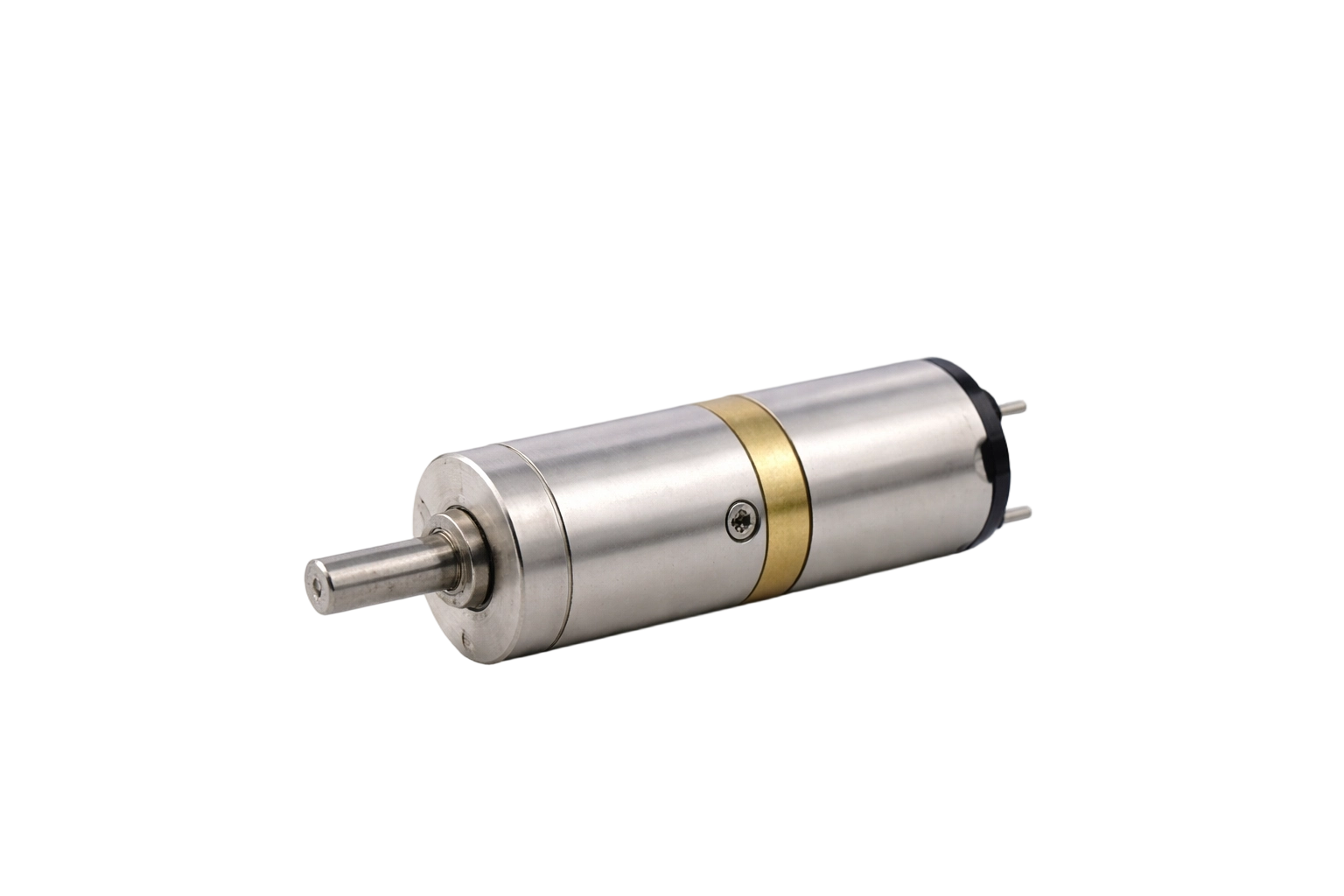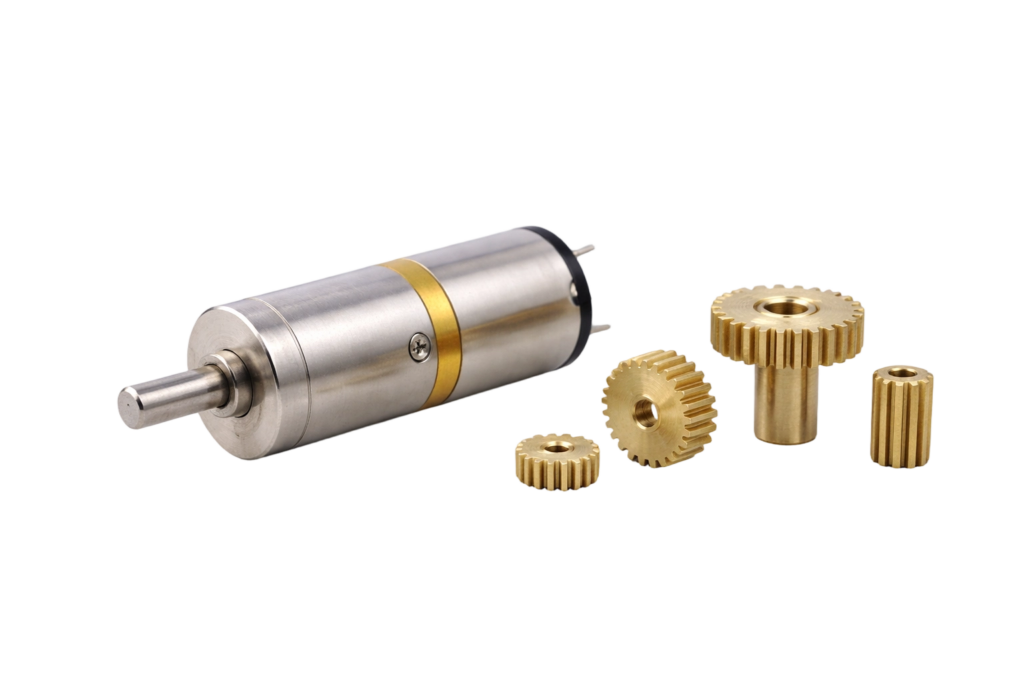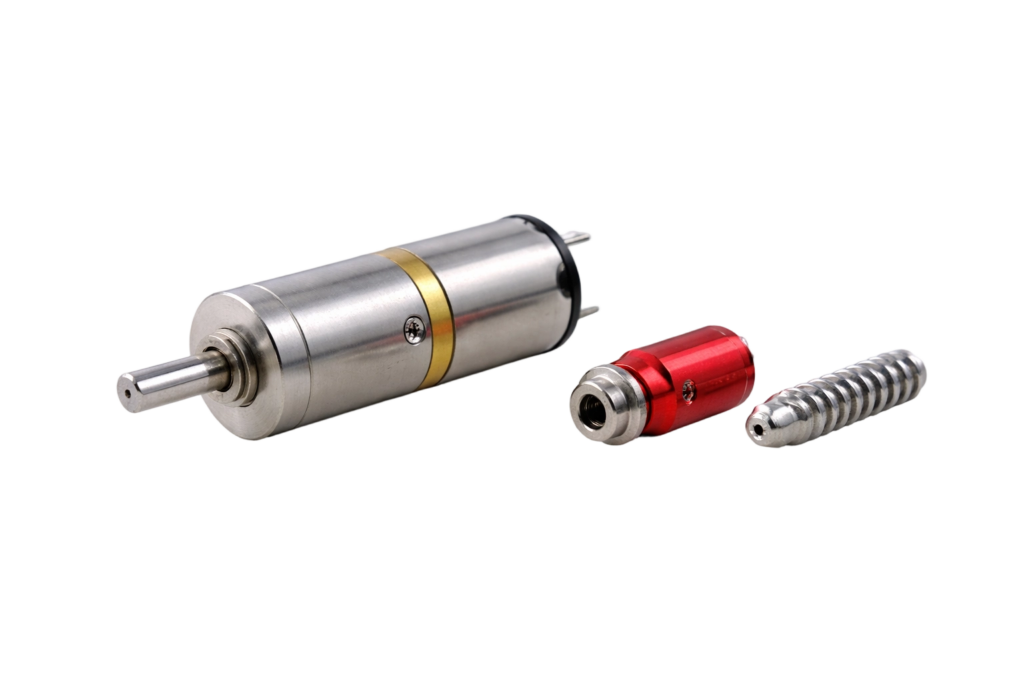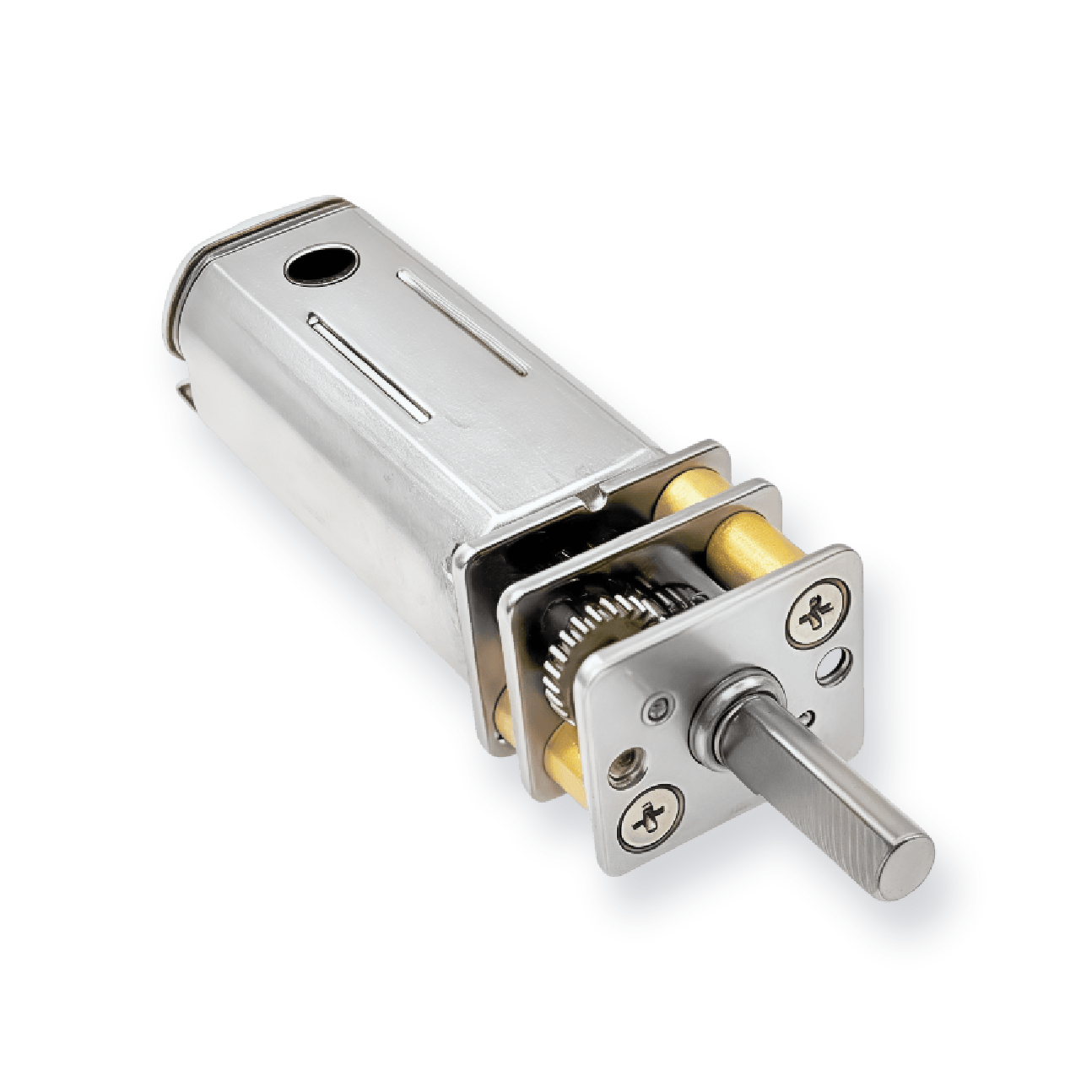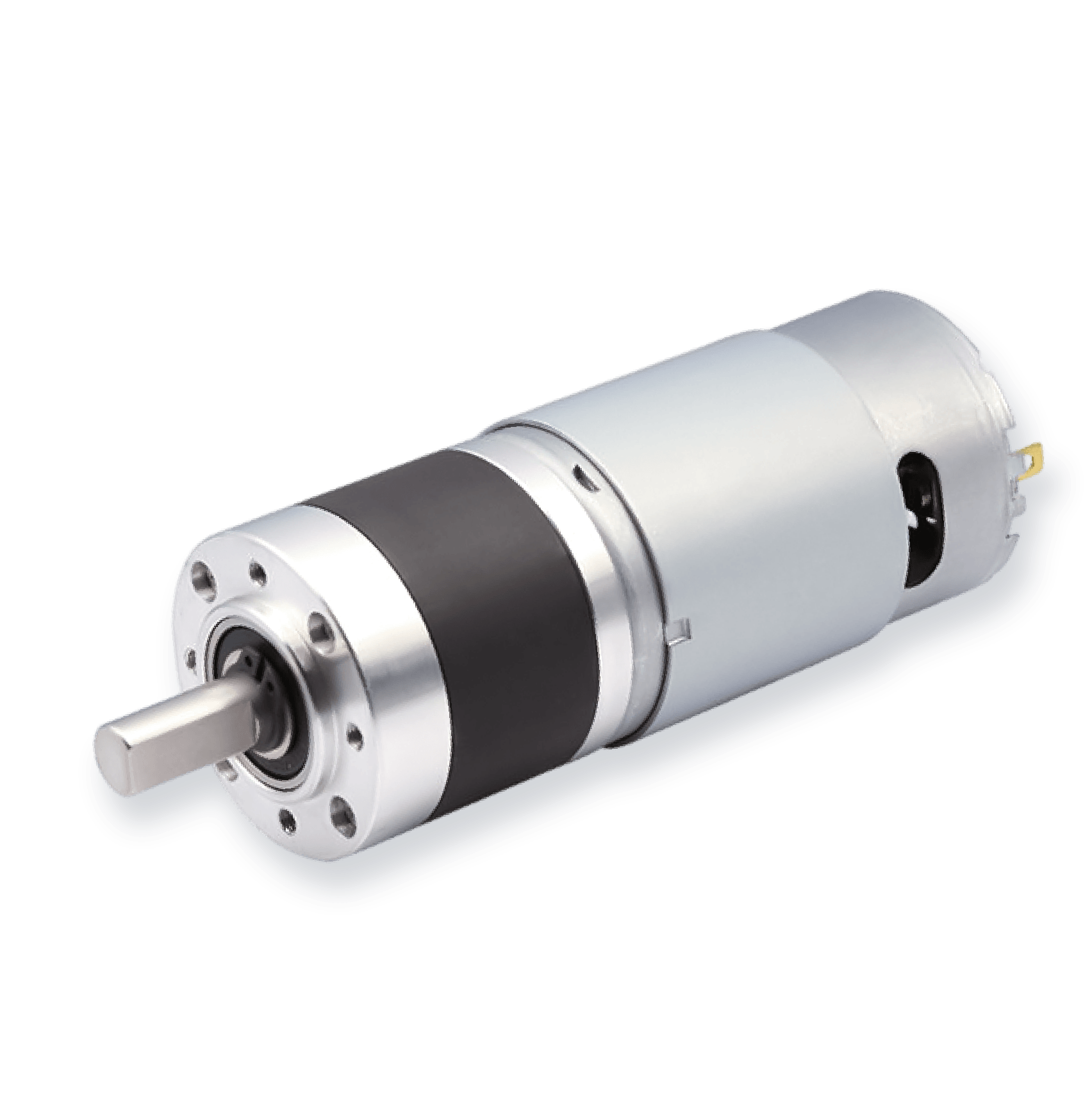
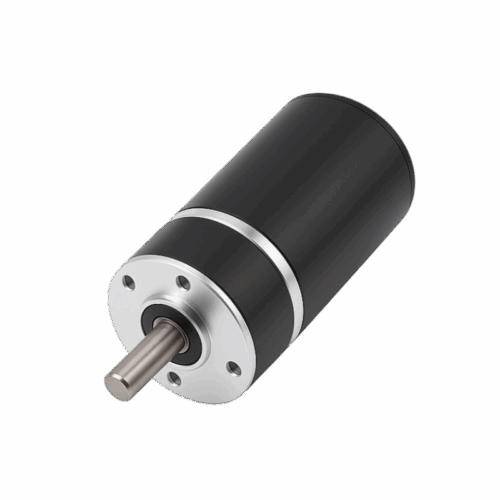
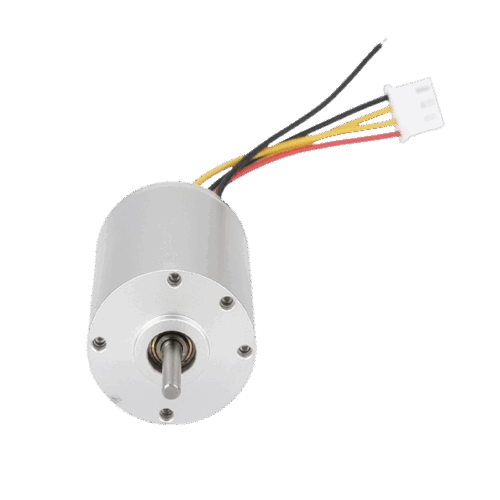
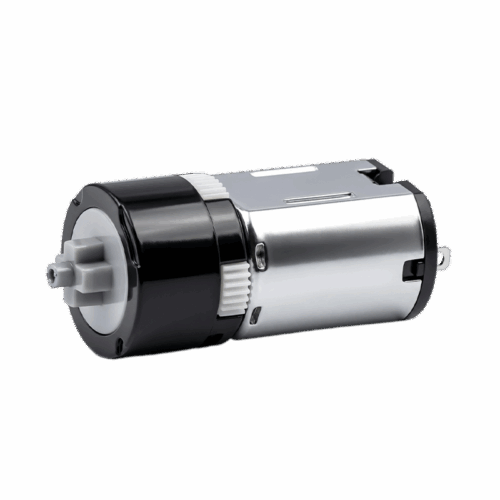
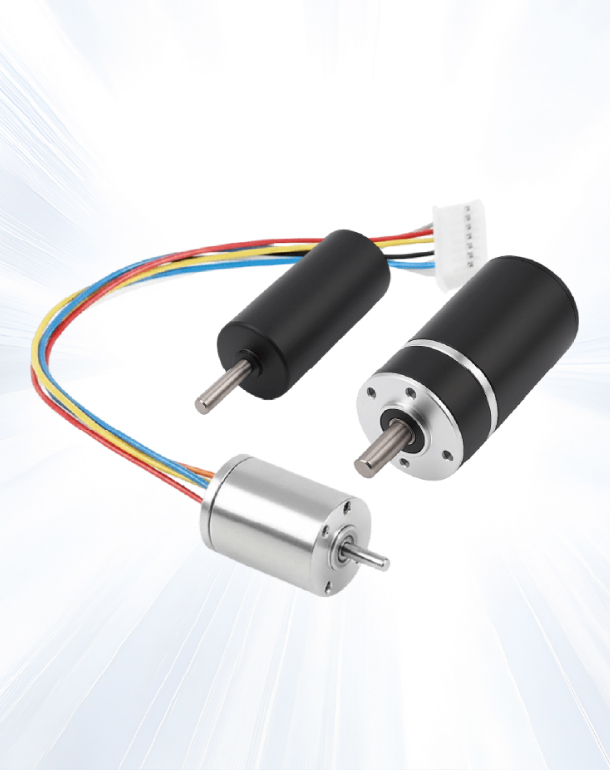
22mm Diameter DC Brushed Coreless Motor With Planetary Gearbox

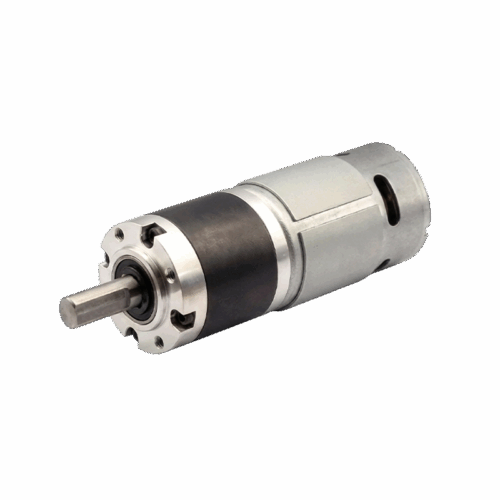
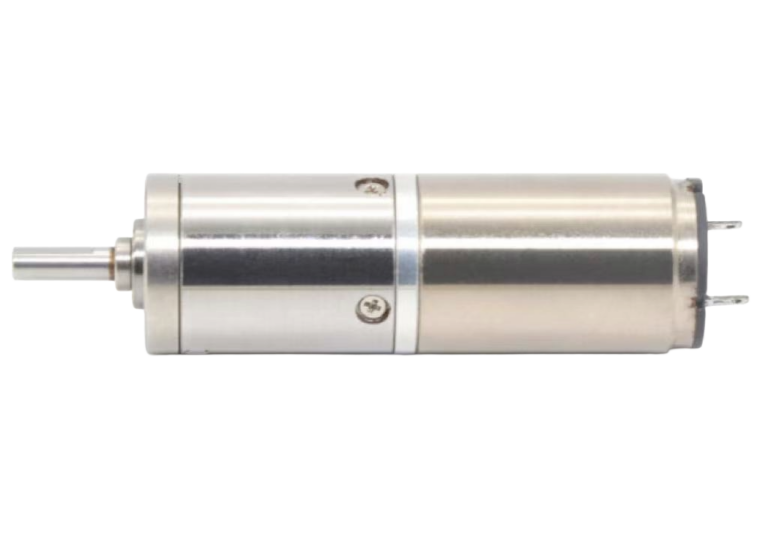
This 22mm brushed coreless planetary gear motor is designed for 6–24V systems where you need an ultra-low-speed output around 9–10 rpm in a Φ22 gearbox envelope, with current capped by “MAX” limits.

Get a Quote
  • 22mm Diameter DC Brushed Coreless Motor With Planetary Gearbox Featured Image
Specs

Key Features

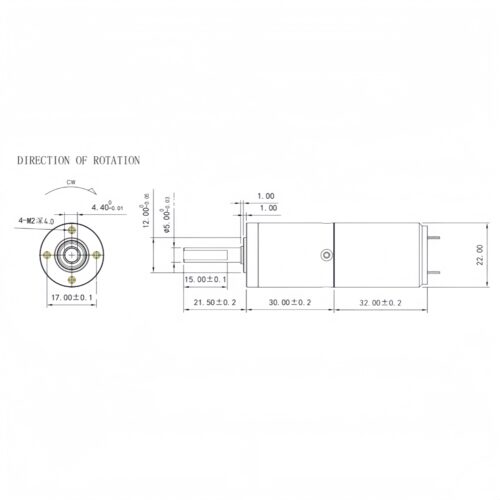
This model is a Φ22 brushed coreless planetary gear motor platform defined by a fixed gearbox envelope (Φ22×L30) and a single ultra-low-speed configuration, making selection straightforward when your mechanism prioritizes slow output and compact installation.

  • 6V–24V applied range supports broad low-voltage DC architectures while the table anchors performance at 7V DC
  • Planetary gearbox with Φ22×L30 envelope targets ultra-low-speed output behavior rather than high-speed actuation
  • No-load speed is listed as 10 ±10% rpm, providing a clear free-run speed anchor for slow mechanisms
  • Rated speed is listed as 9 ±10% rpm with rated current 250mA MAX., defining driver sizing boundaries under working load
  • No-load current is listed as 80mA MAX., helping you estimate baseline draw and heat at light load
technical Specs

Motors Specifications

Motor Model Rated voltage No-load speed No-load current Rated speed Rated current Stall torque Stall current
VDC r/min mA r/min mA kg-cm A
1KMGP2232001 7VDC 10 ±10%rpm 80mA MAX. 9 ±10%rpm 250mA MAX. 60 kg-cm /

For additional customization or reference configurations, please feel free to contact us.
Why Choose us

SLW Motor Highlights

  • Ultra-Low-Speed Output for Slow Mechanisms

    The 9–10 rpm speed window is suited to mechanisms that must move slowly and steadily rather than cycle quickly.

  • “MAX” Current Limits Define Your Driver Boundary

    Both no-load and rated current are given as MAX values, which pushes selection toward current-limit compliance and thermal planning instead of assuming a fixed draw.

  • High Stall Torque as a Mechanical Boundary Condition

    Stall torque is listed as 60 kg-cm, which is a meaningful boundary for hard stops, back-driving risk, and gear-train shock if the output is blocked.

  • Fixed Φ22 Gearbox Envelope for Packaging Control

    The Φ22×L30 gearbox size helps you keep the same mechanical installation while standardizing on a single slow-output configuration.

Custom

Beyond the Standard: Performance Customized

  • 01
    Ultra-Low-Speed Use Case Fit at 9–10 rpm
    We confirm your mechanism truly needs this slow output range first, because selection errors usually come from using ultra-low-speed gear motors to solve problems that require different speed behavior.
  • 02
    “MAX Current” Budgeting Under Real Duty Cycles
    We plan around the MAX current limits and your duty cycle so the driver and wiring stay stable when load increases or friction rises.
  • 03
    Stall Torque Risk Planning at 60 kg-cm
    We assess hard-stop impacts and back-driving loads early, because 60 kg-cm stall torque can damage small linkages if the mechanism jams.
  • 04
    Output Coupling and Shaft Engagement at Φ22 Scale
    We lock the coupling method and engagement length early so the output does not slip or wear when torque rises during startup or brief overload.
  • 05
    Voltage Architecture Strategy Across 6–24V Systems
    We align your supply and control method to the configuration so you do not rely on overdriving or heavy PWM compensation to force-fit performance.
  • Ultra-Low-Speed Use Case Fit at 9–10 rpm
  • “MAX Current” Budgeting Under Real Duty Cycles
  • Stall Torque Risk Planning at 60 kg-cm
  • Output Coupling and Shaft Engagement at Φ22 Scale
  • Voltage Architecture Strategy Across 6–24V Systems

Custom Now

Related

Explore Our Motor

View All Products

FAQ

Frequently Asked Questions

If you share your available space and the driven load type, we can help narrow the most suitable configuration quickly.

How do I choose this model quickly?
Confirm your target output is in the 9–10 rpm range first, then check your driver can stay within the MAX current limits, and finally validate your mechanism can tolerate the stall torque boundary.
Why is the rated voltage shown as 7 V DC when the applied range is 6–24V?
The applied range describes system compatibility, while the table provides a defined test point for performance reference.
What does “MAX” current mean for my design?
It sets an upper boundary for current draw under the stated condition, so your driver and wiring should be selected with margin rather than assuming a fixed value.
What should I share so you can confirm suitability faster?
Share your target speed, load torque estimate, duty cycle, available space, supply voltage, and whether the mechanism can hit hard stops or jam.
Is it suitable for repeat production?
Yes. This is a single defined configuration with a fixed envelope, which supports stable sourcing and consistent integration.
Get Started

Accelerate Your Project with Precision Motors