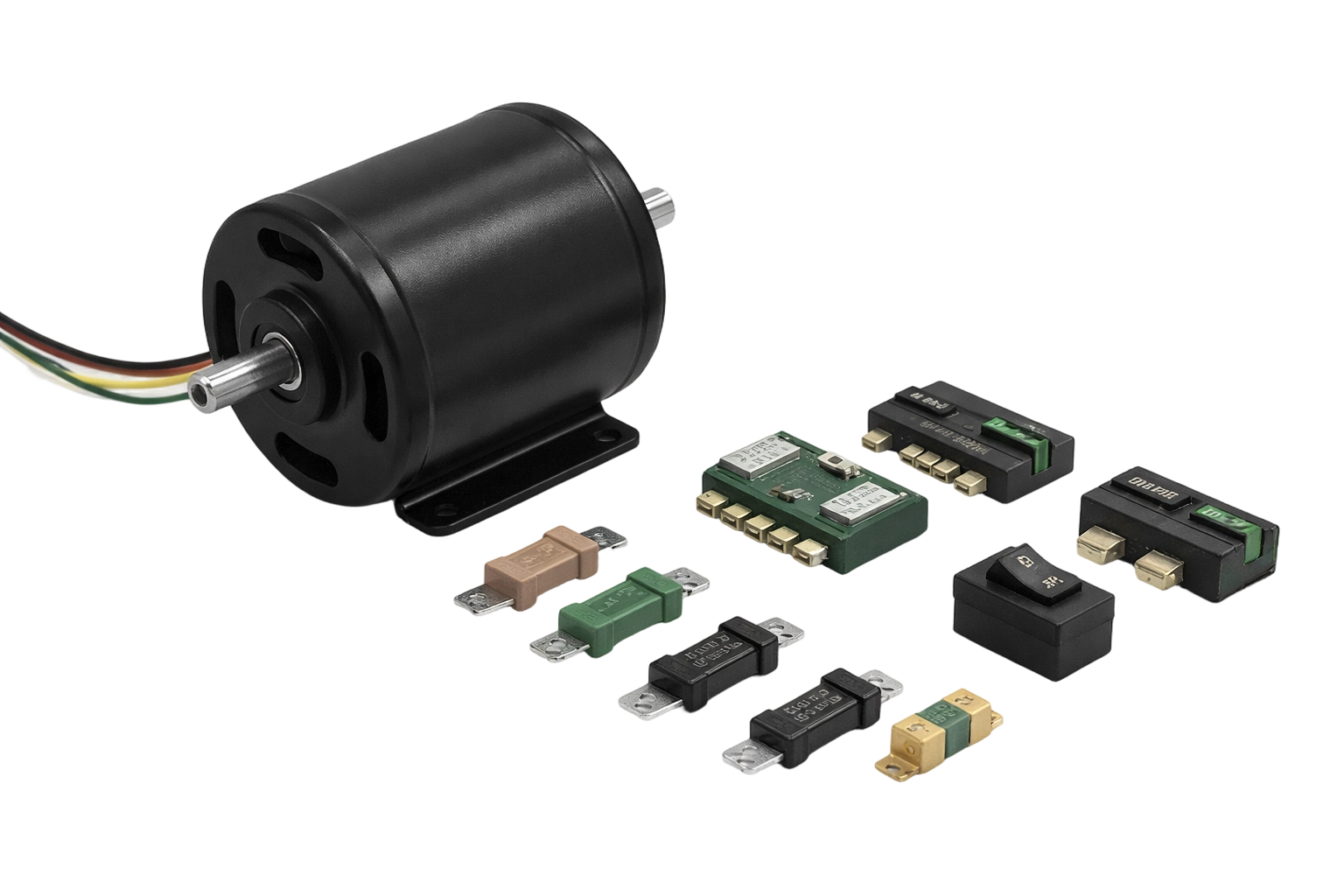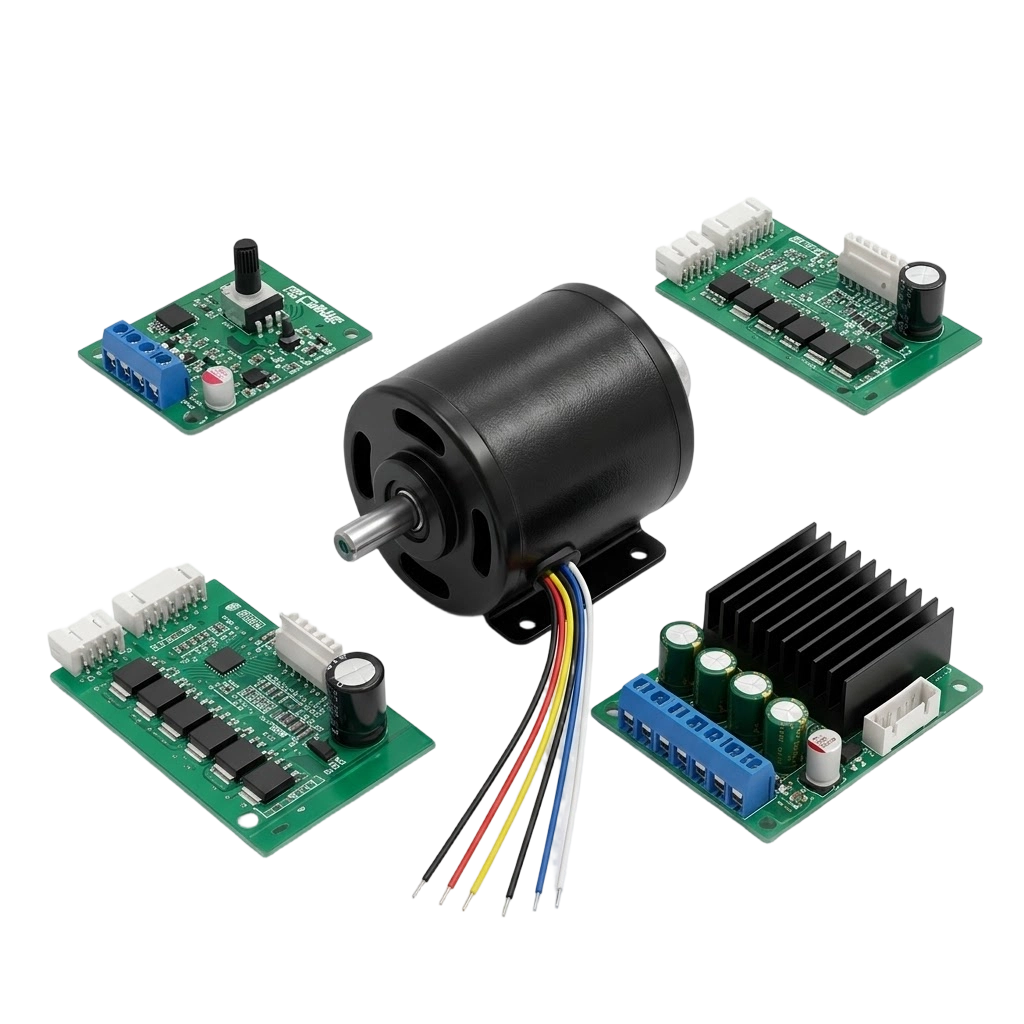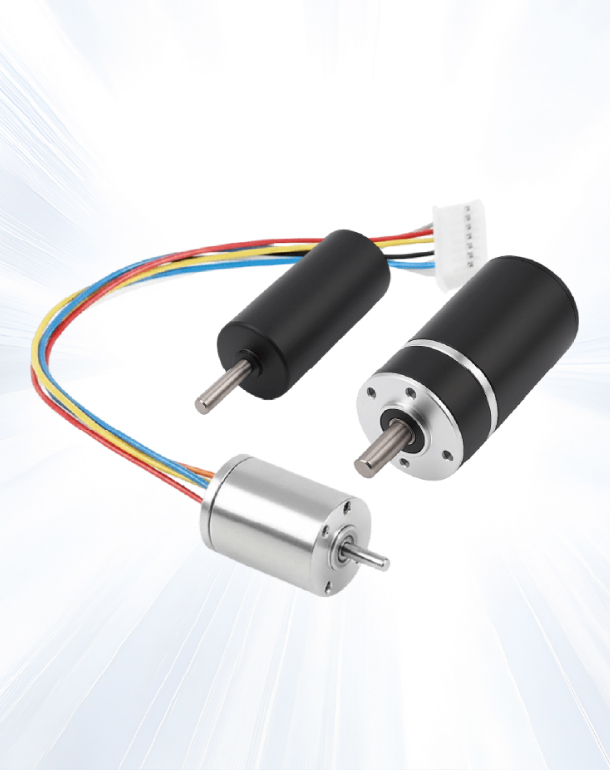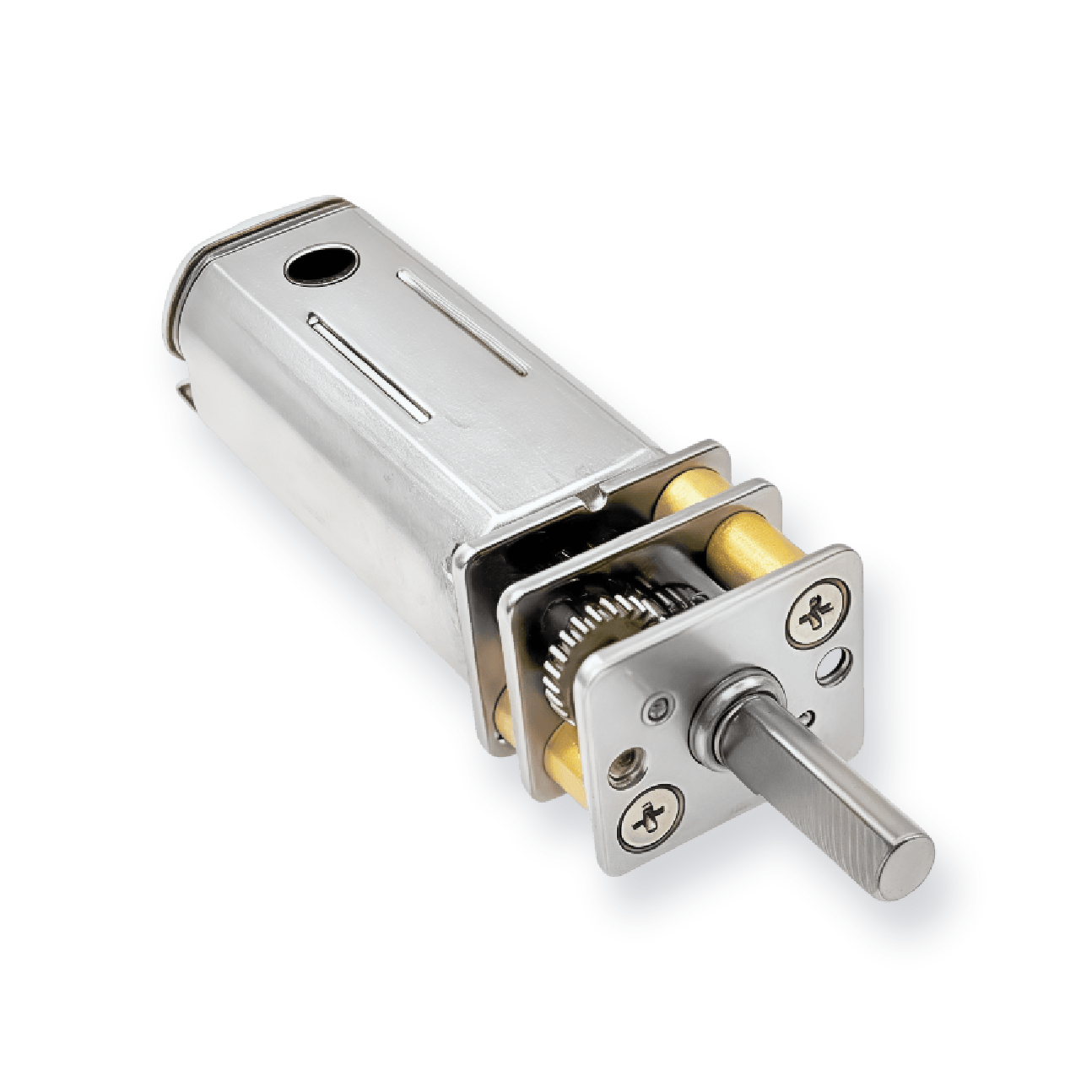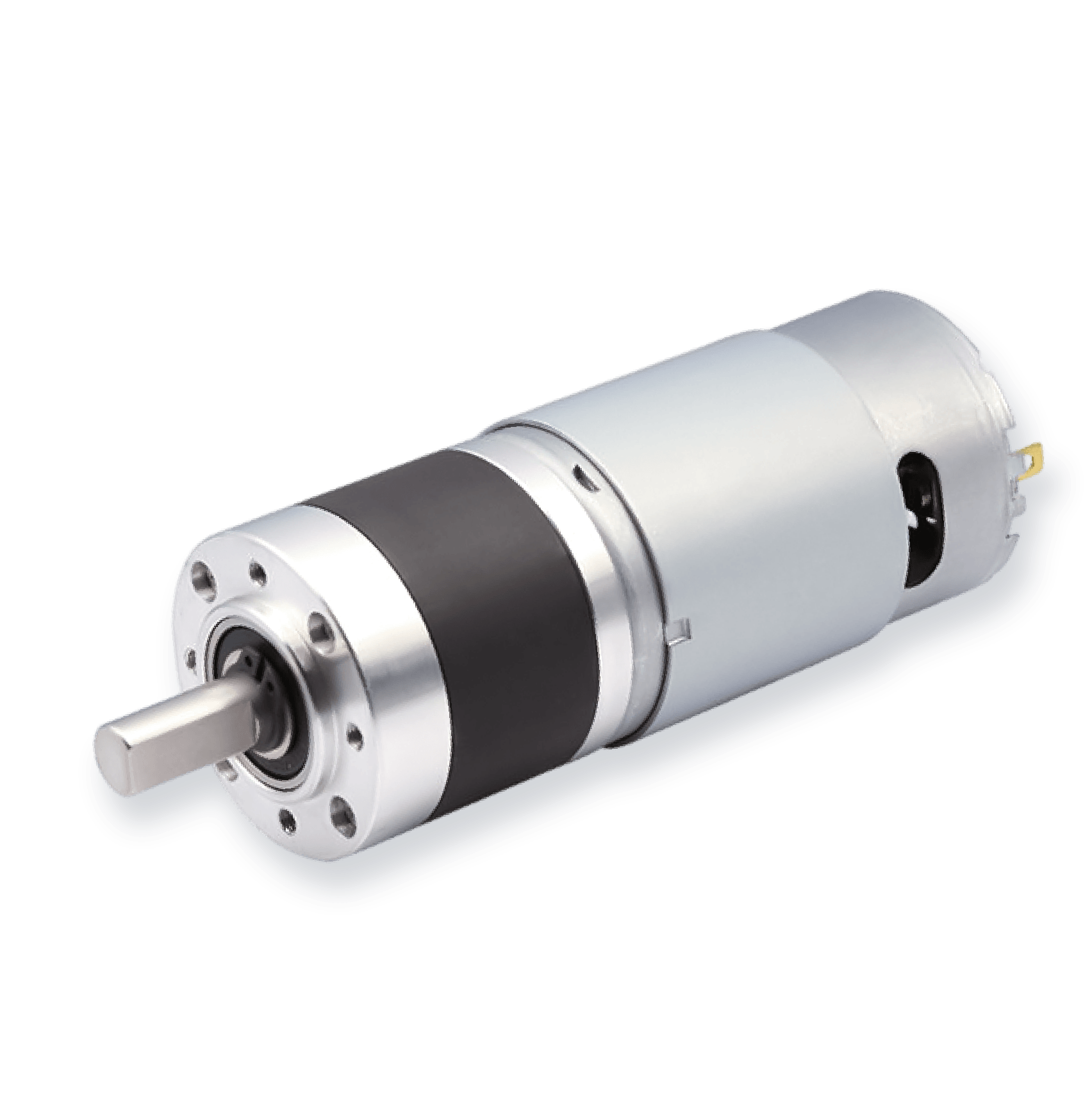
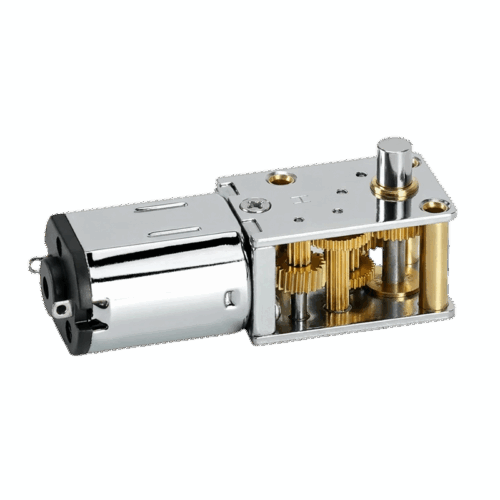
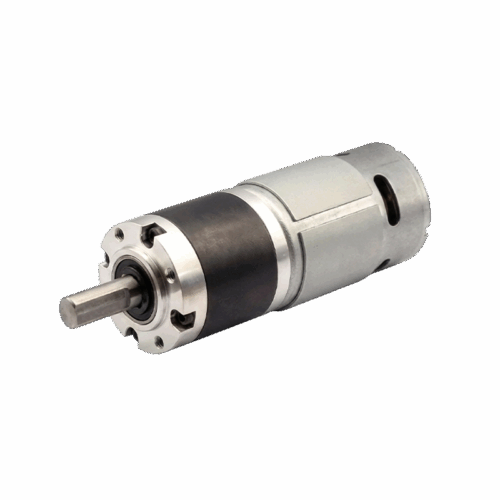
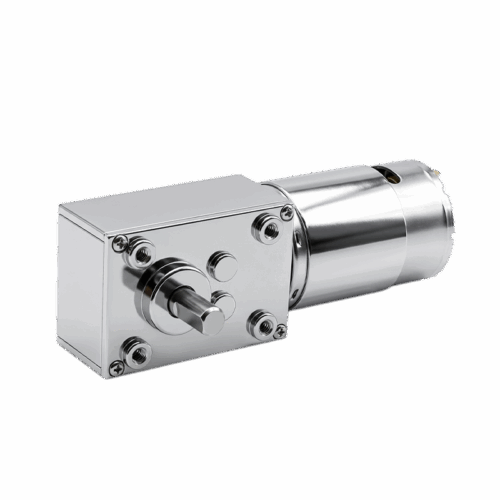
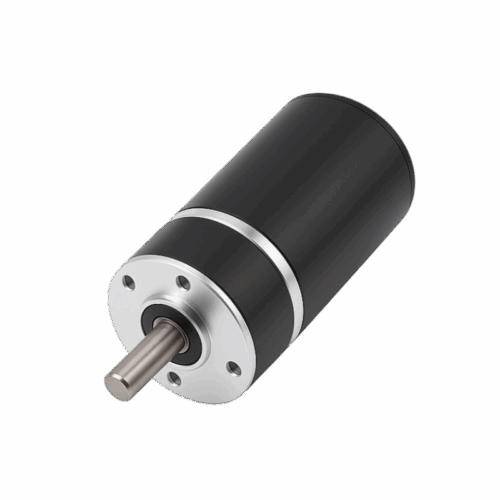
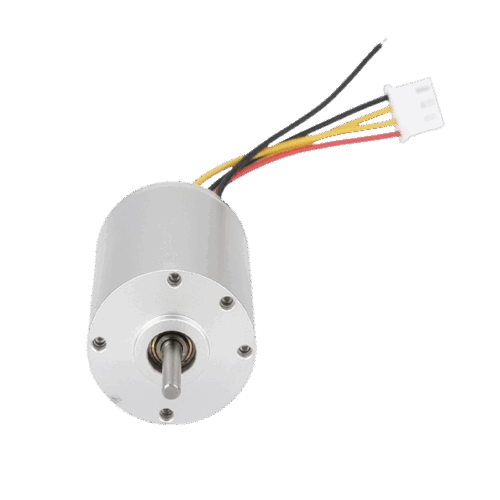
42mm Diameter 60 Brushless DC Motor BLDC Motors

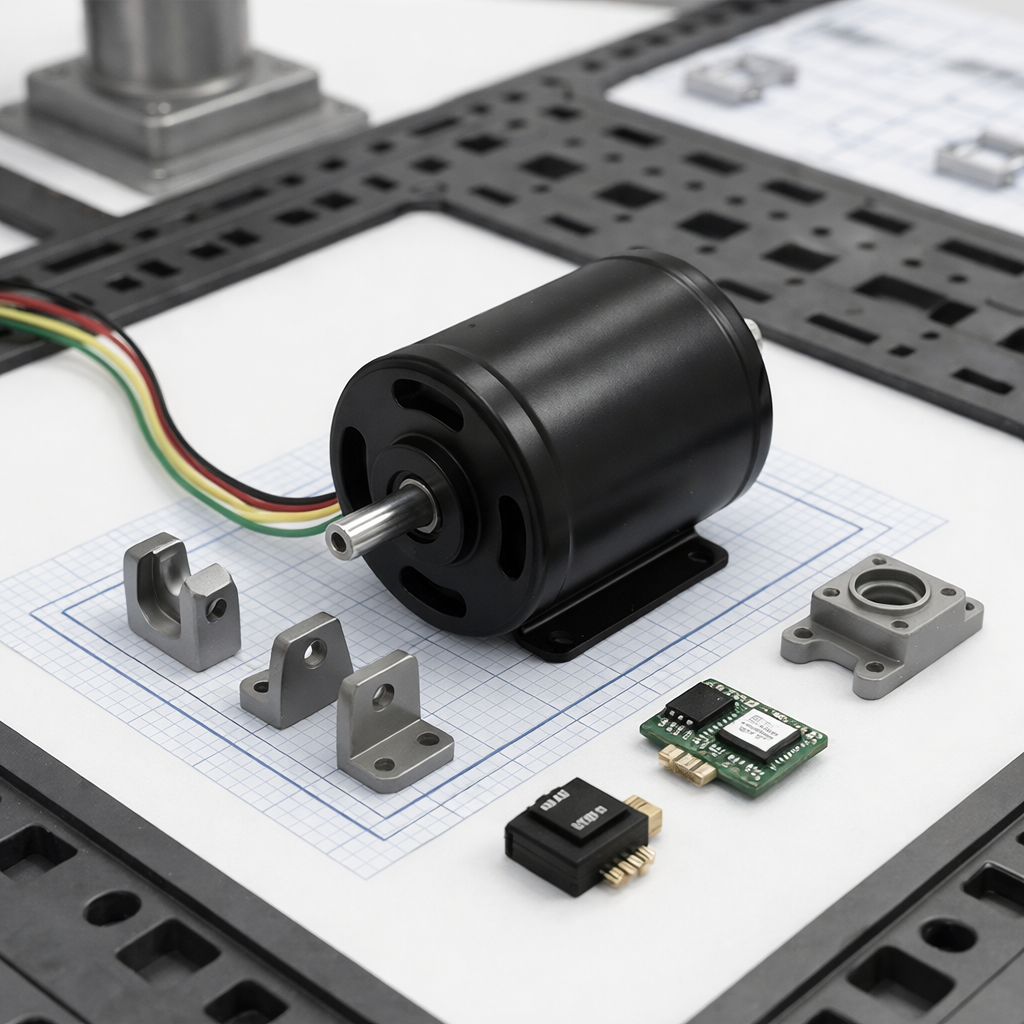
This 42mm BLDC motor is built for heavier direct-drive loads that need stronger torque reserve and more rigid mounting, while keeping selection simple with efficiency-point and stall-limit data.

Get a Quote
  • 42mm Diameter 60 Brushless DC Motor BLDC Motors Featured Image
Specs

Key Features

This 42mm BLDC motor emphasizes mounting rigidity and torque reserve for larger mechanisms where frame stiffness and fastener pattern matter as much as electrical performance.
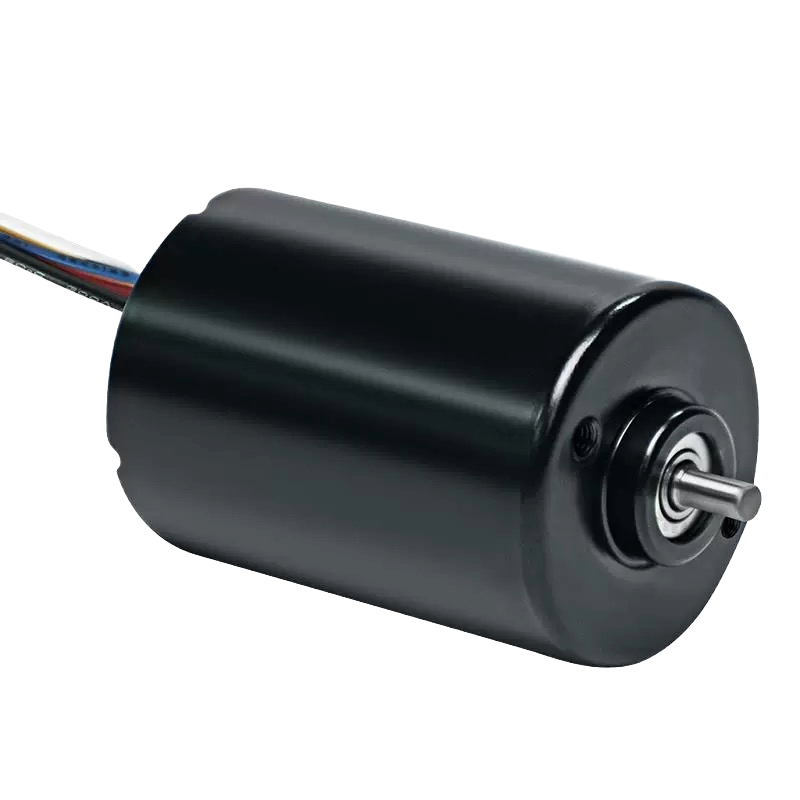
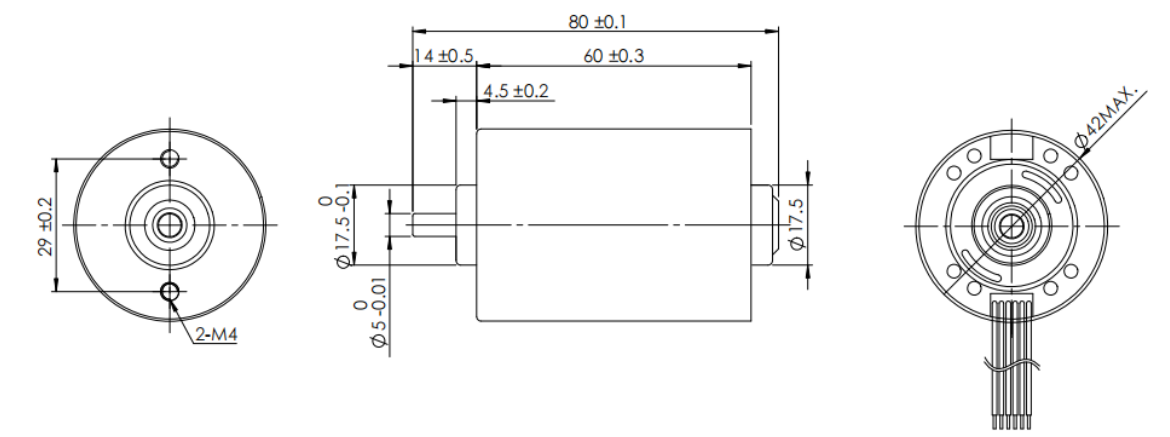
  • Φ42×L60 body supports higher mechanical stiffness for larger assemblies
  • 6V–48V applied range fits wide DC system architectures
  • Higher frame diameter improves torque reserve for direct-drive or low-ratio belt systems
  • Clear maximum-efficiency and stall data supports controller sizing and protection planning
  • 2×M4 mounting pattern supports more stable bracket fixation than small-frame motors
technical Specs

Motors Specifications

Motor model Voltage No-load At Maximum Efficiency Stall
Current Speed Current Speed Torque Output Efficiency Torque Current
V A r/min A r/min g.cm mN.m W % g.cm mN.m A
BL4260M-01 12 0.24 3100 1.33 2600 380 37.28 10.13 68.5 2353 230.8 6.38
BL4260M-02 18 0.22 6400 1.18 5400 270 26.49 14.98 70.5 1743 170.9 6.42
BL4260M-03 24 0.35 8600 1.52 7250 370 36.3 27.53 75.3 2365 232 7.84

For additional customization or reference configurations, please feel free to contact us.

Why Choose us

SLW Motor Highlights

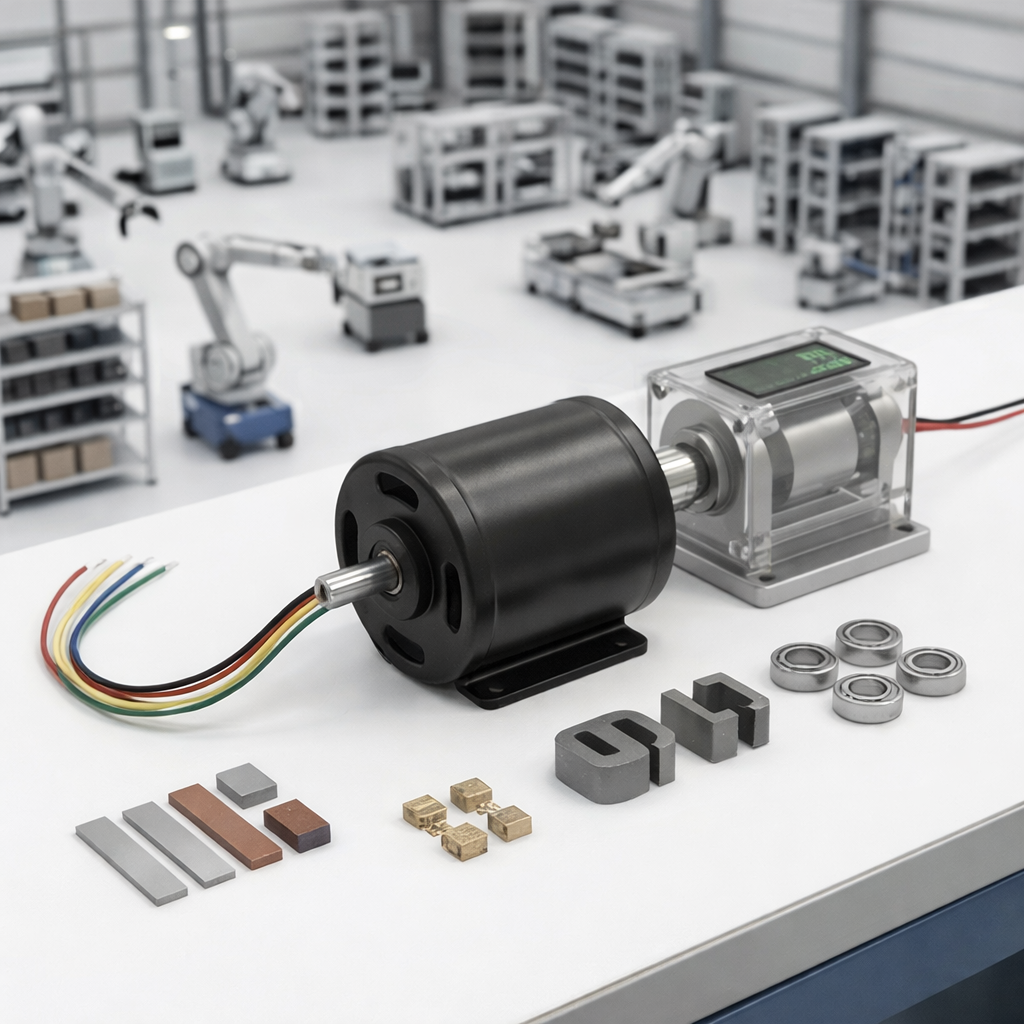
  • Rigid Mounting for Larger Loads

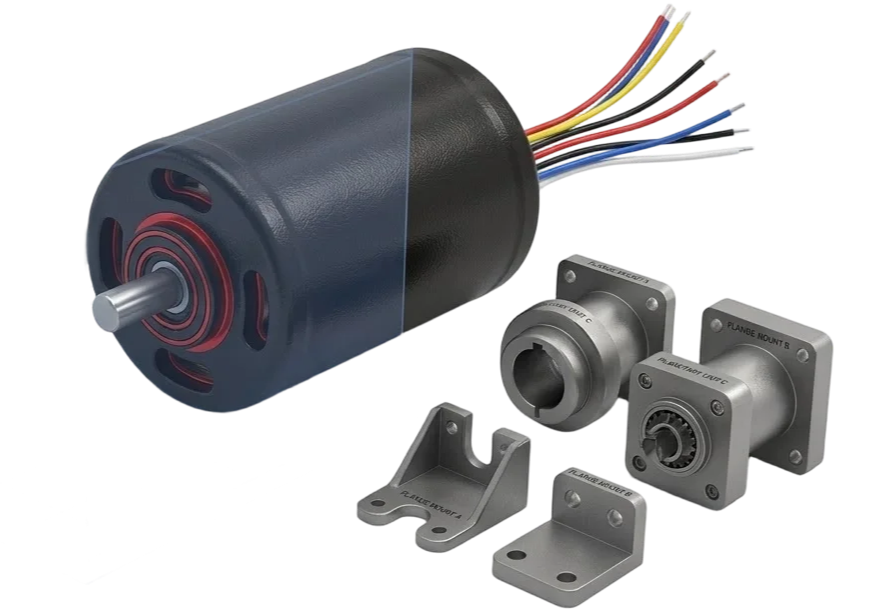
    The 2×M4 mounting points and larger face support bracket stability when the driven load produces higher reaction force or vibration.
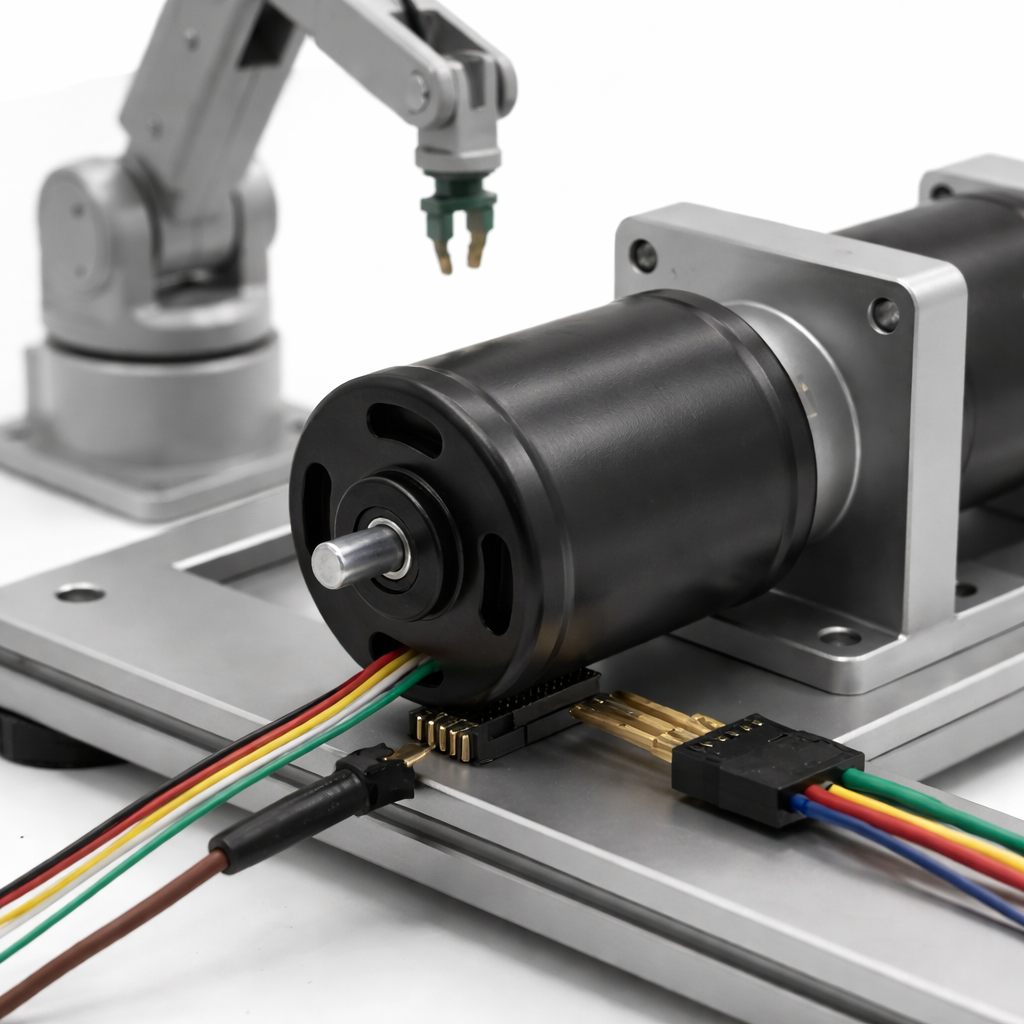
  • Direct-Drive Friendly Frame Size

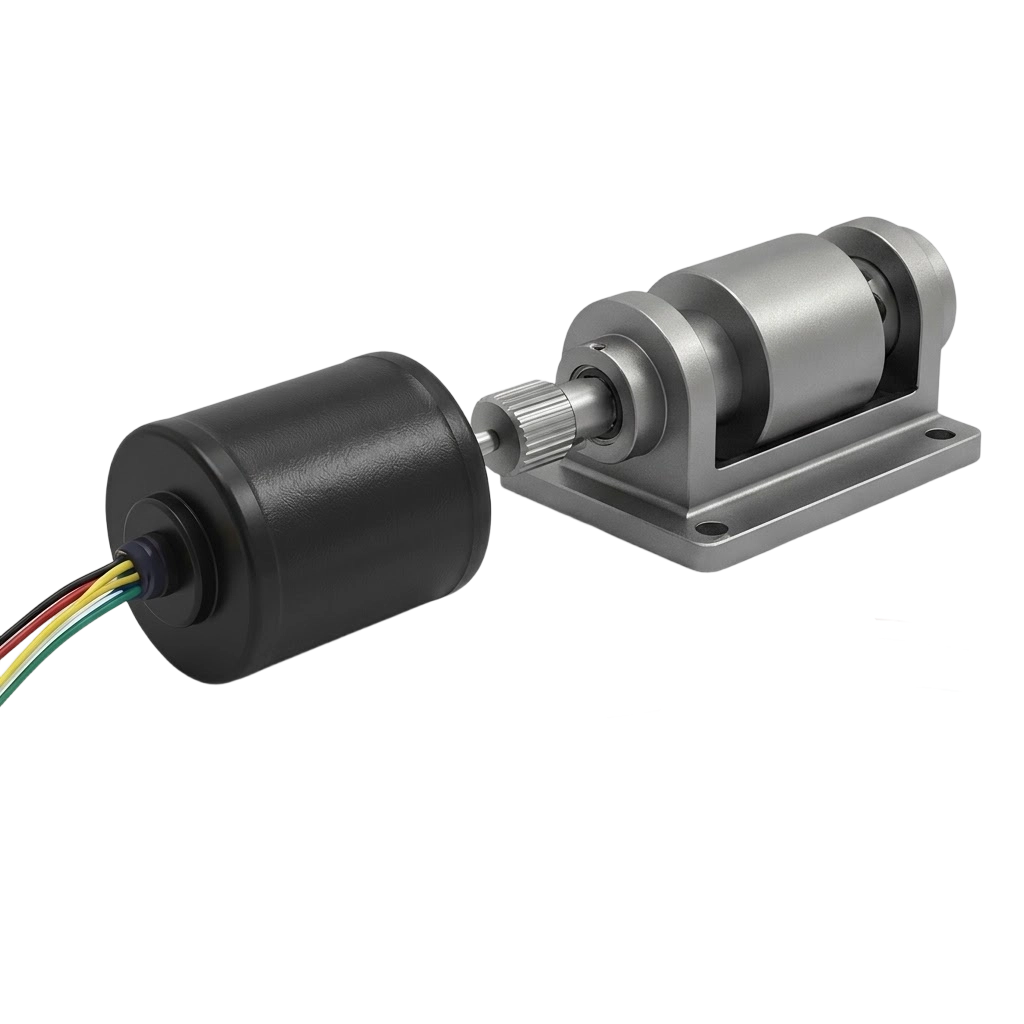
    A 42mm diameter frame suits low-reduction belt drives or direct coupling where you want torque without gearbox complexity.
  • Efficiency-Point Data That Helps You Set a Real Working Window

    Instead of sizing by no-load speed, you can use the maximum-efficiency speed, torque, and current as a practical operating anchor.
  • Stall Data for Protection and Startup Planning

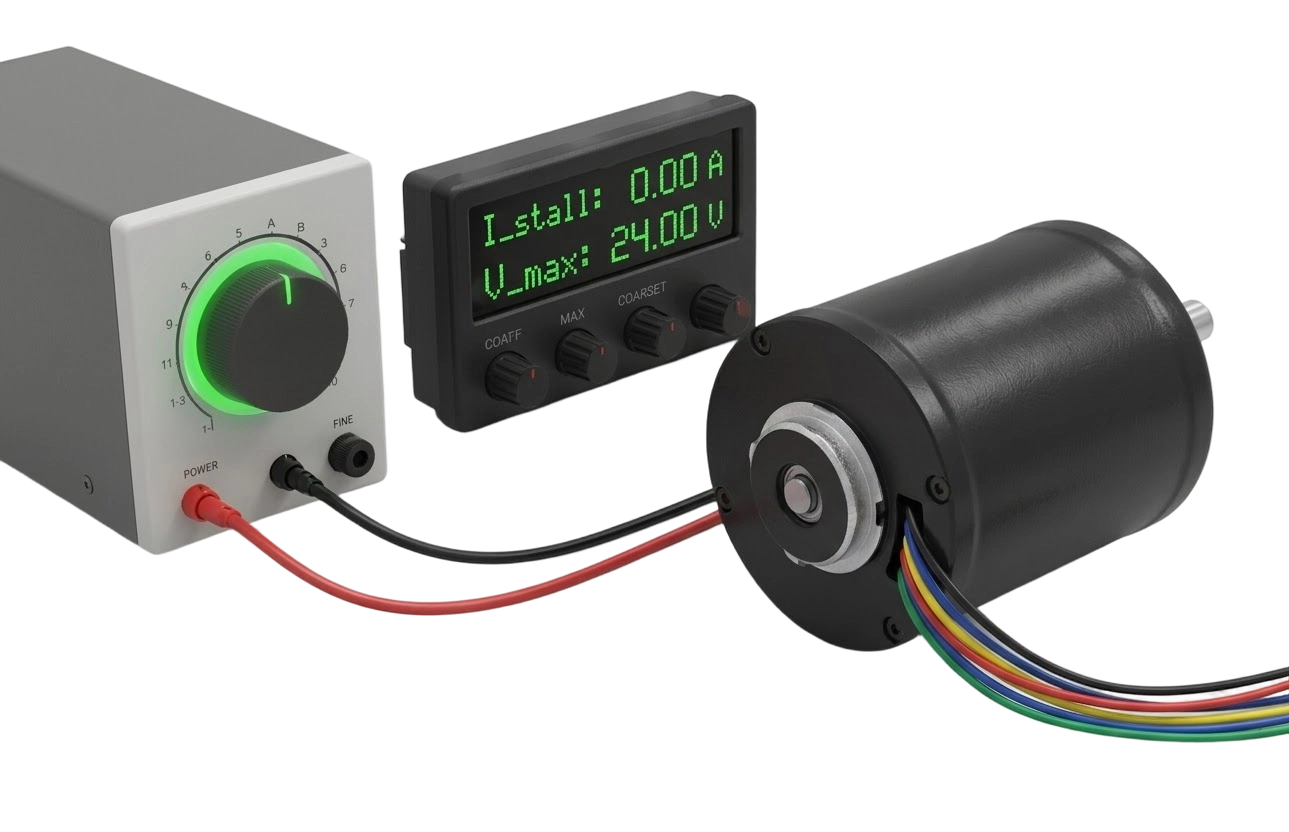
    Stall torque and stall current support current-limit planning and reduce the risk of controller trips during startup transients.

Custom

Beyond the Standard: Performance Customized

  • 01
    Bracket Rigidity and Fastener Strategy Review
    We confirm whether 2×M4 mounting is sufficient for your load direction, bracket thickness, and vibration level.
  • 02
    Direct-Drive vs Belt Ratio Tradeoff
    We help decide whether to drive directly or apply a small belt ratio to move the operating point closer to the efficiency region.
  • 03
    Inrush and Startup Behavior Planning
    We align expected inertia and startup torque with stall current so your current limit and ramp strategy stays stable.
  • 04
    Working-Point Thermal Margin Check
    We review your duty cycle against efficiency-point current and expected load to reduce heat accumulation during continuous run.
  • 05
    Shaft and Coupling Load Path Check
    We review coupling type and shaft loading direction so radial or axial load does not become the limiting factor in your assembly.
  • Bracket Rigidity and Fastener Strategy Review
  • Direct-Drive vs Belt Ratio Tradeoff
  • Inrush and Startup Behavior Planning
  • Working-Point Thermal Margin Check
  • Shaft and Coupling Load Path Check

Custom Now

Related

Explore Our Motor

View All Products

FAQ

Frequently Asked Questions

If you share your available space and the driven load type, we can help narrow the most suitable configuration quickly.

When should I choose a 42mm frame instead of 36mm or 28mm
Choose 42mm when your mechanism needs more torque reserve, stronger mounting rigidity, or better stability under vibration.
Is this motor suitable for direct drive
Yes, especially for heavier loads where you want to avoid gearbox backlash and keep the system mechanically simple.
How do I pick the right voltage version
Start with your available supply voltage, then compare the maximum-efficiency speed and output to match your required working point.
Why is stall current important for controller selection
Stall current defines worst-case draw, which helps you set protection thresholds and avoid driver failure during startup or overload.
What information helps confirm the right configuration quickly
Share your target speed, load torque, load direction (radial/axial), duty cycle, and available mounting space.
Get Started

Accelerate Your Project with Precision Motors