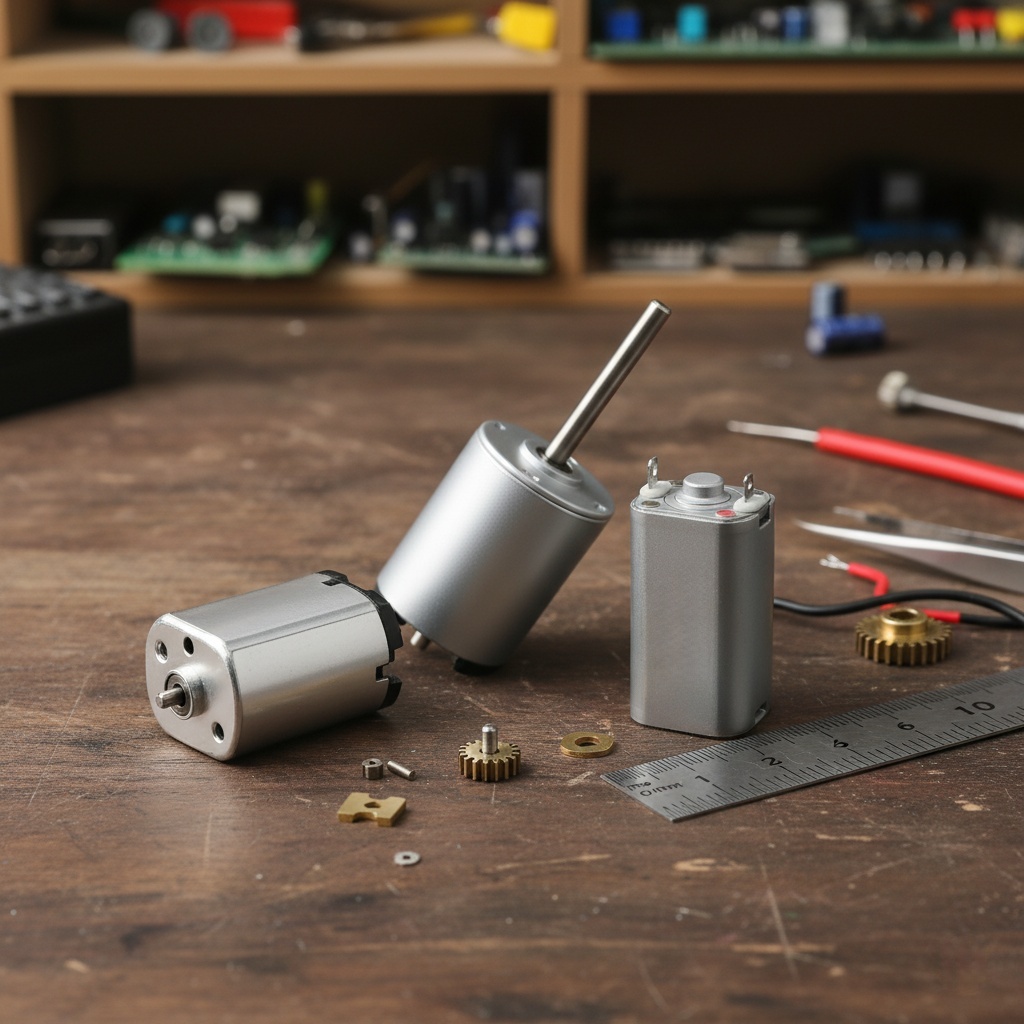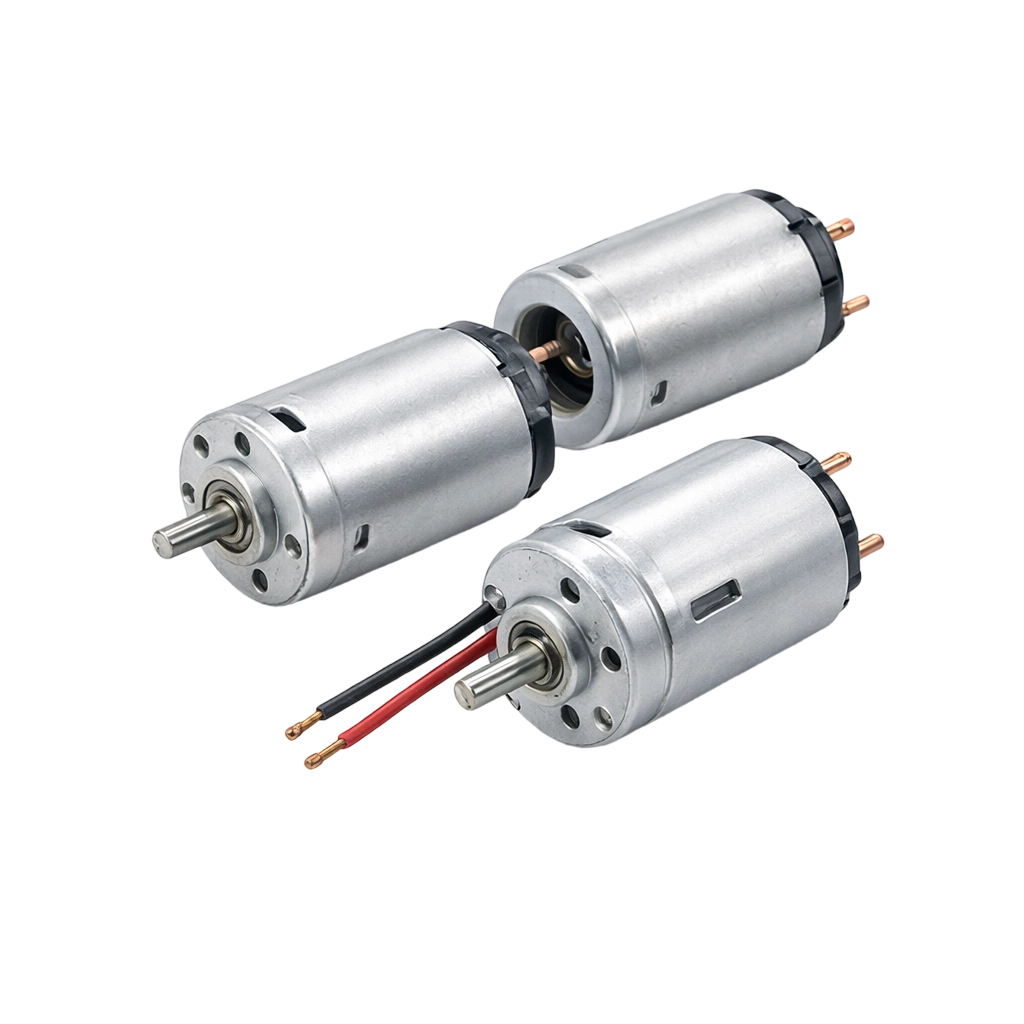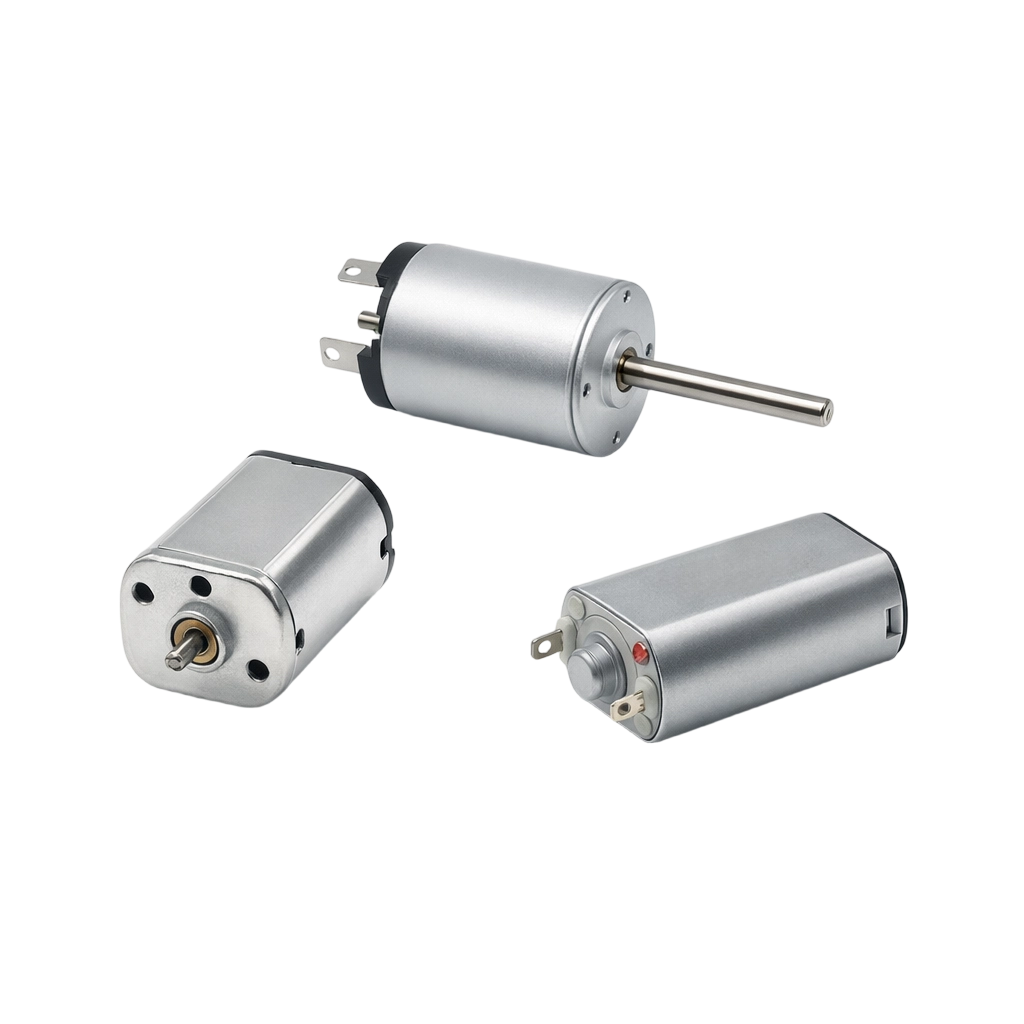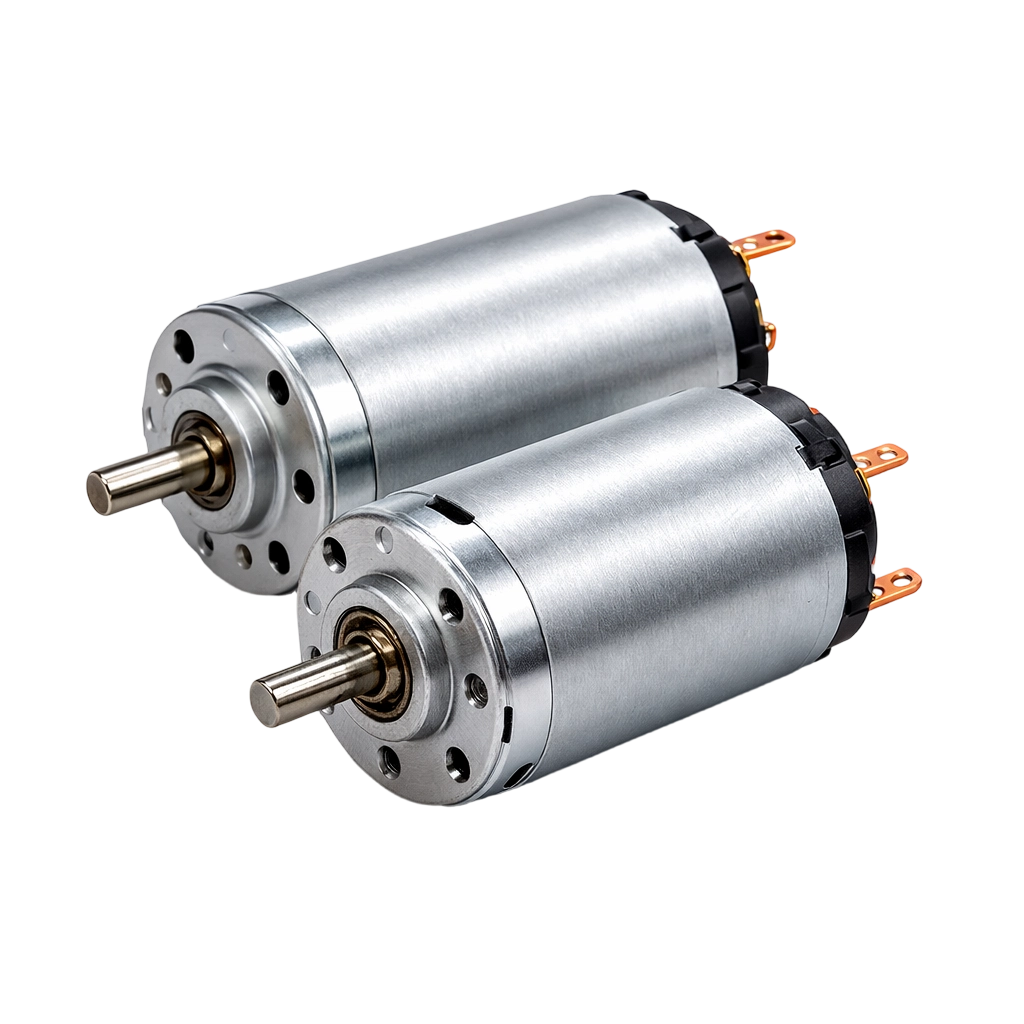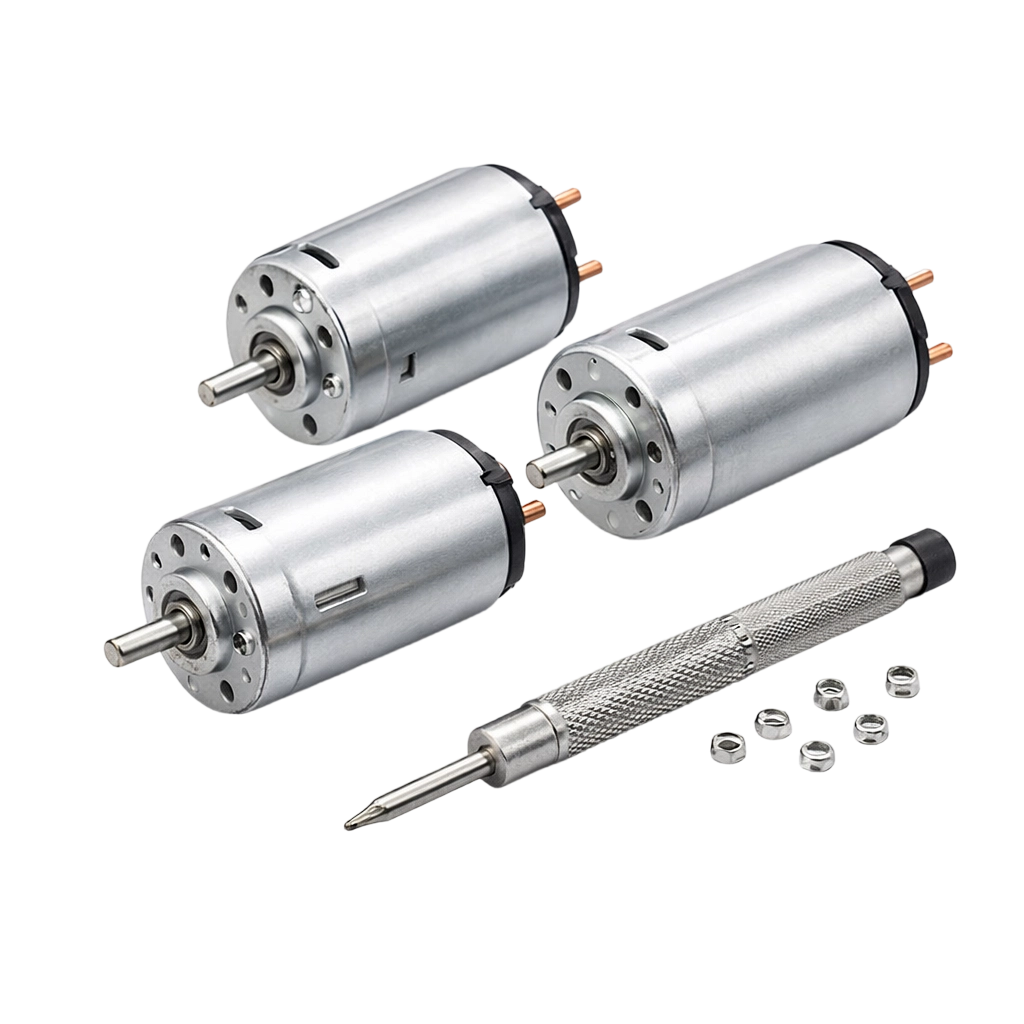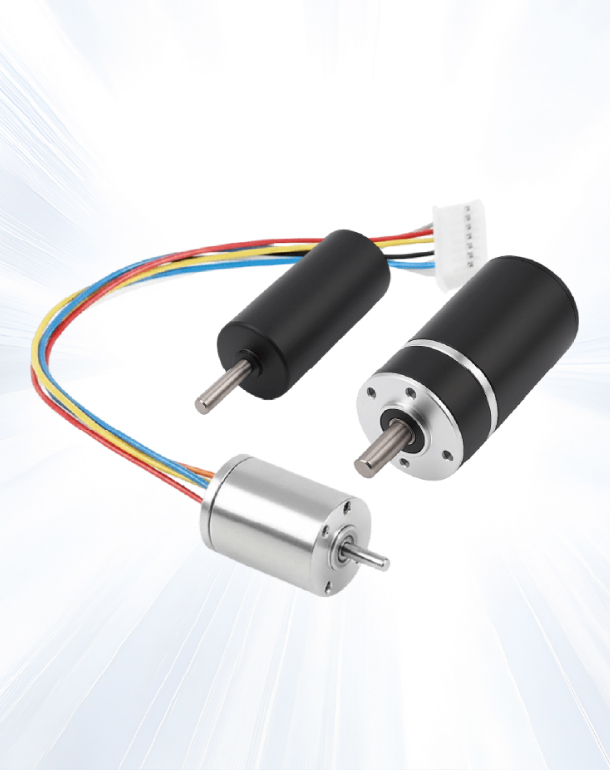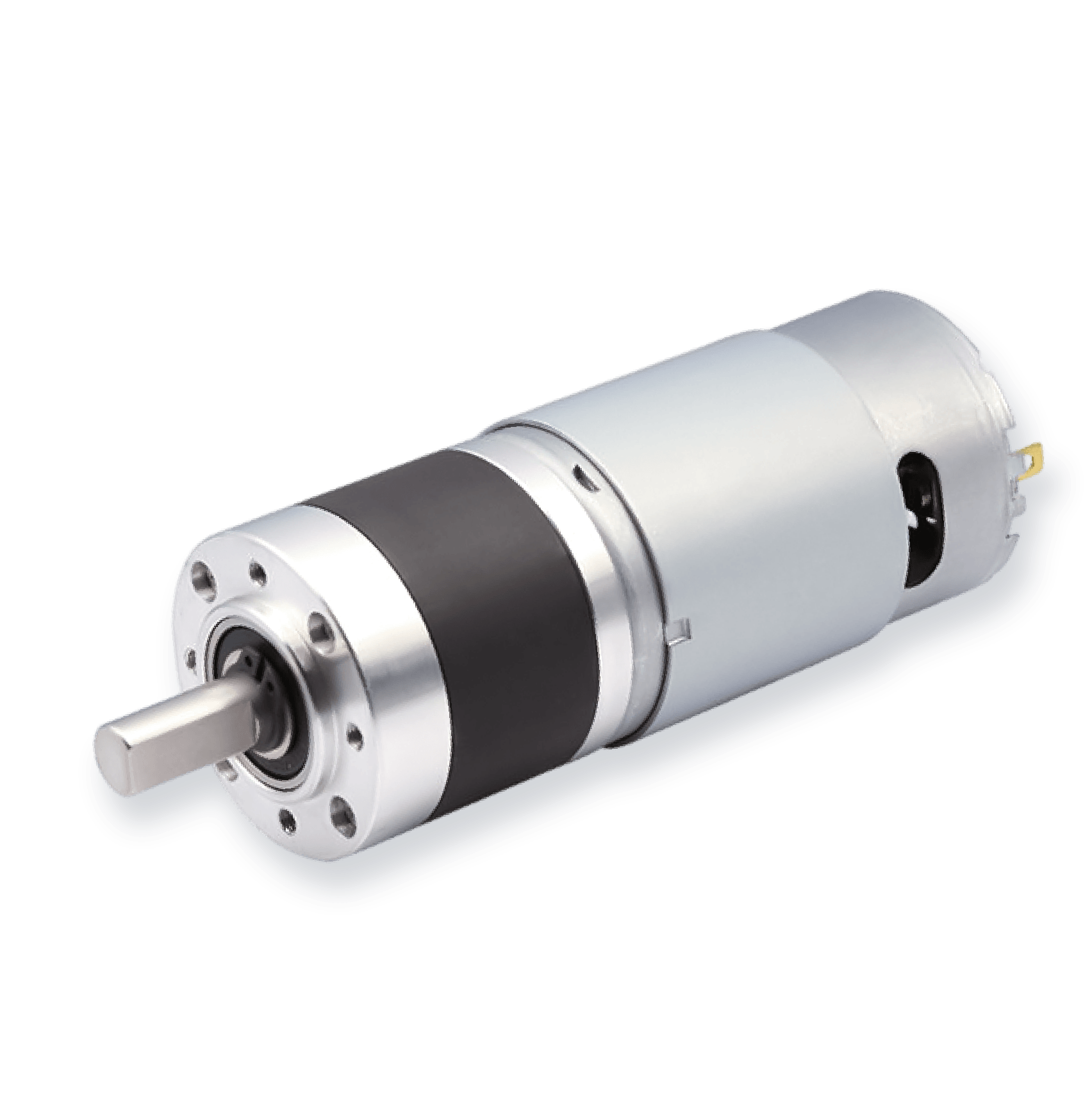
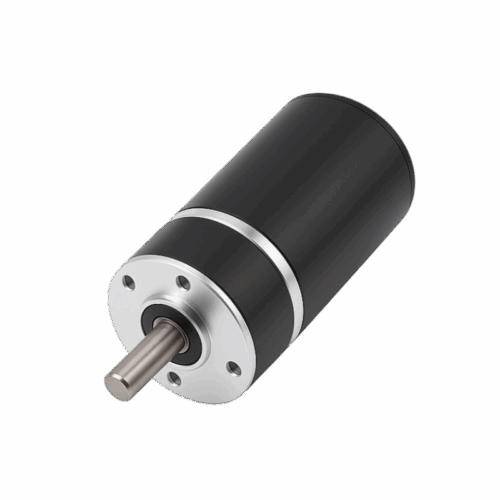
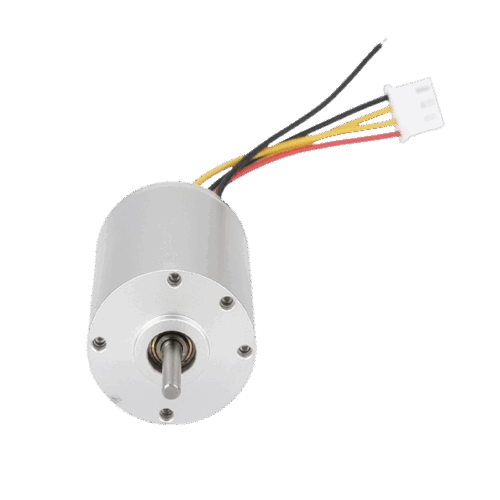
24mm Diameter Brushless DC Motor BLDC Motors

This 24mm BLDC motor is designed for 6–48V systems where you select by the maximum-efficiency operating point and stall limits across 9V/12V/24V configurations, keeping speed, output, and risk visible.

Get a Quote
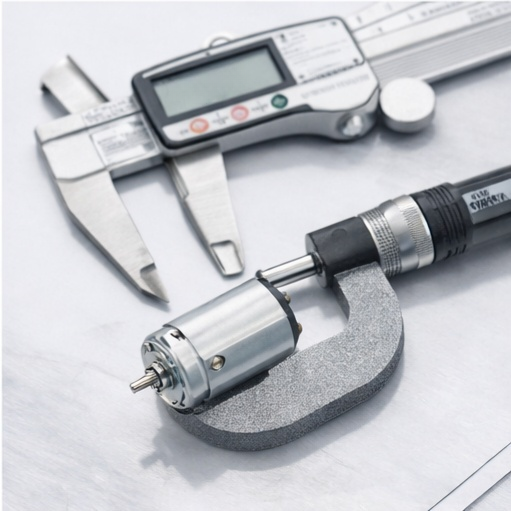
  • 24mm Diameter Brushless DC Motor BLDC Motors Featured Image
Specs

Key Features

This model is a 24mm BLDC motor platform defined by its maximum-efficiency operating point and configuration-specific stall limits, making selection straightforward when you must balance RPM, output, and driver protection.
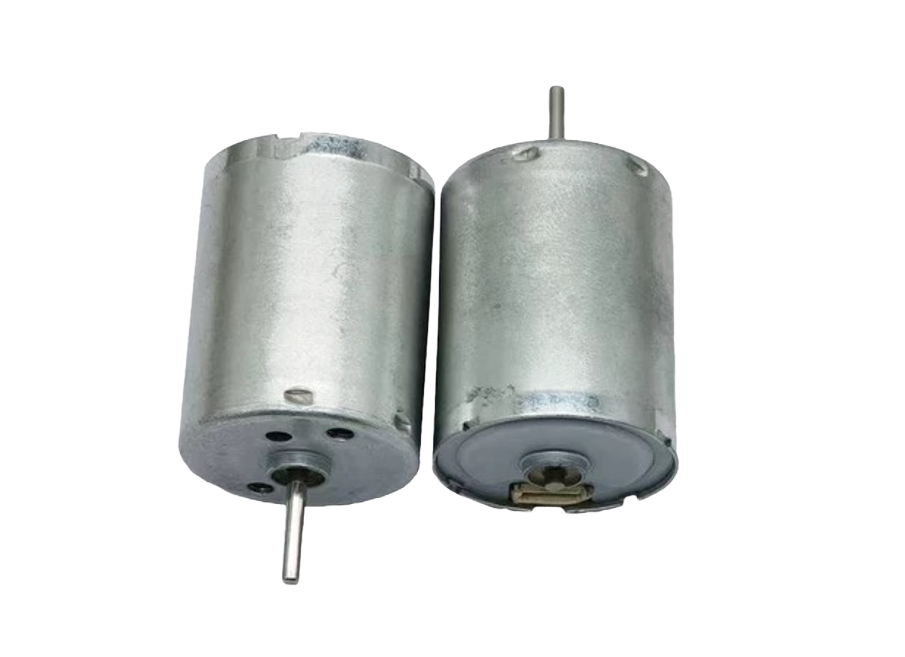
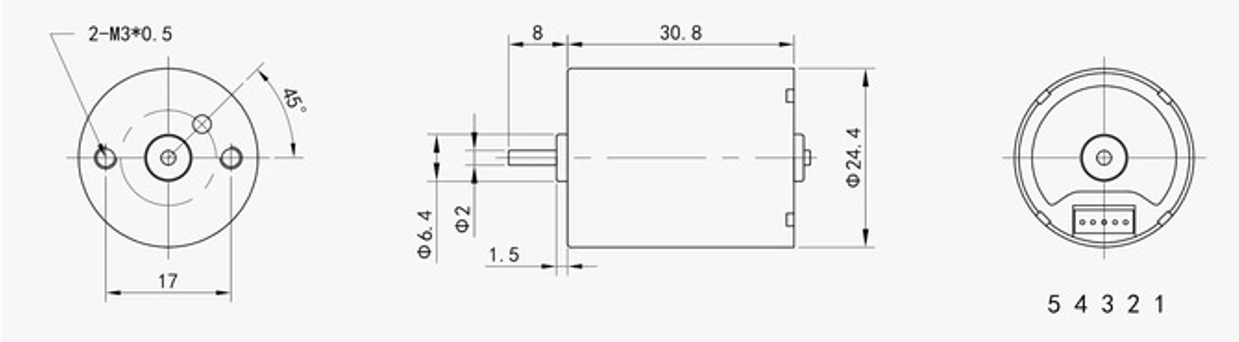
  • 6V–48V applied range supports broad low-voltage system architectures
  • Multi-voltage configurations (9V / 12V / 24V) shift the speed window and output behavior without changing the motor envelope
  • Maximum-efficiency point is fully specified per configuration, so you can select by working speed, torque, and output rather than no-load RPM
  • Output at maximum efficiency spans 2.16–4.84 W, making the table a direct filter for “available mechanical output” at realistic speed
  • Stall current varies strongly by configuration (0.70–2.62 A), which directly sets driver current-limit strategy and protection margins
technical Specs

Motors Specifications

Motor model Voltage No-load At Maximum Efficiency Stall
Current Speed Current Speed Torque Output Efficiency Torque Current
V A r/min A r/min g.cm    mN.m W % g.cm    mN.m A
BL2430M-01 9 0.12 5400 0.49 4330 59.3    5.40 2.64 60 300.0    29.4 1.98
BL2430M-02 12 0.15 8700 0.63 7020 67.2    6.60 4.84 64.3 348.0    34.1 2.62
BL2430M-03 24 0.05 5500 0.19 4330 48.6    3.94 2.16 48.4 229.2    22.5 0.7

For additional customization or reference configurations, please feel free to contact us.

Why Choose us

SLW Motor Highlights

  • Select by the Maximum-Efficiency Operating Point

    Each configuration lists working speed, torque, output, and efficiency at maximum efficiency. That lets you select the configuration that matches your true operating point, not a no-load headline.
  • Output Filtering Becomes Explicit

    Output at maximum efficiency ranges from 2.16 W to 4.84 W. Use this as the first pass filter when your mechanism needs a minimum available mechanical output at working speed.
  • Stall Limits Separate “Driver Risk” Between Configurations

    Stall current spans 0.70–2.62 A across the listed models. That difference changes current-limit settings, wiring margin, and how aggressively you must protect against lockups.
  • No-Load Current Signals Baseline Loss

    No-load current differs significantly (0.05–0.15 A), which helps estimate baseline loss and heat behavior when the mechanism runs lightly loaded.

Custom

Beyond the Standard: Performance Customized

  • 01
    Working-Point Matching Using the Maximum-Efficiency Columns
    We start from maximum-efficiency speed and torque, then choose the configuration that places your real working RPM closest to that zone.
  • 02
    Output Floor Planning From the Output Column
    We confirm the output you need first (2.16 / 2.64 / 4.84 W at max efficiency), then only shortlist configurations that meet the mechanical output requirement at realistic speed.
  • 03
    Stall-Current Exposure Control Before Final Selection
    We define how much stall-current exposure your driver can tolerate, because 0.70 A vs 2.62 A changes protection strategy and component sizing.
  • 04
    Efficiency vs Speed Trade Validation Across Voltages
    We compare efficiency and working speed together so a “faster” configuration does not accidentally increase loss beyond what your duty cycle can dissipate.
  • 05
    Configuration Strategy for Multi-Voltage Product Families
    If you ship multiple voltage SKUs, we map 9V/12V/24V configurations to a unified mechanical platform while separating variants by working-point and stall-risk behavior.
  • Working-Point Matching Using the Maximum-Efficiency Columns
  • Output Floor Planning From the Output Column
  • Stall-Current Exposure Control Before Final Selection
  • Efficiency vs Speed Trade Validation Across Voltages
  • Configuration Strategy for Multi-Voltage Product Families

Custom Now

Related

Explore Our Motor

View All Products

FAQ

Frequently Asked Questions

If you share your available space and the driven load type, we can help narrow the most suitable configuration quickly.

How do I choose between the 9V, 12V, and 24V versions quickly?
Match your target working RPM to the maximum-efficiency speed first, then confirm output meets your requirement and stall current fits your driver limits.
Why should I use maximum-efficiency columns instead of no-load speed?
No-load speed does not represent working behavior. Maximum-efficiency data shows the realistic balance of speed, torque, output, and loss.
Which configuration shows the highest listed output at maximum efficiency?
BL2430M-02 (12.0V) lists the highest output at 4.84 W.
What should I share so you can shortlist the best option?
Share your target RPM, estimated load torque, duty cycle, supply voltage range, and driver current-limit constraints.
Is this suitable for repeat production across variants?
Yes. You can keep the same motor envelope and separate variants by voltage configuration while managing working-point and stall-risk behavior via the table.
Get Started

Accelerate Your Project with Precision Motors