
Automotive component

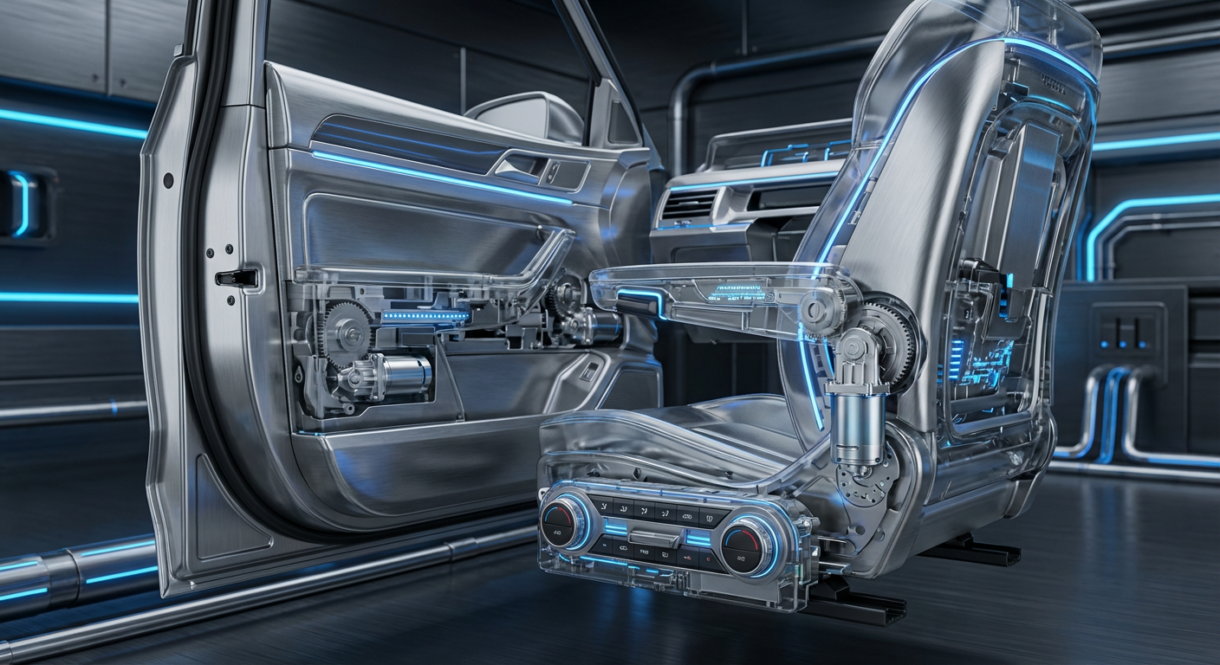
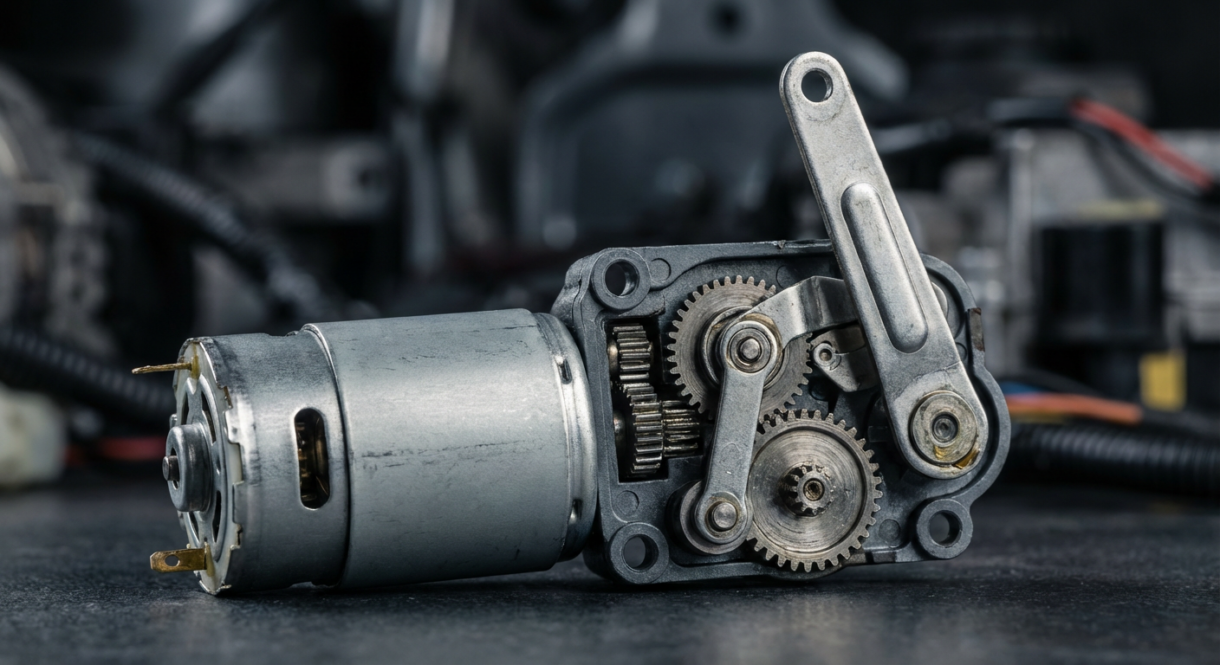
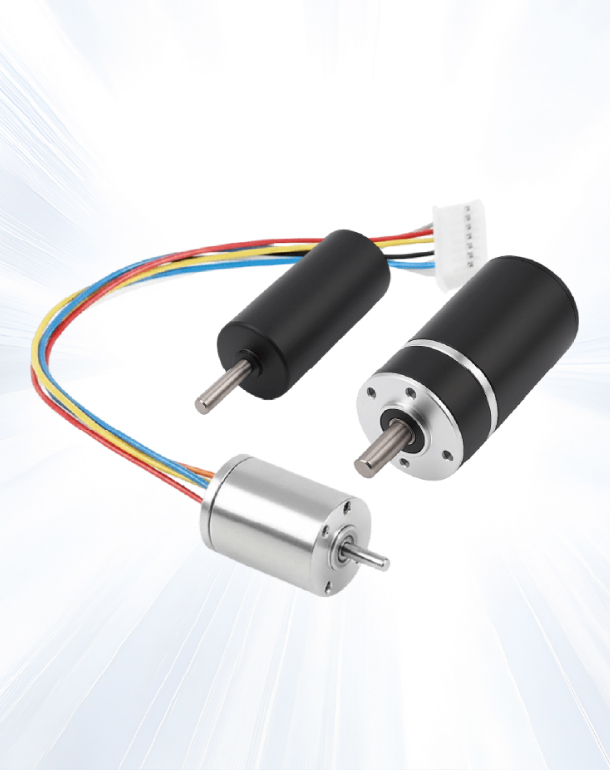
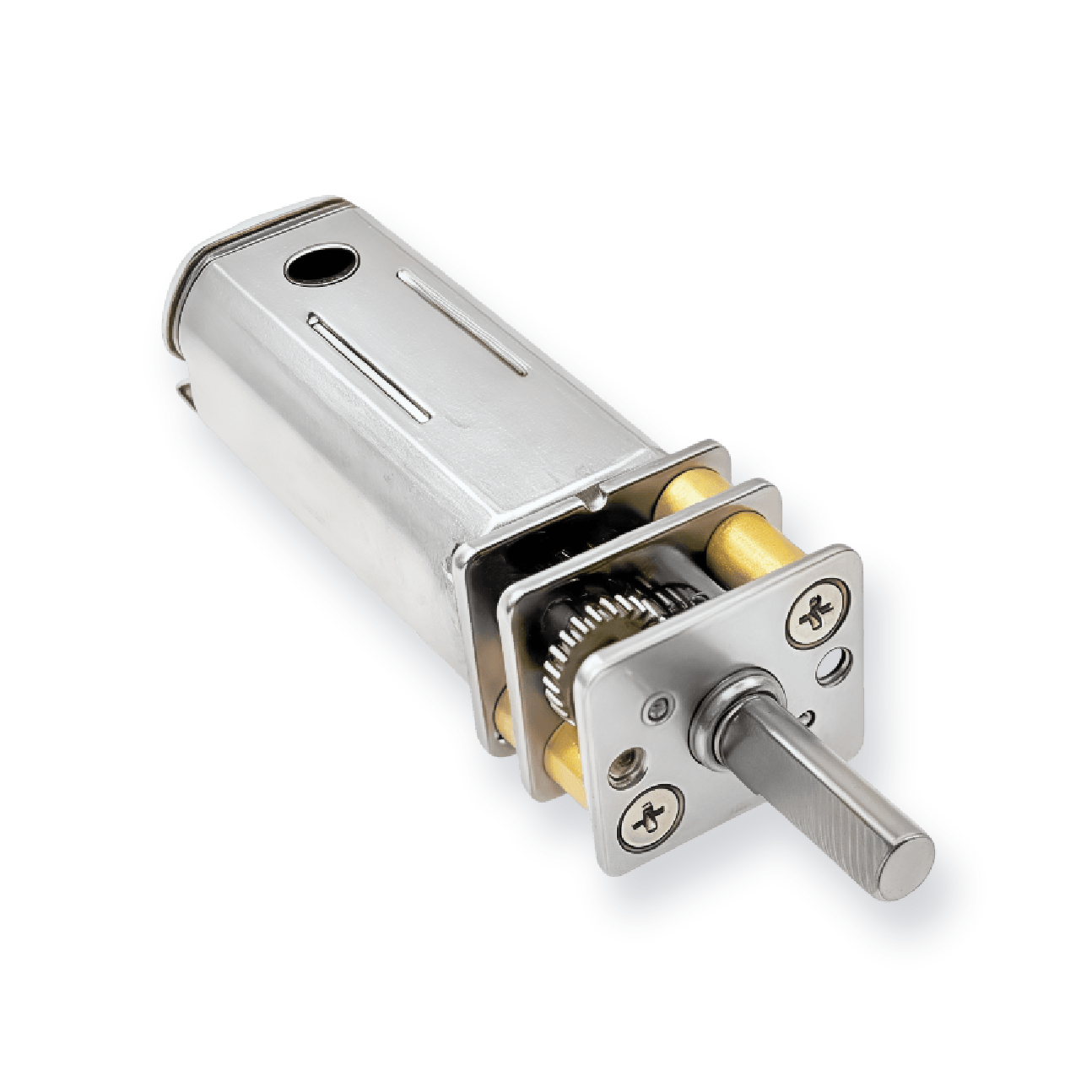
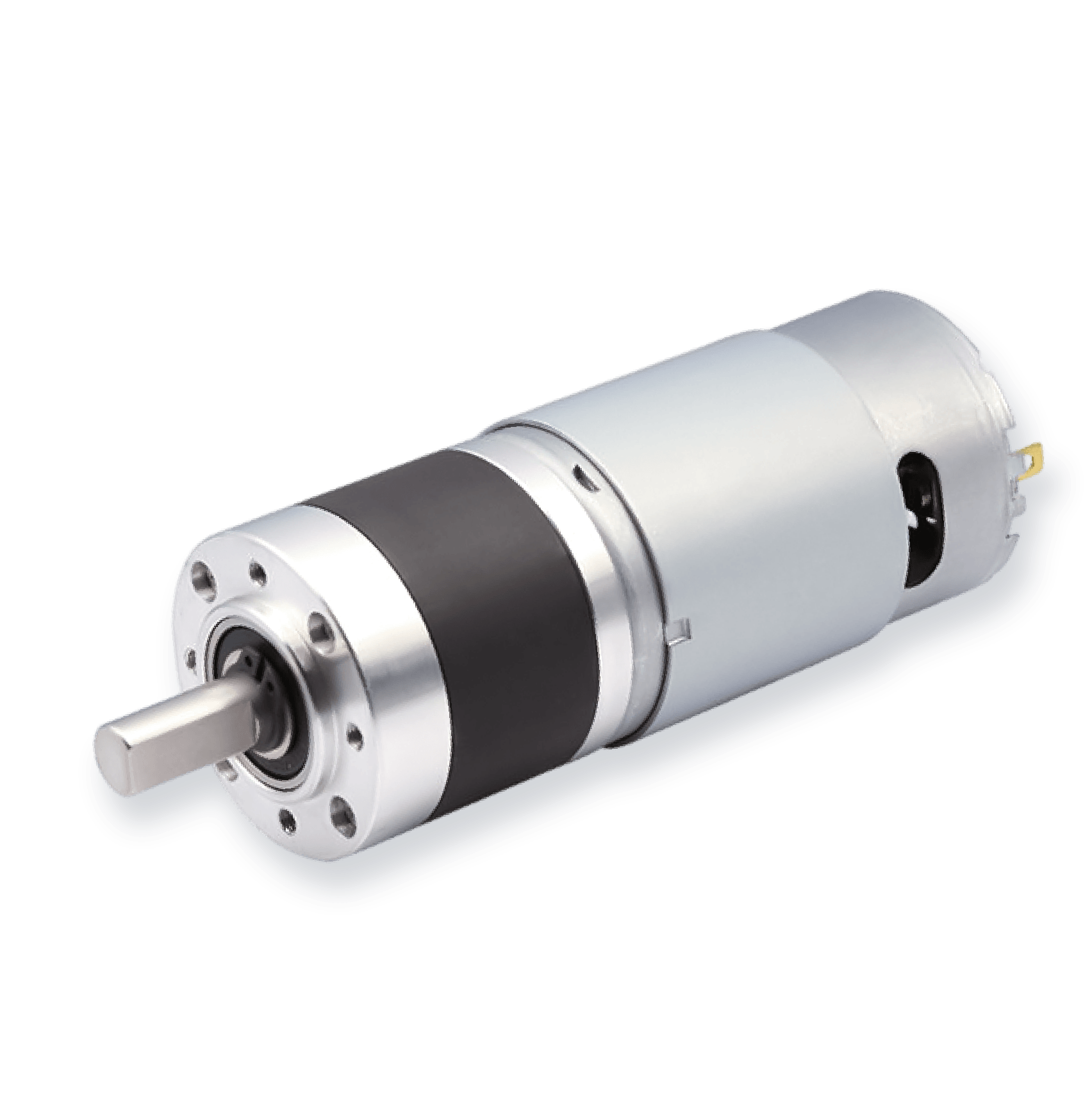
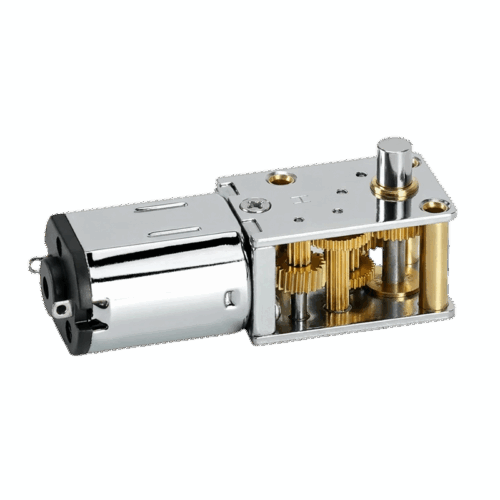
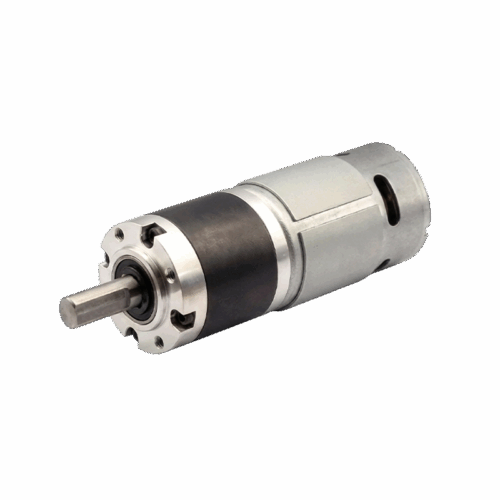
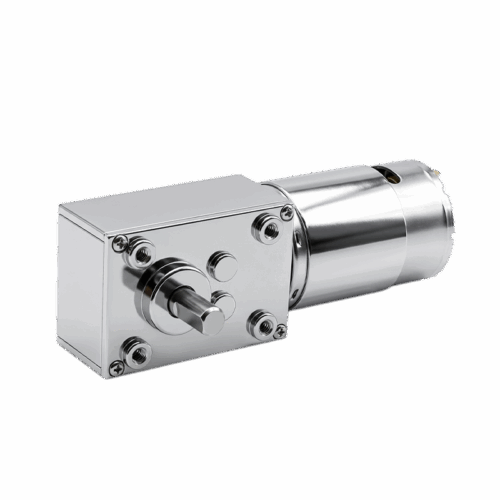
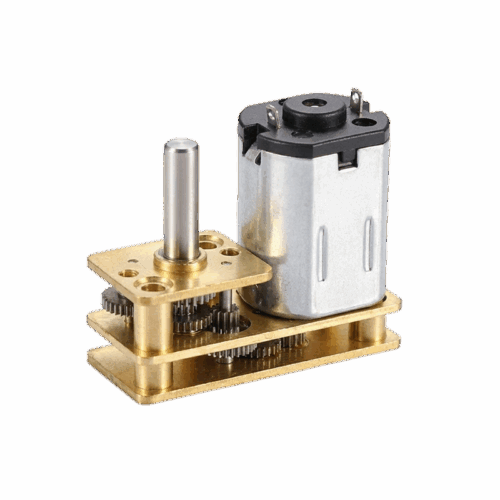
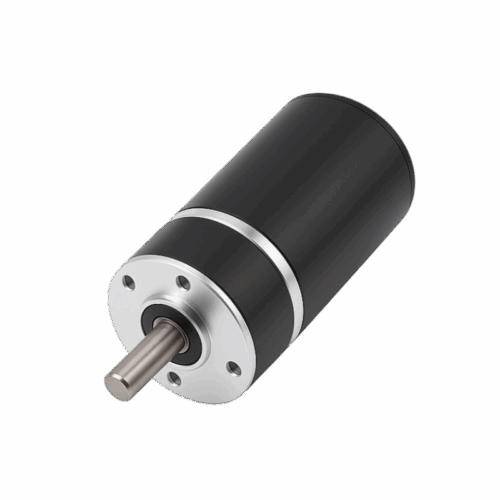
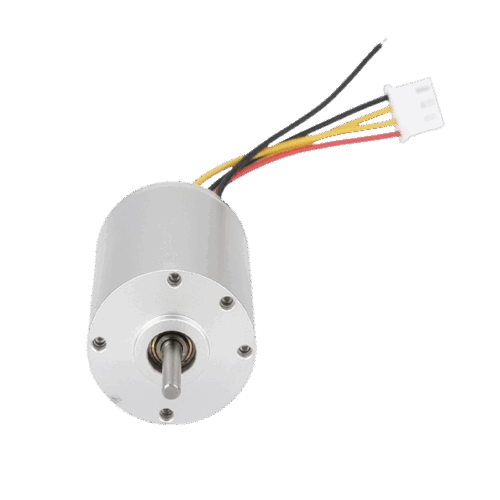
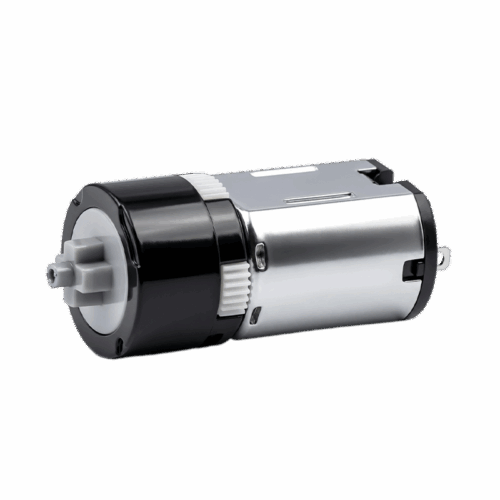
Automotive systems require motion solutions that are compact, durable, and capable of operating reliably under vibration, temperature changes, and continuous duty. Our miniature motors and gear motors power a variety of automotive mechanisms where precision, longevity, and rugged performance are essential.
Get a Quote
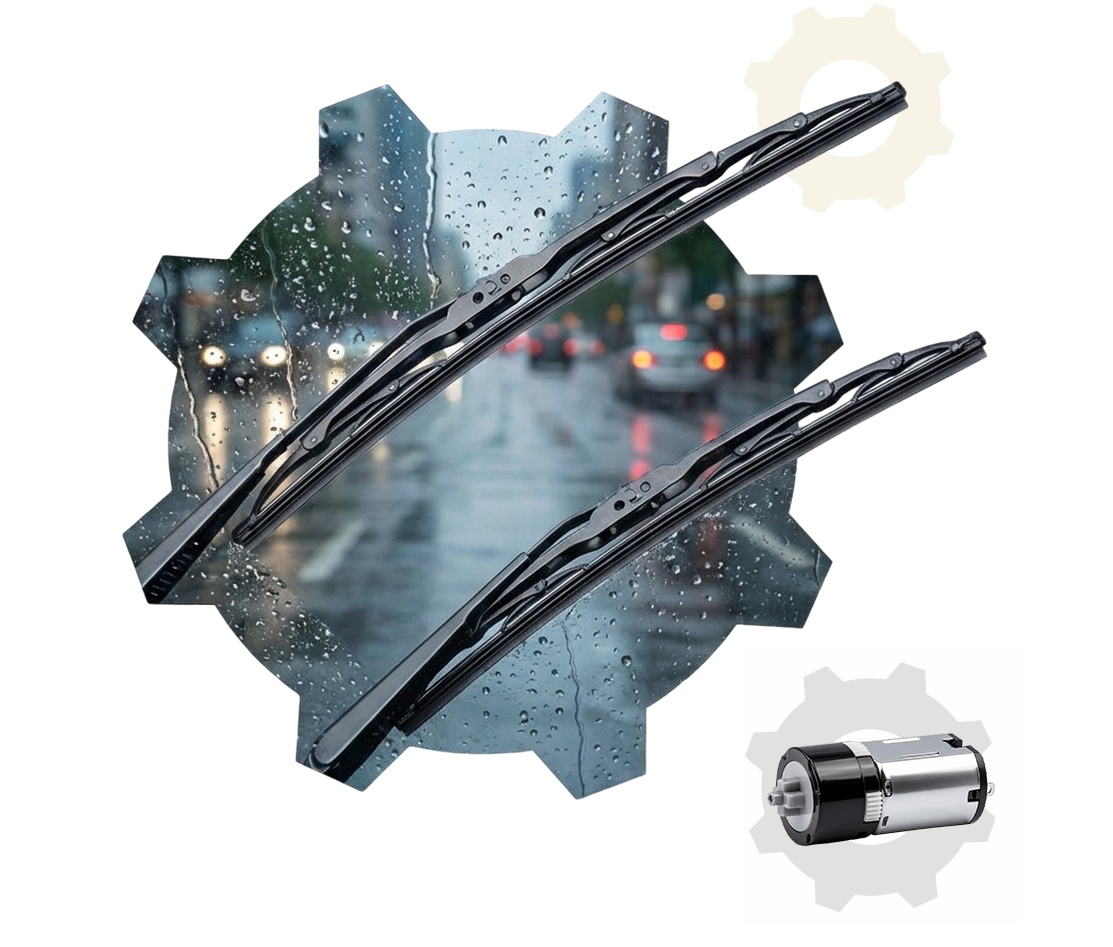
Automotive component Featured Image
Advantages

Why Our Motors for Automotive Components

  • Built for Harsh Environments

    Designed to withstand temperature fluctuations, vibration, dust, and long operating cycles typical in automotive environments.

  • High Torque in a Compact Form

    Small-size motors with strong output torque—ideal for tight spaces inside doors, dashboards, seats, and engine compartments.

  • Long Life & Stable Performance

    Precision gears, optimized materials, and efficient motor structures ensure reliable operation over the vehicle’s full service life.

  • Customizable for Any Automotive Mechanism

    We support custom voltage, speed, torque, mounting structures, shafts, connectors, and EMC requirements to meet automotive standards.

Applications

Real-World Applications

Our motors are used across multiple automotive systems where accurate, compact, and durable actuation is needed.

Common automotive applications include:

  • Door locks, latches, and window regulators
  • Rear-view mirror folding and adjustment
  • Seat adjustment systems (recline, slide, lumbar)
  • HVAC airflow control actuators
  • Dashboard instrument actuation
  • Headlight leveling and optical positioning
  • Fuel pumps and fluid transfer systems
  • Sensor modules and camera positioning mechanisms
  • Charging port lock actuators (EV)
Considerations

Engineering Considerations for Automotive Components

Temperature Range & Thermal Stability

Motors must operate reliably in both cold-start and high-heat environments, often from –30°C to +80°C or more depending on placement.

Vibration & Shock Resistance
Torque, Speed, & Load Profiles

Different automotive mechanisms—like seats or mirrors—require precise torque–speed matching to ensure smooth and quiet operation.

Noise & NVH Requirements

Motors must meet strict automotive NVH (Noise, Vibration, Harshness) standards, particularly for cabin applications.

EMC & Electrical Requirements

Automotive electronics must pass EMC/EMI standards, requiring stable interference-resistant motors and wiring.

Lifespan & Durability Expectations

Actuators are expected to function reliably for tens of thousands of cycles across the vehicle's entire lifetime.

Get Started

Accelerate Your Project with Precision Motors