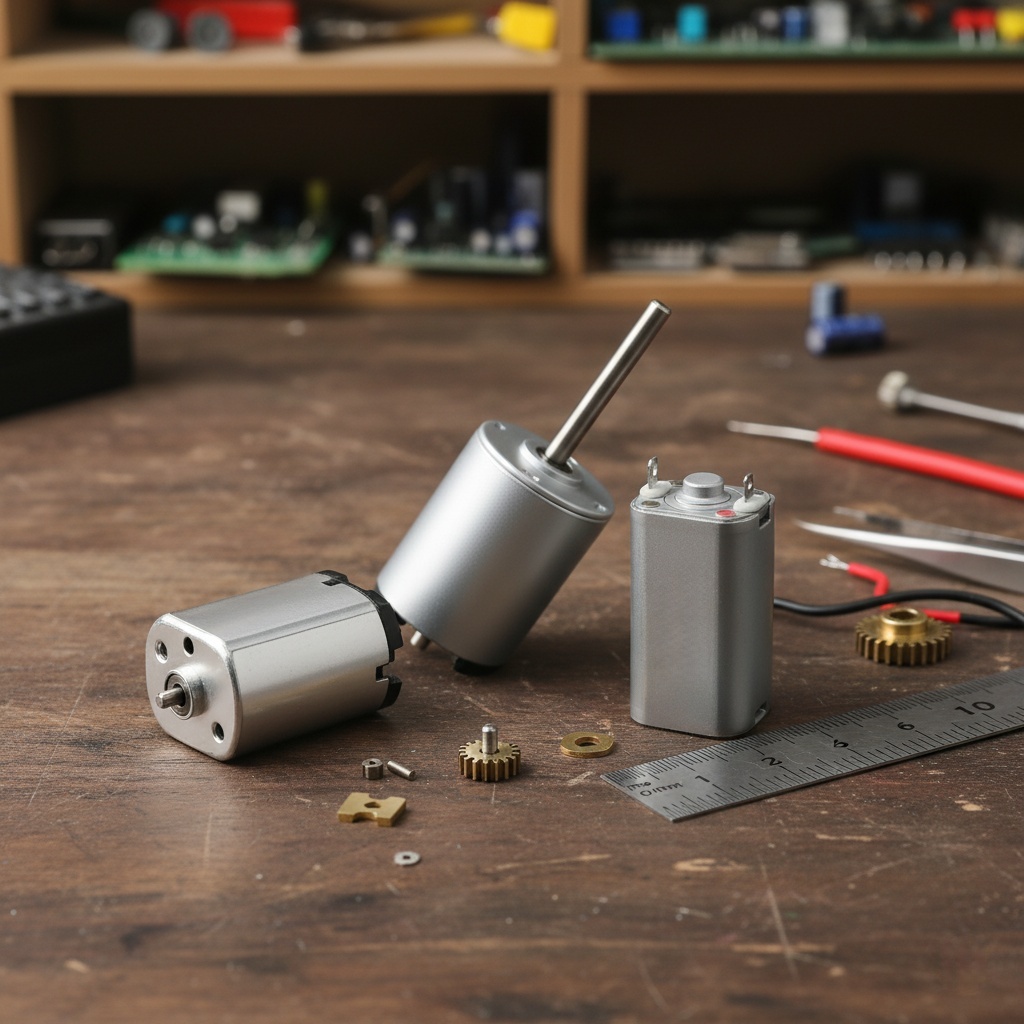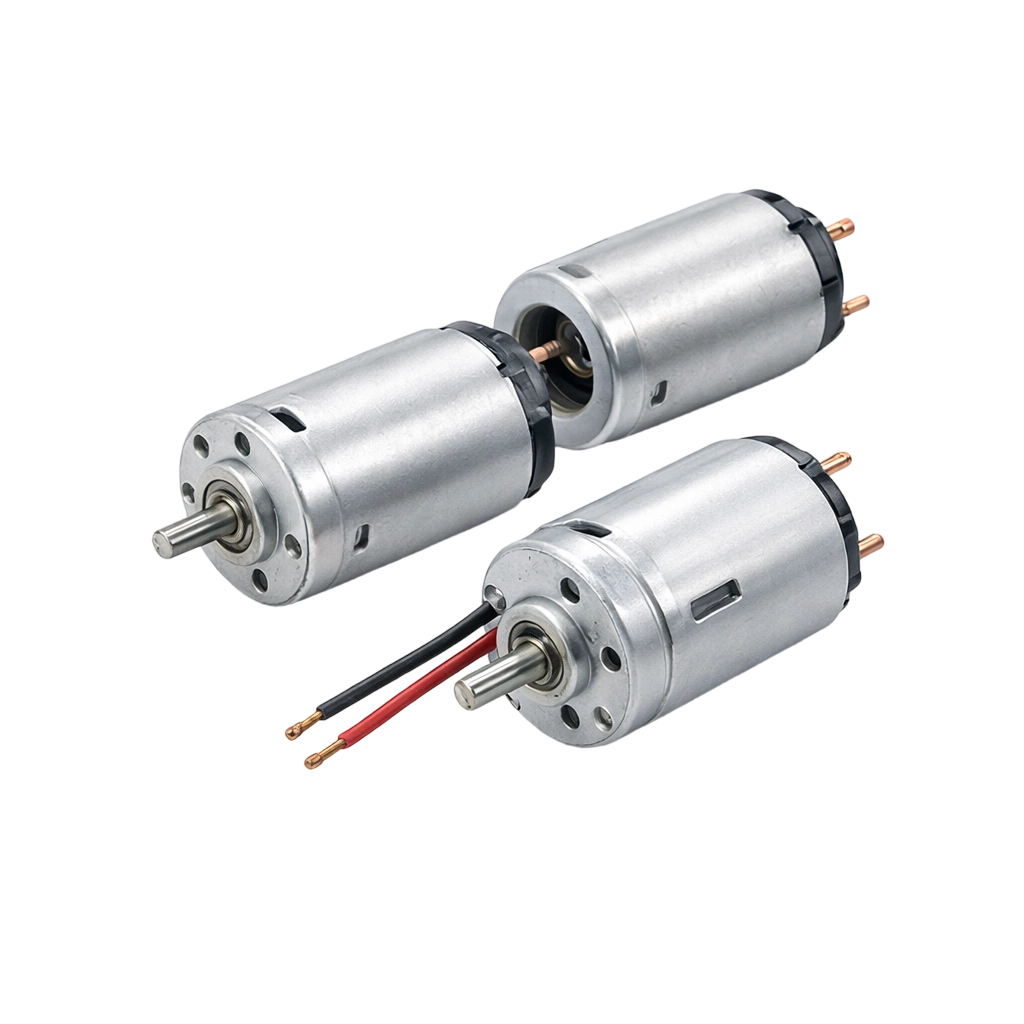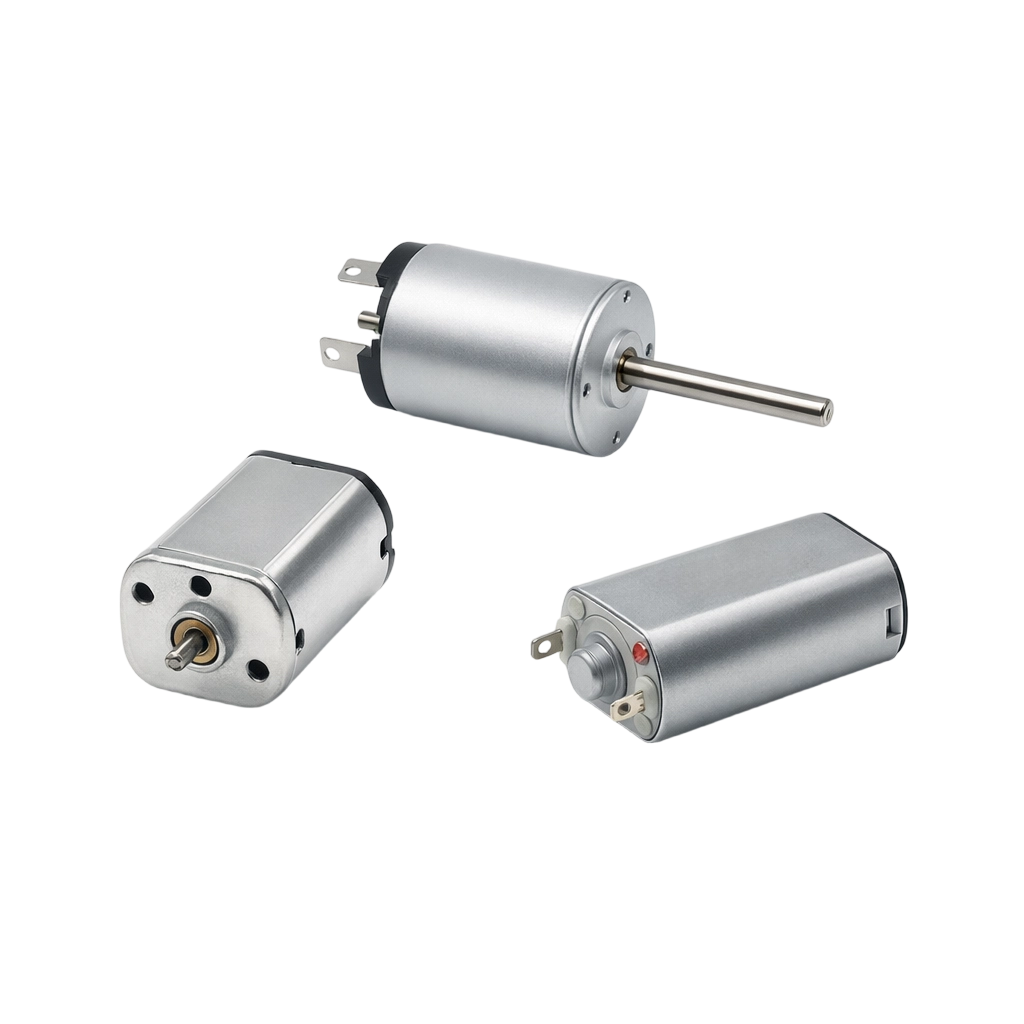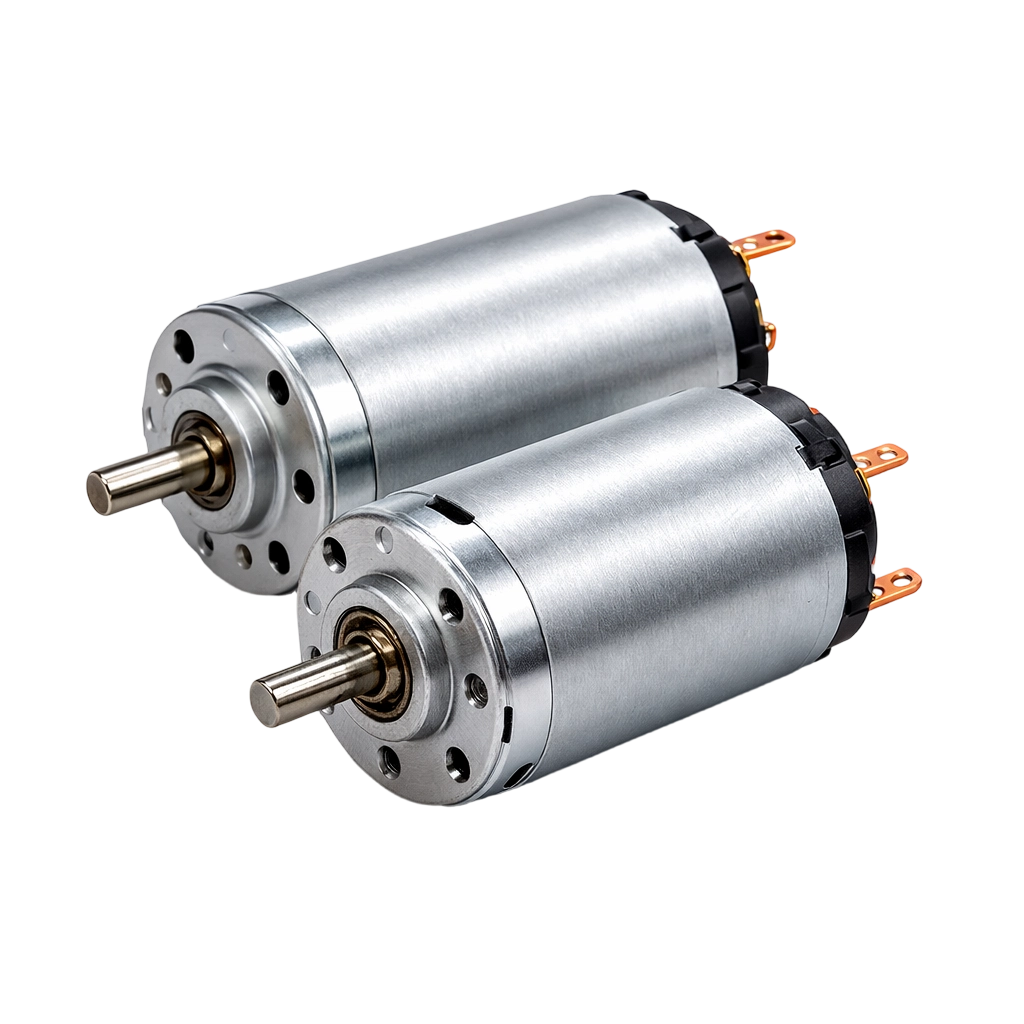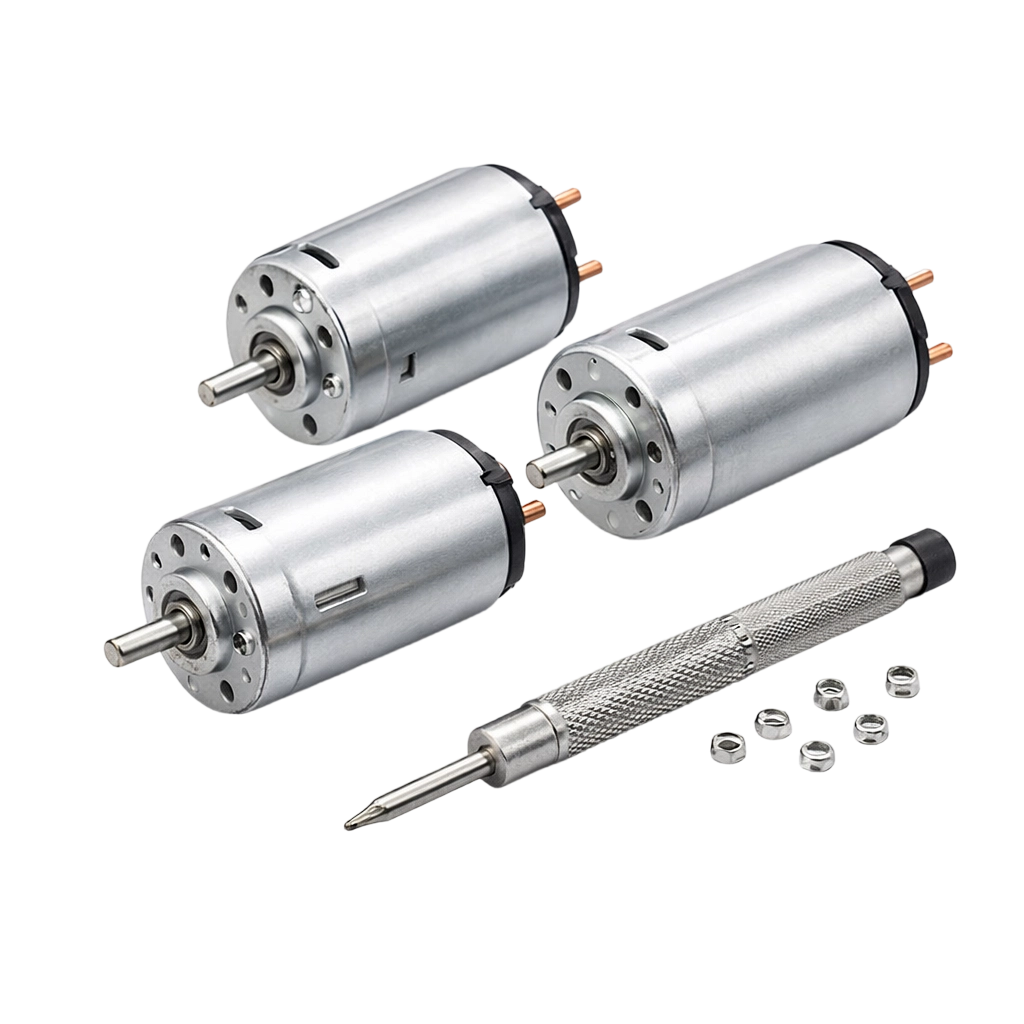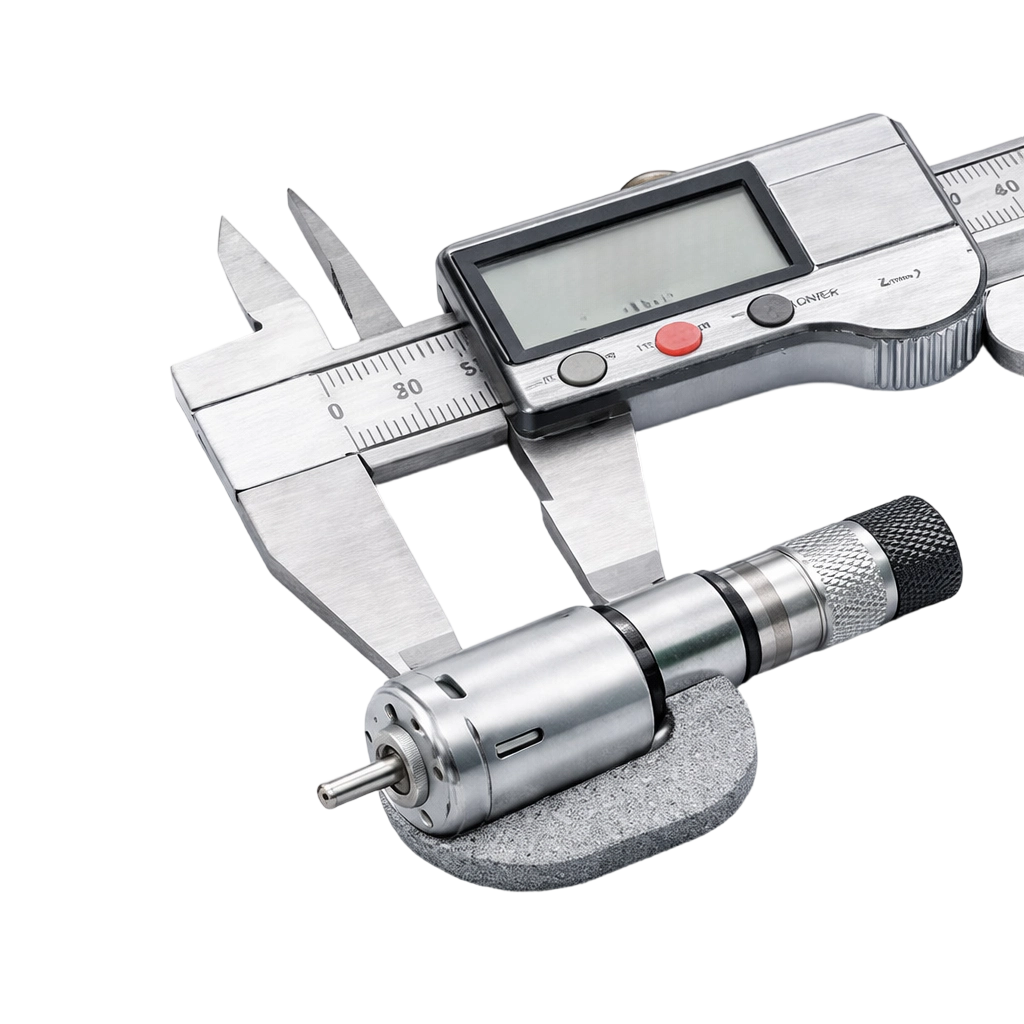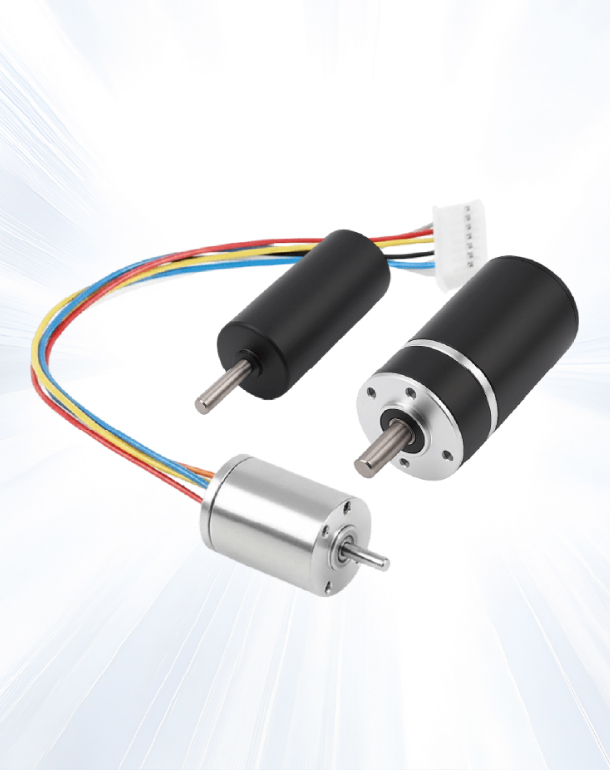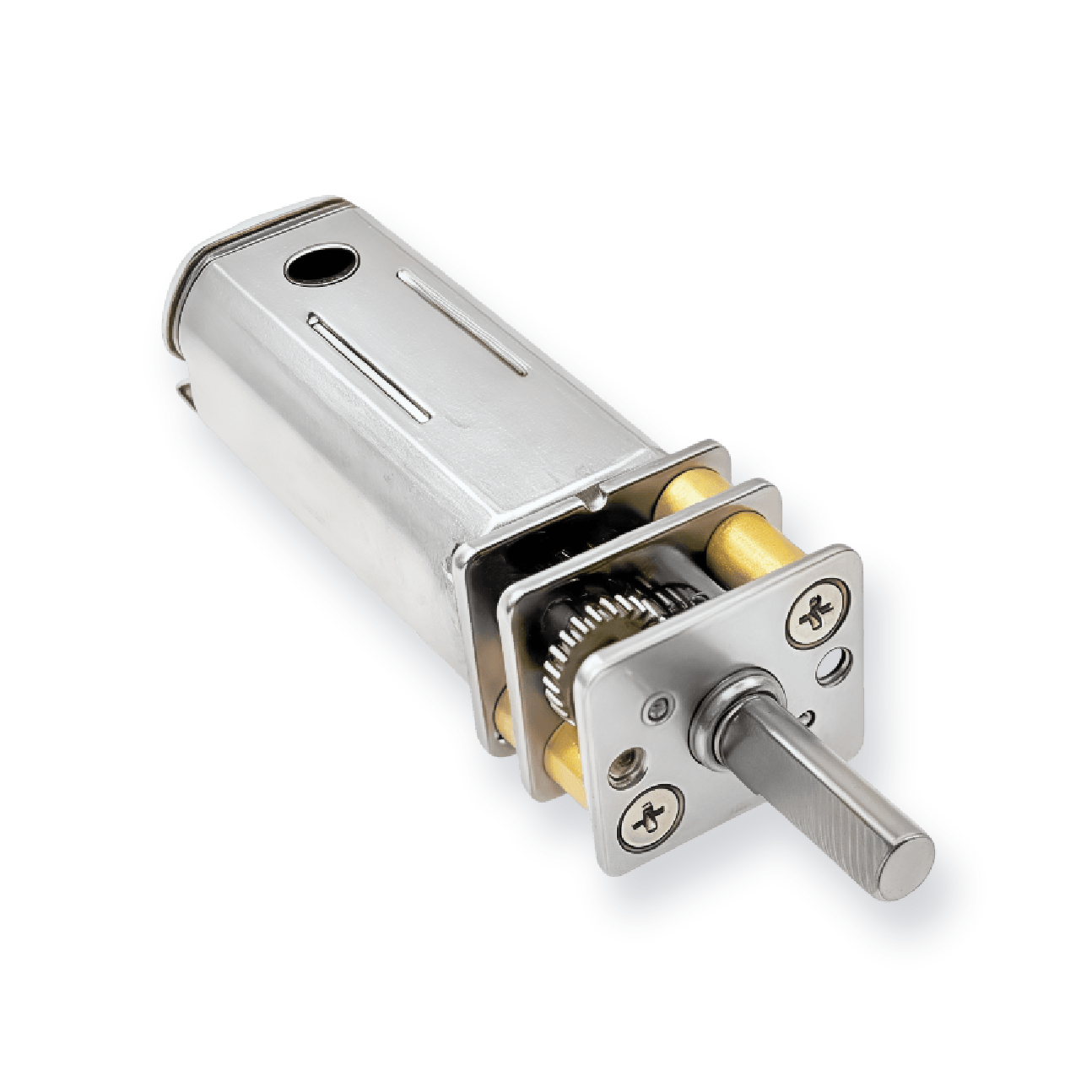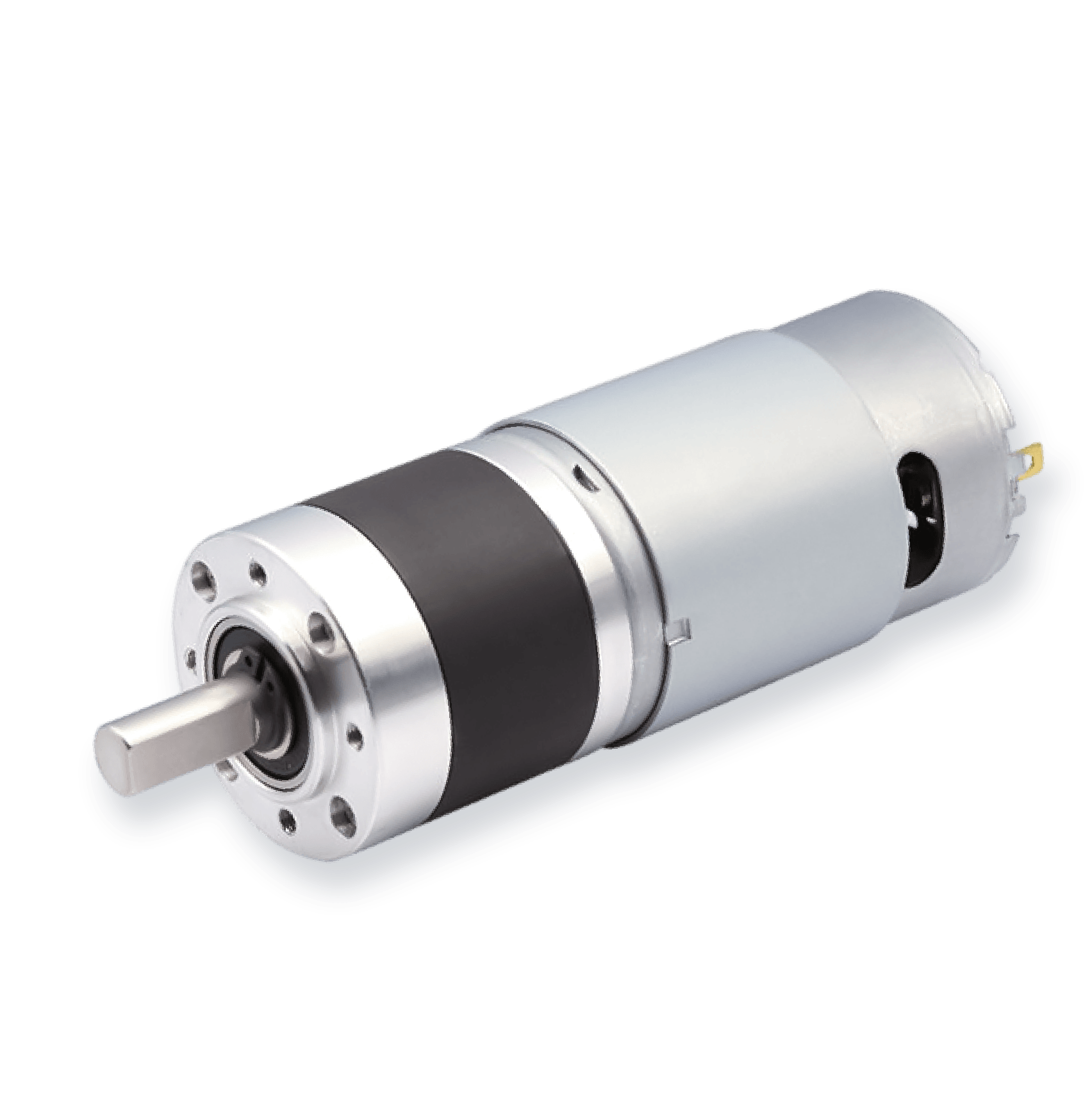
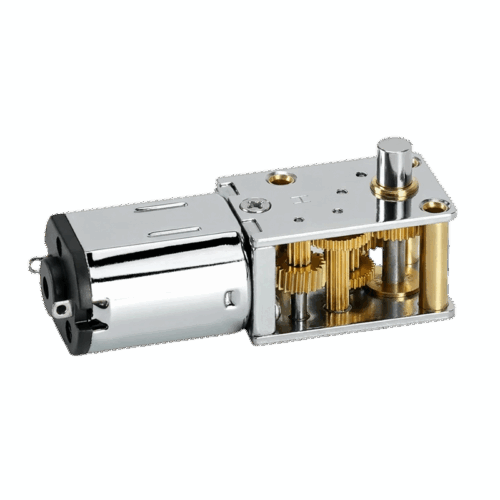
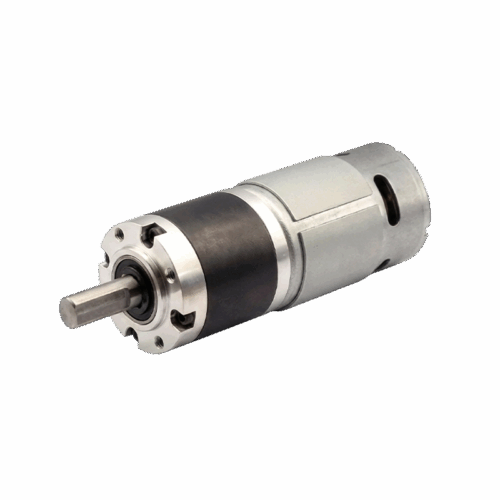
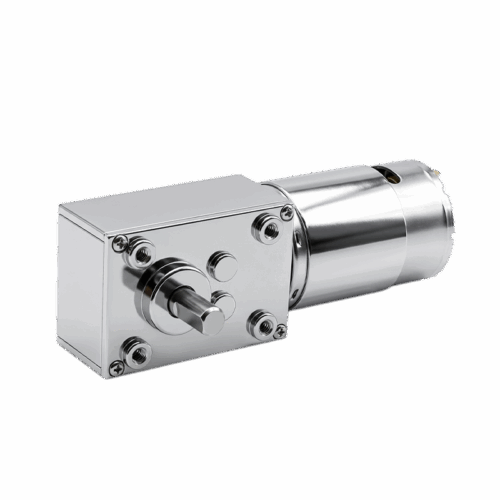
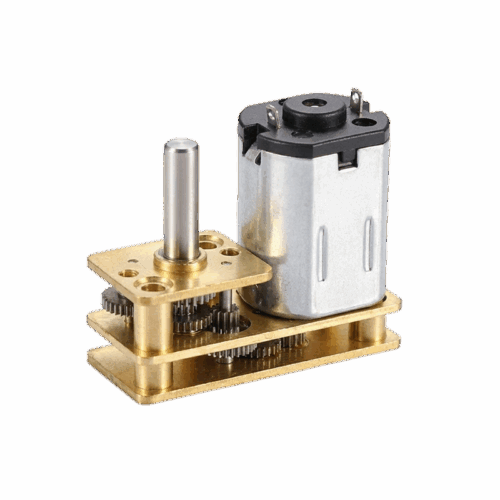
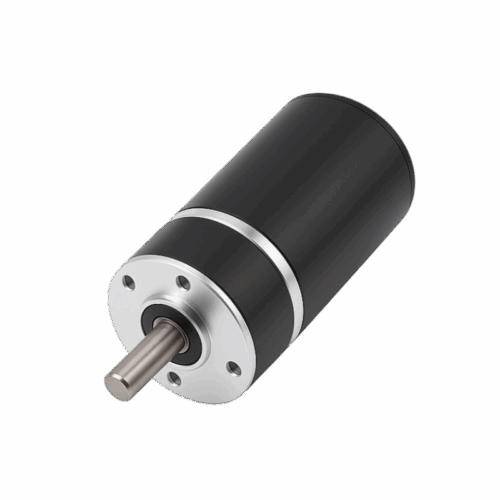
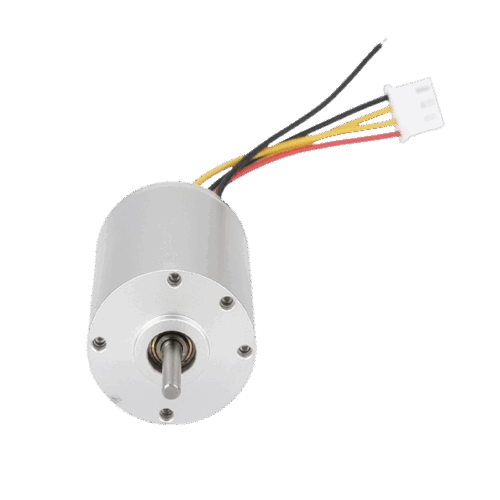
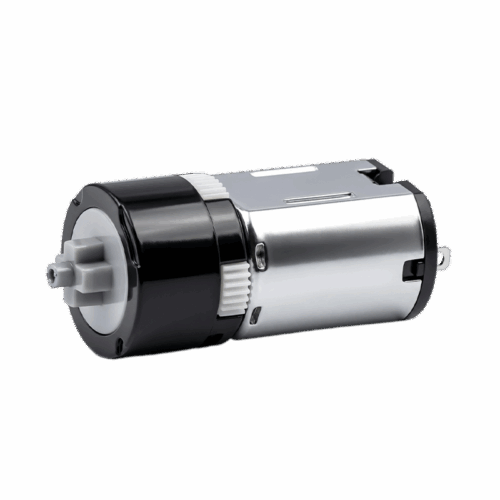
33mm Diameter 370 Brushed DC Motor

This 33mm brushed DC 370 motor is built for compact but higher-force drives, covering 3V–24V systems where you need stronger torque headroom than micro motors while keeping DC control simple.

Get a Quote
  • 33mm Diameter 370 Brushed DC Motor Featured Image
Specs

Key Features

This model targets medium-size brushed drive where the design needs more mechanical output and thermal margin than N20/030/180 classes, without moving to complex control electronics.
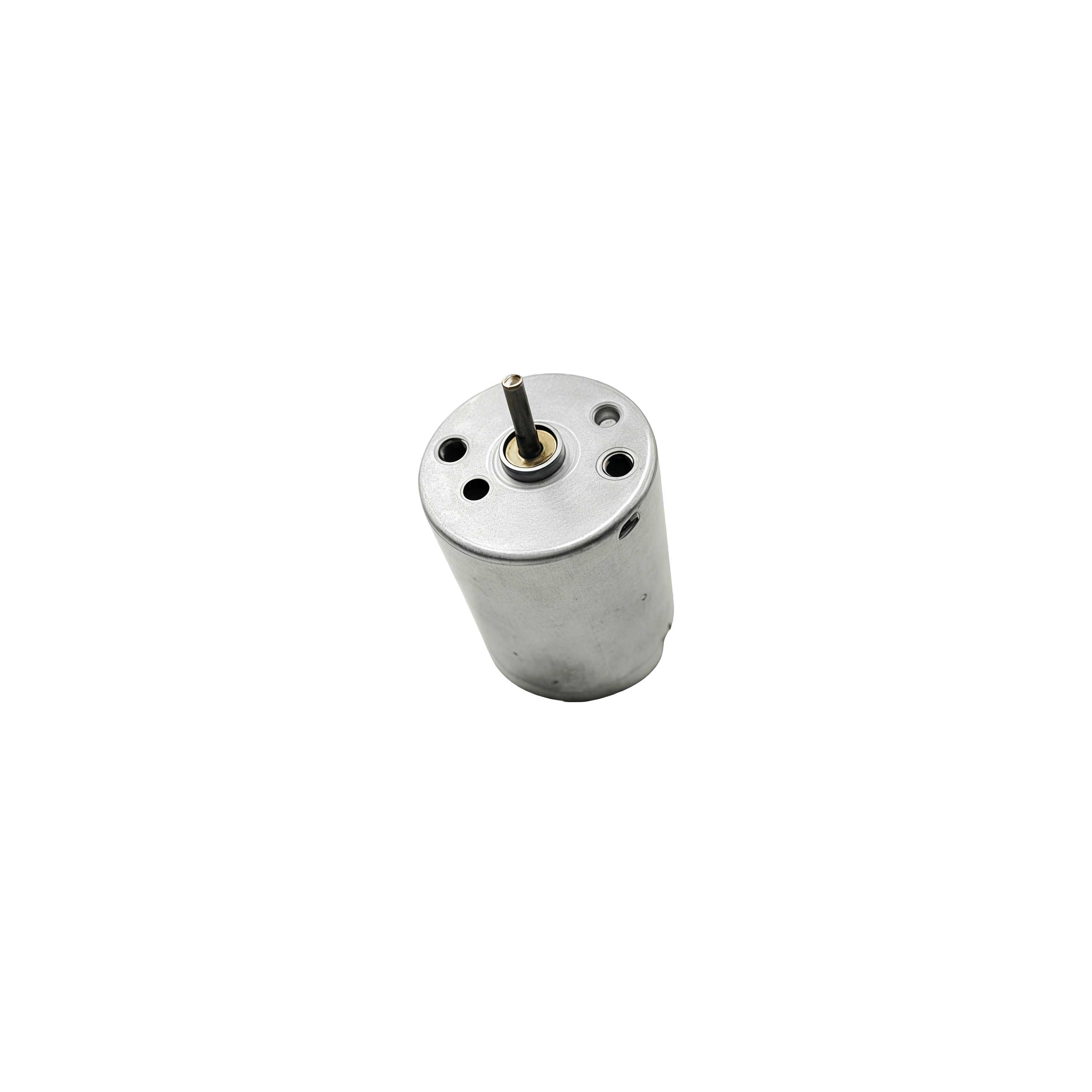
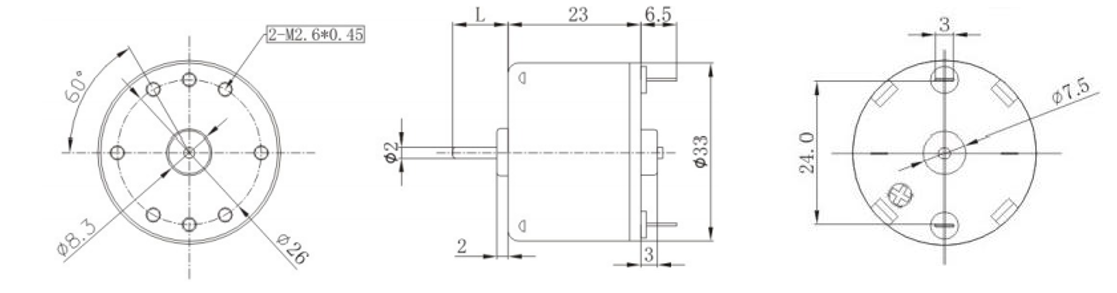
  • 370 motor class supports higher torque output for compact pumps, valves, small rollers, and drive modules
  • Wide applied voltage range (3V–24V) supports platform reuse across different supply architectures
  • Efficiency and output points are provided to separate continuous operating sizing from burst push behavior
  • Stall data defines overload boundaries for protection logic and driver selection
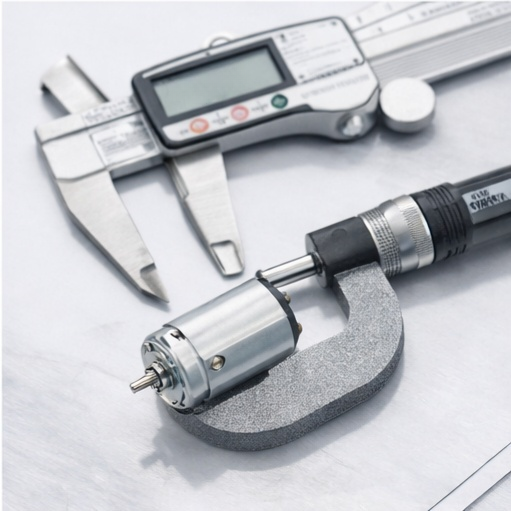
  • Larger 33mm envelope provides stronger output potential while remaining compact for integrated assemblies
technical Specs

Motors Specifications

Model Voltage (V) No Load Max Efficiency Max Output Stall
Current (A) Speed (rpm) Current (A) Speed (rpm) Torque (g.cm) Current (A) Speed (rpm) Torque (g.cm) Current (A) Torque (g.cm)
SLW-R520-12560 4.5 0.015 2016 0.062 16330 9.7 0.14 1008 25.4 0.266 50.8
SLW-R520-18280 6 0.043 5462 0.25 4656 20.2 0.743 2731 68.4 1.442 136.8

For additional customization or reference configurations, please feel free to contact us.

Why Choose us

SLW Motor Highlights

  • Step-Up From Micro Motors for Real Load Work

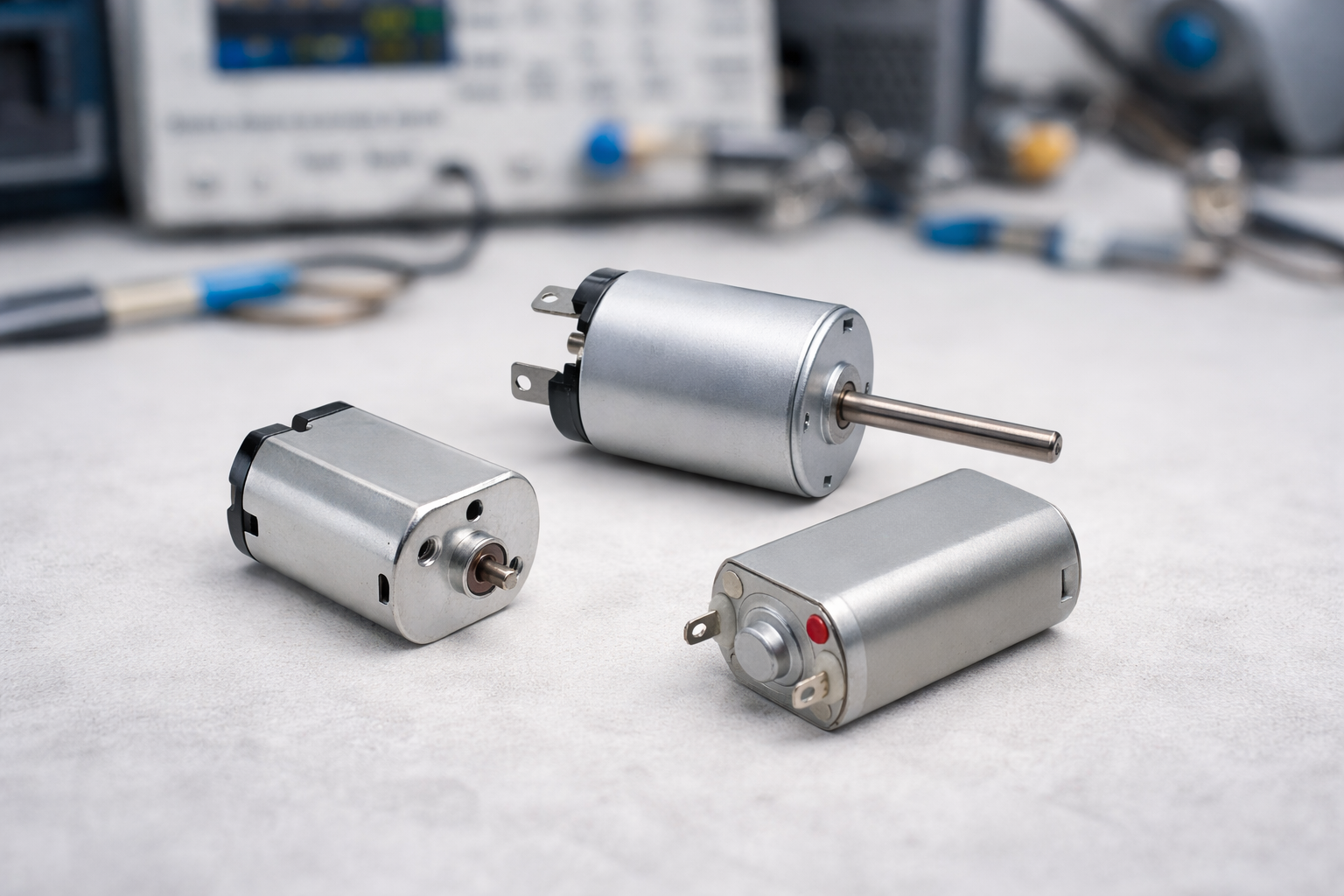
    A 370-class motor provides more torque headroom and typically better thermal margin than micro formats, useful when friction, pressure, or inertia is higher.
  • Two Voltage Configurations for Different Output Targets

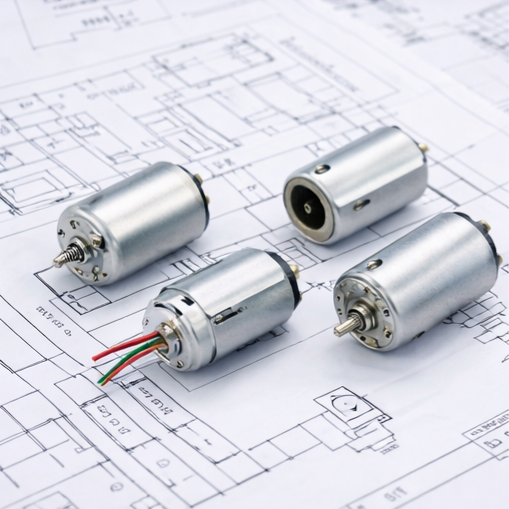
    The 4.5V and 6.0V variants allow different speed/torque behavior while staying within the same motor class envelope.
  • Operating-Point Selection: Efficient Run vs Burst Push

    Max efficiency values support continuous running sizing, while max output values provide reference for short bursts that require stronger push.
  • Protection Planning With Stall Boundaries

    Stall current and stall torque define the worst-case boundary during jams or hard starts, supporting driver sizing and fault strategy.

Custom

Beyond the Standard: Performance Customized

  • 01
    Load Type Mapping: Pumping vs Rolling vs Actuation
    We match your load behavior to the motor’s operating region so the motor runs near a stable point instead of living near stall.
  • 02
    Speed Band Selection for Mechanical Output Targets
    We translate the motor speed into your mechanism output (flow, travel rate, or roller speed) to avoid overspeed or unnecessary gearing.
  • 03
    Driver Sizing and Heat Margin Planning
    We use the current points and stall boundary to plan driver rating and thermal margin for repeated cycles or long holds.
  • 04
    Jam and Restart Strategy for Higher Inertia Loads
    For loads that can jam or restart under resistance, we design current limiting and restart logic around stall boundaries.
  • 05
    Mounting Rigidity and Vibration Control
    We review mounting stiffness and coupling method to reduce vibration and brush wear under higher torque operation.
  • Load Type Mapping: Pumping vs Rolling vs Actuation
  • Speed Band Selection for Mechanical Output Targets
  • Driver Sizing and Heat Margin Planning
  • Jam and Restart Strategy for Higher Inertia Loads
  • Mounting Rigidity and Vibration Control

Custom Now

FAQ

Frequently Asked Questions

If you share your available space and the driven load type, we can help narrow the most suitable configuration quickly.

When should I choose a 370 motor instead of 180 or 030?
Choose 370 when your mechanism needs higher torque margin, better thermal headroom, or must drive heavier loads such as small pumps, valves, or rollers.
What does “max efficiency” help with?
It provides a stable selection point for continuous running where the motor operates efficiently under load.
When is “max output” relevant?
It’s useful when your mechanism needs short bursts of stronger push, such as overcoming startup friction or brief resistance spikes.
Why do I need stall data?
Stall current and torque define the worst-case boundary for driver sizing, protection settings, and jam-event behavior.
What should I send you to confirm the right configuration quickly?
Share your voltage, load type, target speed/output, and duty cycle.
Get Started

Accelerate Your Project with Precision Motors