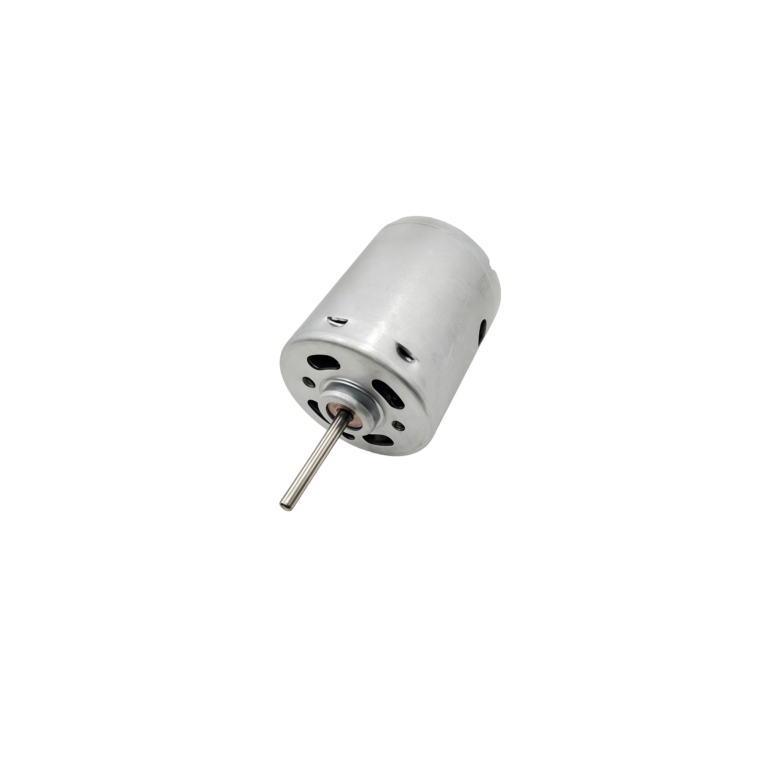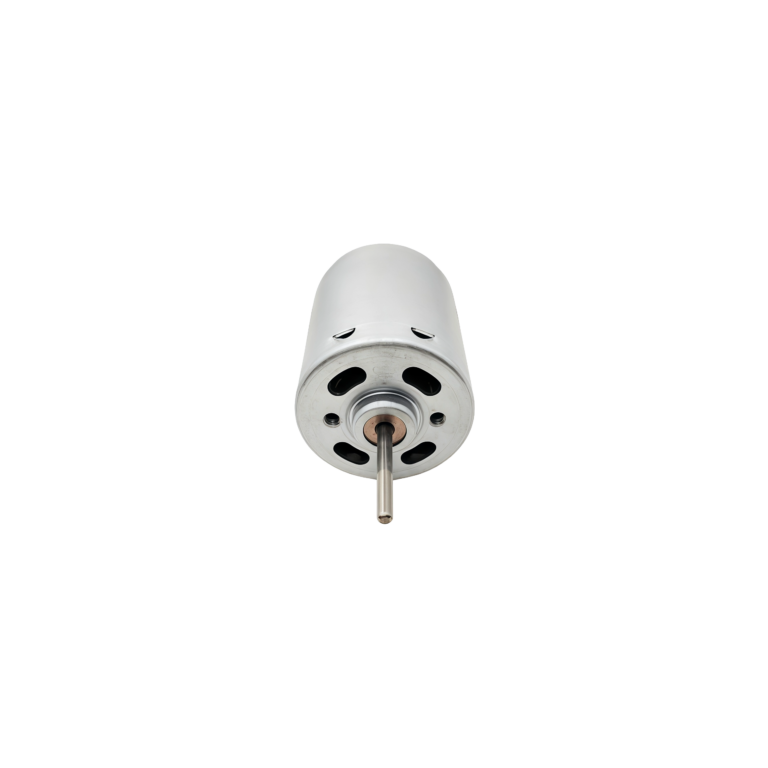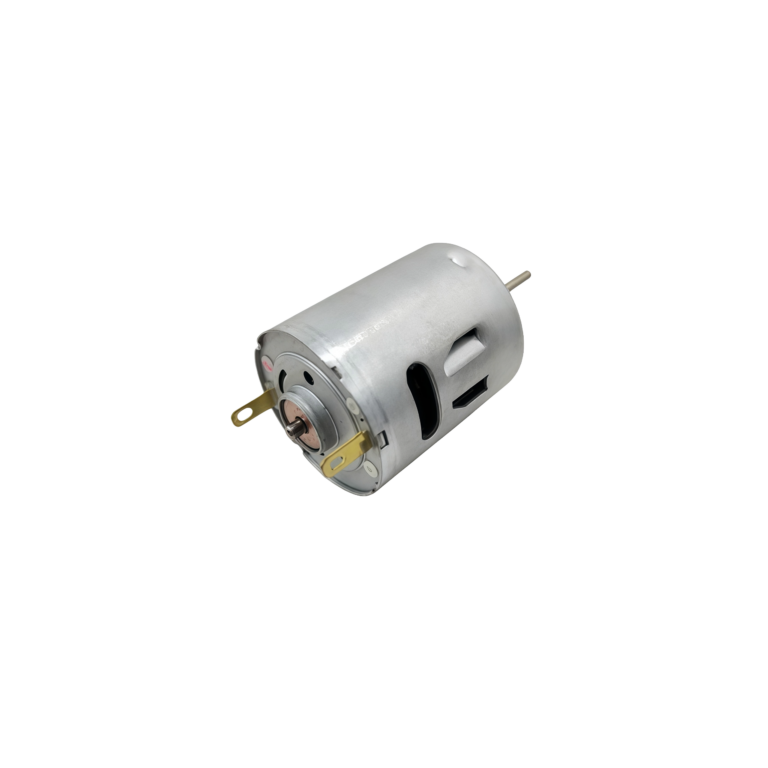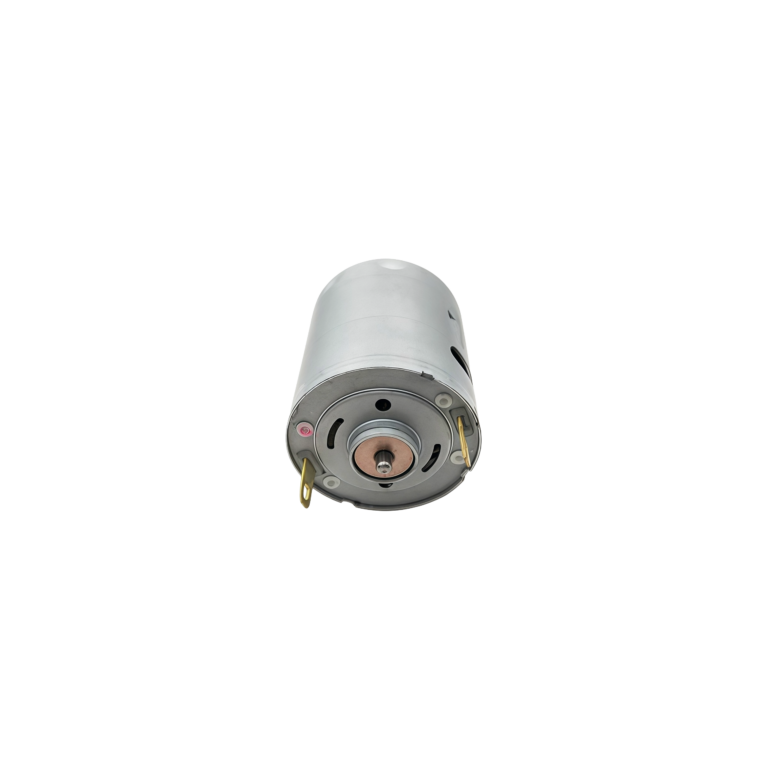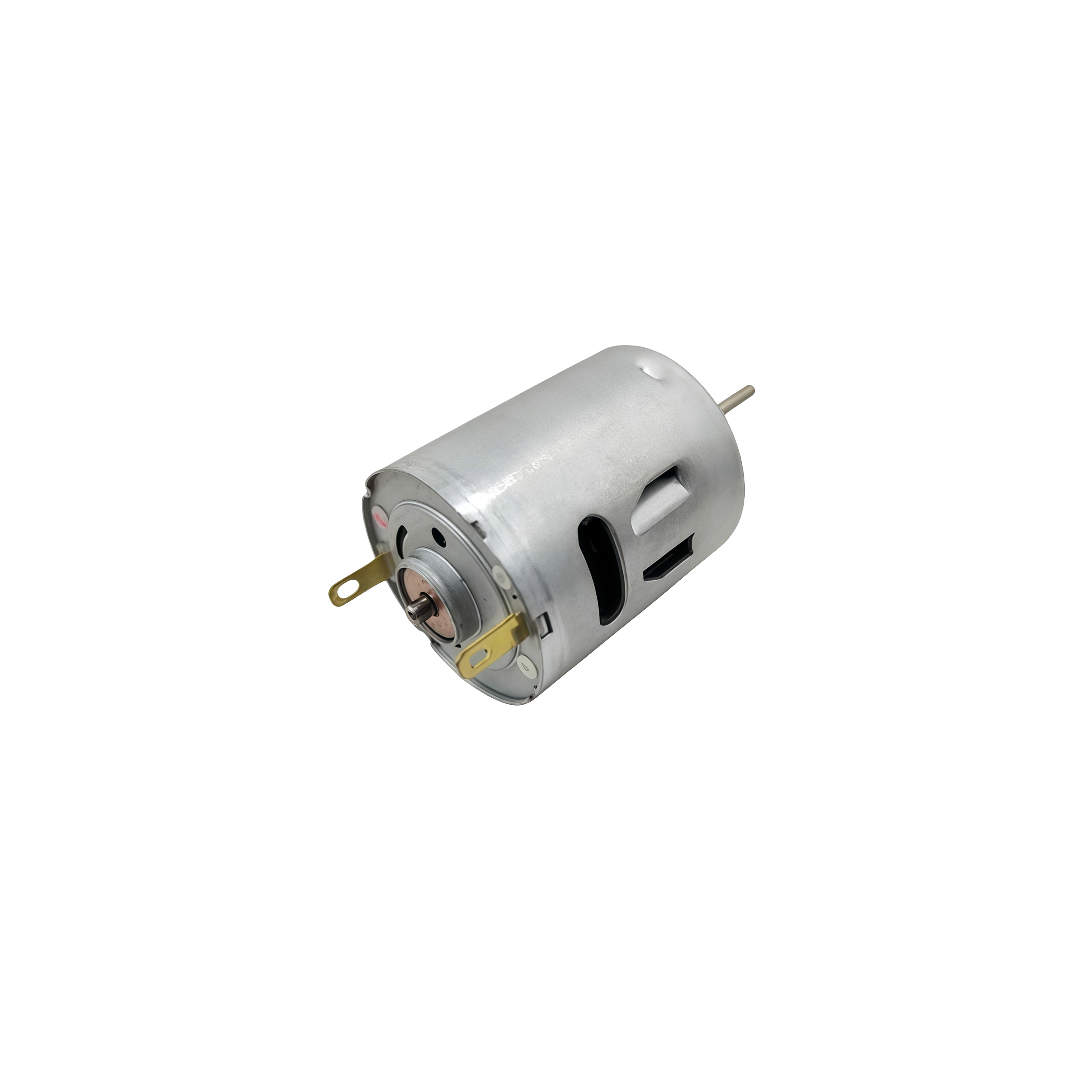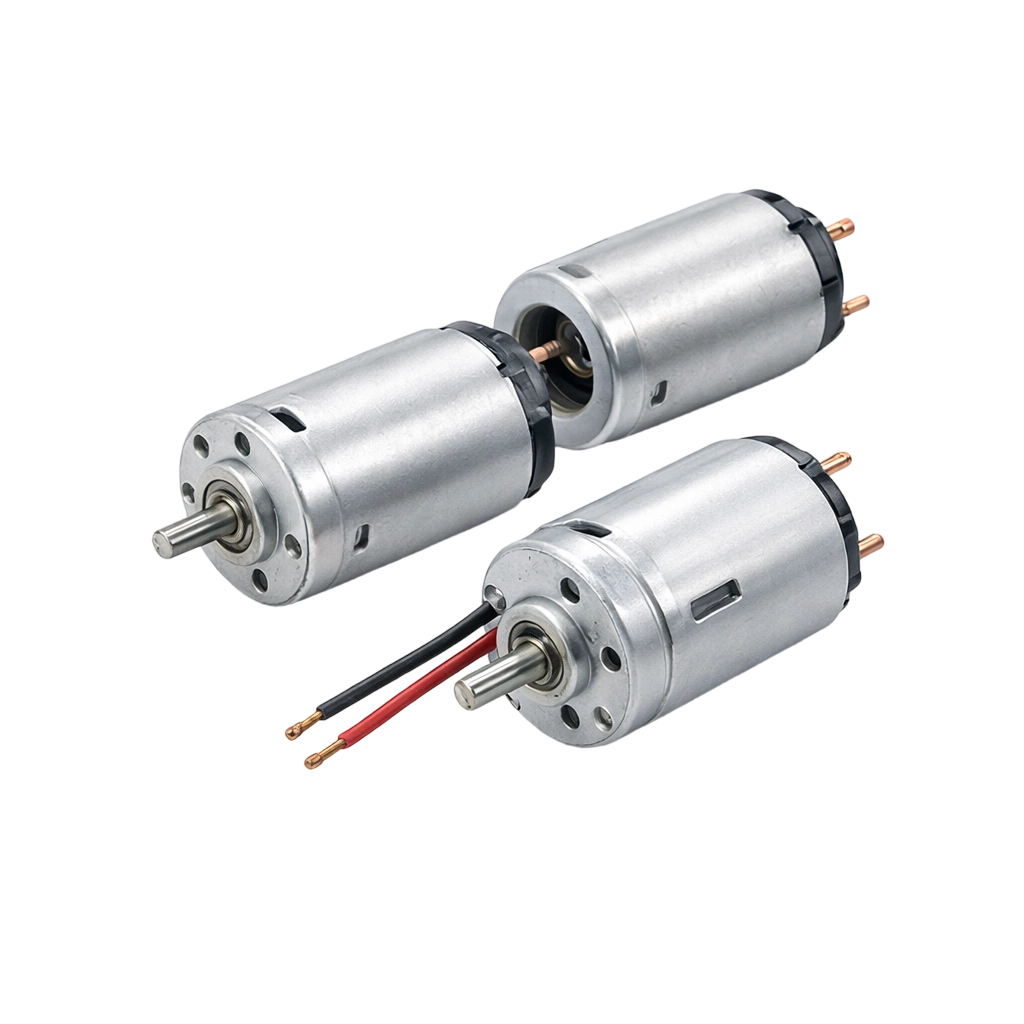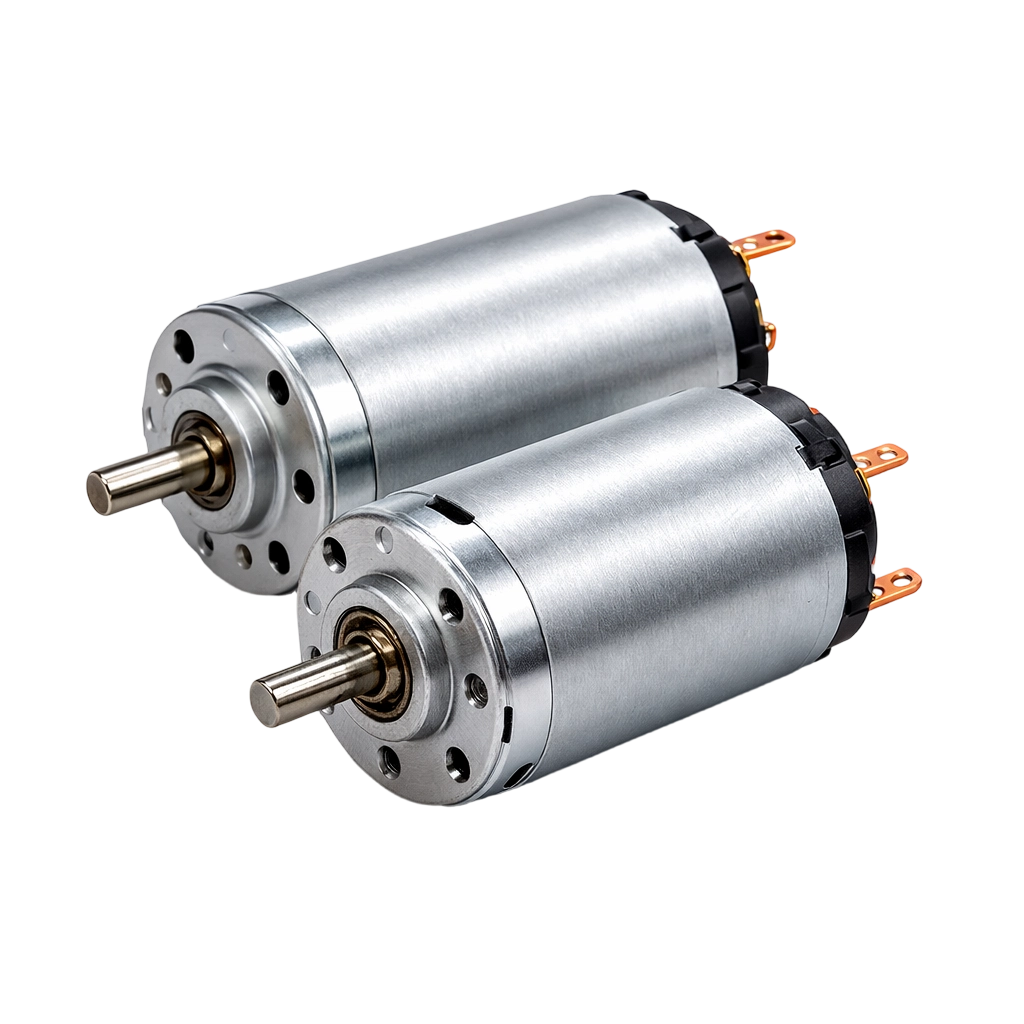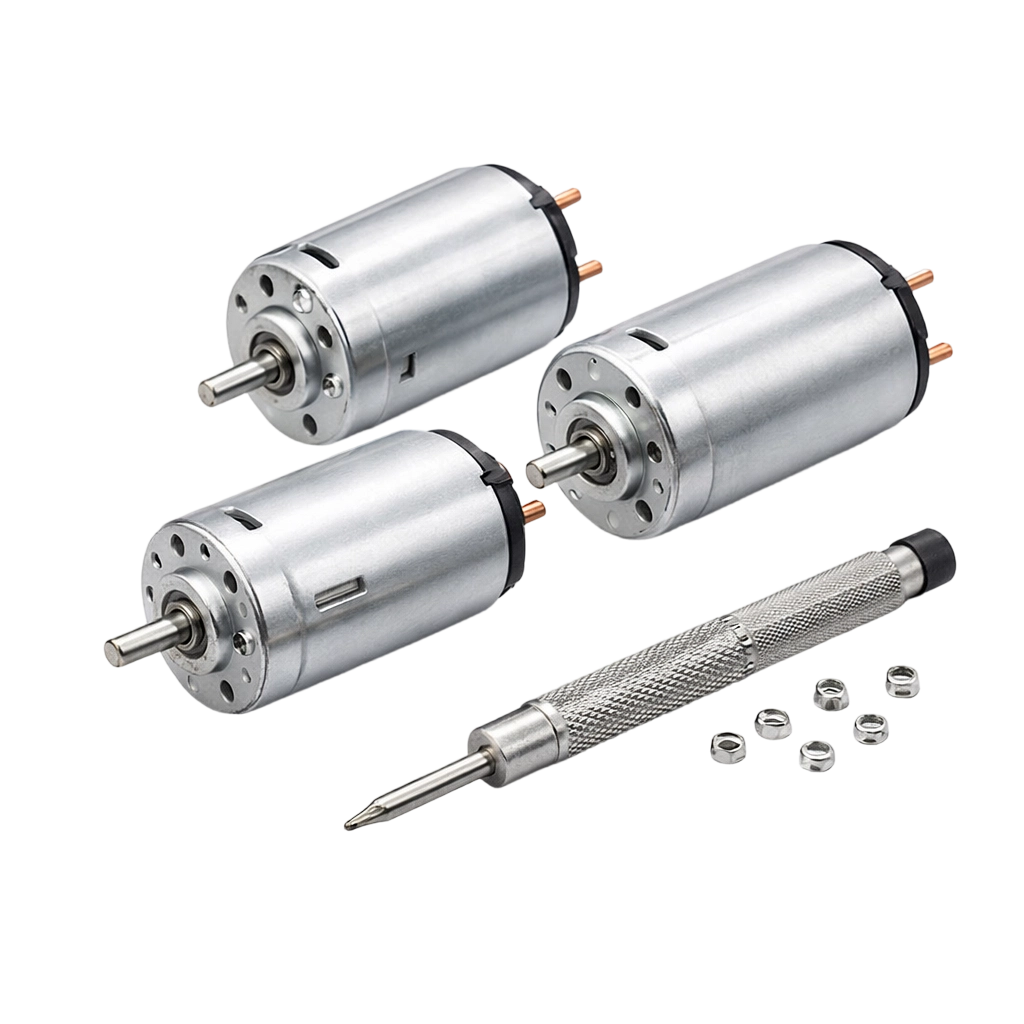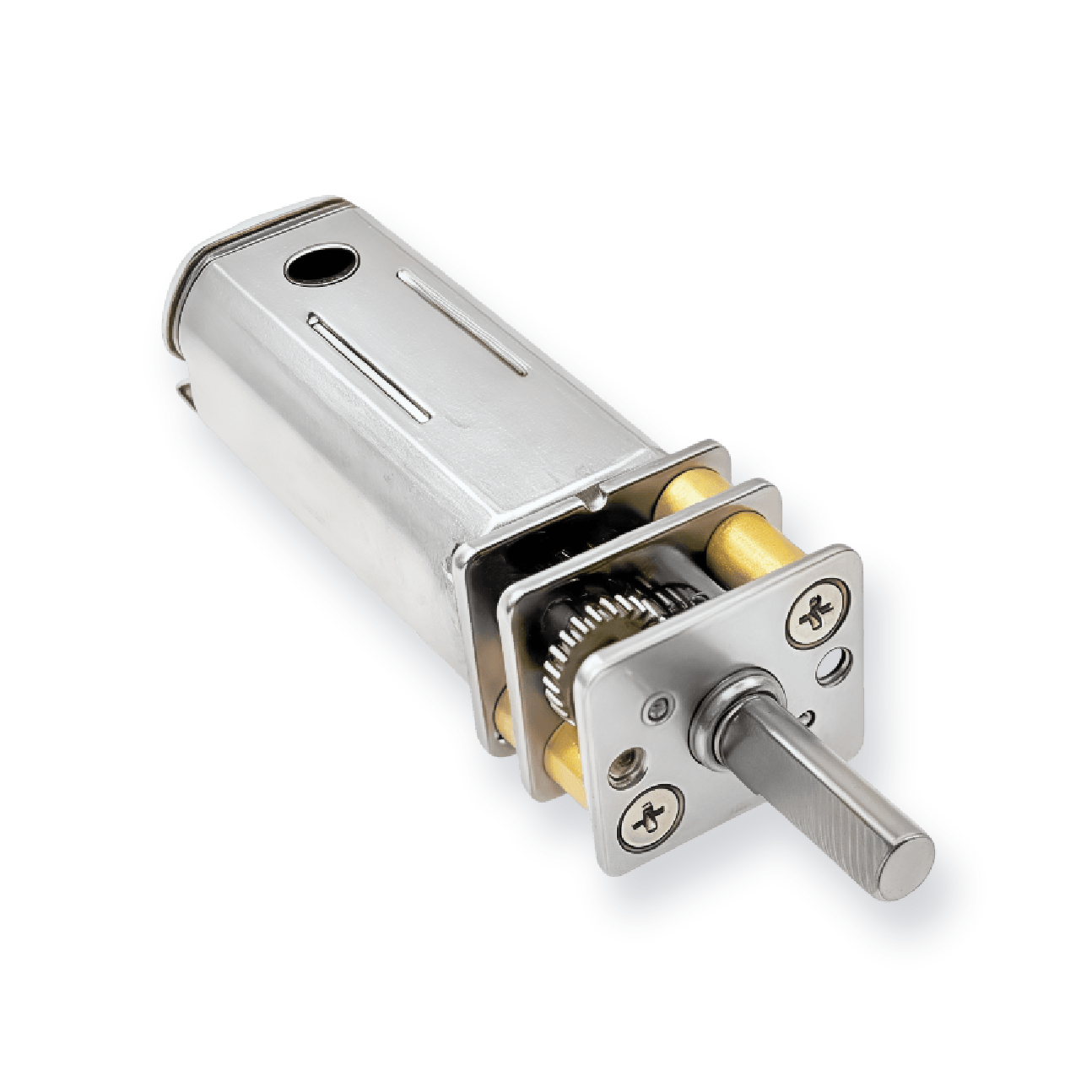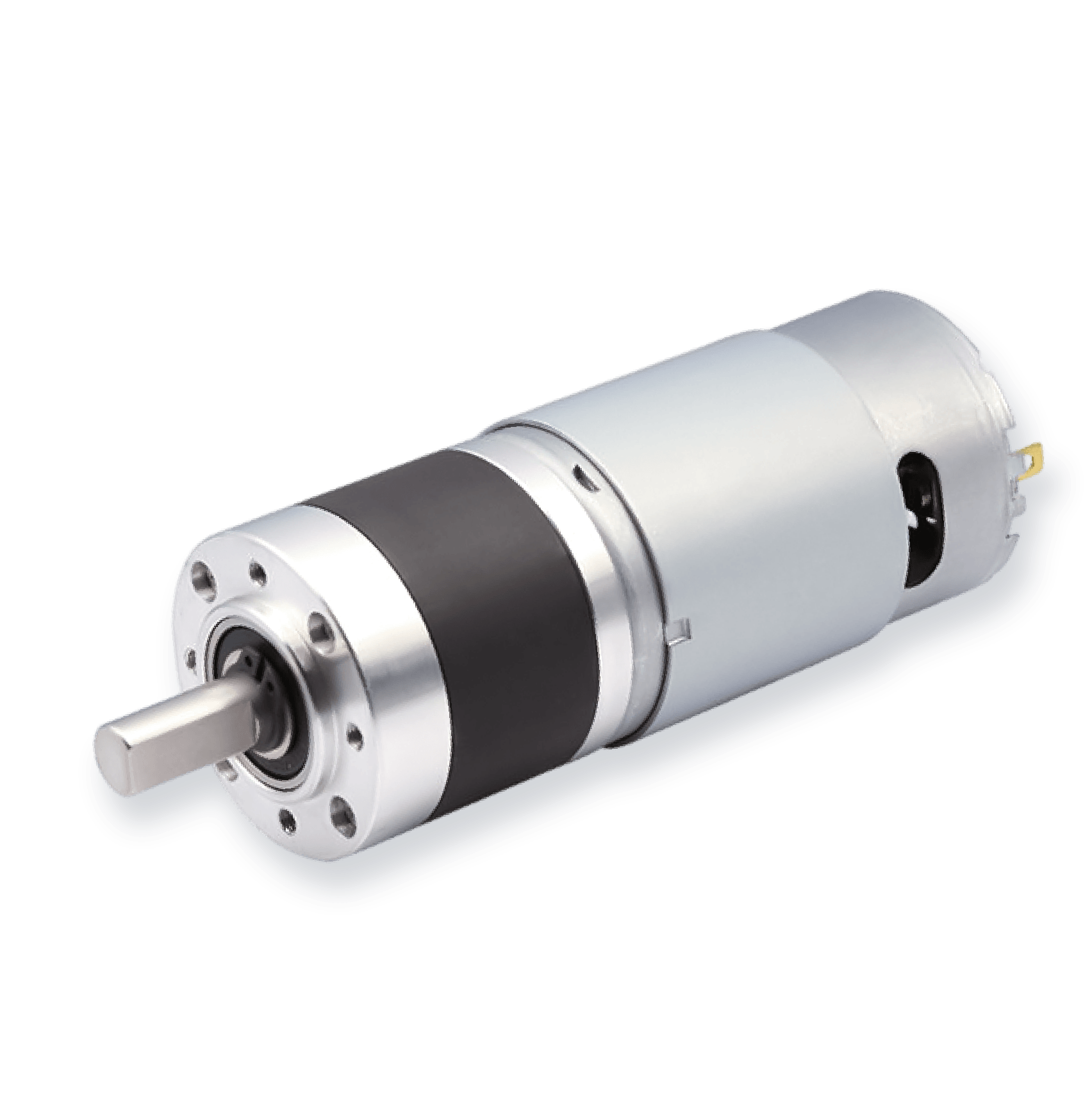
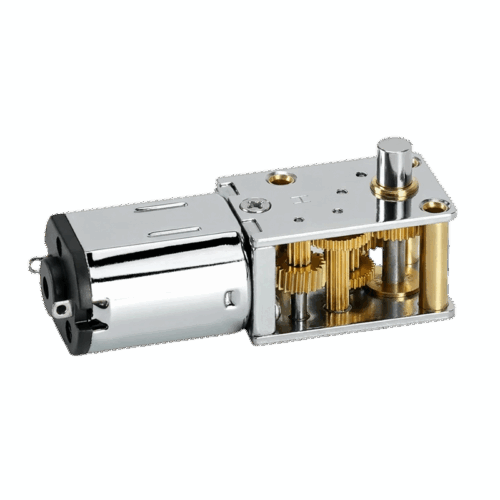
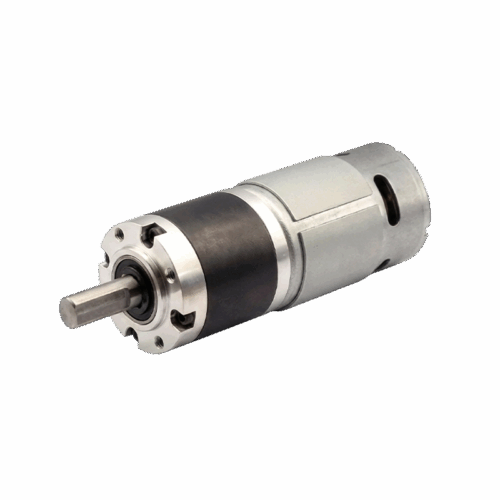
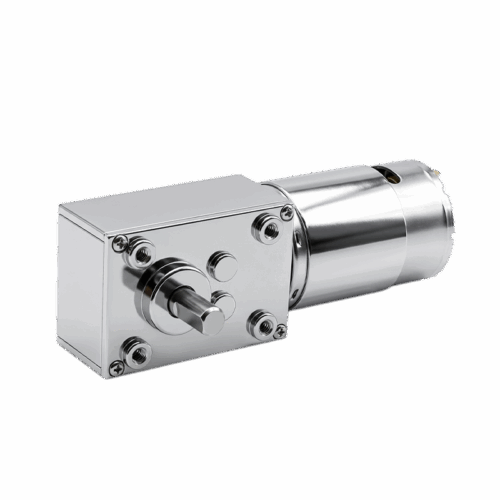
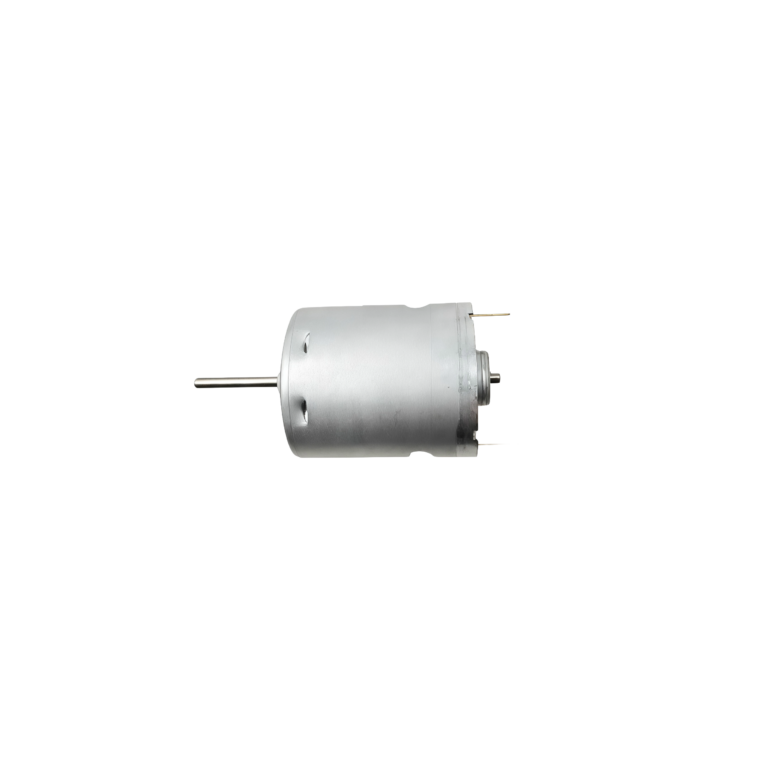
28mm Diameter 385 Brushed DC Motor

This 385 brushed DC motor is designed for 3–24V systems where you select between 6V and 24V windings, then size your driver and mechanics using a full curve table from no-load through max efficiency, max output, and stall.

Get a Quote
  • 28mm Diameter 385 Brushed DC Motor Featured Image
Specs

Key Features

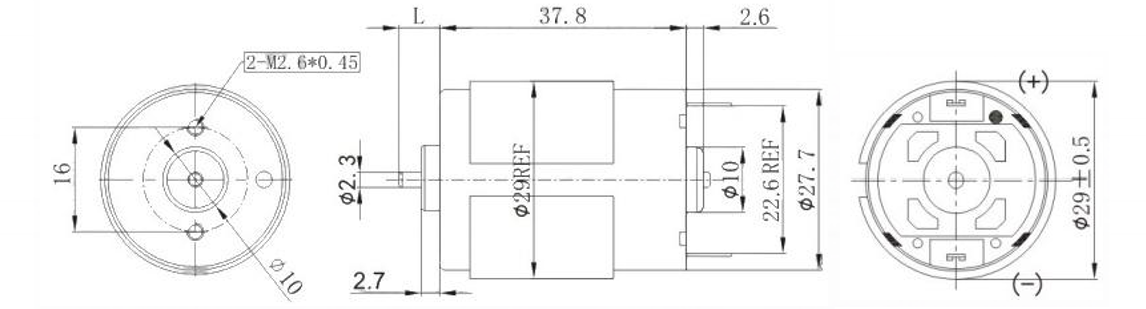
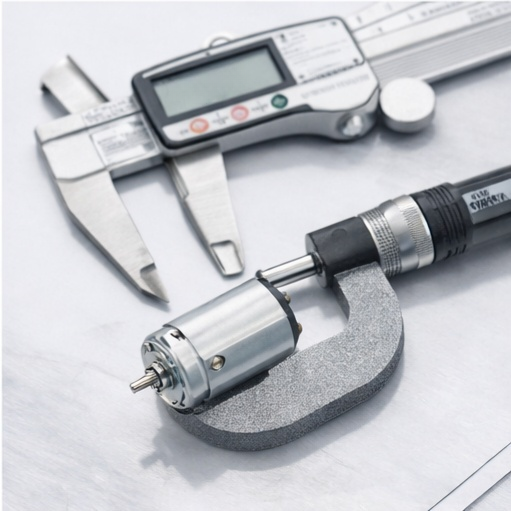
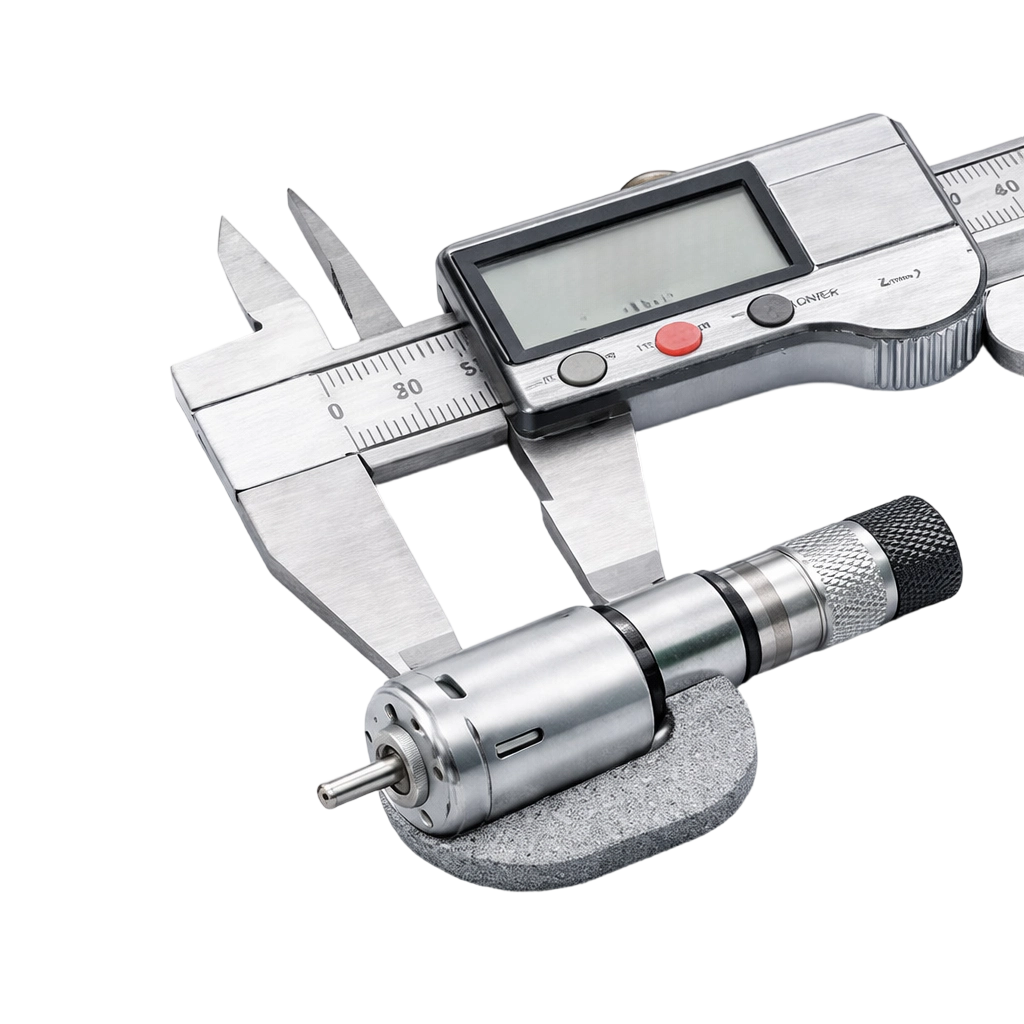
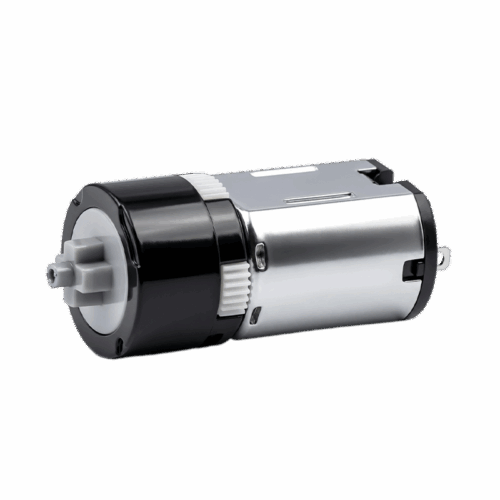
This model is a 385 brushed DC motor platform defined by its Φ27.7×L37.8 envelope and a complete operating-point table, making selection straightforward when you need to plan speed, current, and torque across the full load range.

  • Fixed Φ27.7×L37.8 envelope supports compact drives using a standard 385 form factor
  • Two winding options (6V / 24V) separate voltage architecture and current behavior clearly
  • No-load, max efficiency, max output, and stall points let you pick the motor around your real working region
  • Stall current and stall torque define the boundary for jam events and driver protection strategy
technical Specs

Motors Specifications

Model No Load Max Efficiency Max Output Stall
Voltage (V) Current (A) Speed (rpm) Current (A) Speed (rpm) Torque (g.cm) Current (A) Speed (rpm) Torque (g.cm) Current (A) Torque (g.cm)
SLW-R385-3270 6 0.274 8150 1.528 6911 82.6 4.399 4075 271.5 8.524 543.1
SLW-R385-17125 24 0.081 8446 0.497 7260 105.6 1.561 4223 375.8 3.04 751.7

For additional customization or reference configurations, please feel free to contact us.

Why Choose us

SLW Motor Highlights

  • Full Curve Table Supports Real Working-Point Selection

    The table shows how speed, torque, and current evolve from no-load to max efficiency, max output, and stall, so you can choose the motor around your actual operating region.

  • Clear Voltage Split Changes Driver Stress

    The 6V and 24V windings differ strongly in current behavior, which directly affects driver sizing, wiring, and protection logic.

  • Efficiency Point Helps Predict Steady Current

    Max-efficiency values help you estimate the current draw you’ll see in continuous operation, instead of sizing only from stall.

  • Stall Point Defines Jam and Hard-Stop Boundary

    Stall current and torque define what your system must survive during jams and hard stops, which drives current limiting and mechanical durability.

Custom

Beyond the Standard: Performance Customized

  • 01
    Winding Choice by Supply Rail and Current Budget
    We confirm your real supply voltage and allowable peak current first, then select the winding so you avoid forcing fit through heavy PWM or overvoltage.
  • 02
    Working-Point Lock-In at Max Efficiency
    We anchor selection around your steady operating region, then validate your application doesn’t push the motor into high-current zones.
  • 03
    Current Limit Strategy Before Torque Targets
    We define current limiting and fault recovery logic first, because current rises quickly as torque increases toward max output and stall.

  • 04
    Torque Margin Planning Against Stall Boundary
    We use stall torque as a boundary condition and ensure your mechanism’s hard stops and friction spikes won’t repeatedly drive stall events.
  • 05
    Variant Strategy Using One Mechanical Envelope
    If you plan multiple SKUs, we keep the Φ27.7×L37.8 envelope constant and differentiate variants by winding and working-point selection.
  • Winding Choice by Supply Rail and Current Budget
  • Working-Point Lock-In at Max Efficiency
  • Current Limit Strategy Before Torque Targets
  • Torque Margin Planning Against Stall Boundary
  • Variant Strategy Using One Mechanical Envelope

Custom Now

FAQ

Frequently Asked Questions

If you share your available space and the driven load type, we can help narrow the most suitable configuration quickly.

How do I choose between the 6V and 24V versions quickly?
Match your supply voltage first, then compare max-efficiency speed and torque to your steady operating point, and finally confirm stall current fits your driver protection limit.
Which table section should I use for normal operation planning?
Use Max Efficiency as the best estimate of steady current and heat behavior, then use Stall only as a boundary for fault conditions.
Why does stall matter if I avoid stalling in normal use?
Stall defines what happens during jams and hard stops, which drives driver protection, wiring, and mechanical stop durability.
What should I share so you can shortlist the right option?
Share your supply voltage, target RPM, load torque estimate, duty cycle, and your driver current limit.
Is it suitable for repeat production across variants?
Yes. You can standardize the 385 mechanical envelope and differentiate product variants mainly by winding and operating point.
Get Started

Accelerate Your Project with Precision Motors