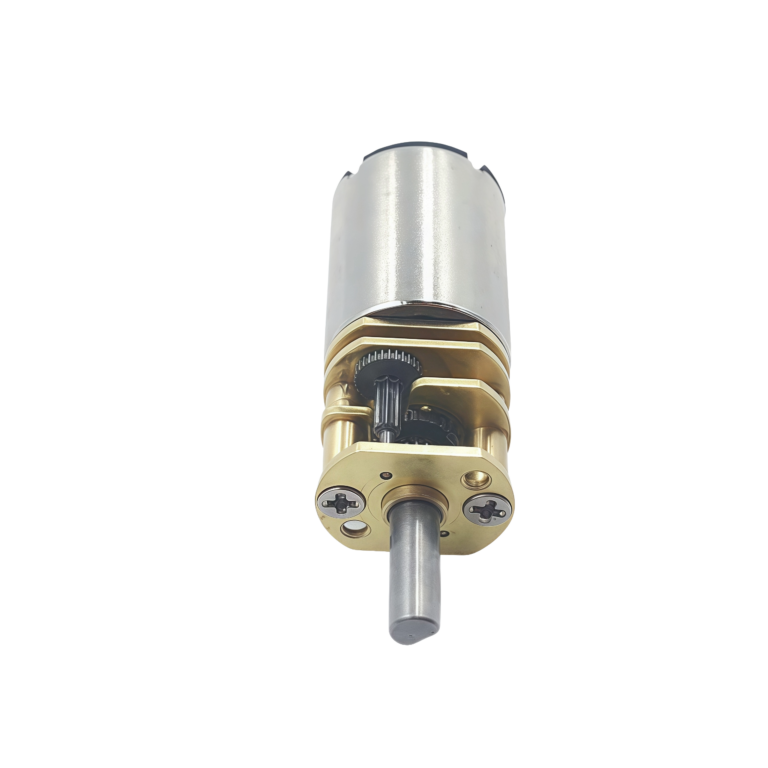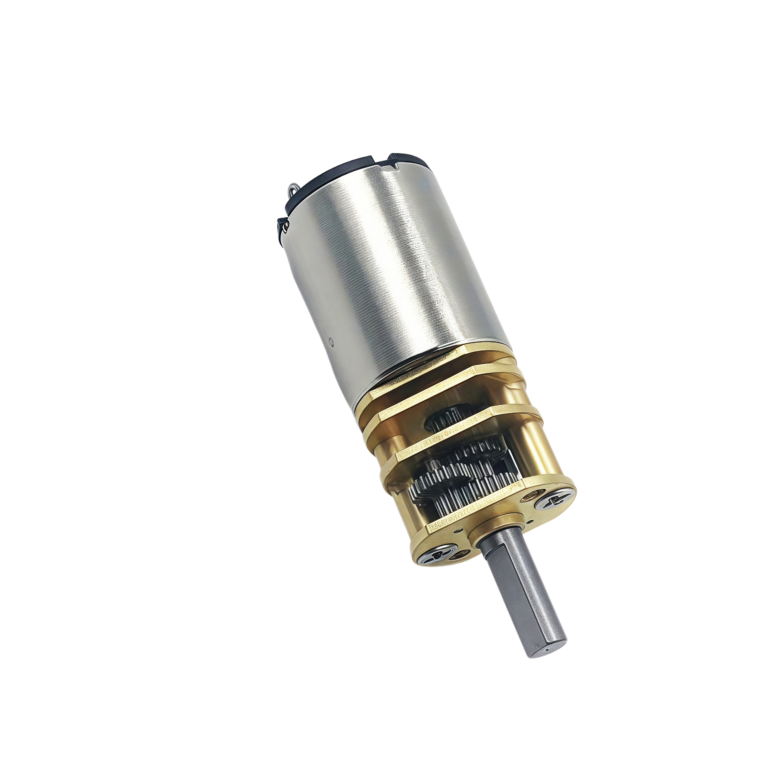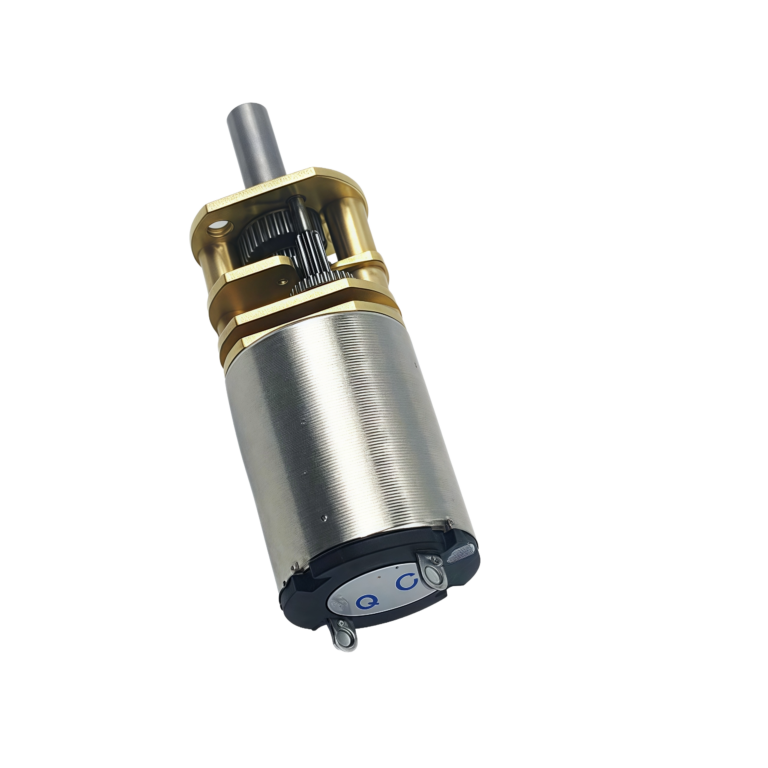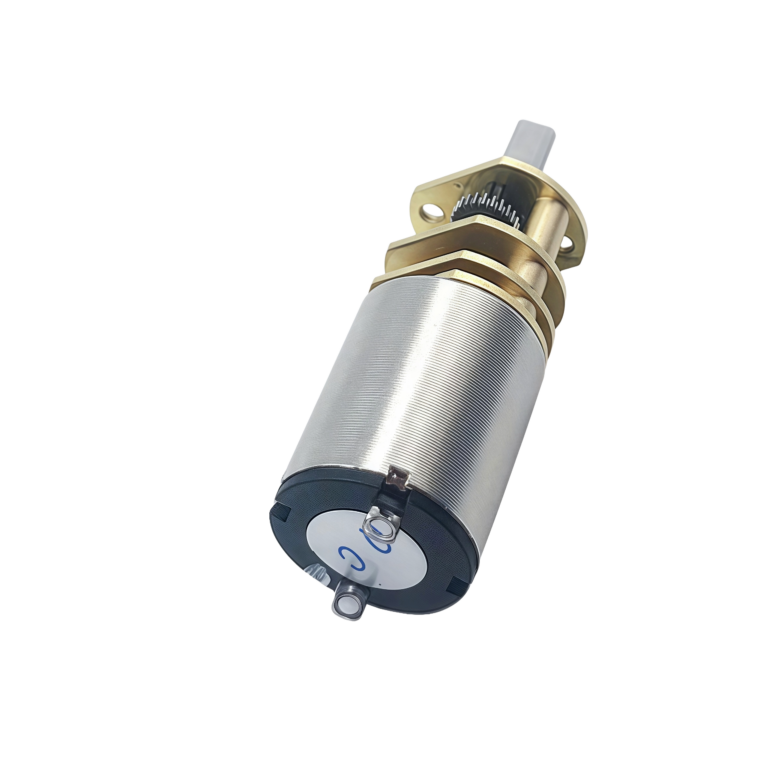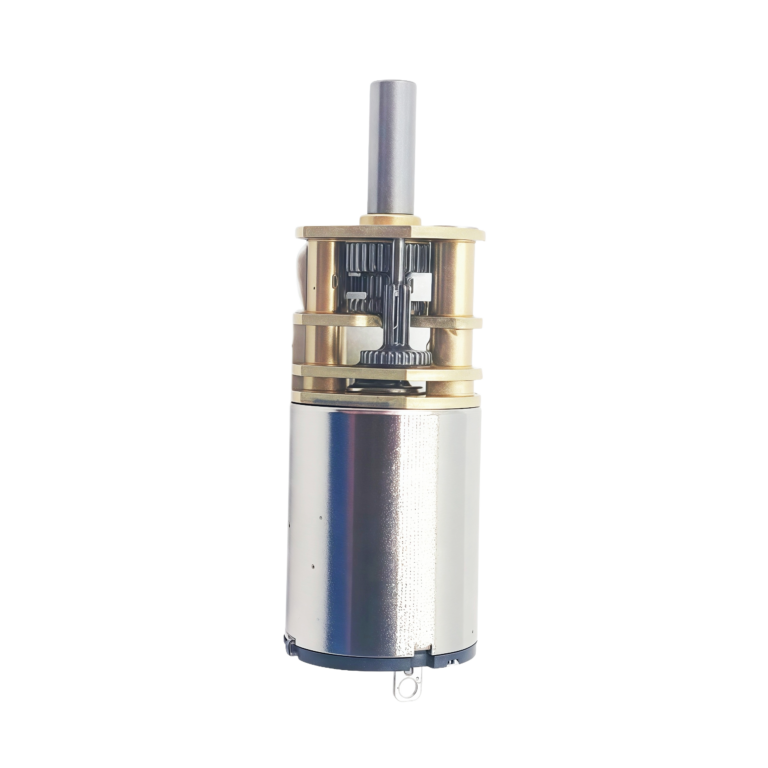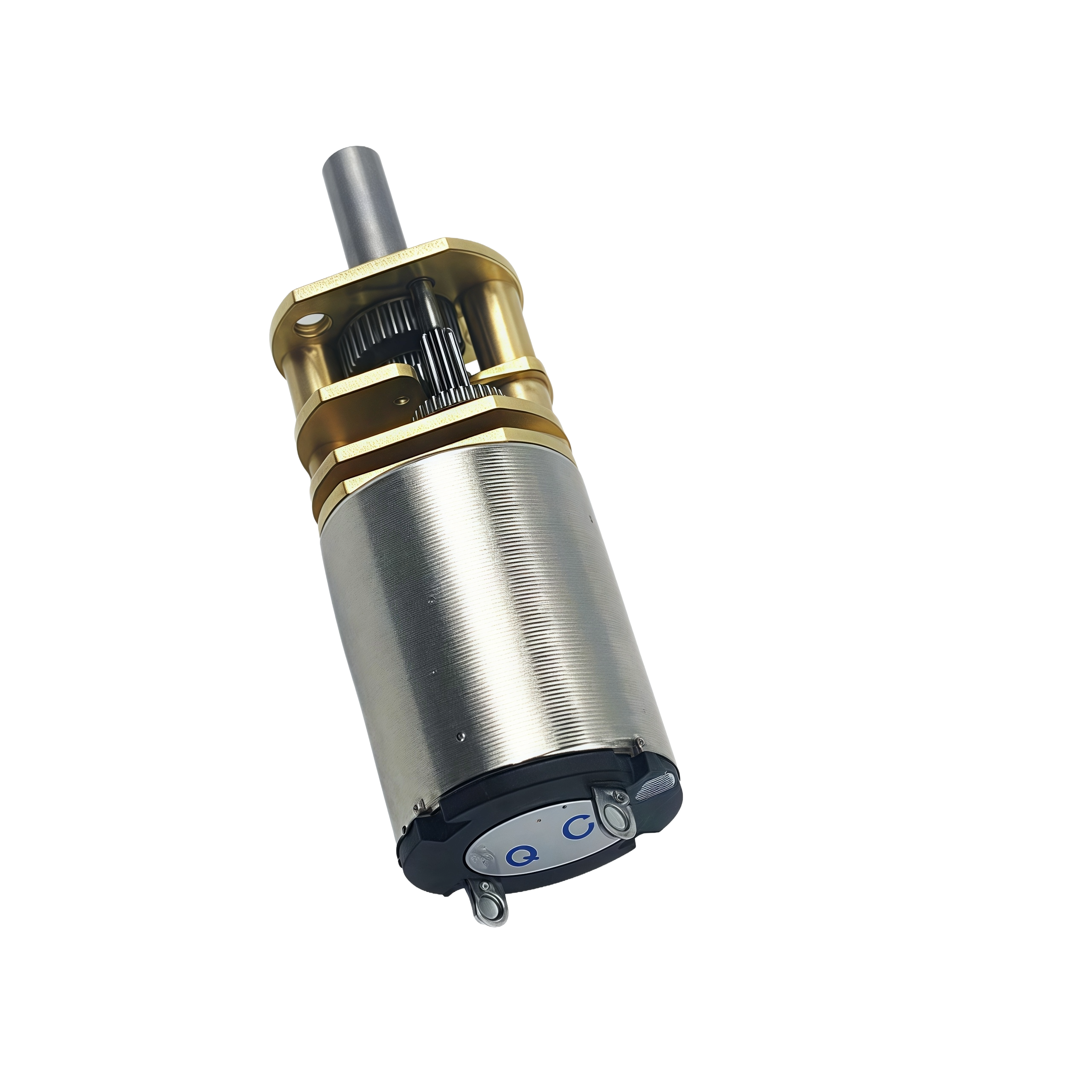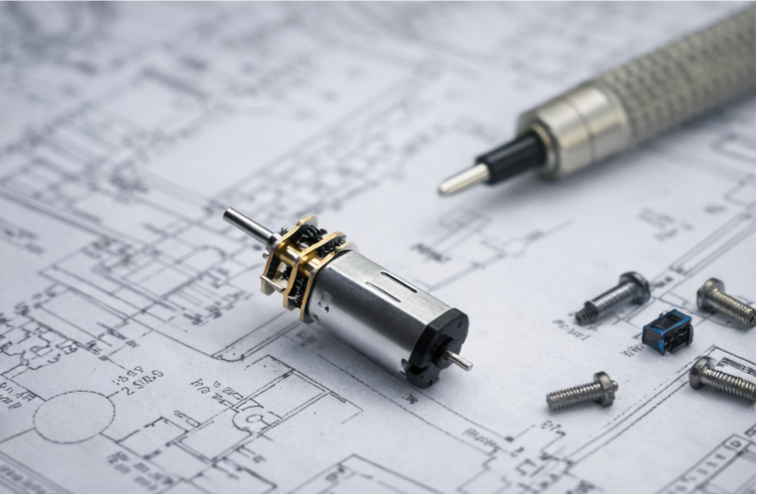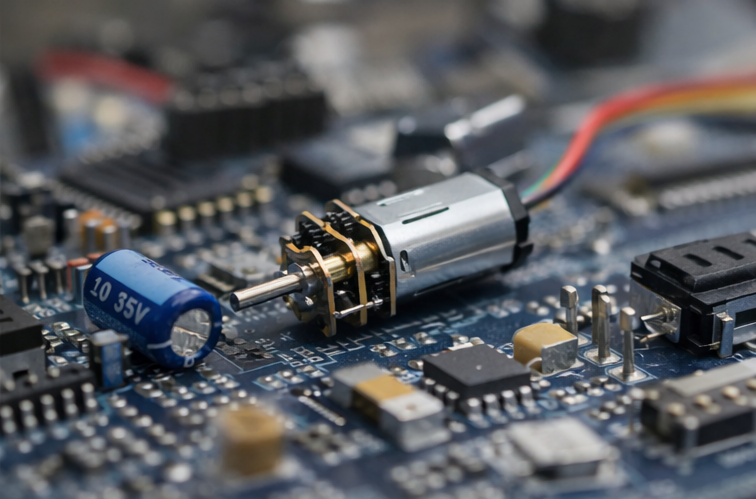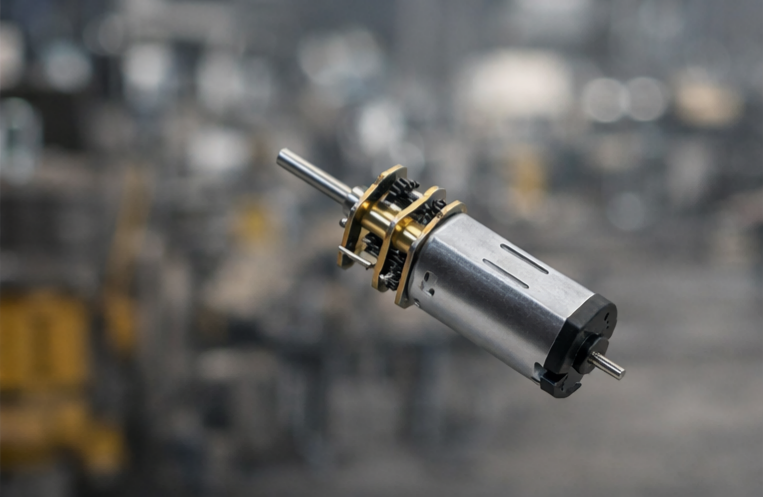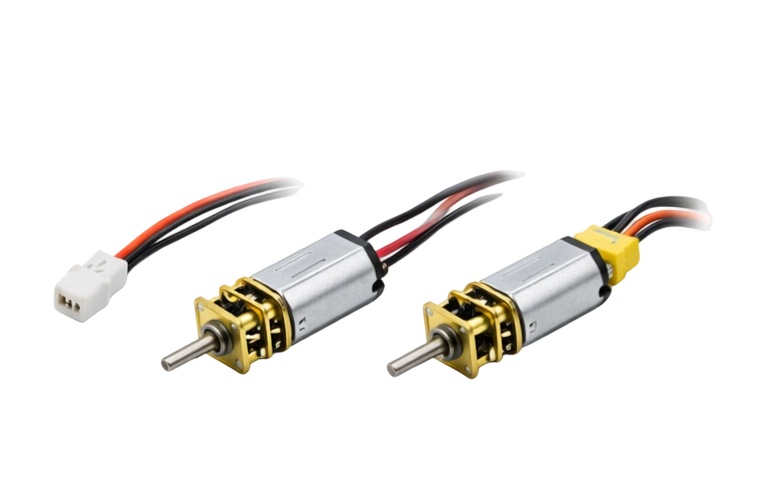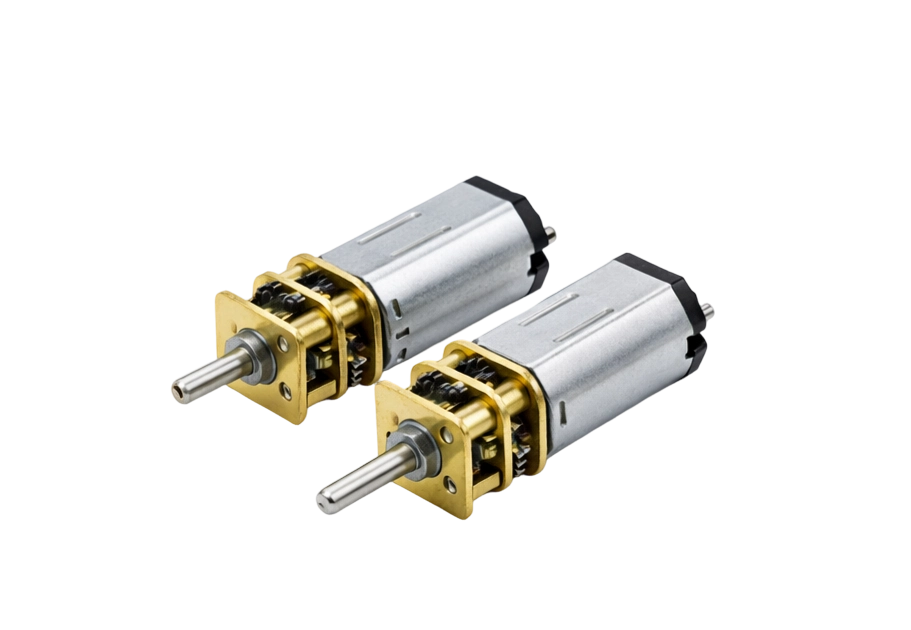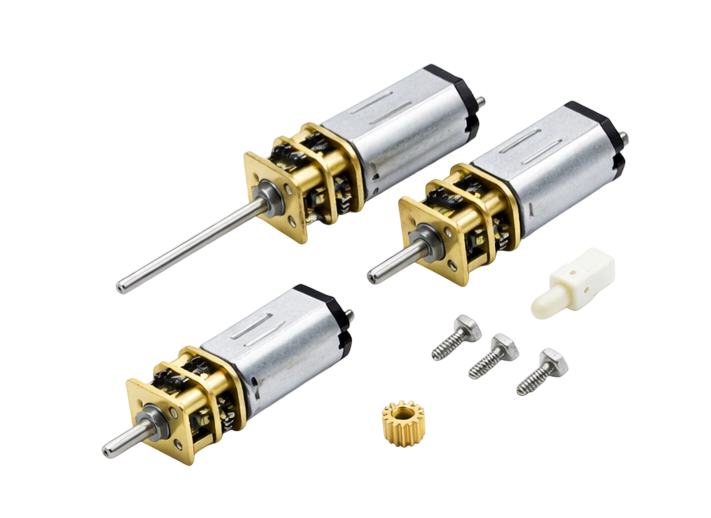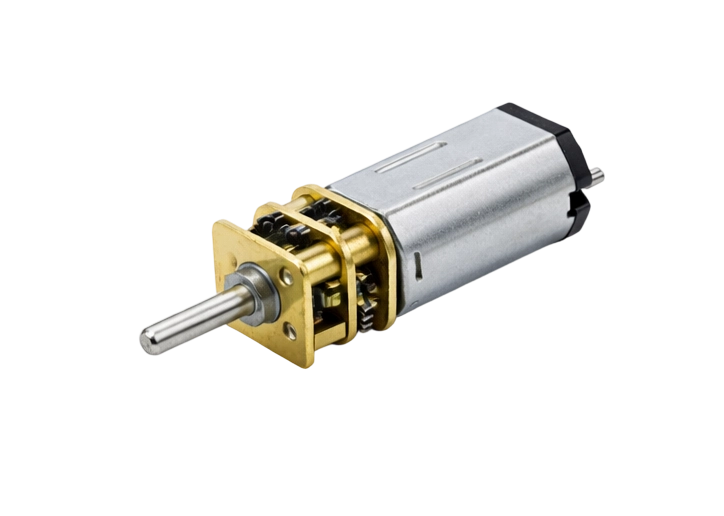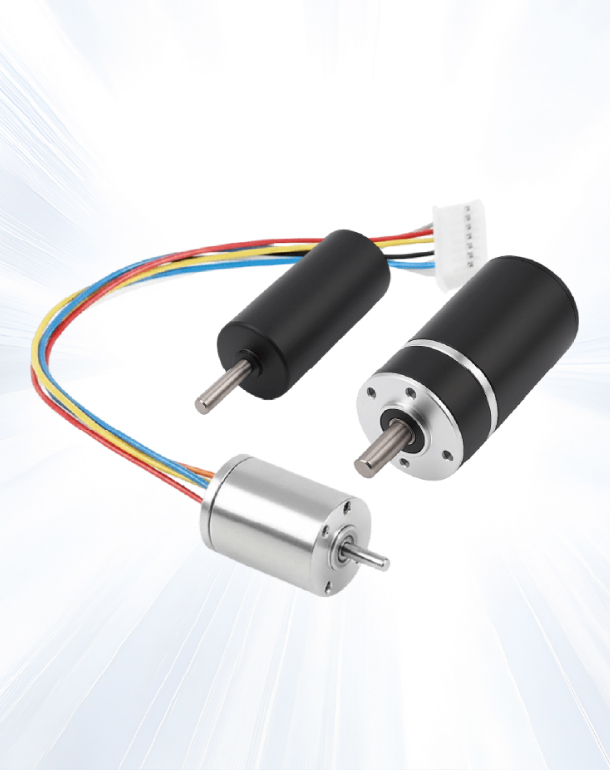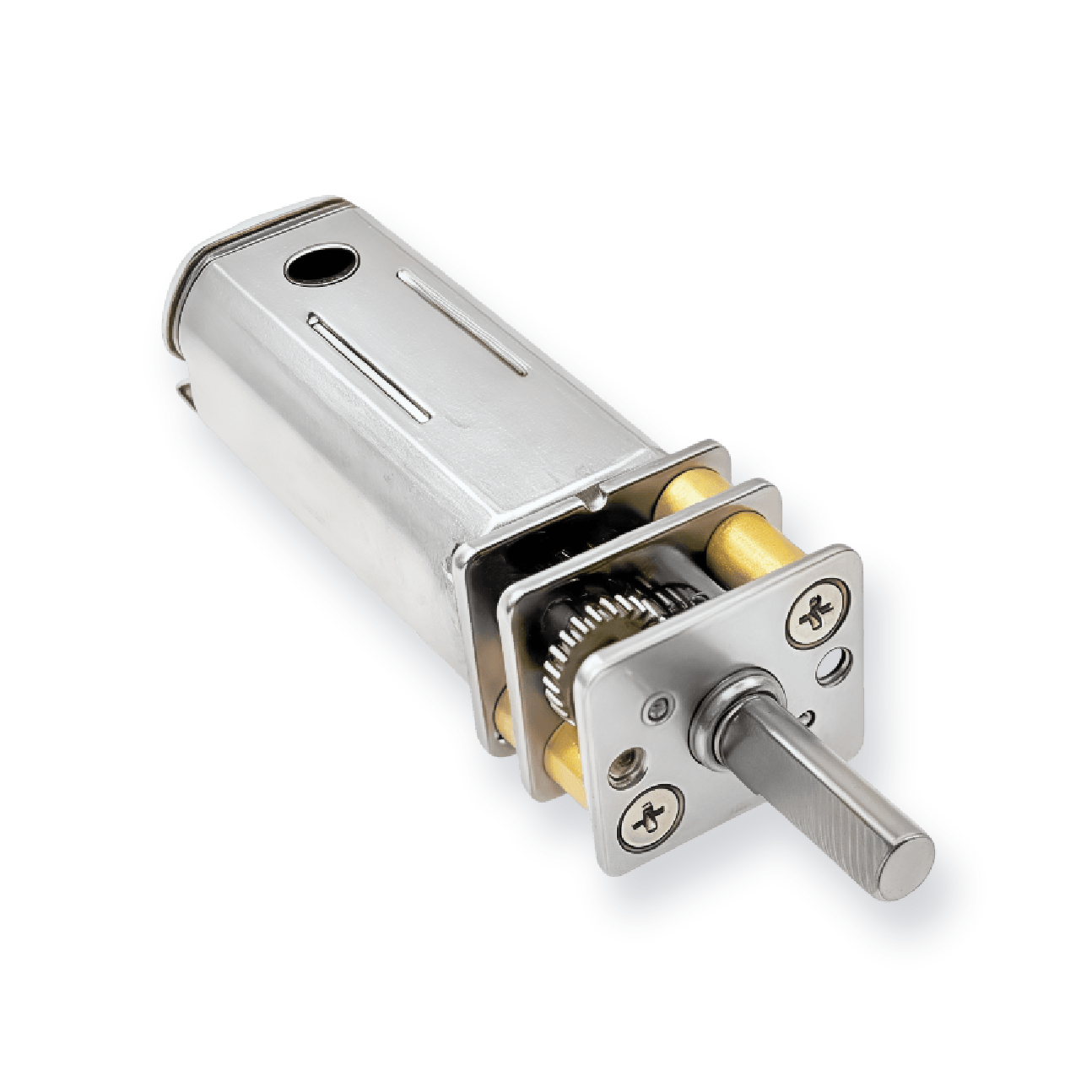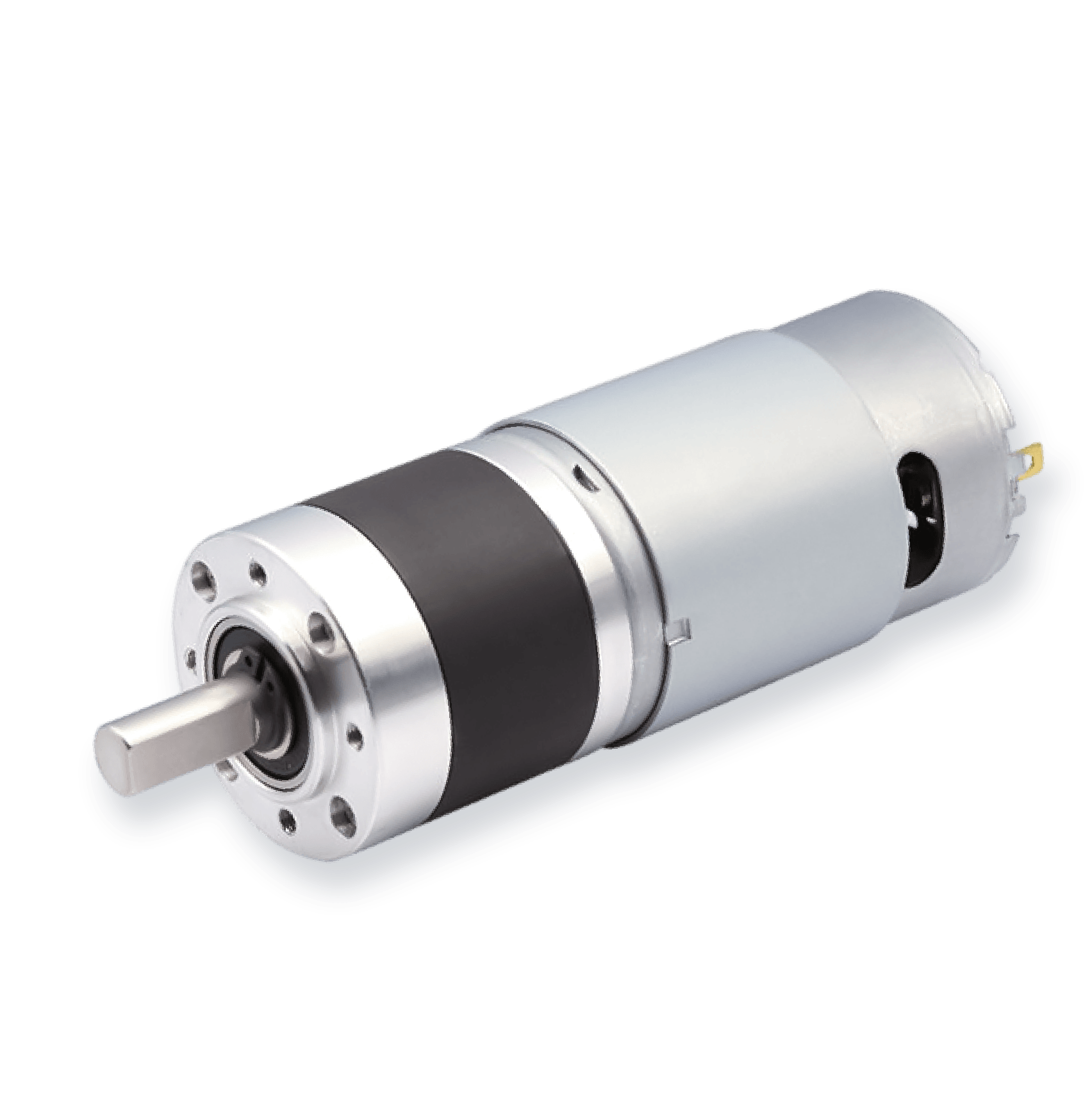
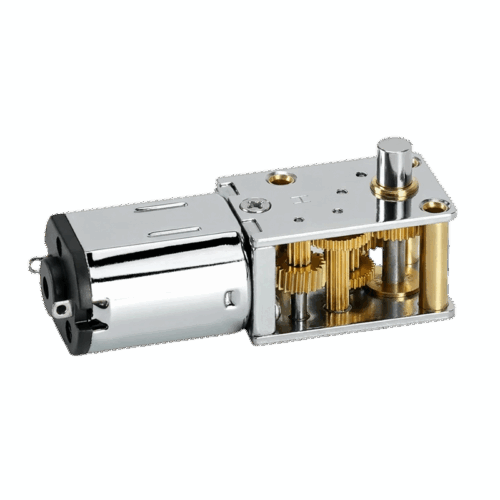
10mm Diameter Micro Brushed Coreless Motor With Gearbox

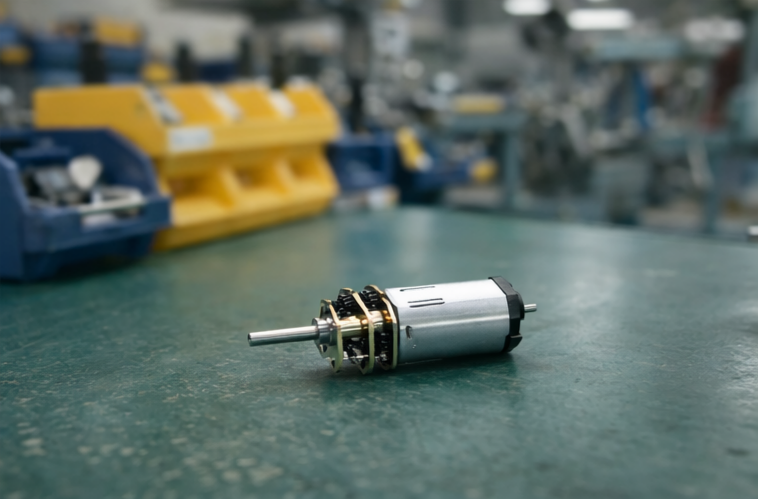
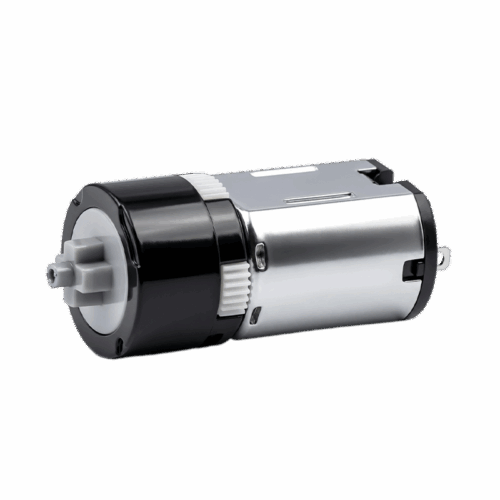
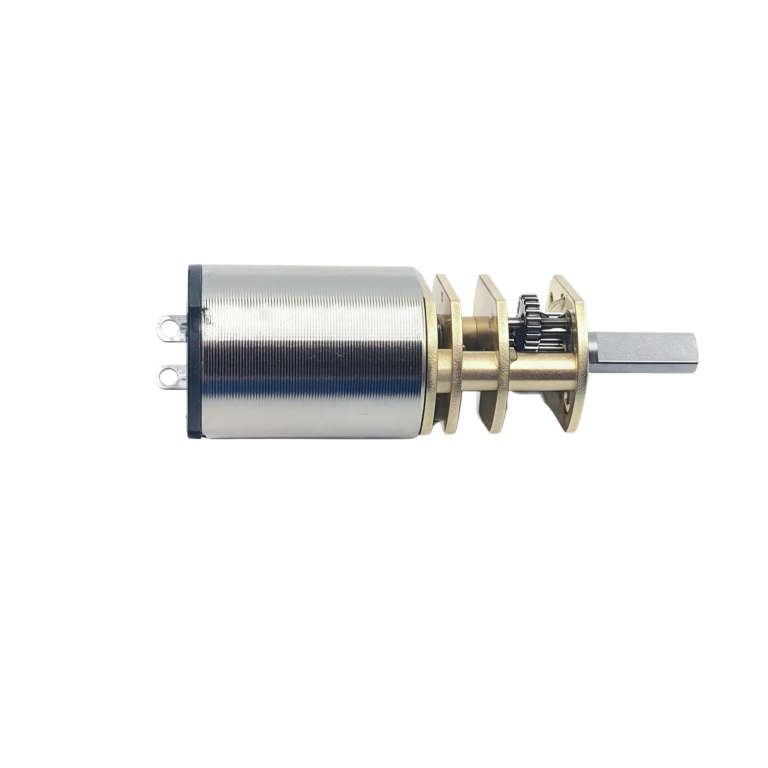
This 10mm micro brushed coreless gear motor is built for ultra-compact mechanisms that need gentle, controllable torque at 3V–12V while keeping gearbox length and assembly envelope tightly bounded.

Get a Quote
  • 10mm Diameter Micro Brushed Coreless Motor With Gearbox Featured Image
Specs

Key Features

This model focuses on micro-size packaging and ratio-defined output behavior, making it easier to select a workable RPM/torque point without changing the motor envelope.

  • 10mm coreless brushed platform targets tight enclosures where millimeters decide feasibility
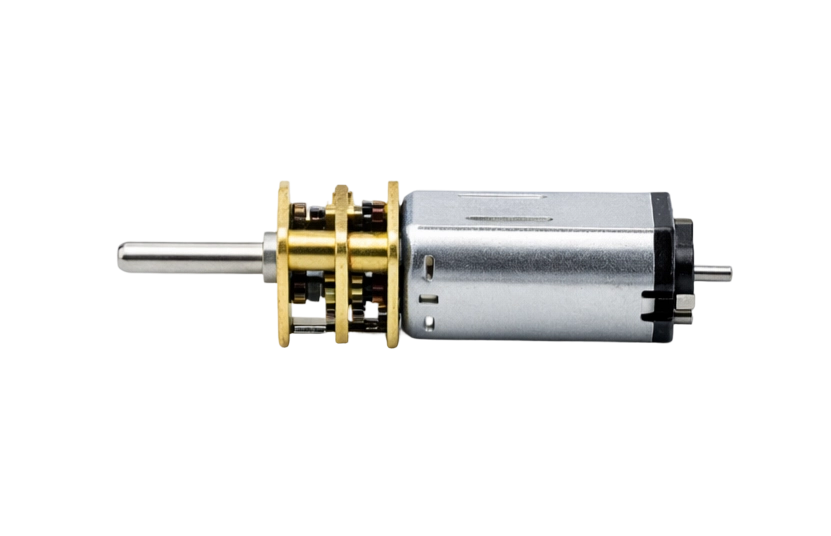
  • Gearbox length is explicitly defined by ratio, supporting early packaging decisions in micro assemblies
  • Ratio ladder (20–250) lets you tune output speed and torque for light-load motion or small holding tasks
  • Low torque range is presented in fine steps, useful for delicate mechanisms that cannot tolerate shock output
  • 3V–12V applied range supports compact battery packs and small DC supply architectures
technical Specs

Motors Specifications

Reduction ratio 20 50 100 150 250
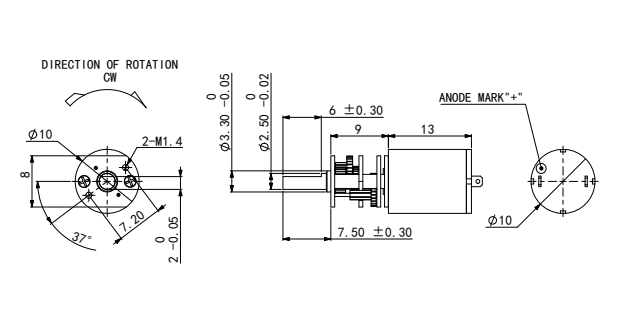
Gearbox length mm 6 9 9 9 9
No-load speed rpm 750 300 150 100 60
Rated speed rpm 612.5 245 122.5 81.7 49
Rated torque Kg.cm 0.02 0.05 0.11 0.17 0.29
Max. momentary tolerance torque Kg.cm 0.09 0.22 0.43 0.65 1.08

For additional customization or reference configurations, please feel free to contact us.

Why Choose us

SLW Motor Highlights

  • Micro Gearbox Length as a First-Pass Filter

    This series shows gearbox length directly against ratio. If your cavity only allows a short stack, you can eliminate options before doing torque math.

  • Ratio-Led Output Tuning for Delicate Mechanisms

    The ratio steps create predictable RPM drops and torque increases, which is useful for micro drives that need controlled motion rather than aggressive acceleration.

  • Coreless Brushed Behavior for Simple Drive Circuits

    A brushed coreless motor keeps control straightforward for small PCB designs that prefer simple DC drive without BLDC commutation.

  • Momentary Torque Boundary for Jam Events

    The maximum momentary tolerance torque provides a practical reference when your mechanism can briefly stall due to friction spikes or end-stop contact.

Custom

Beyond the Standard: Performance Customized

  • 01
    Gearbox-Length Lock for Housing Feasibility
    We start by locking your allowable gearbox length, then shortlist ratios that stay inside the packaging limit instead of forcing later mechanical redesign.
  • 02
    End-Stop and Jam Margin Definition
    If your mechanism hits stops or can jam, we map your expected spike torque against the momentary tolerance torque to reduce early-life gear damage risk.
  • 03
    Output Speed Targeting by Ratio Step
    We select ratio by target RPM first, then validate rated torque so your motion profile relies less on aggressive PWM scaling.
  • 04
    Low-Voltage Drive Planning for 3V–12V Systems
    We align your supply and control method to reduce low-voltage drop issues and keep startup behavior stable in compact wiring layouts.
  • 05
    Assembly Interface Check for Micro Mounting
    We review your mounting face, shaft engagement depth, and coupling style so the gearbox output does not introduce misalignment load in tiny mechanisms.
  • Gearbox-Length Lock for Housing Feasibility
  • End-Stop and Jam Margin Definition
  • Output Speed Targeting by Ratio Step
  • Low-Voltage Drive Planning for 3V–12V Systems
  • Assembly Interface Check for Micro Mounting

Custom Now

Related

Explore Our Motor

View All Products

FAQ

Frequently Asked Questions

If you share your available space and the driven load type, we can help narrow the most suitable configuration quickly.

How do I choose the reduction ratio quickly?
Pick the ratio that lands closest to your required output RPM using the rated speed row, then confirm the rated torque meets your load requirement.
Why does gearbox length change with ratio?
Higher reductions typically add stages. This table shows the resulting gearbox length so you can match performance without exceeding your enclosure.
What torque value should I use for normal operation?
Use rated torque for continuous planning. Use maximum momentary tolerance torque for short spikes like startup friction or end-stop contact.
Is this suitable for very small battery-powered devices?
Yes. The applied voltage range supports 3V–12V architectures, and the motor is designed for compact integration.
What information helps you confirm a workable configuration?
Share your available space, target RPM, driven load type, and whether the mechanism can jam or hit hard end-stops.
Get Started

Accelerate Your Project with Precision Motors