
HVAC and air system

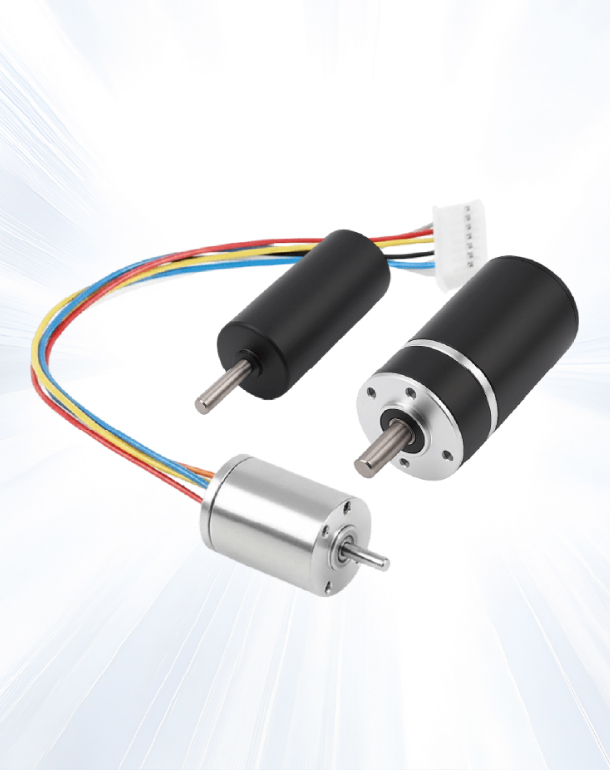
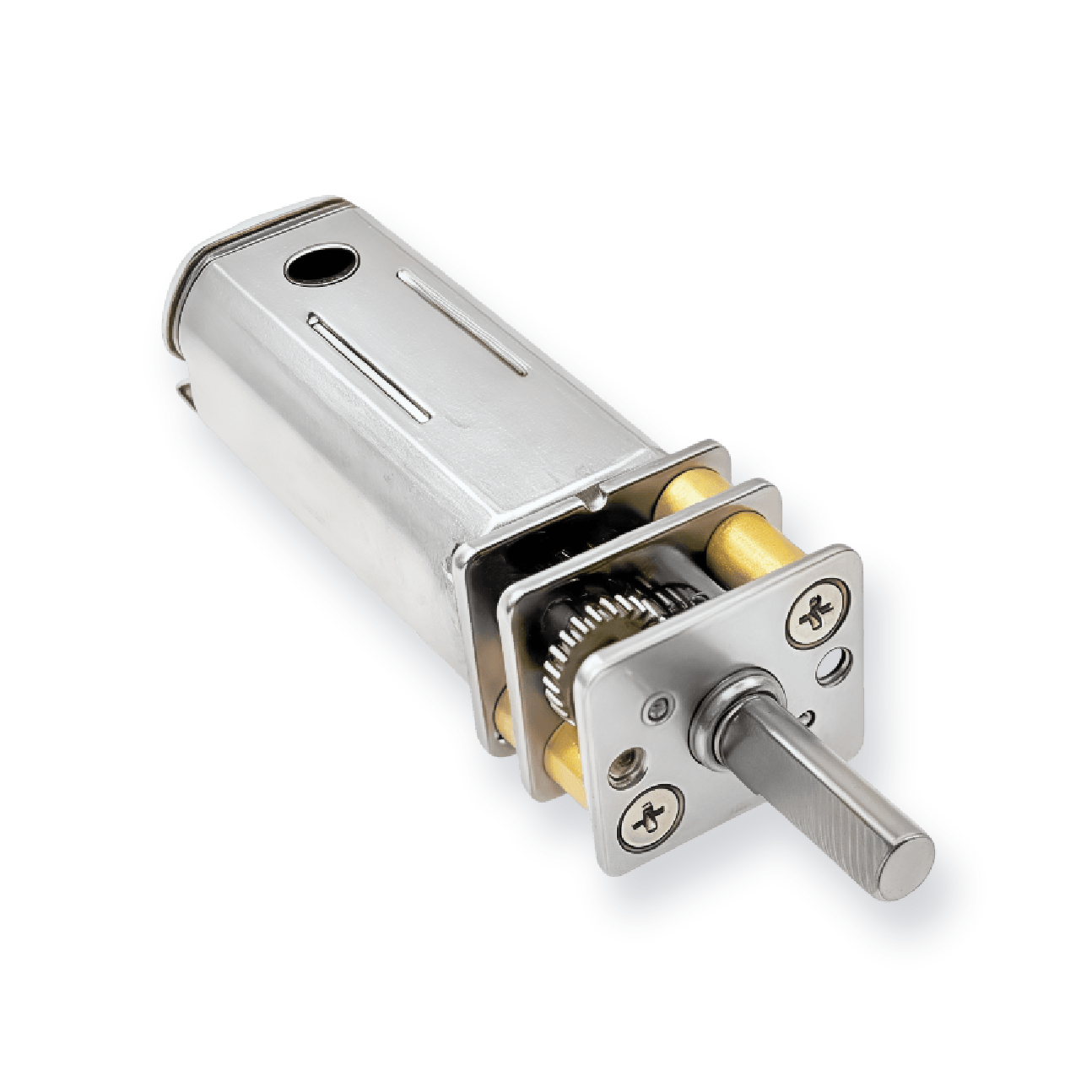
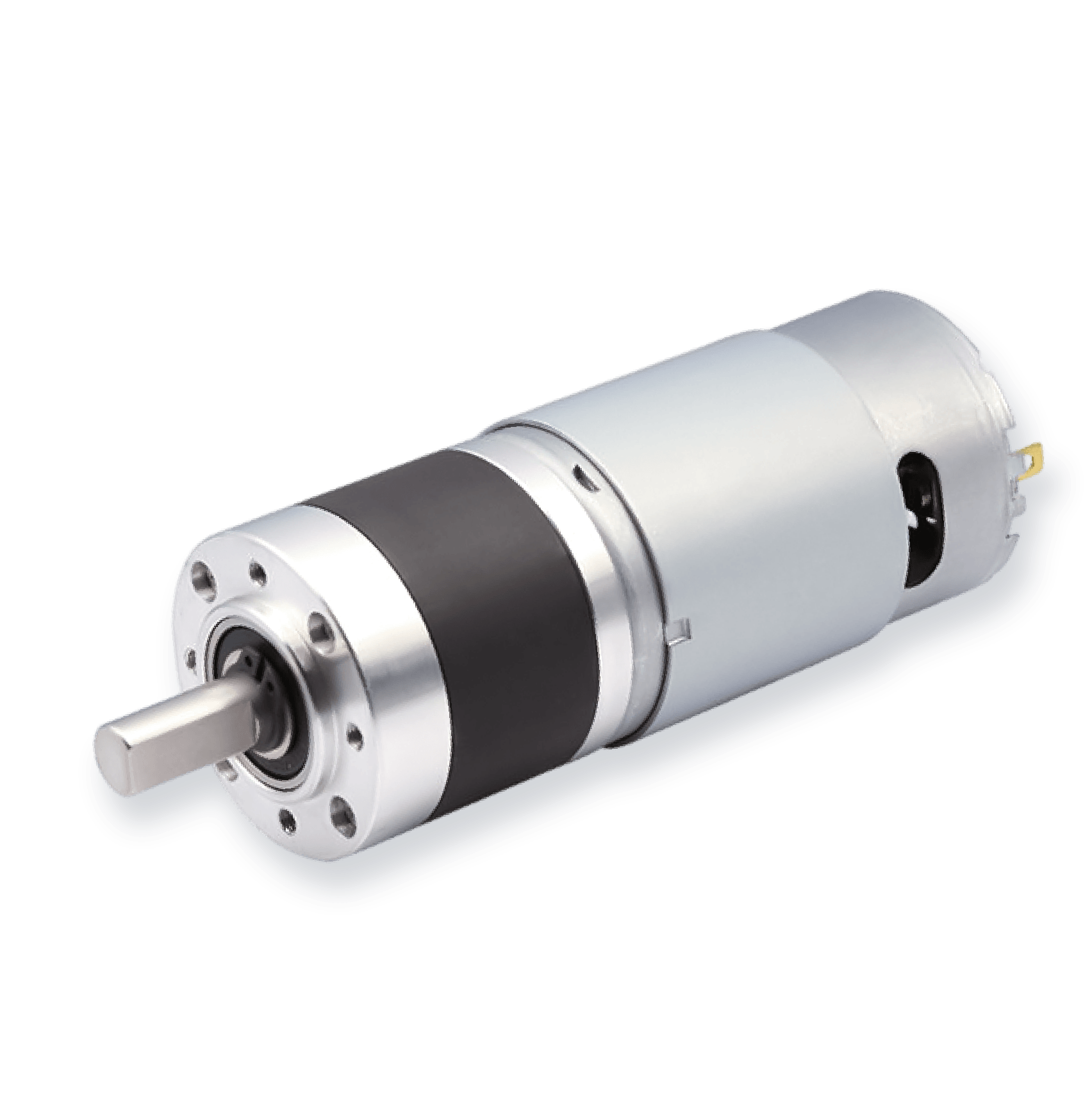
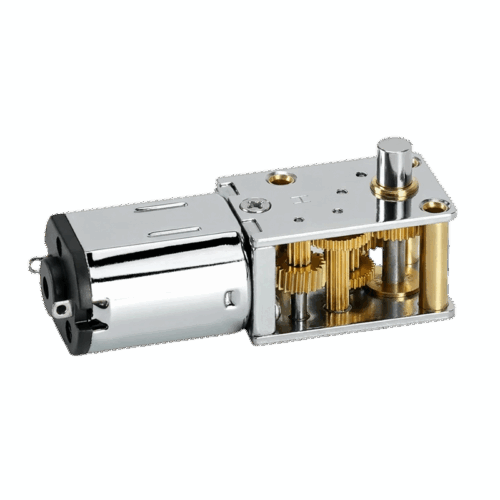
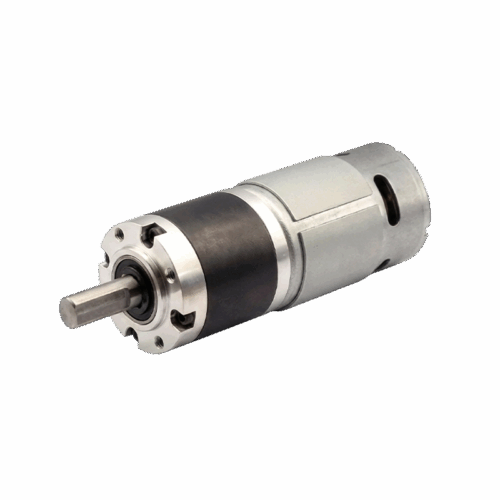
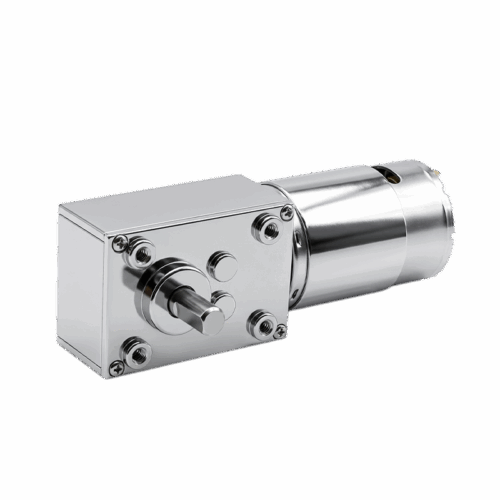
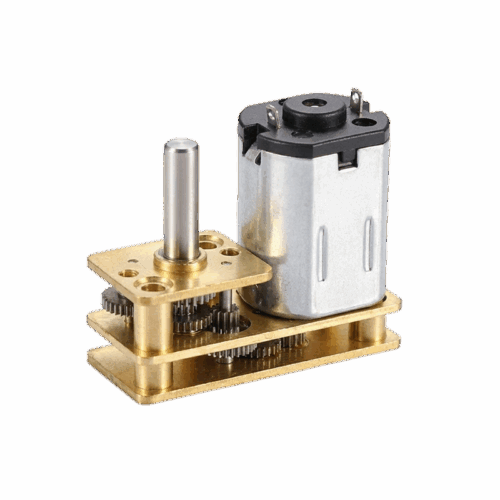
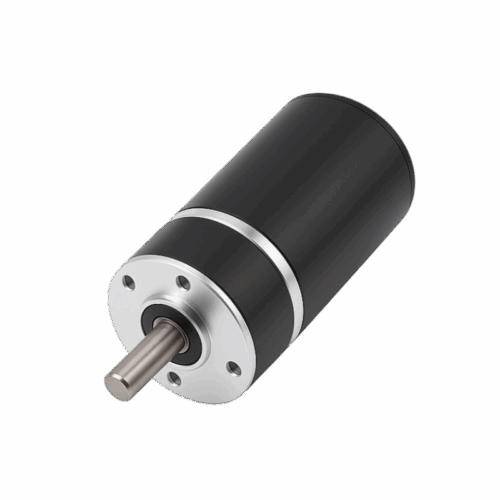
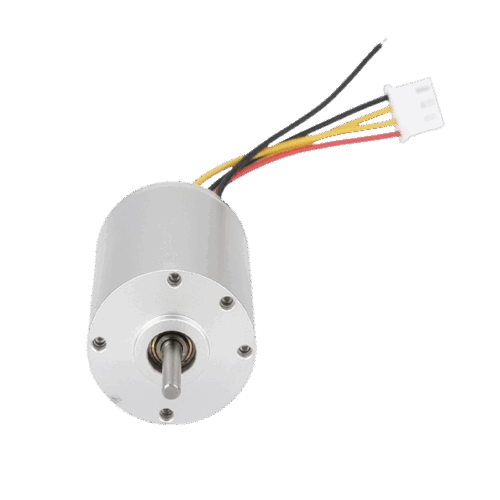
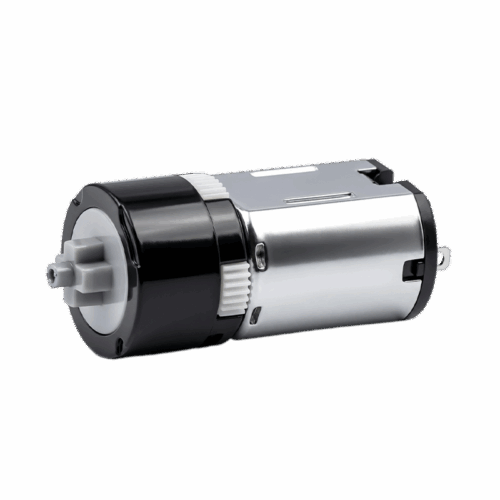
HVAC and air systems rely on motors that deliver stable airflow, precise control, and long-term reliability. Our miniature motors and gear motors are engineered to provide smooth operation, quiet performance, and efficiency across ventilation, filtration, cooling, and smart climate-control equipment.
Get a Quote
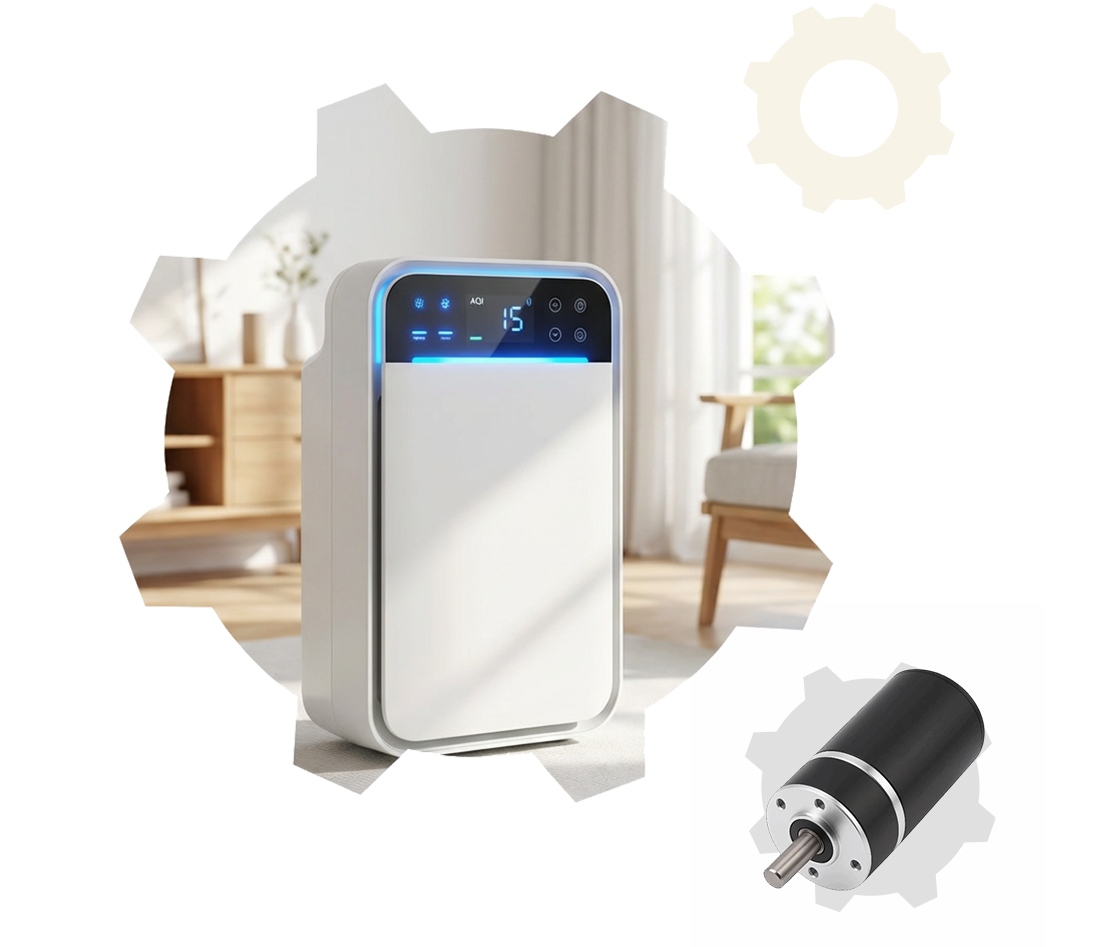
HVAC and air system Featured Image
Advantages

Why Our Motors for HVAC and Air System

  • Quiet and Smooth Operation

    Low-noise motor structures ensure comfortable operation in residential, commercial, and medical environments.

  • High Efficiency & Long Service Life

    Optimized winding and magnetic design reduce energy consumption while ensuring durable, continuous operation.

  • Compact Size for Flexible Integration

    Small yet powerful motors fit easily into slim air devices, compact ventilation modules, and smart home HVAC systems.

  • Stable Performance Under Continuous Duty

    Designed for 24/7 operation with excellent heat dissipation and consistent torque output even during extended use.

Applications

Real-World Applications

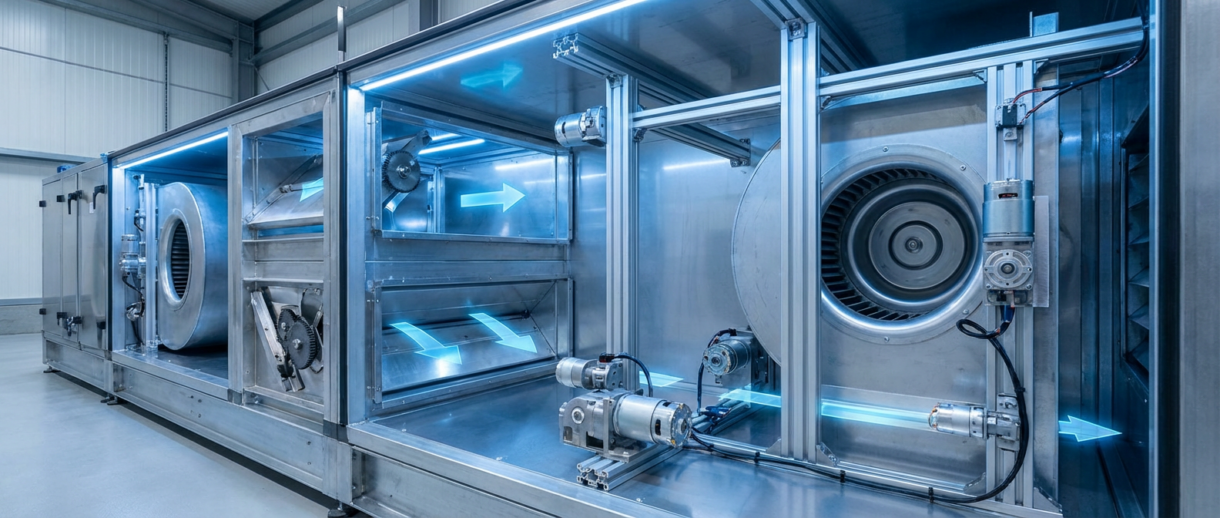
Our motors support a wide range of HVAC and air-handling equipment, delivering reliable airflow and precise control.

Examples include:

  • Air purifiers and filtration systems
  • Smart home air-conditioning modules
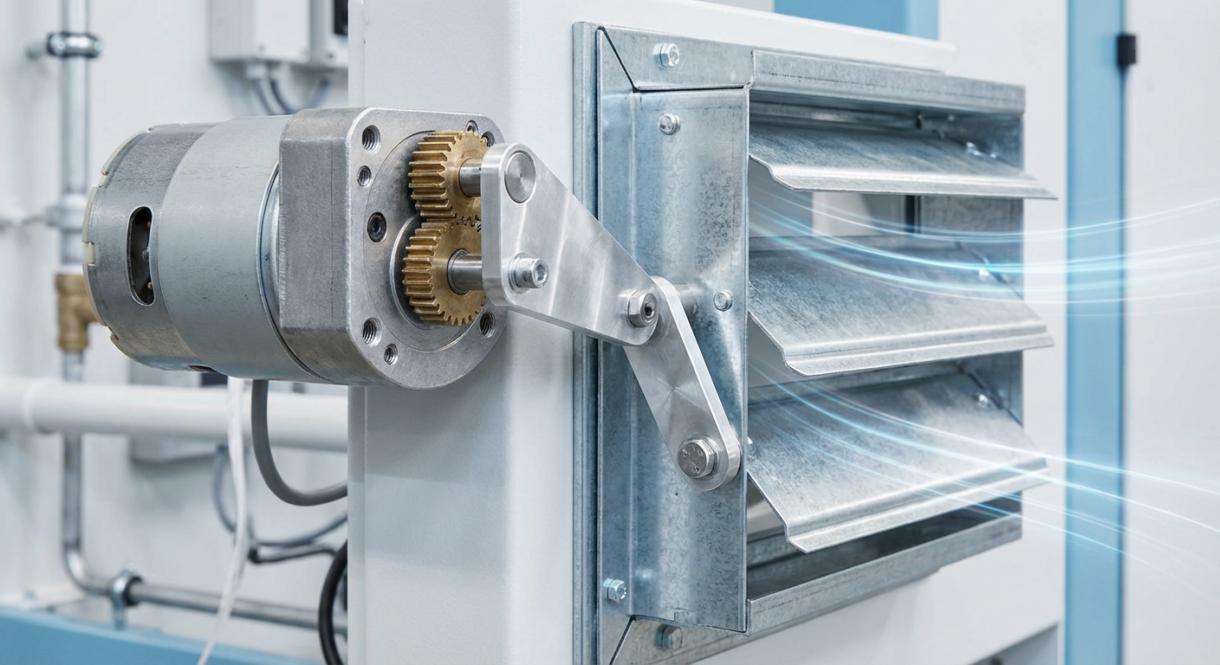
  • Ventilation fans, intake/exhaust dampers
  • Airflow control valves and actuators
  • Dehumidifiers and humidifiers
  • Aroma diffusers and air freshening devices
  • HVAC damper motors and zone control systems
  • Heat recovery ventilators (HRV/ERV)
Considerations

Engineering Considerations for HVAC and Air System

Noise & Vibration Control

Quiet operation is crucial for residential and commercial comfort—motor balance and structure must minimize noise and vibration.

Efficiency & Power Consumption

High-efficiency motors help reduce overall HVAC system energy usage, especially in devices running continuously.

Airflow & Torque Requirements

Different fan sizes, filters, and ducts require motors with suitable torque curves and stable rotational speeds.

Thermal Management

HVAC devices often run non-stop; motors must dissipate heat effectively to ensure long service life.

Environmental Conditions

Motors must withstand humidity, dust, and temperature variations found in air-handling systems.

Control Method & Automation Compatibility

Many HVAC systems require PWM, tachometer feedback, or smart control integration for precise airflow adjustment.

Get Started

Accelerate Your Project with Precision Motors